Writing
No awards listed yet.
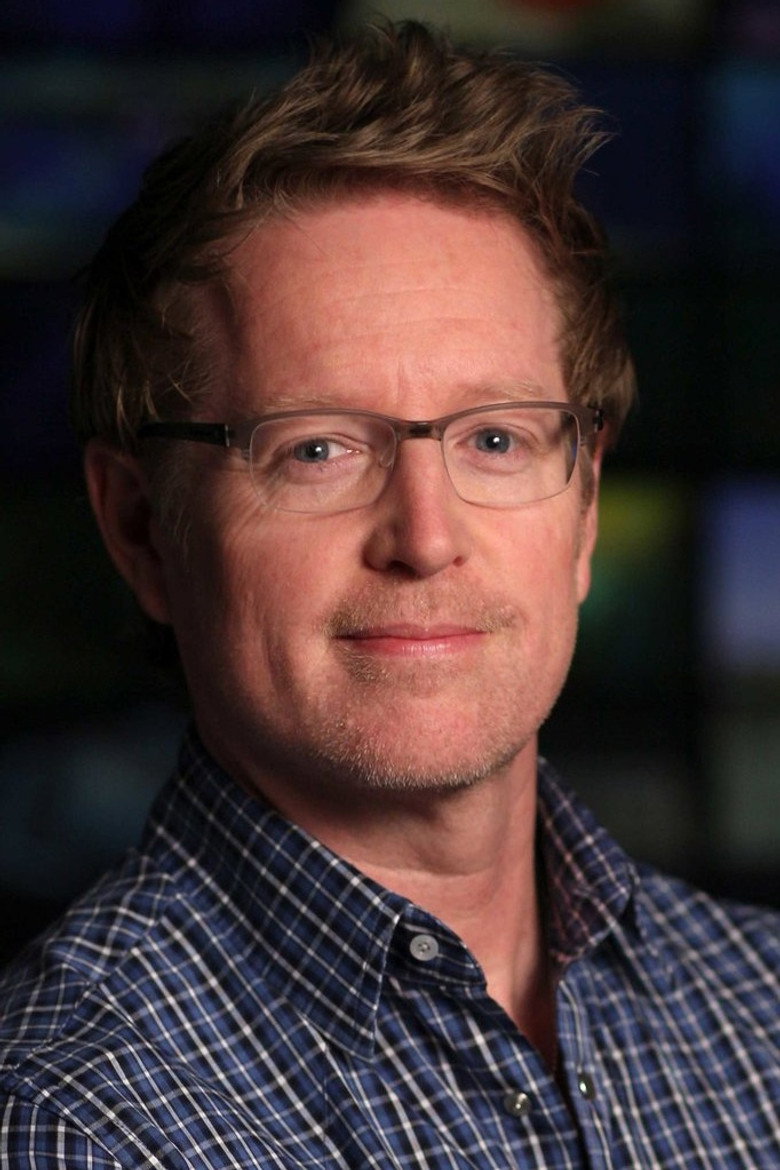
Andrew Stanton is an American filmmaker, screenwriter, animator, producer, and voice actor best known as one of the central creative figures in Pixar Animation Studios. Born Andrew Ayers Stanton on December 3, 1965, in Rockport, Massachusetts, he became part of the small early Pixar group that helped turn computer animation from a technical experiment into a dominant form of feature filmmaking. His career is closely tied to Toy Story, Finding Nemo, WALL-E, Finding Dory, and the larger Pixar story tradition.
Stanton grew up in Massachusetts and studied character animation at the California Institute of the Arts, an important training ground for many modern animators. Before Pixar became famous for features, he worked in animation and related production environments, developing skills in storyboarding, character, and visual comedy. Pixar hired him in 1990, when the company was still far from becoming the feature-animation powerhouse it later became. He has often been described as one of Pixar’s earliest creative employees, joining a group that included John Lasseter, Pete Docter, and others who shaped the studio’s storytelling culture.
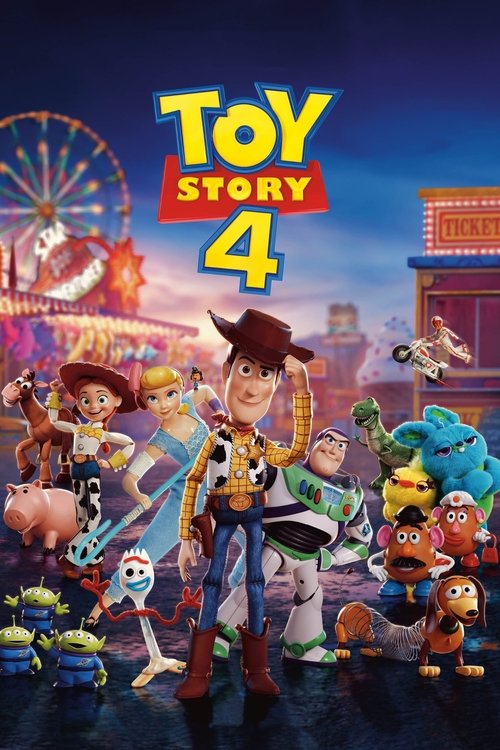
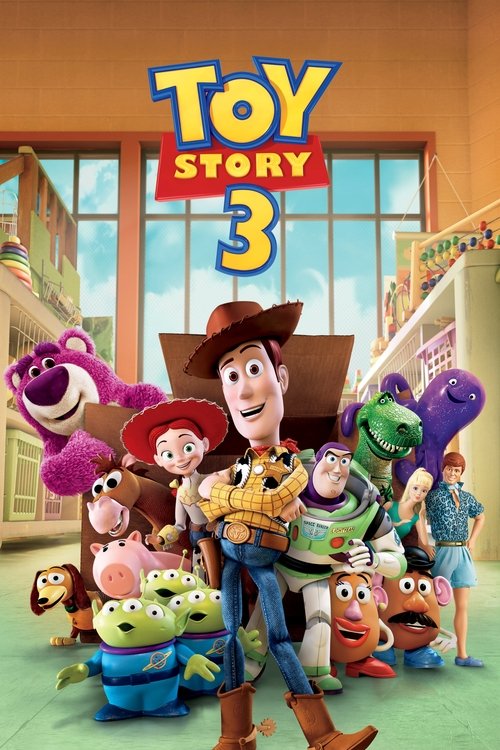
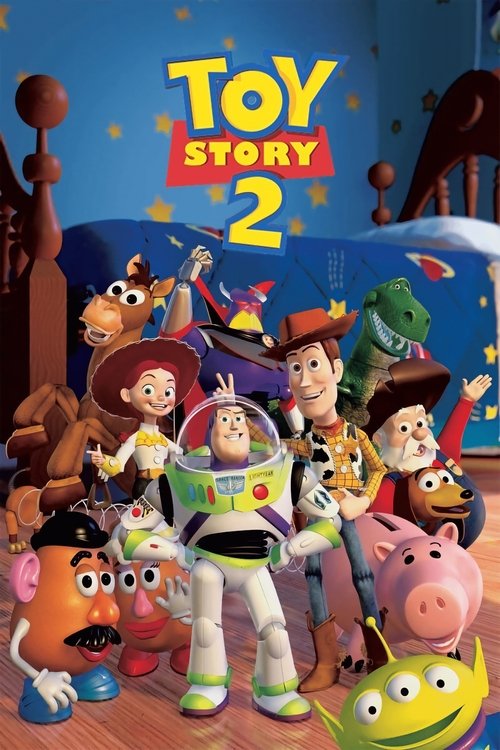
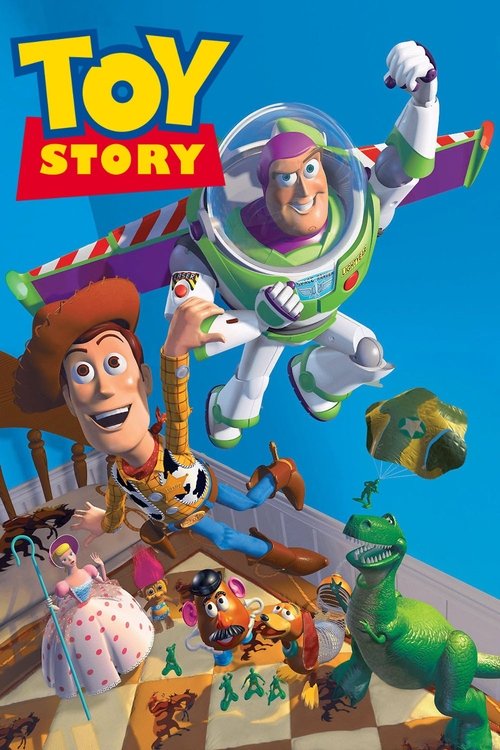
The first major milestone of Stanton’s career was Toy Story. He was part of the story team and received an Academy Award nomination for the film’s original screenplay, an especially notable achievement because animation had rarely been recognized in that writing category. Toy Story’s success was not simply technical; its lasting influence came from the writing, character structure, and emotional clarity. Stanton’s contribution to that foundation helped define Pixar’s early identity: stories built around character need, comic premise, and emotional payoff rather than technology alone.

Screenplay · 2026 · Not rated yet

Director · 2026 · 9.0/10 · 3 ratings

as Self · 2026 · Not rated yet

Director · 2026 · Not rated yet

Thanks · 2023 · Not rated yet

Executive Producer · 2022 · Not rated yet

Additional Writing · 2022 · Not rated yet
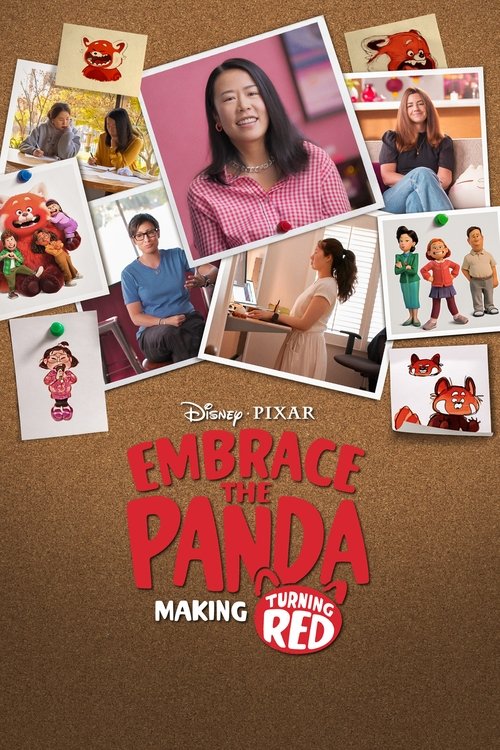
as Self (archive footage) · 2022 · Not rated yet
Community
Community
Discuss Andrew Stanton. By default, replies in a topic go to the original poster; use a message’s Reply button to reply to someone specific.
Sign in to post in the forum.
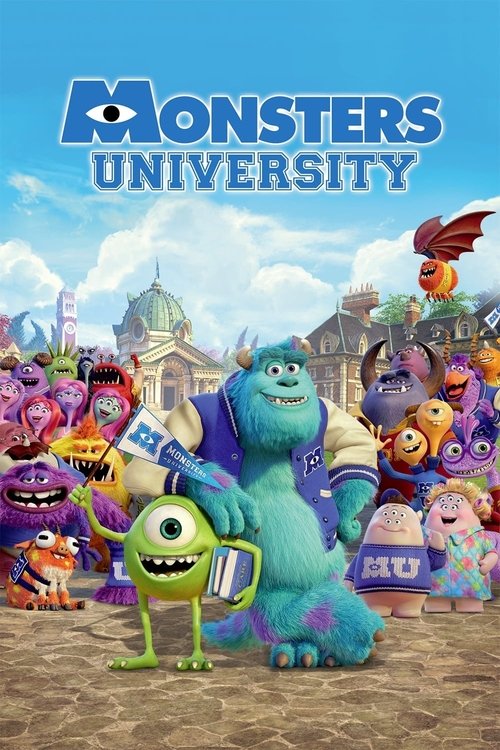
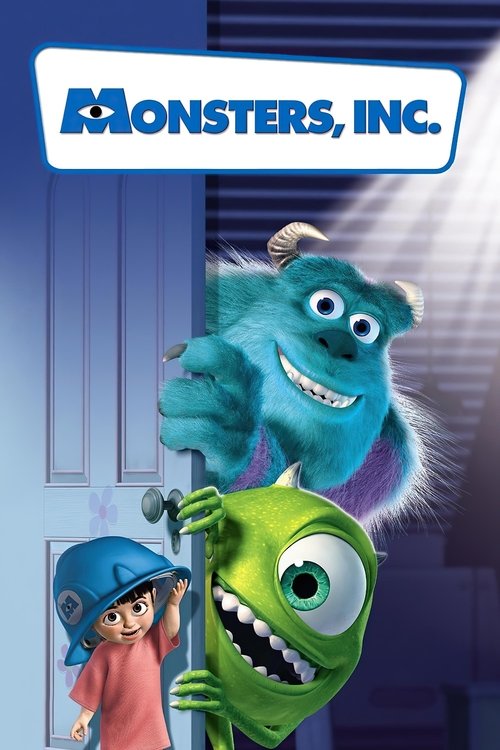
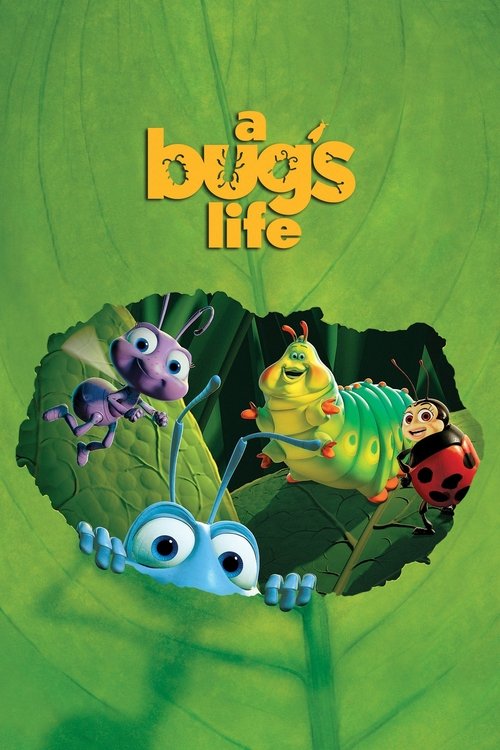
Stanton continued to play major roles in Pixar’s first wave of features. He contributed to A Bug’s Life, Toy Story 2, Monsters, Inc., and later Toy Story sequels. As a writer and story artist, he became known for strong structural instincts and for a belief that animation should be built around clear emotional questions. He has also voiced small Pixar roles, including Crush, the laid-back sea turtle in Finding Nemo, a performance that became a fan favorite despite being a supporting comic part.
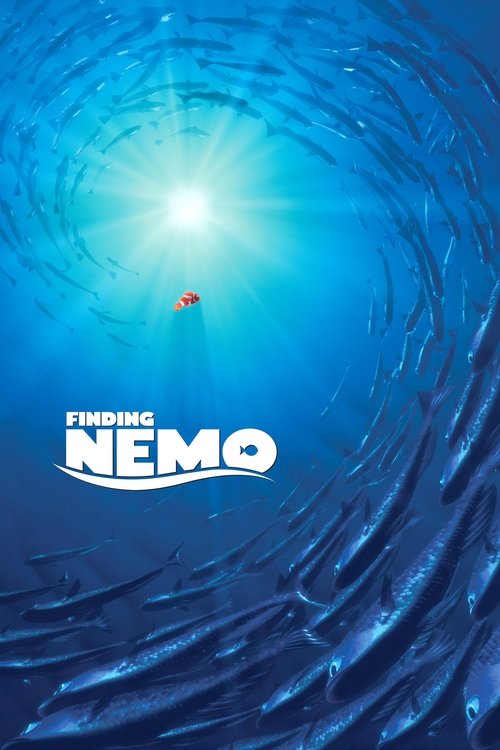
Finding Nemo, released in 2003, was Stanton’s first solo feature-directing landmark. The film follows Marlin, an anxious clownfish searching for his son, and combines a rescue adventure with a parent’s emotional journey from fear to trust. Stanton directed and co-wrote the film, which became a major critical and commercial success and won the Academy Award for Best Animated Feature. Its emotional accessibility, underwater design, and comic ensemble made it one of Pixar’s defining films.
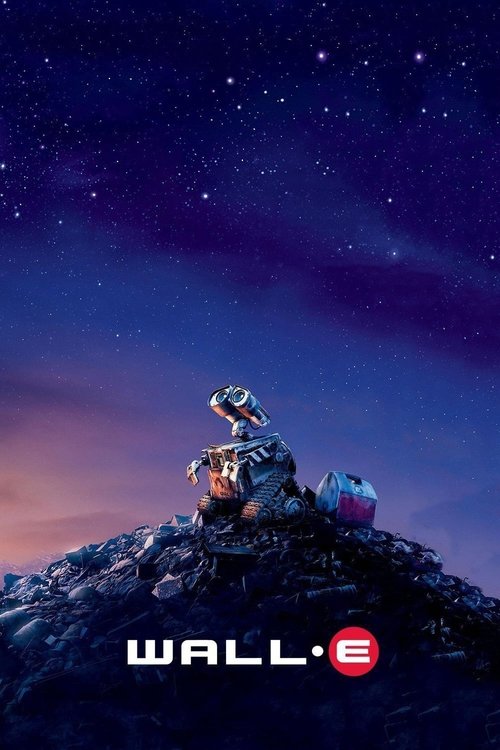
Stanton followed with WALL-E in 2008, a largely visual science-fiction romance about a trash-compacting robot left on an abandoned Earth. The film’s first act relies heavily on pantomime, sound design, and visual storytelling rather than dialogue, showing Stanton’s interest in cinema as movement and behavior rather than exposition. WALL-E won the Academy Award for Best Animated Feature and received an Academy Award nomination for Original Screenplay. The film was later selected for preservation in the U.S. National Film Registry, confirming its status as a culturally significant work.
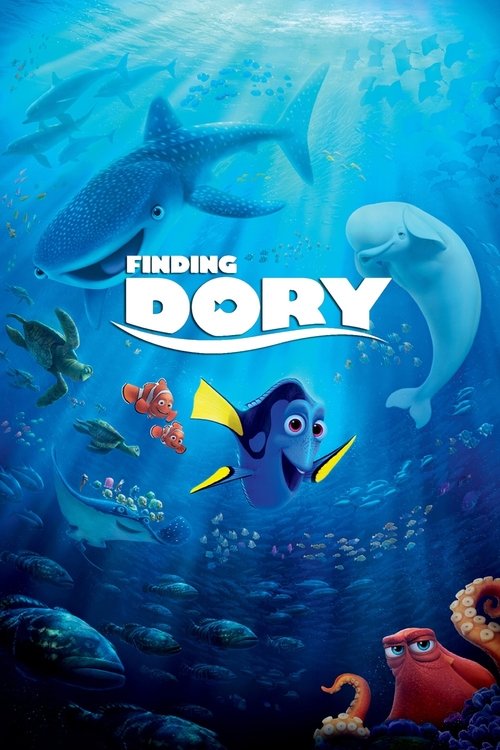
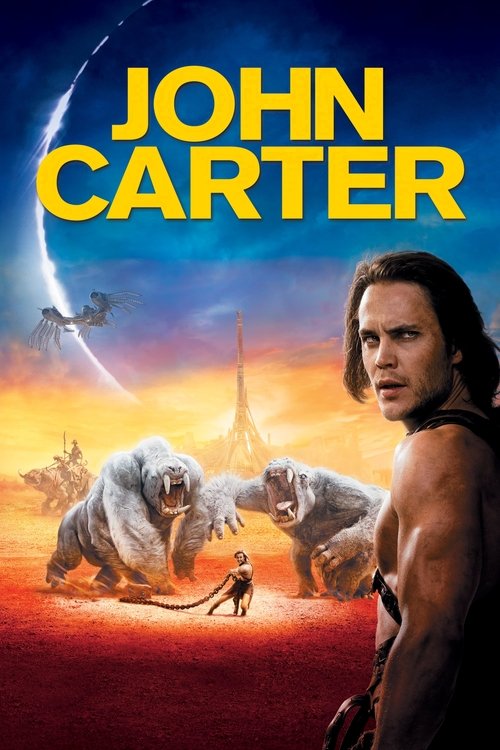
In 2012, Stanton made his live-action feature debut with John Carter, an adaptation of Edgar Rice Burroughs’s Barsoom stories. The film had a troubled commercial reception and became known for its large budget and disappointing box office. Even so, it reflected Stanton’s long-standing interest in science fiction and adventure storytelling. After John Carter, he returned to Pixar features with Finding Dory, the 2016 sequel centered on Dory’s search for her family. The film became another major commercial success and extended the emotional world of Finding Nemo through questions of memory, disability, and belonging.
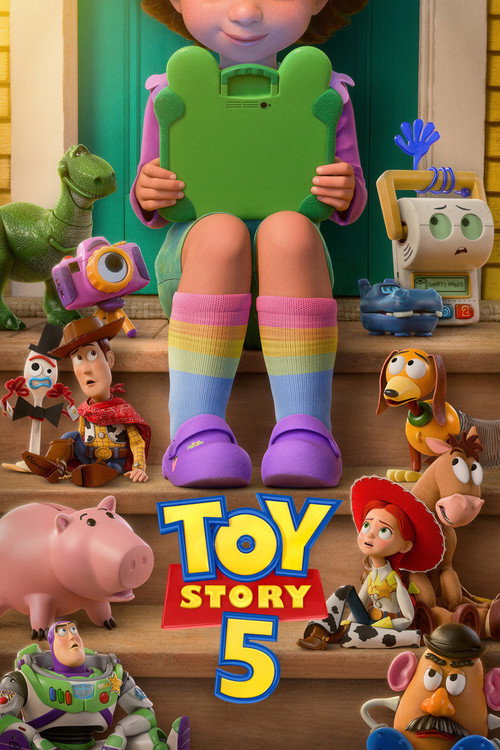
Stanton has also directed for live-action television, including episodes of Better Call Saul, Legion, Stranger Things, For All Mankind, and 3 Body Problem. That work shows his movement beyond animation while retaining an interest in suspense, character perspective, and visual clarity. In the 2020s, he remained connected to Pixar and to new feature projects, including Toy Story 5 and live-action science-fiction work.
Stanton’s importance lies in the way he helped define modern animation as writer-driven cinema. His films are technically polished, but their reputation rests on story architecture: a father learning to let go, a lonely robot finding purpose through love, a forgetful fish looking for home, toys facing change and identity. As director, writer, and story architect, Stanton has been one of the key people behind Pixar’s transformation from a promising computer-animation company into a studio whose films shaped global family cinema.
References:
[1] Wikipedia, “Andrew Stanton” — https://en.wikipedia.org/wiki/Andrew_Stanton
[2] Pixar, “Andrew Stanton” — https://www.pixar.com/andrew-stanton
[3] Academy of Motion Picture Arts and Sciences, “Andrew Stanton” — https://www.oscars.org/
[4] The New Yorker, “The Fun Factory” — https://www.newyorker.com/magazine/2011/05/16/the-fun-factory
[5] California Institute of the Arts, “Alumni” — https://calarts.edu/
[6] IMDb, “Andrew Stanton” — https://www.imdb.com/name/nm0004056/
[7] Pixar, “Finding Nemo” — https://www.pixar.com/feature-films/finding-nemo
[8] Pixar, “WALL-E” — https://www.pixar.com/feature-films/wall-e
[9] Pixar, “Finding Dory” — https://www.pixar.com/feature-films/finding-dory
[10] Library of Congress, “National Film Registry: WALL-E” — https://www.loc.gov/programs/national-film-preservation-board/film-registry/

as Self · 2019 · Not rated yet
Most liked
Top comments