Writing
No awards listed yet.
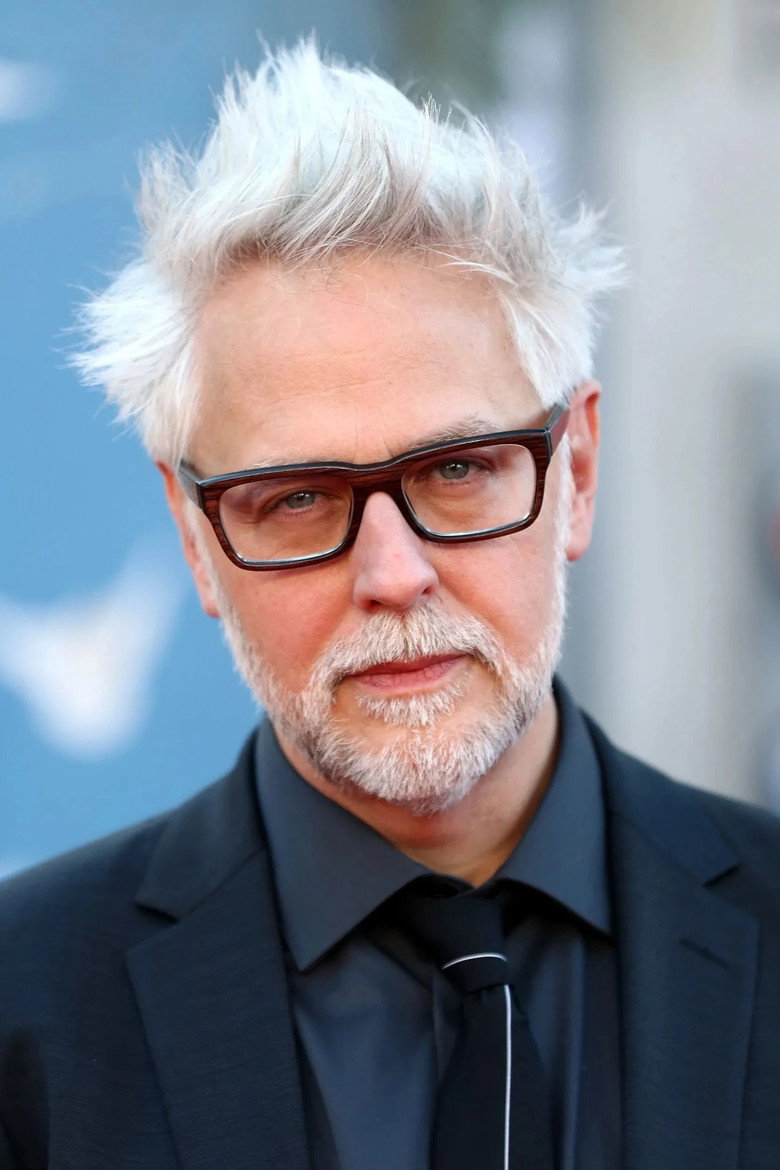
James Gunn is an American filmmaker, screenwriter, producer, and studio executive whose career runs from low-budget cult cinema to leadership of one of Hollywood's largest superhero franchises. Born James Francis Gunn Jr. in St. Louis, Missouri, on August 5, 1966, he grew up in a large family that included several siblings who would also work in entertainment. His early interests included horror, comics, music, and homemade genre films, elements that later became visible in his blend of irreverent comedy, emotional sincerity, outsider characters, and pop-culture fluency.
Gunn attended Saint Louis University and later earned an MFA from Columbia University. Before he became known as a film director, he worked as a writer and performer in music and fringe entertainment. His first major professional foothold in film came through Troma Entertainment, the independent exploitation studio where he co-wrote Tromeo and Juliet. The Troma years gave him practical experience in low-budget production, genre exaggeration, and do-it-yourself filmmaking, and they shaped the deliberately messy, comic, and grotesque energy of his early voice.
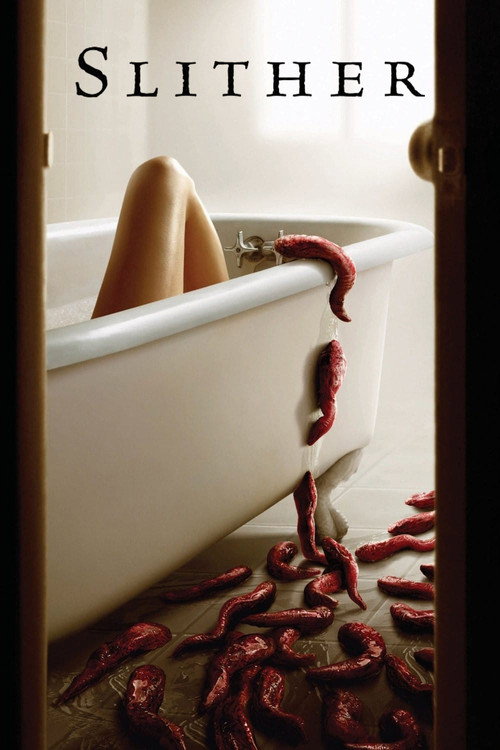
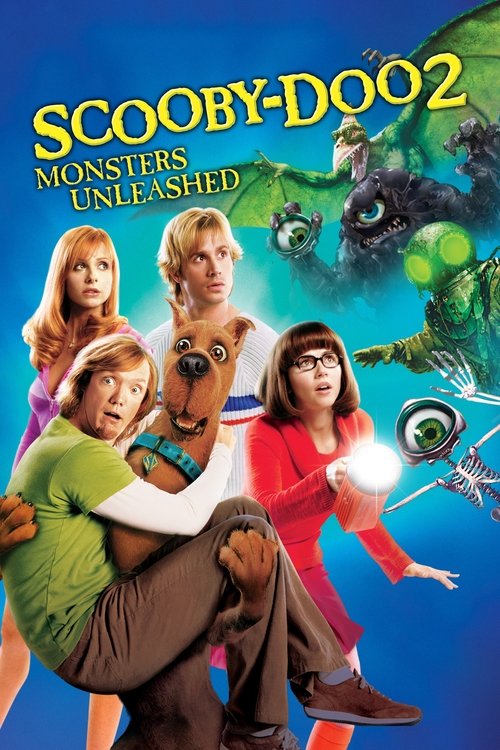
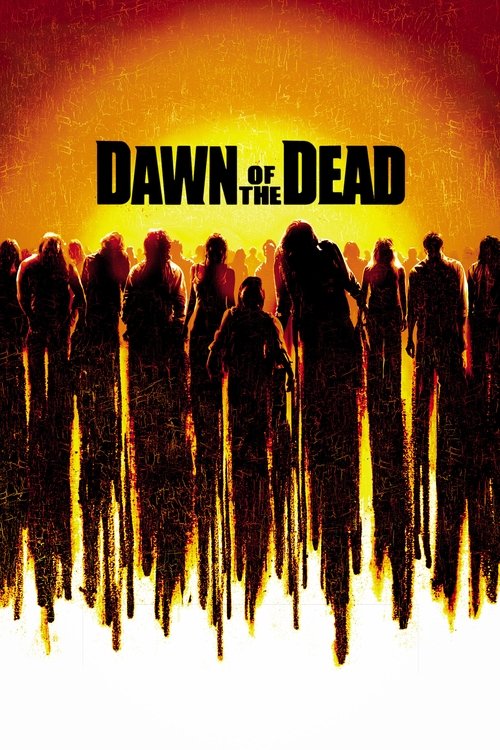
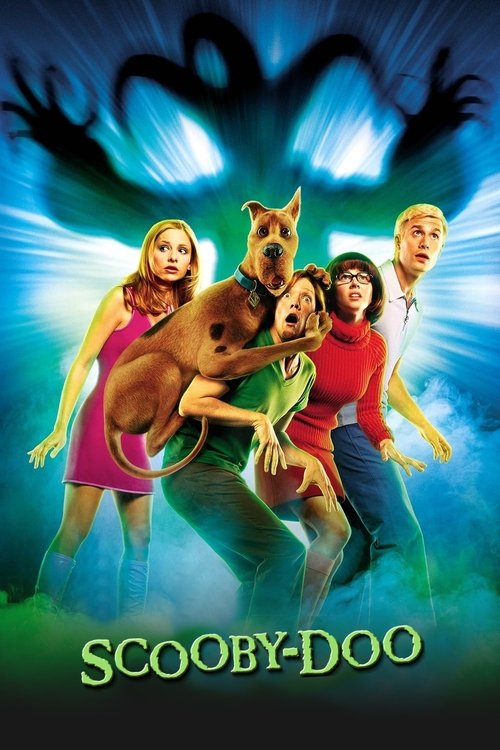
His move into mainstream Hollywood began as a screenwriter. Gunn wrote the live-action Scooby-Doo film released in 2002 and its 2004 sequel, and he also wrote the screenplay for Zack Snyder's 2004 remake of Dawn of the Dead. Those projects showed two sides of his range: self-aware comedy adapted from familiar intellectual property, and sharp, efficient horror-action. He made his feature directing debut with Slither in 2006, a horror comedy starring Nathan Fillion, Elizabeth Banks, and Michael Rooker. Though not a major box-office success, Slither became important to Gunn's reputation because it made his signature combination of body horror, jokes, affection for misfits, and genre craftsmanship unmistakable.

Producer · 2028 · Not rated yet

Executive Producer · 2027 · Not rated yet
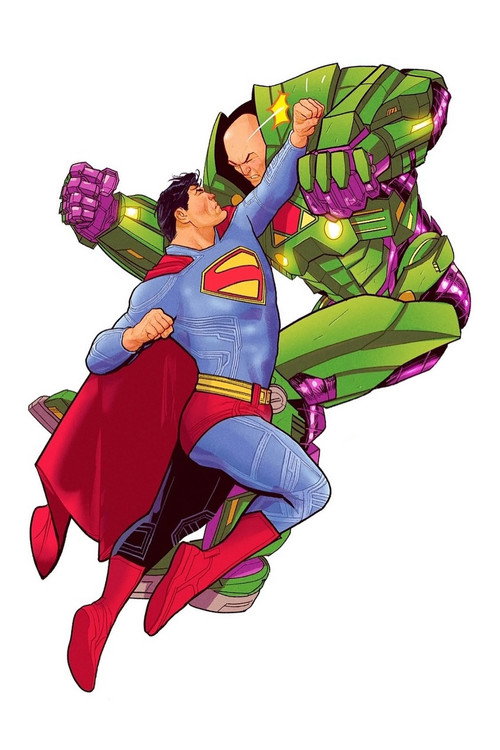
Writer · 2027 · Not rated yet

Producer · 2027 · Not rated yet

Director · 2027 · Not rated yet

Producer · 2026 · Not rated yet

Producer · 2026 · Not rated yet

Screenstory · 2026 · Not rated yet
Community
Community
Discuss James Gunn. By default, replies in a topic go to the original poster; use a message’s Reply button to reply to someone specific.
Sign in to post in the forum.
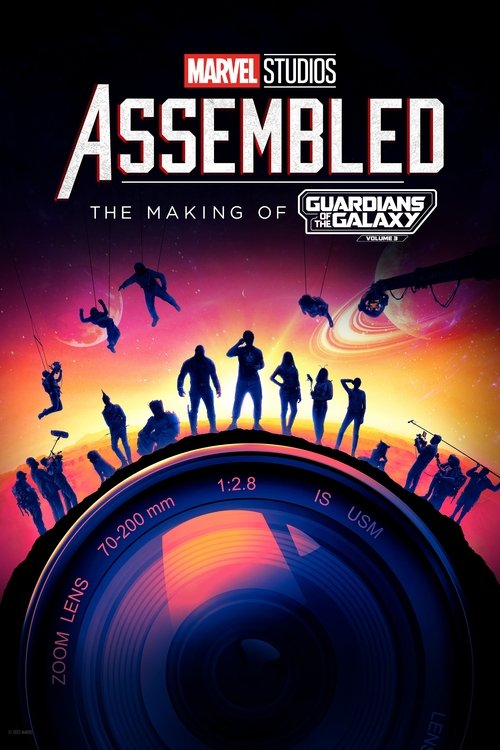
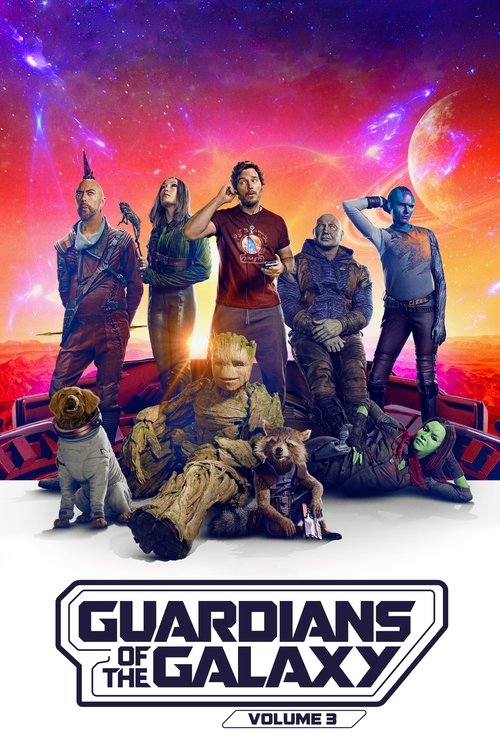
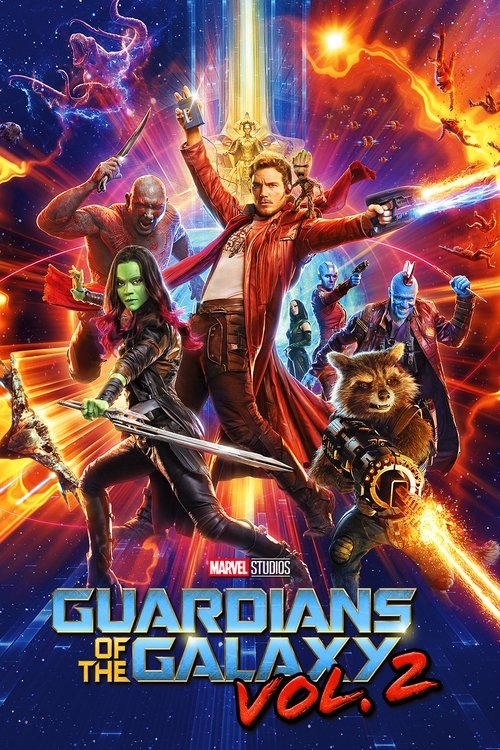
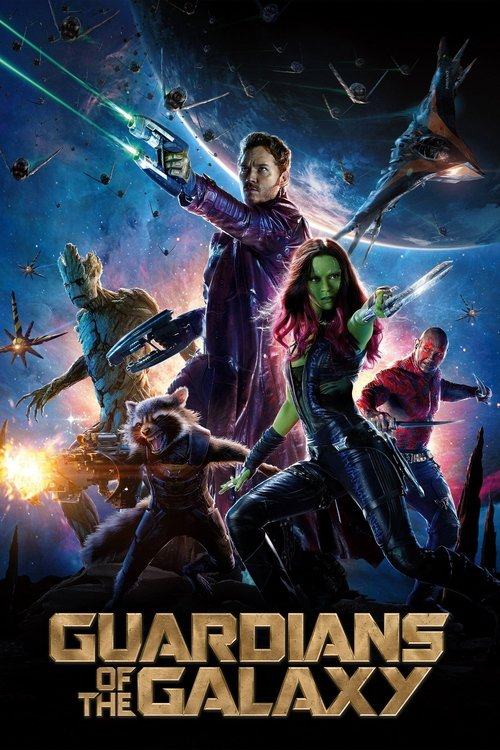
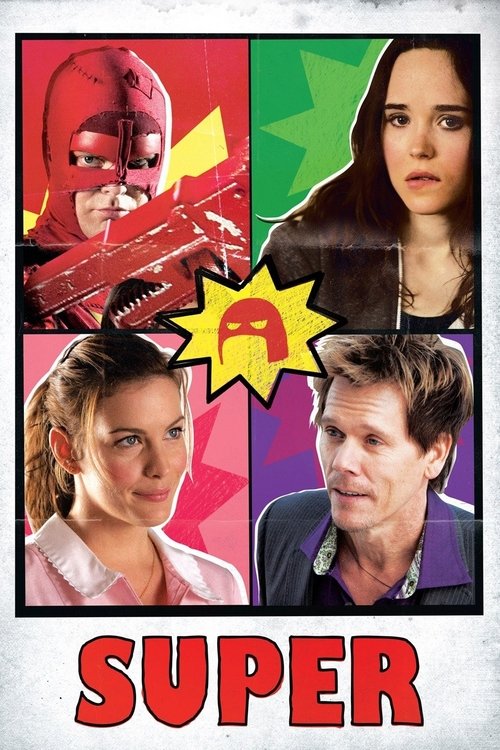
Gunn continued in the superhero-adjacent space with Super in 2010, a dark and abrasive story about a self-made vigilante. His career changed dramatically when Marvel Studios hired him to co-write and direct Guardians of the Galaxy. Released in 2014, the film turned a relatively obscure Marvel Comics team into a major screen property by emphasizing comic friction, pop songs, damaged characters, and found-family emotion. Gunn returned for Guardians of the Galaxy Vol. 2 in 2017 and Guardians of the Galaxy Vol. 3 in 2023, making the trilogy one of the most personally identifiable director-driven strands of the Marvel Cinematic Universe.
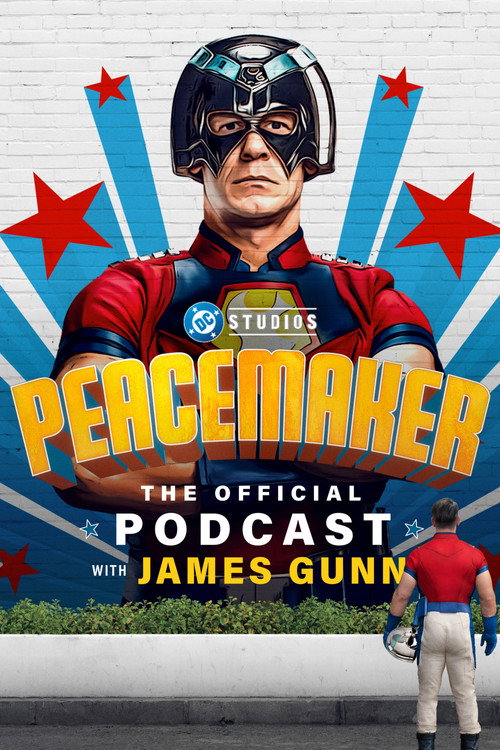
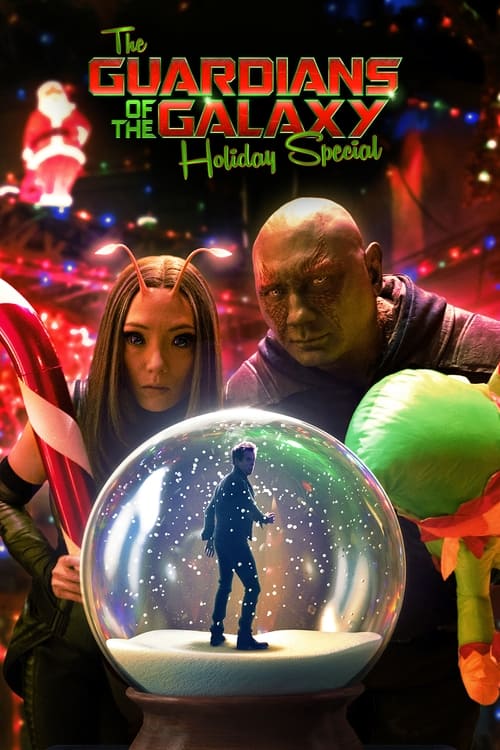
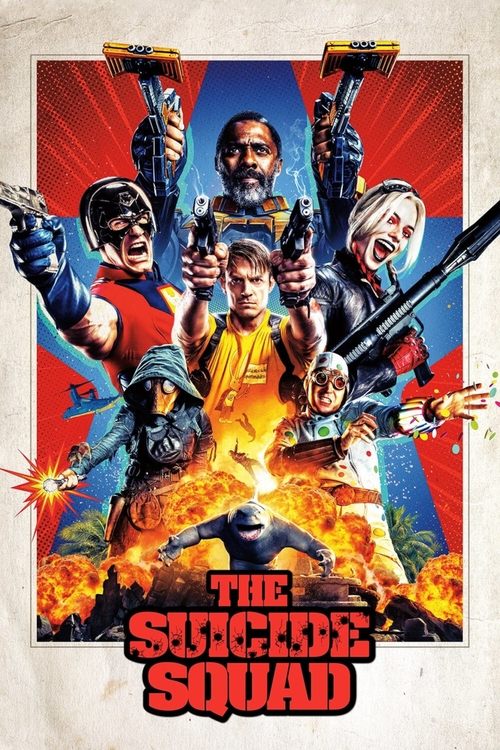
Outside the Guardians films, Gunn wrote and directed The Suicide Squad for DC in 2021, then created the television series Peacemaker, which expanded that film's tone into long-form character comedy and superhero satire. He also made The Guardians of the Galaxy Holiday Special for Disney+. His work across Marvel and DC made him unusual among contemporary blockbuster directors: he was strongly associated with both of the dominant superhero brands while maintaining a recognizable authorial style.
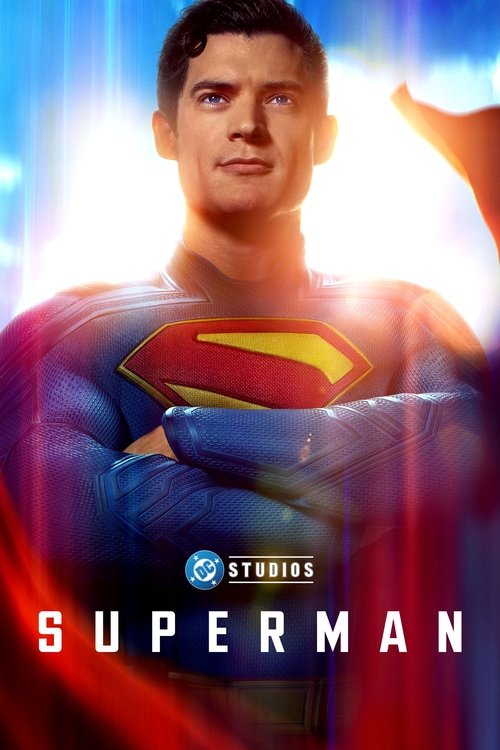
In 2022, Warner Bros. Discovery named Gunn and producer Peter Safran co-chairmen and co-CEOs of DC Studios. The appointment moved Gunn from filmmaker to studio architect, with responsibility for shaping the DC Universe across film and television. Under that structure, he created Creature Commandos and wrote and directed Superman, positioning the character as the starting point for a renewed shared continuity. The role made him not only a writer-director but also one of the most visible creative executives in franchise filmmaking.
Gunn's career is defined by unlikely combinations: horror and sentiment, sarcasm and earnestness, splatter-movie energy and studio-scale mythmaking. He has often focused on characters who are ridiculous, damaged, or morally compromised, then treated their emotional lives with surprising seriousness. That tension helped make Guardians of the Galaxy, The Suicide Squad, and Peacemaker stand apart within superhero entertainment, and it explains his larger importance as a filmmaker who brought cult sensibility into the center of mainstream franchise cinema.
References:
[1] Wikipedia, “James Gunn” — https://en.wikipedia.org/wiki/James_Gunn
[2] The Movie Database, “James Gunn” — https://www.themoviedb.org/person/15218-james-gunn
[3] Wikipedia, “Tromeo and Juliet” — https://en.wikipedia.org/wiki/Tromeo_and_Juliet
[4] Wikipedia, “Scooby-Doo” — https://en.wikipedia.org/wiki/Scooby-Doo_(film)
[5] Wikipedia, “Dawn of the Dead” — https://en.wikipedia.org/wiki/Dawn_of_the_Dead_(2004_film)
[6] Wikipedia, “Slither” — https://en.wikipedia.org/wiki/Slither_(2006_film)
[7] Wikipedia, “Guardians of the Galaxy” — https://en.wikipedia.org/wiki/Guardians_of_the_Galaxy_(film)
[8] Wikipedia, “The Suicide Squad” — https://en.wikipedia.org/wiki/The_Suicide_Squad_(film)
[9] Wikipedia, “Peacemaker” — https://en.wikipedia.org/wiki/Peacemaker_(TV_series)
[10] Wikipedia, “DC Studios” — https://en.wikipedia.org/wiki/DC_Studios

Producer · 2026 · Not rated yet
Most liked
Top comments