Loading the marquee…
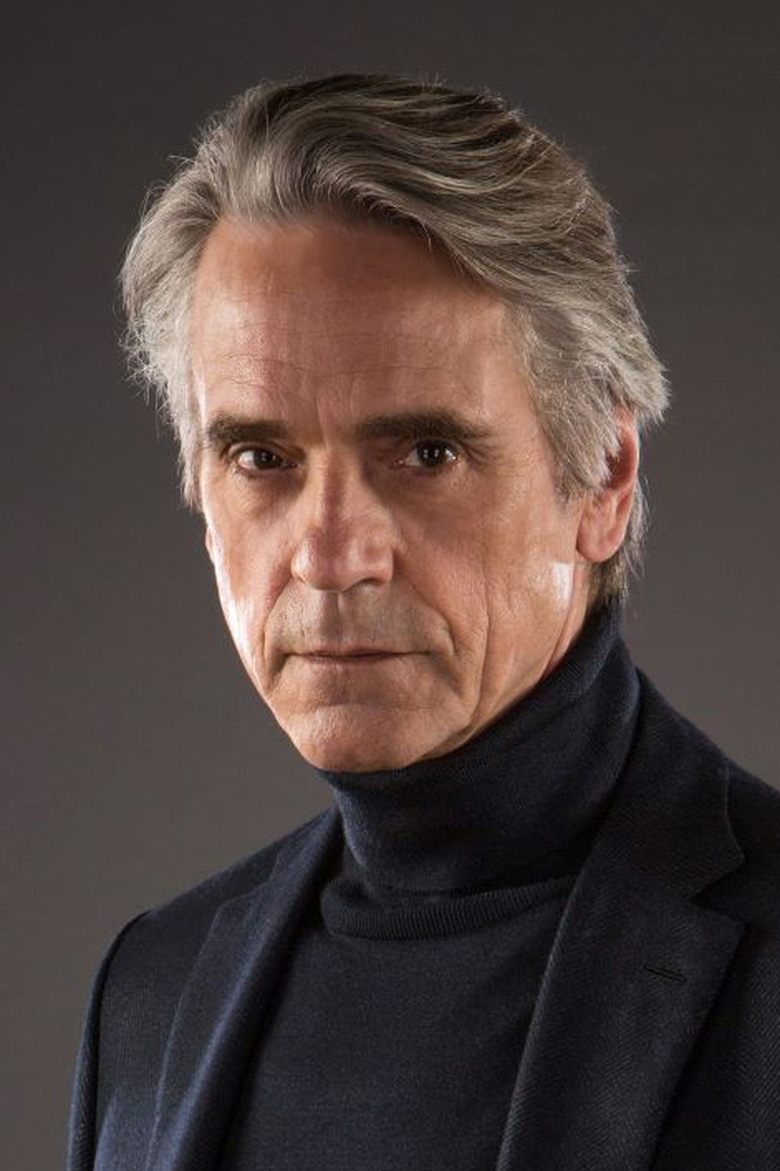
Acting
Jeremy Irons
- Born
- Unknown
Awards
No awards listed yet.
Biography
Jeremy Irons is an English actor whose career has ranged across classical theatre, prestige television, independent film, Hollywood studio pictures and voice performance. Born Jeremy John Irons on 19 September 1948 in Cowes on the Isle of Wight, he trained at the Bristol Old Vic Theatre School and began building his reputation on stage before becoming one of the most recognizable British screen actors of his generation. His work is often associated with precise diction, controlled intensity and an ability to play elegant, conflicted or morally ambiguous figures without reducing them to simple villains or heroes.
Irons' early career was rooted in theatre. He appeared in London stage productions after his training and, during the 1970s, developed the classical grounding that later shaped both his Shakespearean work and his screen performances. His major Broadway breakthrough came in Tom Stoppard's The Real Thing, for which he won the 1984 Tony Award for Actor in a Play. That award became one part of a rare awards profile: Irons later added major film and television prizes, placing him among performers recognized across stage, film and television rather than in a single medium.
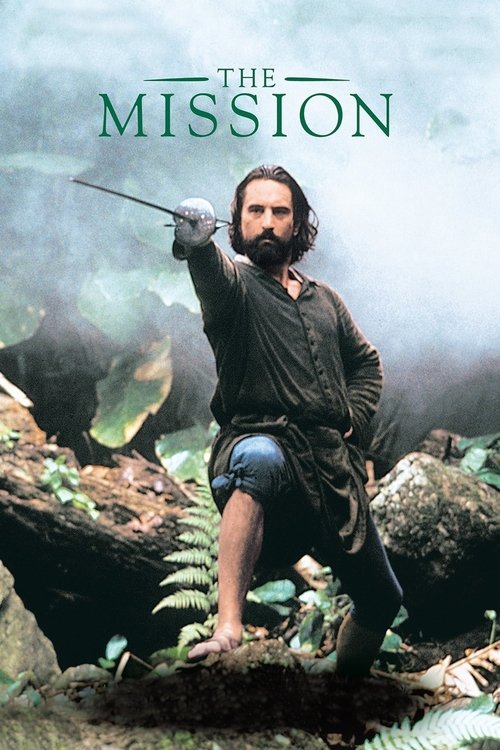
His international screen profile rose sharply in 1981. On television, he played Charles Ryder in the acclaimed adaptation of Brideshead Revisited, a performance that introduced him to a wide audience and helped define the period-drama prestige television style of the era. The same year, he starred opposite Meryl Streep in Karel Reisz's The French Lieutenant's Woman, establishing him as a leading film actor. In the 1980s he followed with films including Moonlighting, Betrayal, The Mission and David Cronenberg's Dead Ringers, the last of which made strong use of his ability to differentiate two psychologically entangled twin brothers with subtle shifts of manner and tone.
Filmography
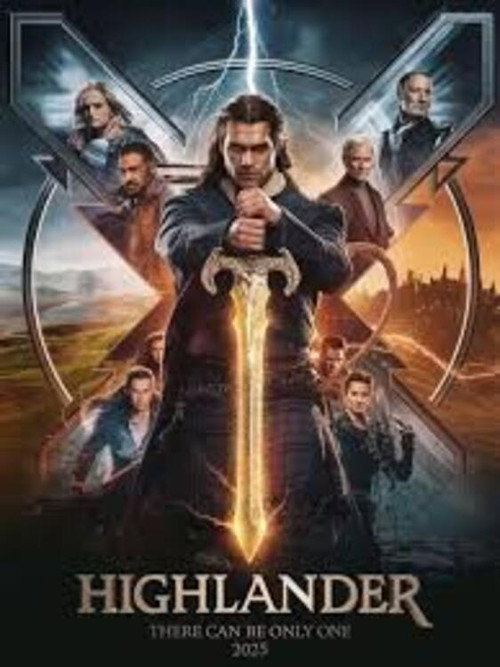
Highlander
Actor · Not rated yet

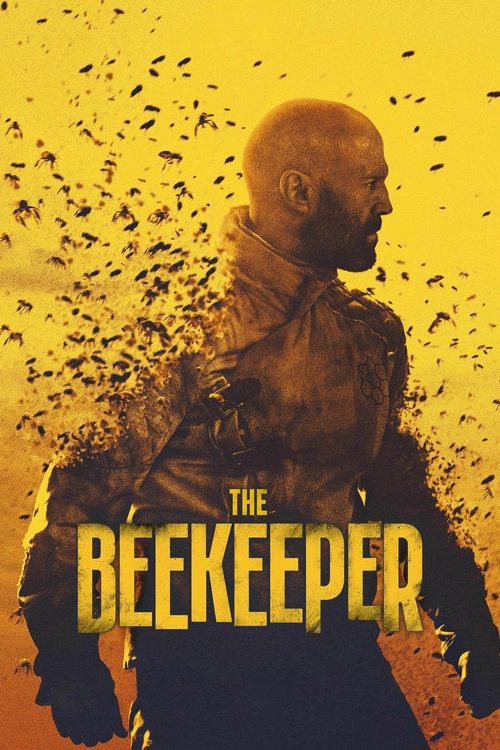
The Beekeeper 2
as Wallace Westwyld · 2027 · Not rated yet

The Crystal Planet
as Governor Mordokan (voice) · 2026 · Not rated yet
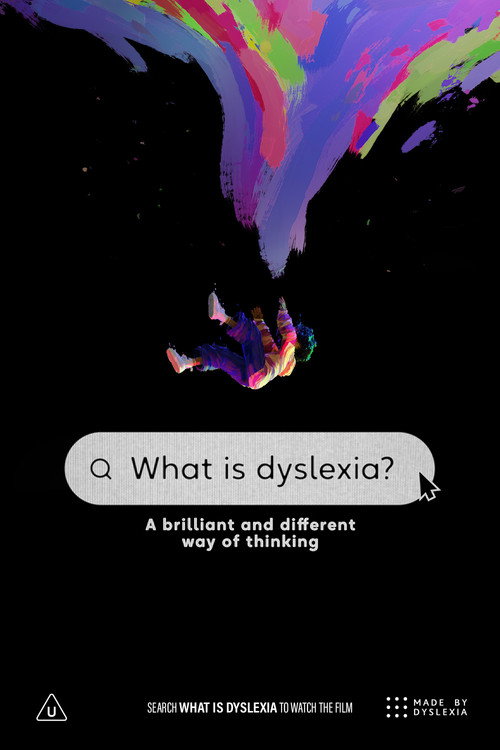
What is dyslexia?
as The Inventor · 2026 · Not rated yet
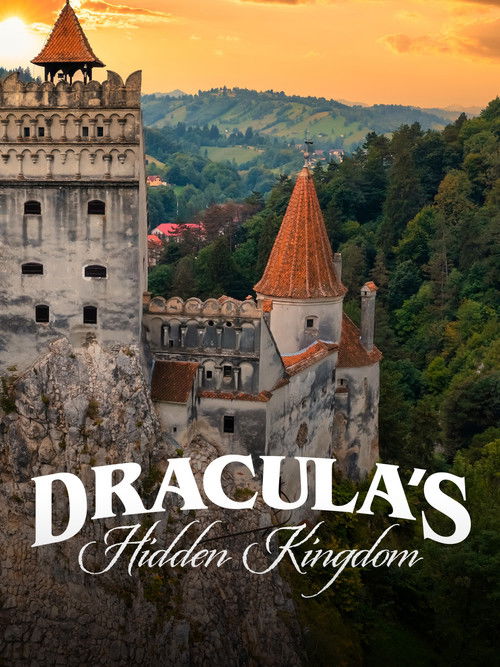
Wild Transylvania – Dracula's Hidden Kingdom
as Narrator · 2026 · Not rated yet
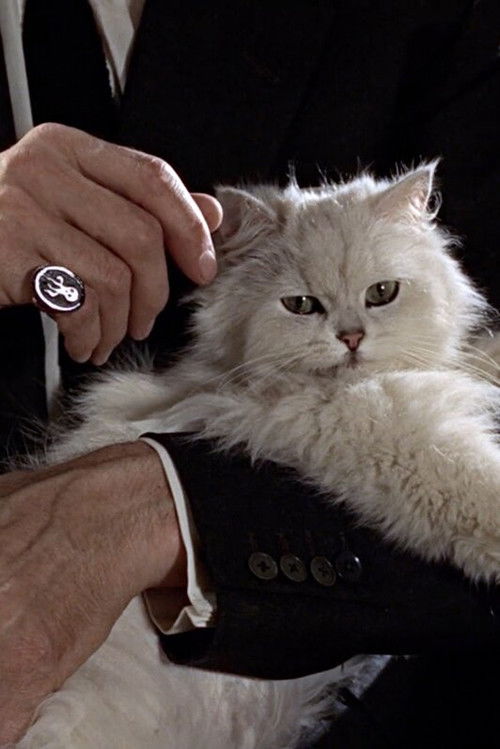
Last Movies
as Self - Narrator · 2026 · Not rated yet
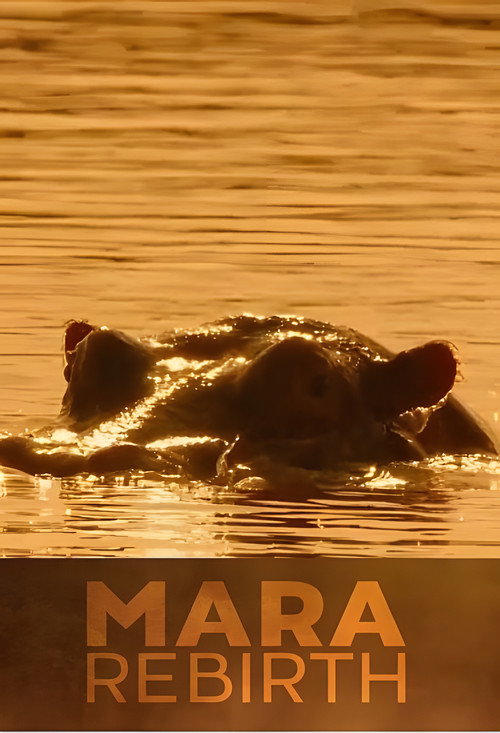
Mara: Rebirth
Actor · 2025 · Not rated yet
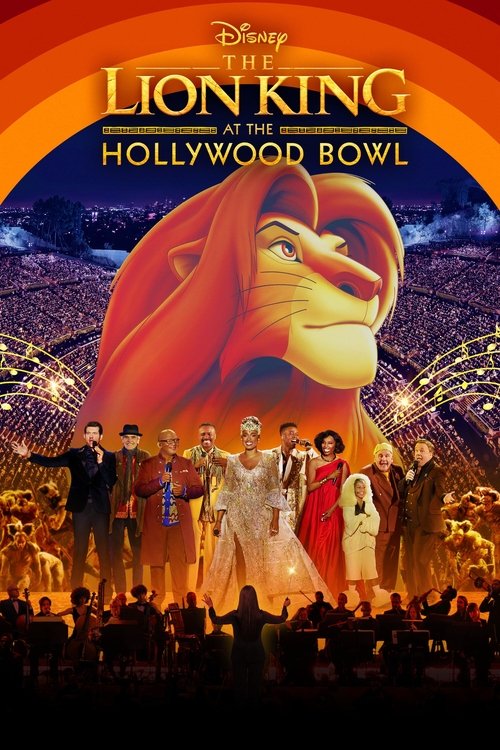
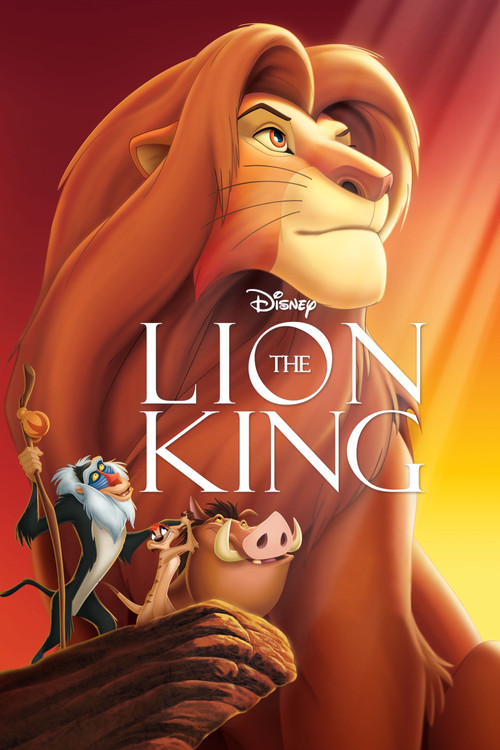
The Lion King at the Hollywood Bowl
as Self · 2025 · Not rated yet
Community
Jeremy Irons discussion
Community
Jeremy Irons forum
Discuss Jeremy Irons. By default, replies in a topic go to the original poster; use a message’s Reply button to reply to someone specific.
Sign in to post in the forum.
No forum topics yet. Start the conversation.




















Most liked
Top comments