Loading the marquee…
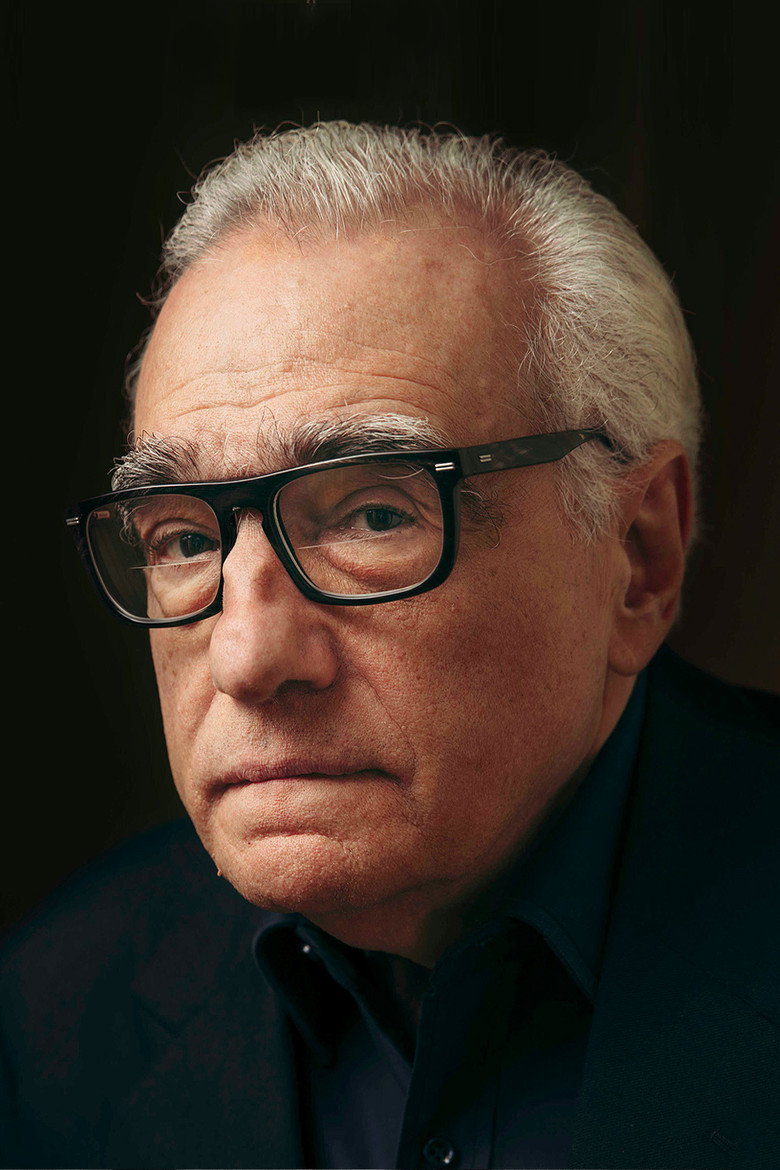
Directing
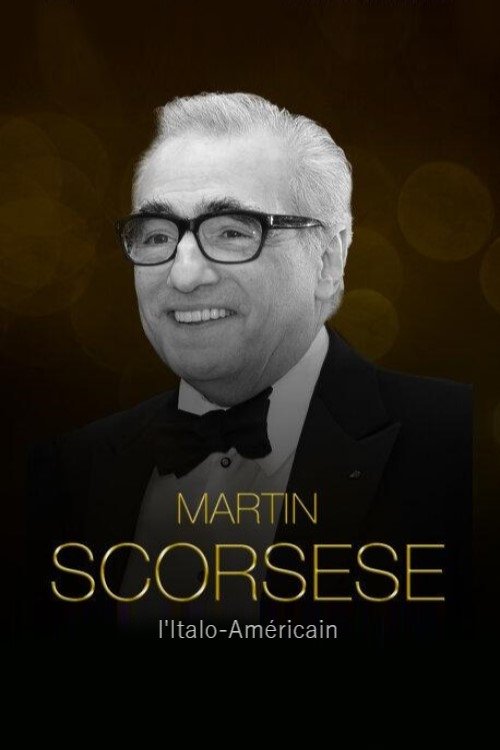
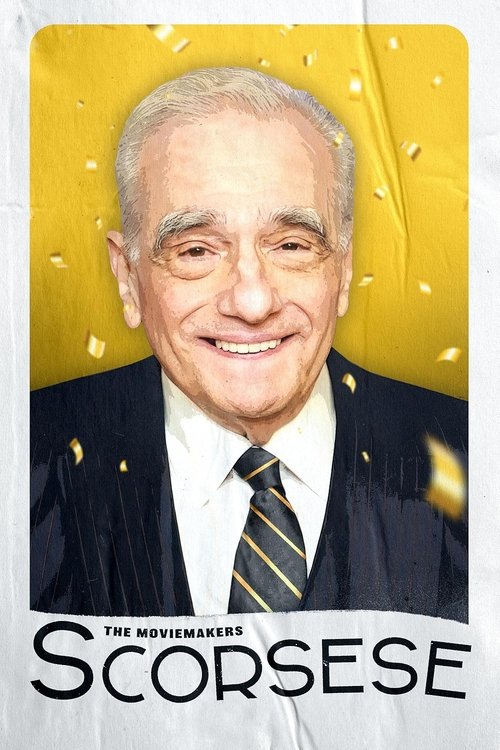
Martin Scorsese
- Born
- Unknown
Awards
- Honorary Golden Bear2024 · Honorary Golden Bear
- Princess of Asturias Award for the Arts2018 · Princess of Asturias Award for the Arts
- Praemium Imperiale2016 · Praemium Imperiale
- BAFTA Fellowship2012 · BAFTA Fellowship
- Golden Globe Award for Best Director2011 · Golden Globe Award for Best Director
- Primetime Emmy Award for Outstanding Directing for a Drama Series2011 · 63rd Primetime Emmy Awards
Biography
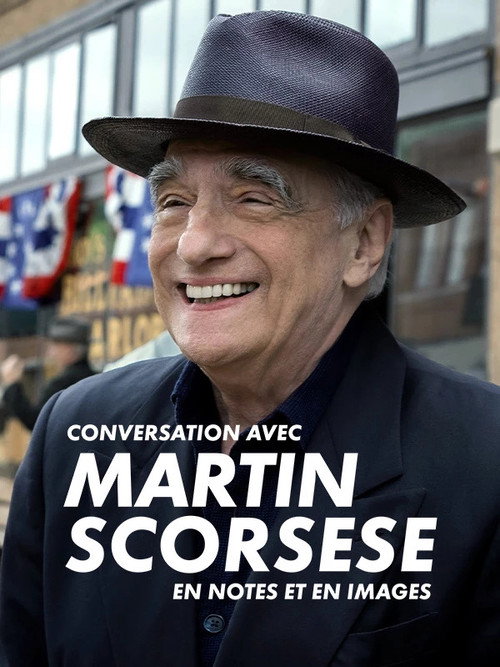
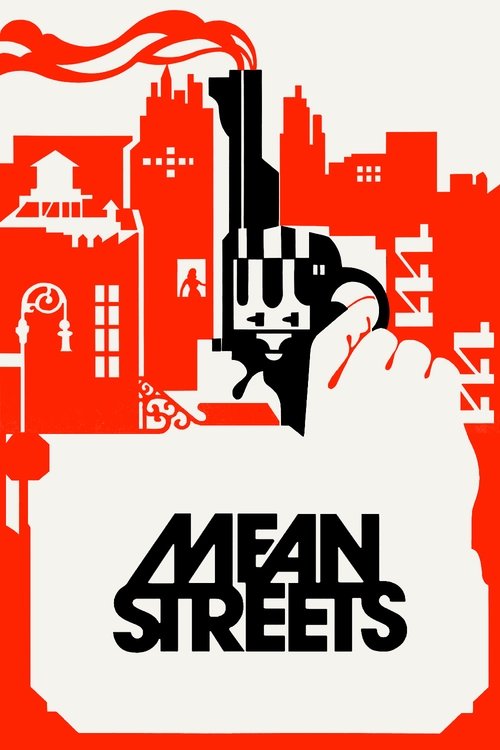
Martin Scorsese is an American film director, producer, screenwriter, preservation advocate, and occasional actor whose career has helped define modern cinema. Born in New York City and educated at New York University, he emerged from the New Hollywood generation with a style rooted in personal memory, Catholic imagery, restless camera movement, popular music, documentary curiosity, and a fascination with violence, guilt, faith, ambition, and the codes of American masculinity. His early features, including Who's That Knocking at My Door and Boxcar Bertha, led to Mean Streets, the 1973 breakthrough that began his long creative association with Robert De Niro and established many of the urban, musical, and moral textures that would recur throughout his work.
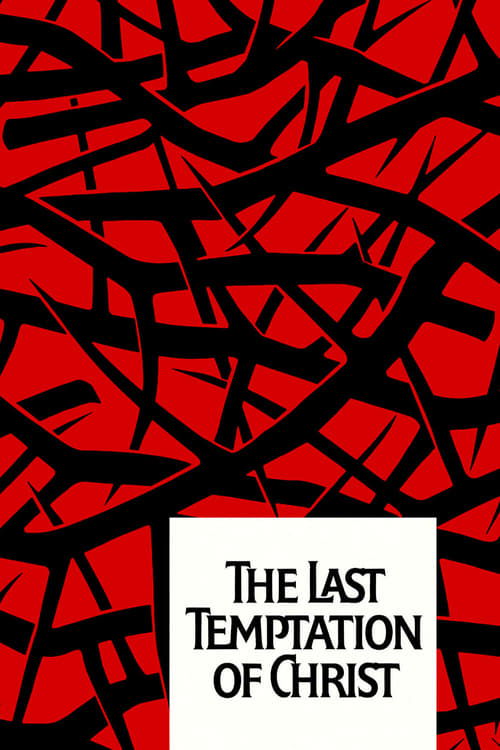
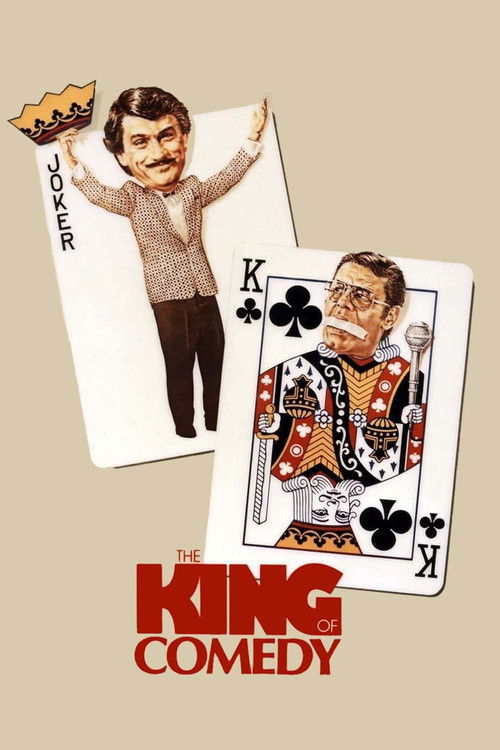
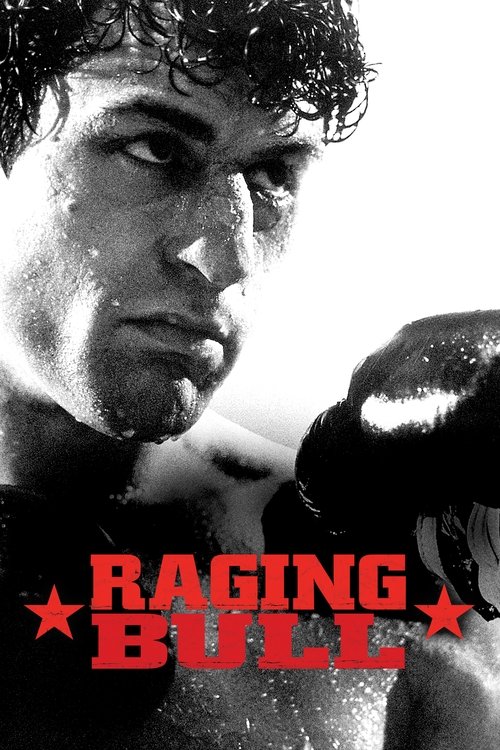
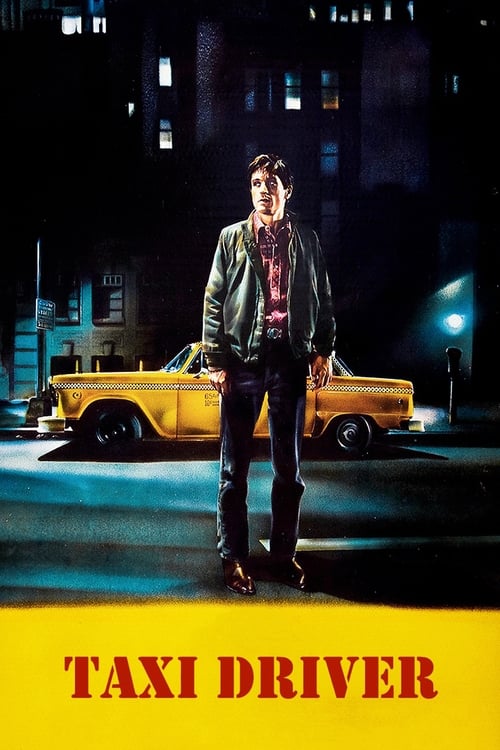
Scorsese's reputation expanded rapidly in the 1970s and 1980s. Alice Doesn't Live Here Anymore showed his range beyond crime drama, while Taxi Driver became one of the defining American films of the decade, with its portrait of alienation, paranoia, and urban decay. Raging Bull, shot in stark black and white, turned the life of boxer Jake LaMotta into an intense study of self-destruction and performance, and is widely regarded as one of the greatest films ever made. He continued to move between personal and commercial projects, directing The King of Comedy, After Hours, The Color of Money, and the controversial religious drama The Last Temptation of Christ.
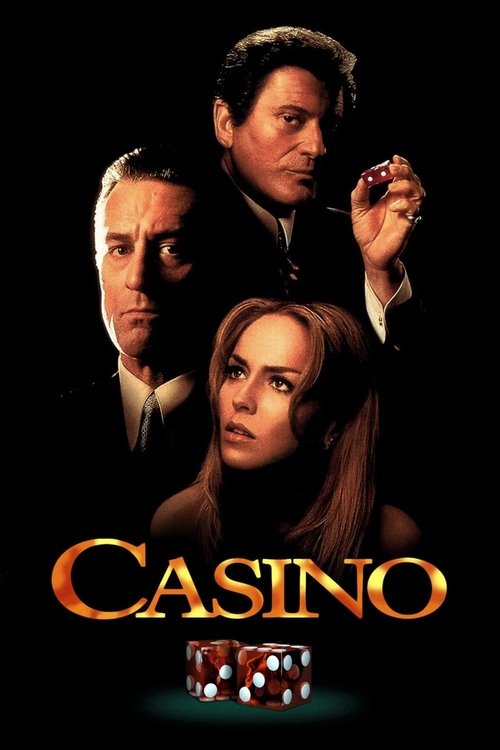
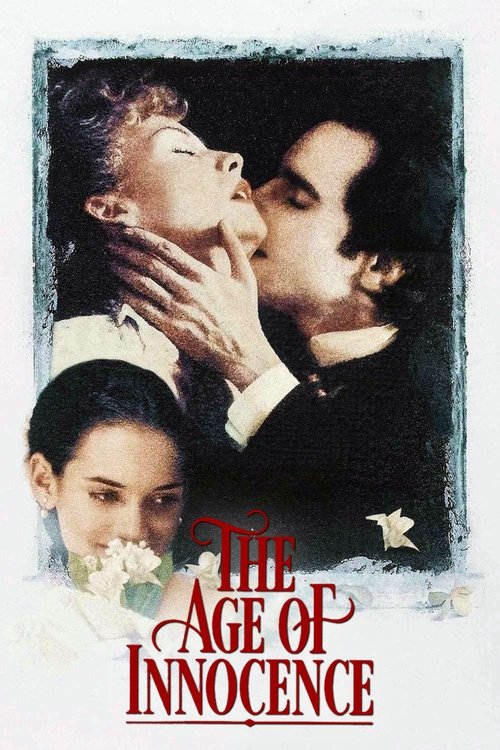
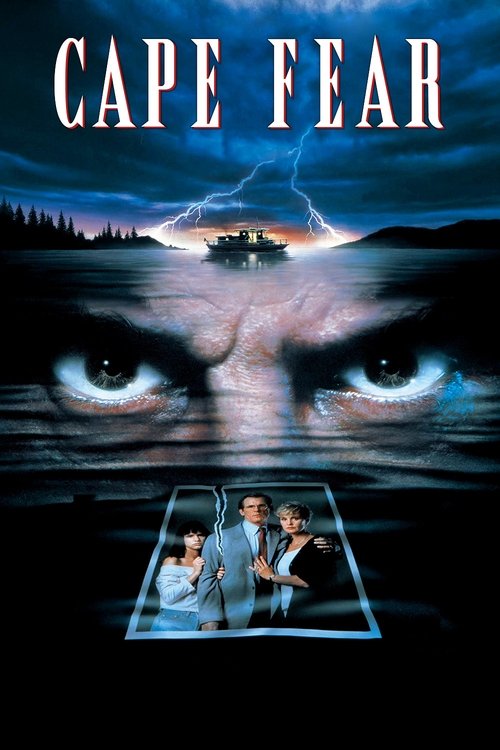
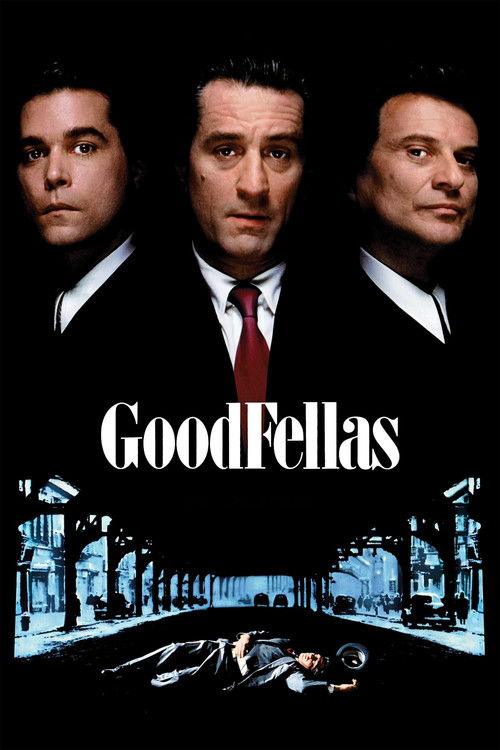
In the 1990s Scorsese made several of his most influential films. GoodFellas, adapted from Nicholas Pileggi's nonfiction book Wiseguy, brought a propulsive, darkly comic energy to the gangster film and became a model for later crime storytelling. Cape Fear was a muscular studio thriller, Casino revisited organized crime through the rise and fall of Las Vegas operators, and The Age of Innocence revealed his command of emotional repression and social codes in a very different period setting. Kundun and other projects demonstrated his continuing interest in spirituality, exile, and historical memory.
Filmography
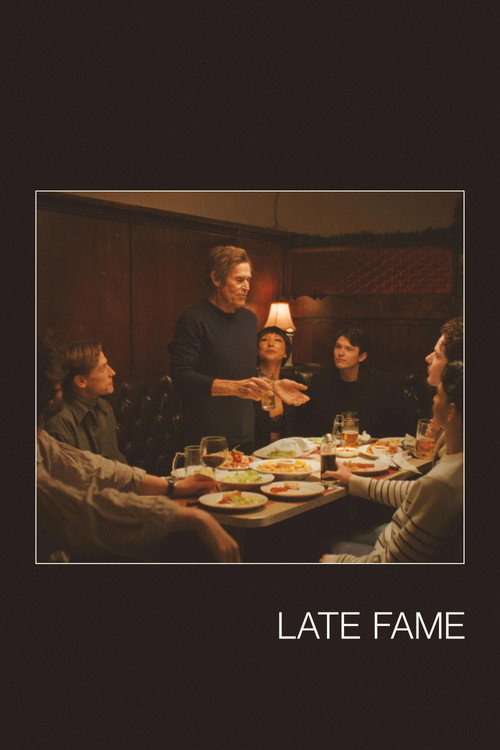
Late Fame
Executive Producer · 2026 · Not rated yet
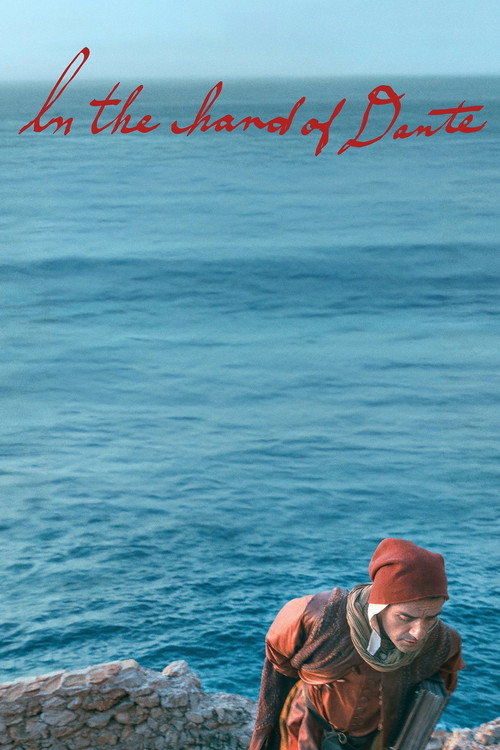
In the Hand of Dante
as Isaiah · 2026 · Not rated yet
In the Hand of Dante
Executive Producer · 2026 · Not rated yet
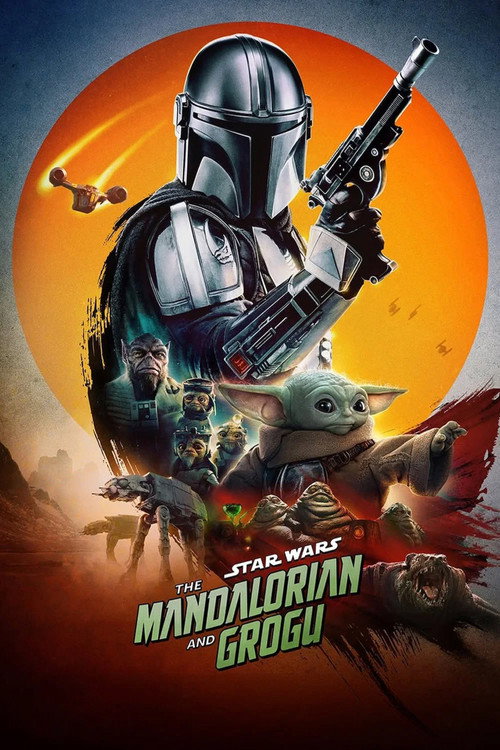
The Mandalorian and Grogu
as Hugo Durant (voice) · 2026 · Not rated yet

Aldeas, the Final Dream of Pope Francis
as Self · 2026 · Not rated yet
Aldeas, the Final Dream of Pope Francis
Producer · 2026 · Not rated yet
Aldeas, the Final Dream of Pope Francis
Director · 2026 · Not rated yet
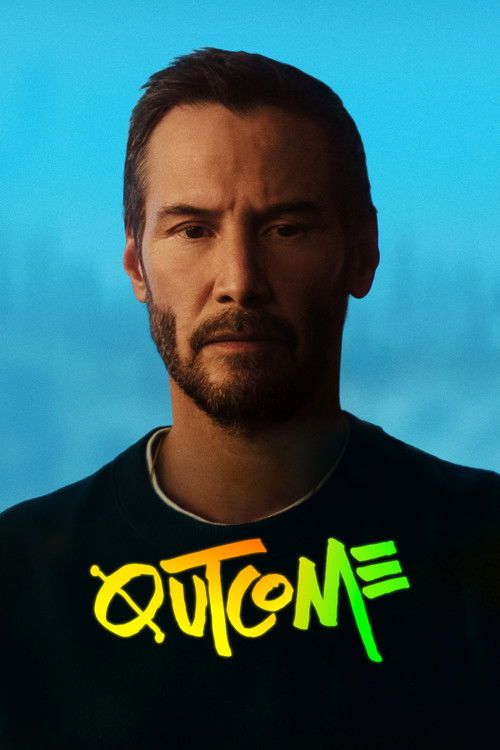
Outcome
as Richie 'Red' Rodriguez · 2026 · Not rated yet
Community
Martin Scorsese discussion
Community
Martin Scorsese forum
Discuss Martin Scorsese. By default, replies in a topic go to the original poster; use a message’s Reply button to reply to someone specific.
Sign in to post in the forum.
No forum topics yet. Start the conversation.








Most liked
Top comments