Acting
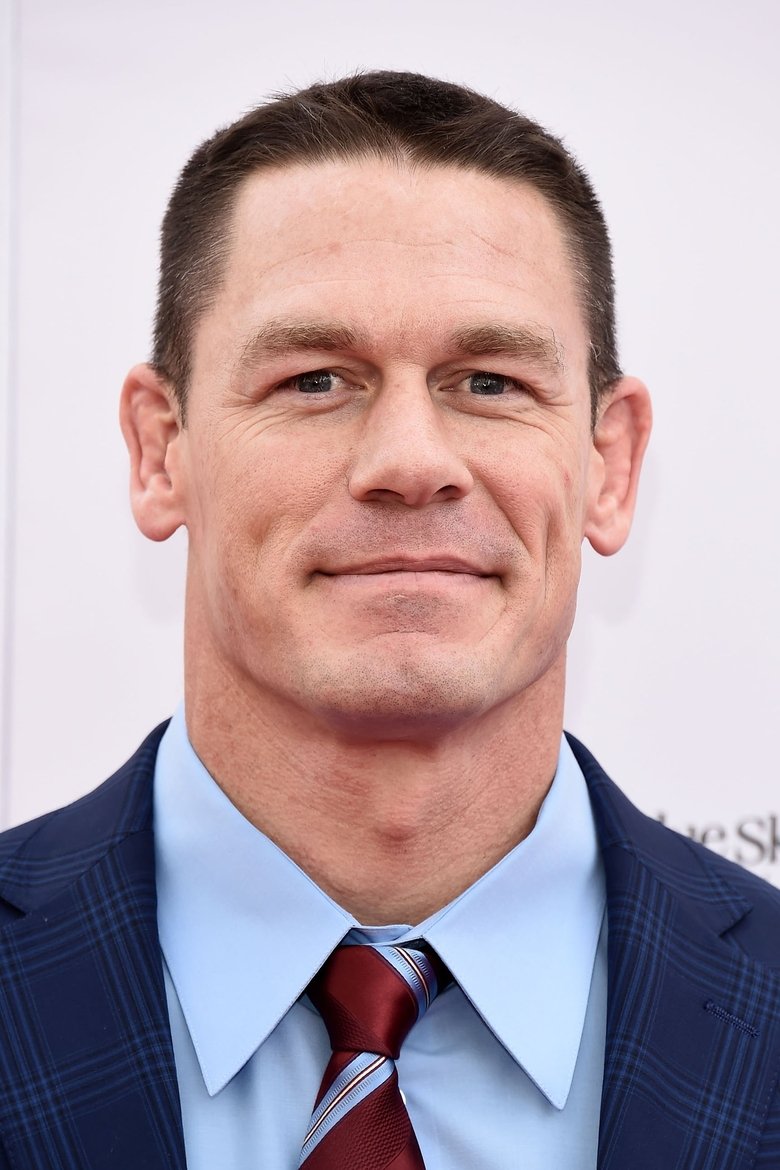
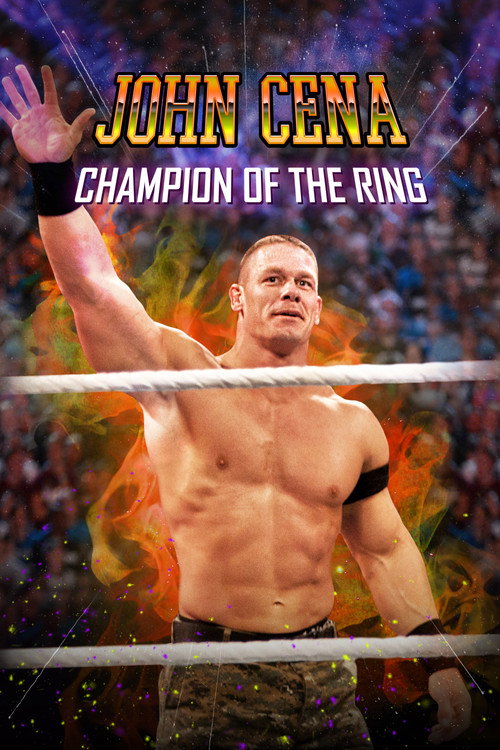
John Felix Anthony Cena is an American actor, retired professional wrestler, author and former rapper whose career made him one of the defining WWE performers of the 21st century before he became a regular presence in film and television. Born on April 23, 1977, in West Newbury, Massachusetts, Cena attended Springfield College, where he played football and studied exercise physiology. His early public identity was built around strength, athleticism and crowd connection, but his later career has depended just as much on comic timing, self-parody and an unusually durable mainstream persona.
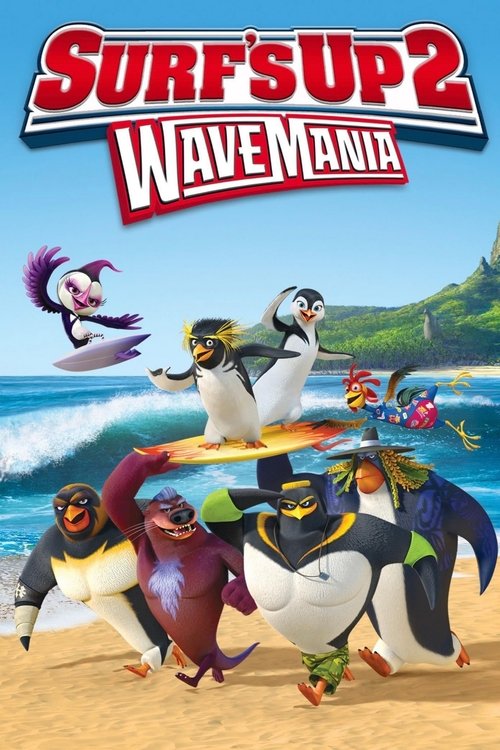
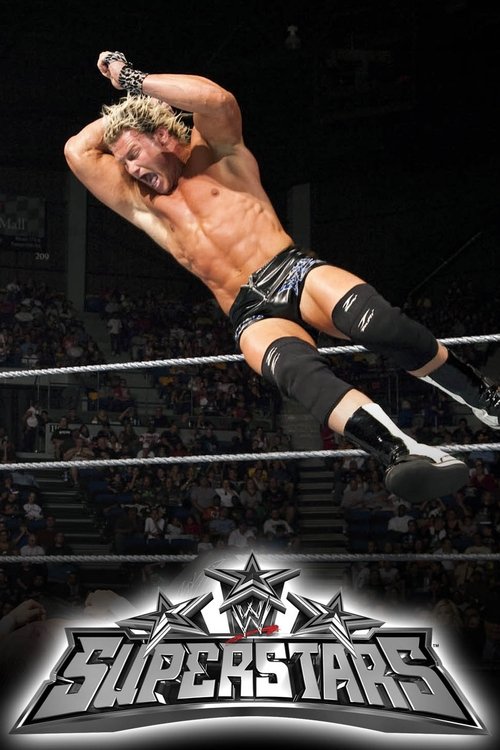
Cena entered professional wrestling in 1999 and signed with WWE’s developmental system in the early 2000s. After arriving on WWE television, he first drew attention with the aggressive “ruthless aggression” presentation and then with the freestyle-rapping “Doctor of Thuganomics” character. By defeating JBL at WrestleMania 21, he became WWE Champion and moved into the company’s top tier. For much of the mid-2000s through the mid-2010s, Cena was promoted as WWE’s leading heroic figure, associated with the slogan “Hustle, Loyalty, Respect” and with a bright, child-friendly presentation that made him central to the company’s live events, merchandise and television identity.
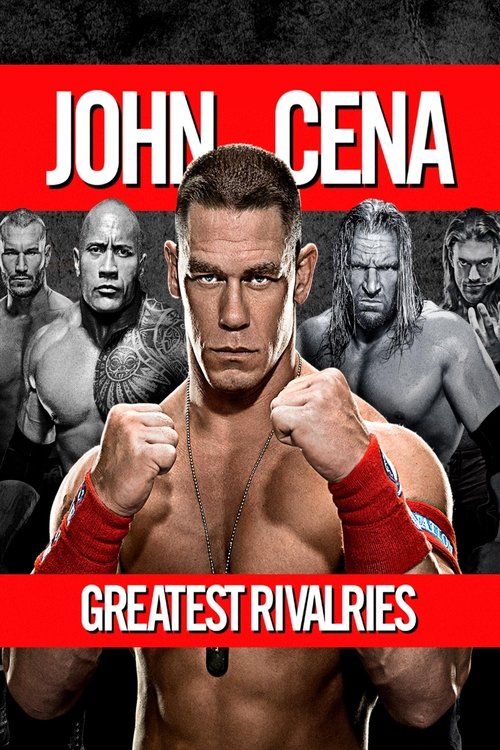
His wrestling résumé includes a record-setting number of world championship reigns, major WrestleMania matches and rivalries with performers including Randy Orton, Edge, The Rock, CM Punk, Batista, Brock Lesnar and Roman Reigns. Cena’s long tenure also made him a polarizing crowd figure: children and casual fans often embraced him, while many older wrestling fans pushed back against his dominance. That mixed reaction became part of his aura. Even when audiences split loudly between cheers and boos, Cena remained one of WWE’s most reliable big-match performers and promotional ambassadors.

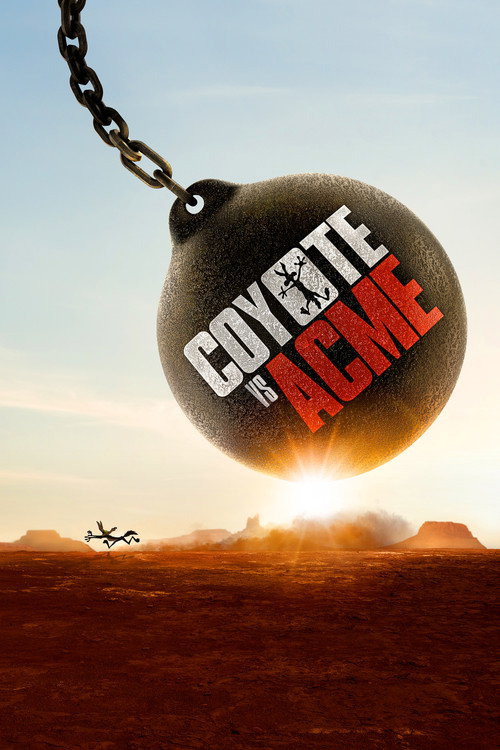
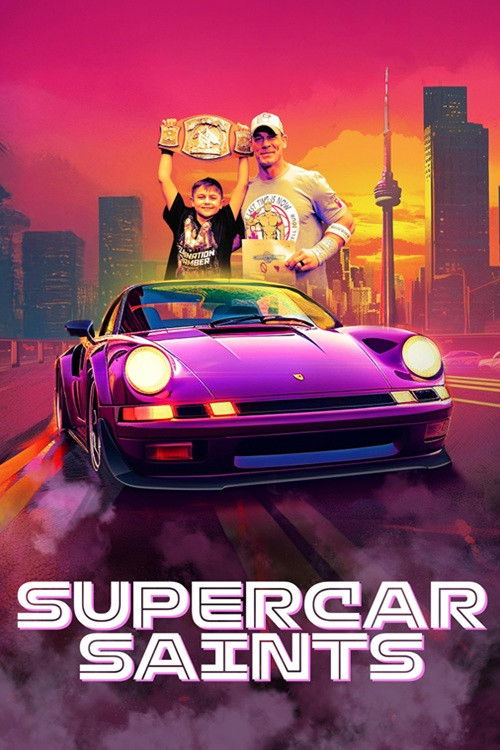
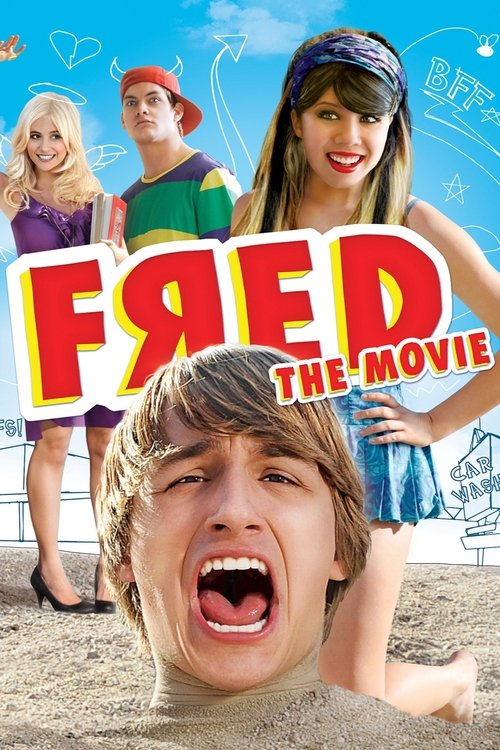
as Sean · 2026 · Not rated yet

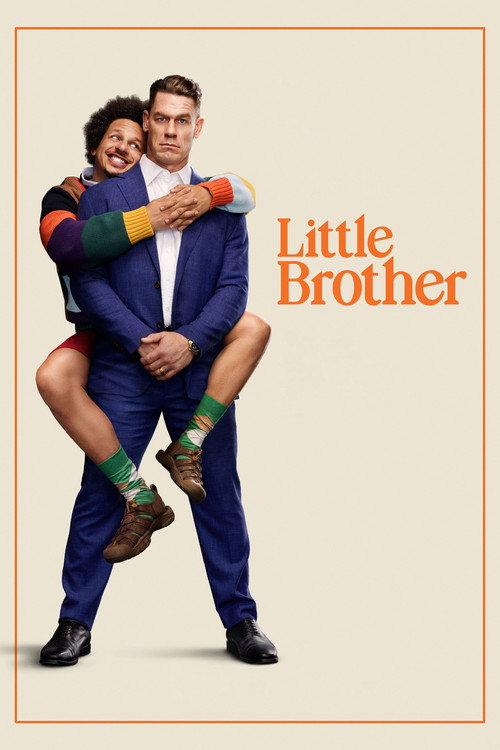
as Buddy Crane · 2026 · Not rated yet

as Rudd Landy · 2026 · Not rated yet

as John Cena · 2025 · Not rated yet

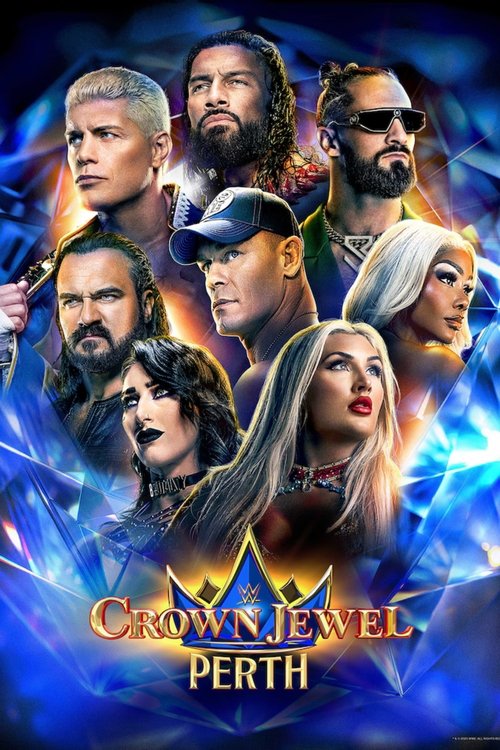
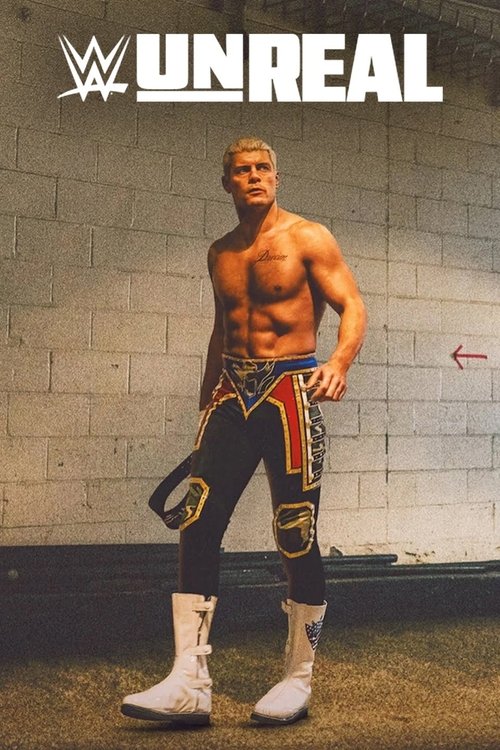
as Self · 2025 · Not rated yet

Actor · 2025 · Not rated yet

as Will Derringer · 2025 · Not rated yet

Executive Producer · 2025 · Not rated yet
Community
Community
Discuss John Cena. By default, replies in a topic go to the original poster; use a message’s Reply button to reply to someone specific.
Sign in to post in the forum.
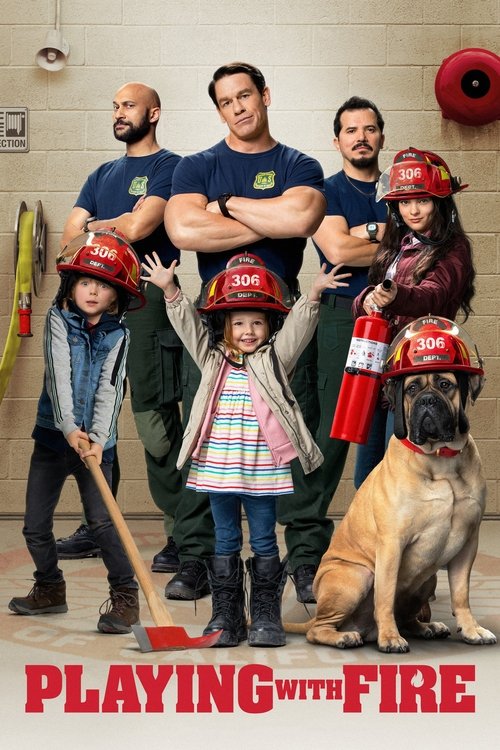
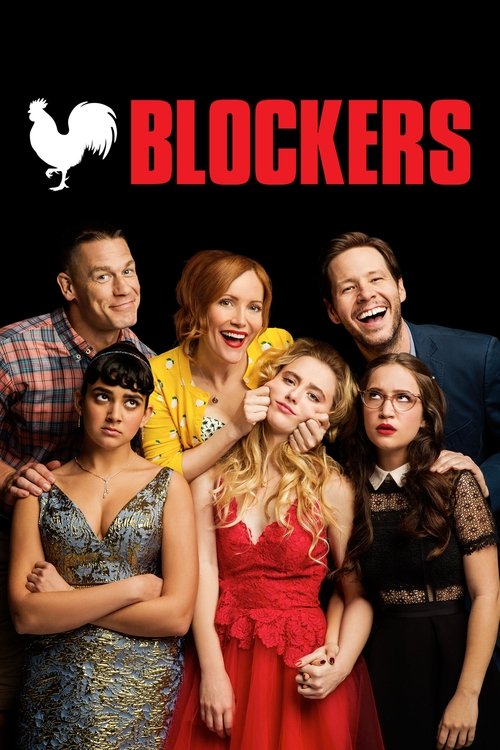
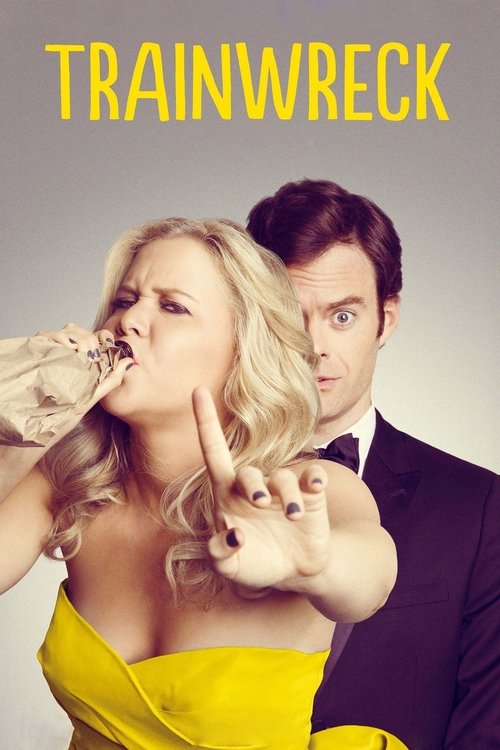
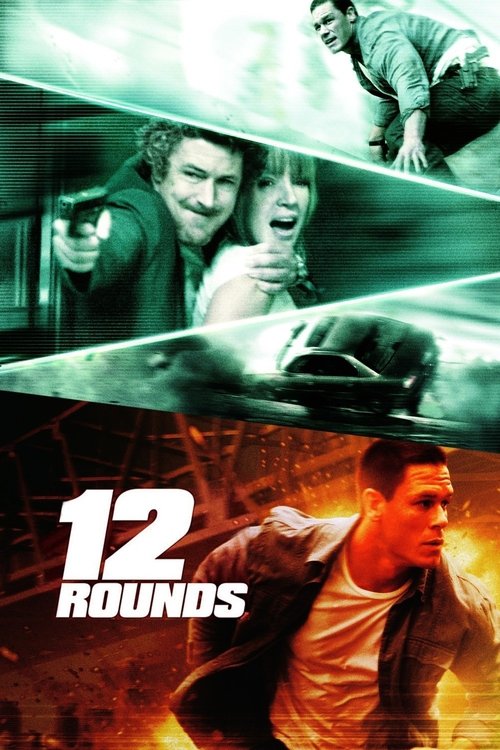
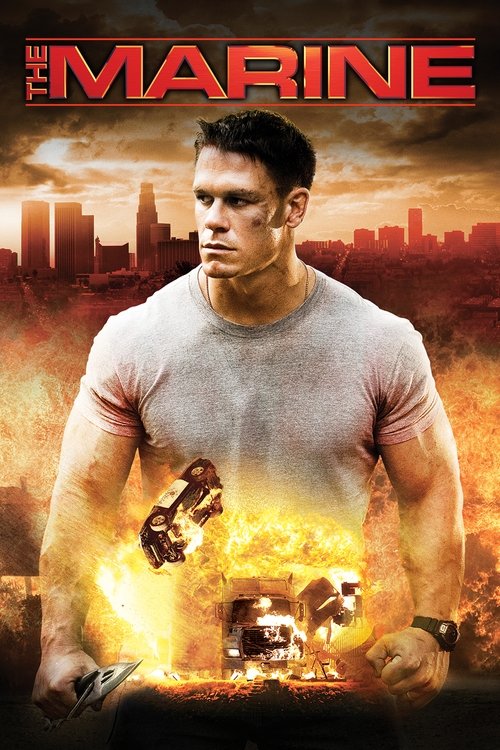
Cena began acting while still a full-time wrestler. His early starring vehicles included The Marine and 12 Rounds, action films that used his physical credibility. Over time, however, he developed a broader screen persona. Supporting and comic roles in Trainwreck, Sisters, Blockers and Playing with Fire showed his willingness to undercut his own tough-guy image. That comic flexibility helped him move beyond wrestler-turned-action-star expectations and into ensembles where timing and self-awareness mattered as much as size.
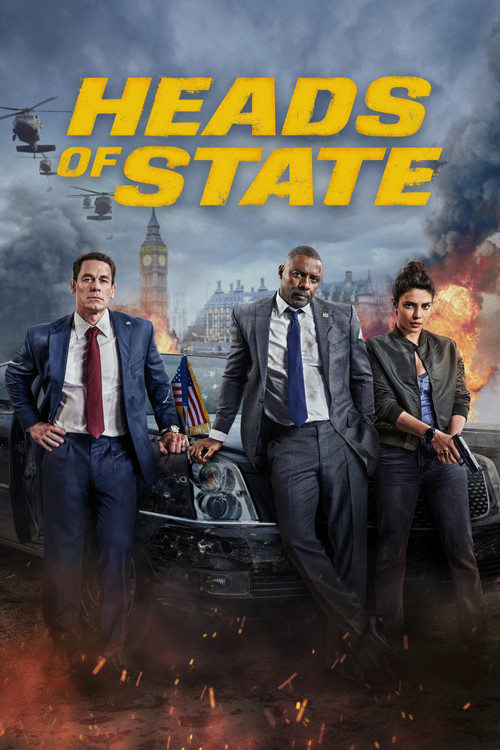
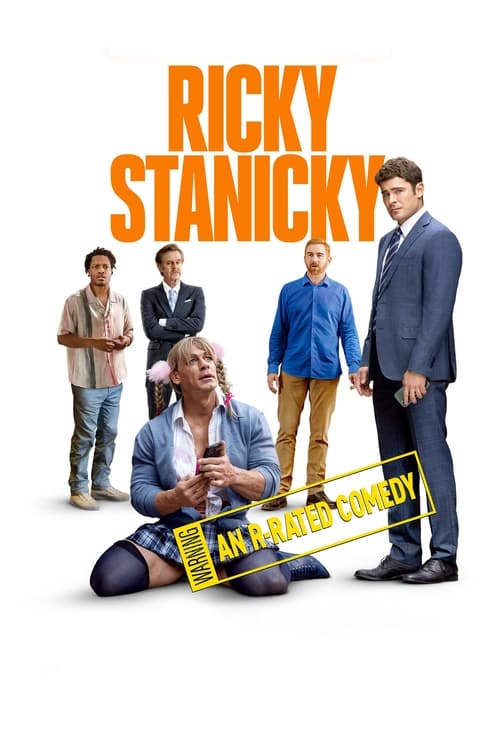
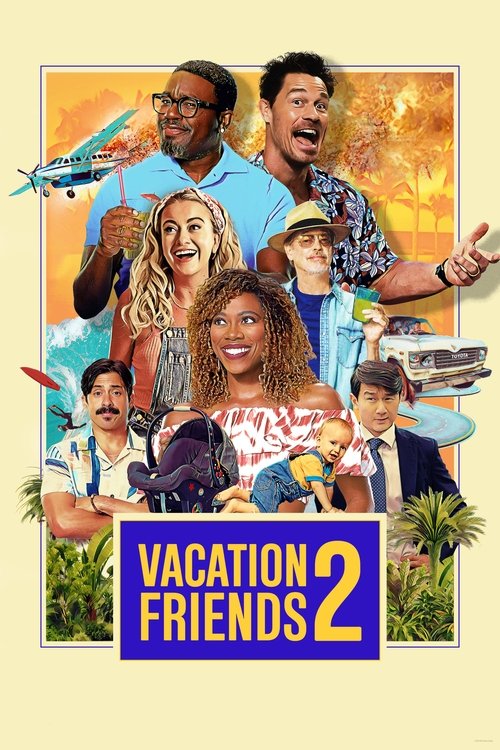
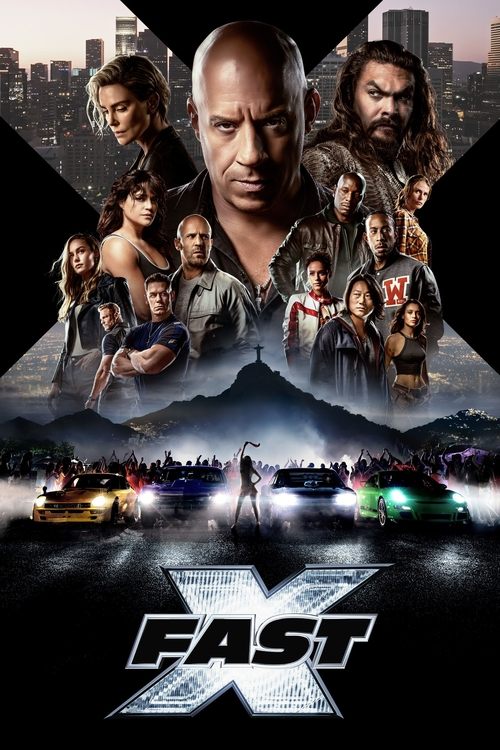
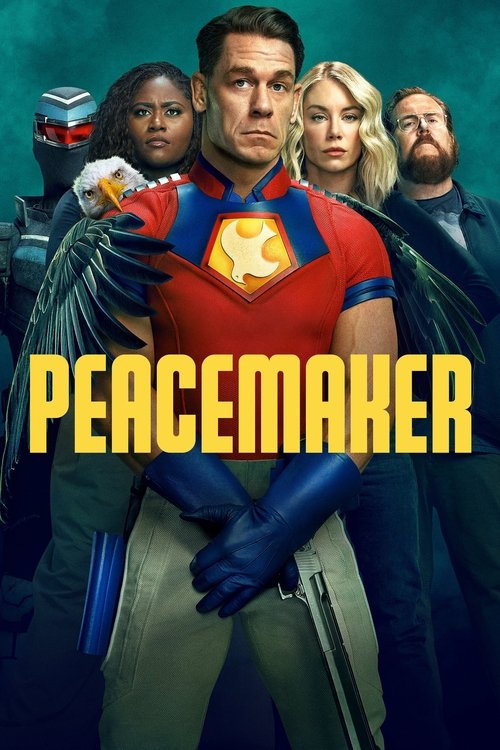
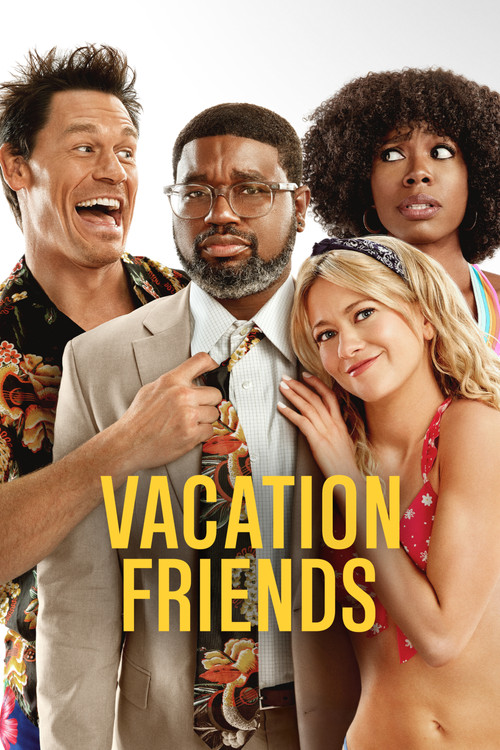
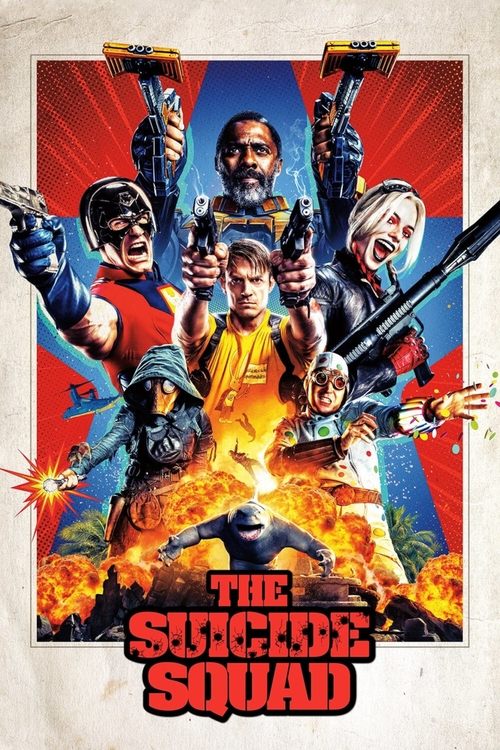
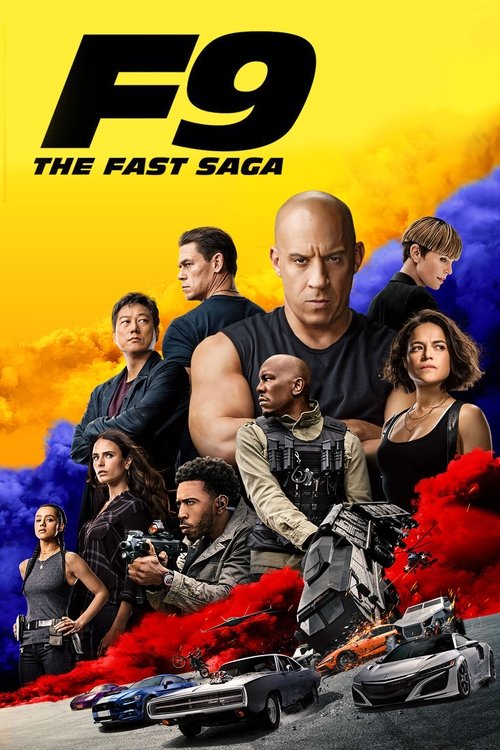
A major step in Cena’s acting career came with the role of Peacemaker, first in James Gunn’s The Suicide Squad and then in the HBO Max series Peacemaker. The character combined absurd bravado, violence, insecurity and unexpected vulnerability, making strong use of Cena’s ability to play a person who is both ridiculous and emotionally wounded. He also appeared in franchise and genre projects including Bumblebee, F9, Fast X, Vacation Friends, Ricky Stanicky, Freelance and Heads of State.
Outside performance, Cena has been widely recognized for charitable work, especially with Make-A-Wish, where he became known as one of the organization’s most requested and prolific wish granters. He has also published children’s books and remained linked to WWE as an ambassador even as his acting career expanded. His public persona is therefore built from several overlapping identities: record-setting wrestler, family-friendly celebrity, comic actor, action performer and philanthropic figure.
Cena’s importance lies in how successfully he bridged eras and industries. In wrestling, he carried WWE through a period when the company moved from the Attitude Era’s edgier style into a more corporate, global entertainment model. In acting, he has gradually reshaped himself from a muscular lead into a versatile comic and action presence. Few performers have been as closely associated with one entertainment brand while also building a second career with such recognizable momentum.
Cena’s wrestling style was never built around mystery. It was direct, broad and designed for arenas: explosive comebacks, signature gestures, call-and-response catchphrases and a moral code that children could understand instantly. Critics sometimes argued that his character was too protected or too repetitive, but that simplicity was also the source of his commercial strength. WWE could send Cena into talk shows, charity appearances, international tours and main events with equal confidence. He became less a character in one storyline than an institutional symbol of the company’s PG-era identity.
His transition to Hollywood was gradual because, for years, wrestling remained his primary job. Early WWE Studios films treated him mainly as an action body, but his later roles revealed a more interesting performer. In Trainwreck and Blockers, Cena leaned into embarrassment and absurdity. In Peacemaker, he carried a series by allowing the character’s swagger to collapse into loneliness and confusion. That willingness to look foolish separated him from many athletes who enter acting by protecting their image too carefully. It also let directors use the contradiction between his imposing build and his comic vulnerability.

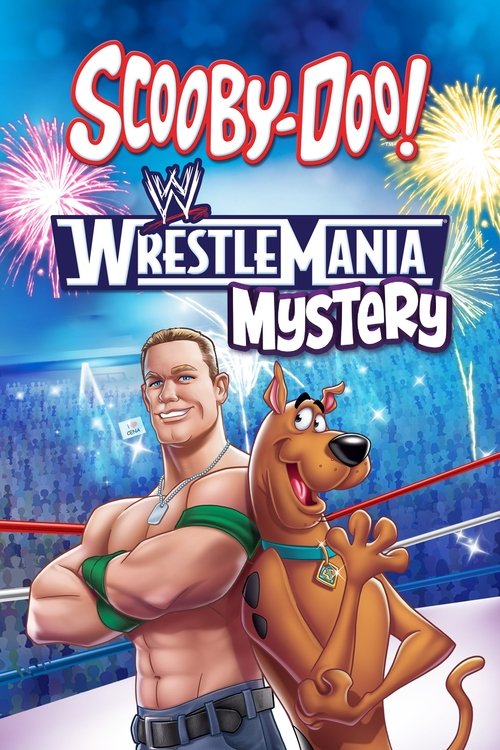
Cena’s public life has also been unusually connected to service branding. His Make-A-Wish work is not a minor footnote but one of the central elements of how many fans understand him. The same qualities that made him useful to WWE—reliability, repetition, approachability and a clear heroic image—also made him valuable to children and families meeting him outside the ring. That charitable record has softened the harsher edges of wrestling celebrity and helped sustain his reputation through changing fan tastes.
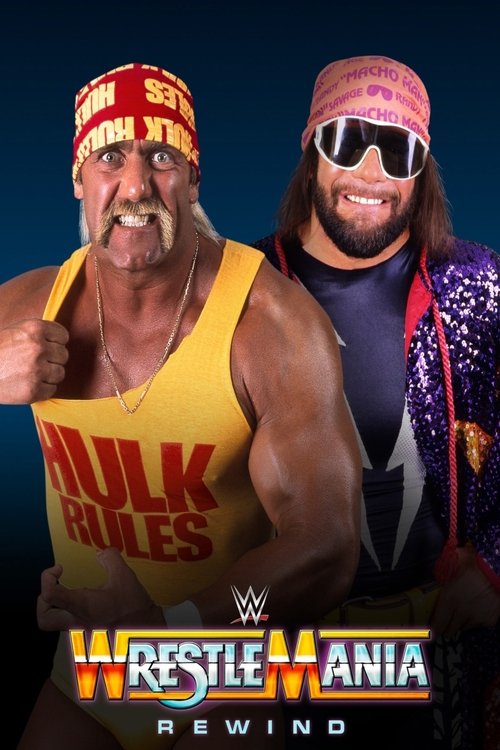
By the time he stepped away from full-time wrestling, Cena had become a bridge figure. He followed Hulk Hogan, Steve Austin and The Rock as a wrestler who could enter wider entertainment, but he did so with a more self-mocking and ensemble-friendly style. His legacy is therefore double: he is one of WWE’s last long-term, full-time franchise champions, and he is also one of the clearest examples of a modern wrestler learning to become a flexible screen actor rather than simply exporting a ring persona unchanged.
References:
[1] Wikipedia, “John Cena” — https://en.wikipedia.org/wiki/John_Cena
[2] WWE, “John Cena” — https://www.wwe.com/superstars/john-cena
[3] The Movie Database, “John Cena” — https://www.themoviedb.org/person/56446-john-cena
[4] IMDb, “John Cena” — https://www.imdb.com/name/nm1078479/
[5] Make-A-Wish America, “John Cena” — https://wish.org/search?search=John%20Cena
[6] DC, “Peacemaker” — https://www.dc.com/characters/peacemaker
[7] HBO Max, “Peacemaker” — https://www.max.com/shows/peacemaker
[8] Universal Pictures, “Fast X” — https://www.universalpictures.com/movies/fast-x
[9] Paramount Pictures, “Bumblebee” — https://www.paramountmovies.com/movies/bumblebee
[10] Rotten Tomatoes, “John Cena” — https://www.rottentomatoes.com/celebrity/john_cena

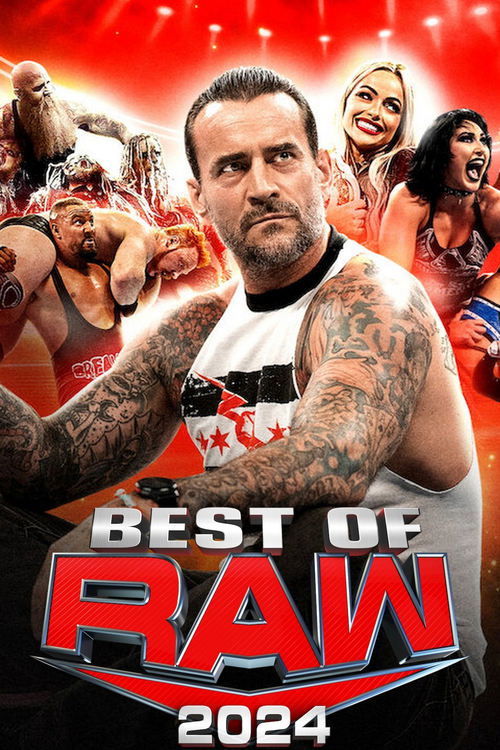
as Self · 2025 · Not rated yet
Most liked
Top comments