Loading the marquee…
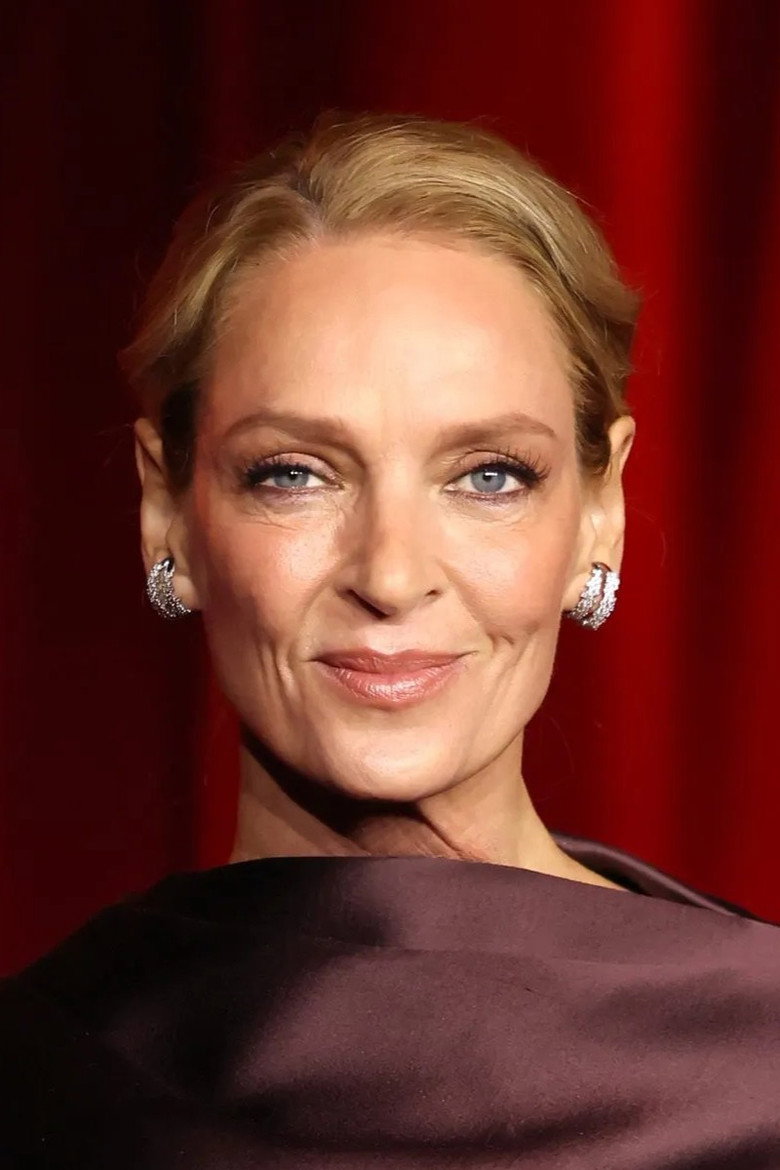
Acting
Uma Thurman
- Born
- Unknown
Awards
- MTV Movie Award for Best Fight2005 · MTV Movie Award for Best Fight
- International Cinephile Society Award for Best Actress2004 · 1st International Cinephile Society Awards
- MTV Movie Award for Best Female Performance2004 · MTV Movie Award for Best Female Performance
- MTV Movie Award for Best Fight2004 · MTV Movie Award for Best Fight
- Golden Globe Award for Best Actress – Miniseries or Television Film2003 · 60th Golden Globe Awards
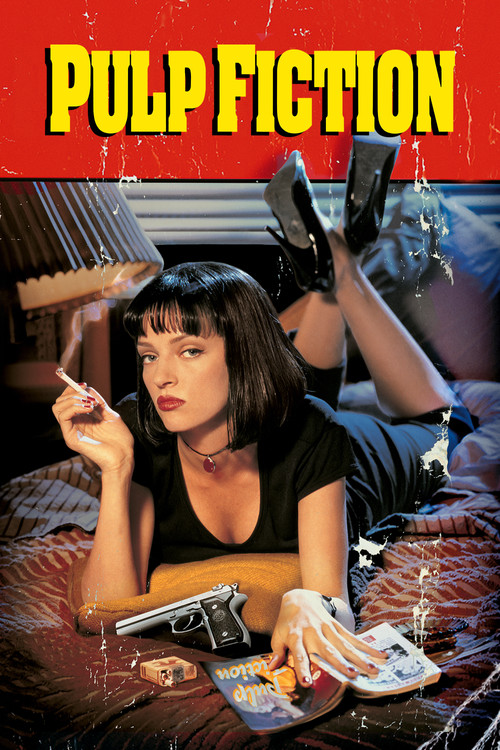
- MTV Movie Award for Best Dance Sequence1995 · MTV Movie Award for Best Dance Sequence · Pulp Fiction
Biography
Uma Thurman is an American actress whose career has moved between fashion, independent drama, studio genre films, television, and stage work. Born Uma Karuna Thurman in Boston, Massachusetts, on April 29, 1970, she grew up in a family closely connected to scholarship, Buddhism, and the arts: her father, Robert Thurman, became a prominent scholar of Indo-Tibetan Buddhism, and her mother, Nena von Schlebrügge, had worked as a model. Thurman entered public life as a teenage model, including early appearances connected with British Vogue, before moving decisively into screen acting in the late 1980s.
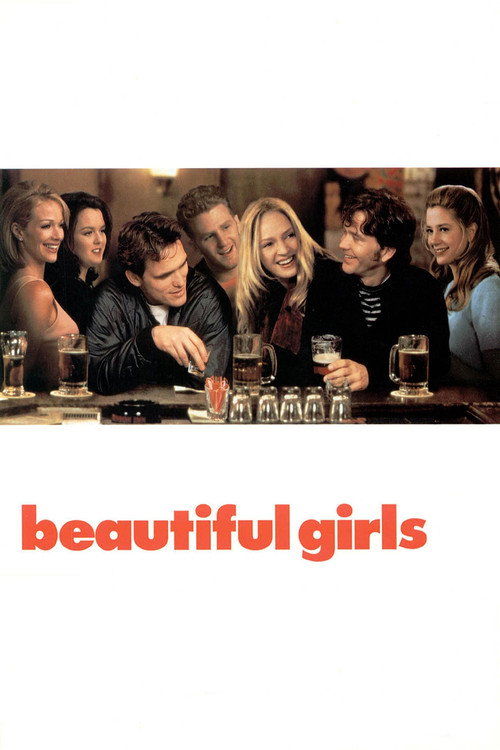
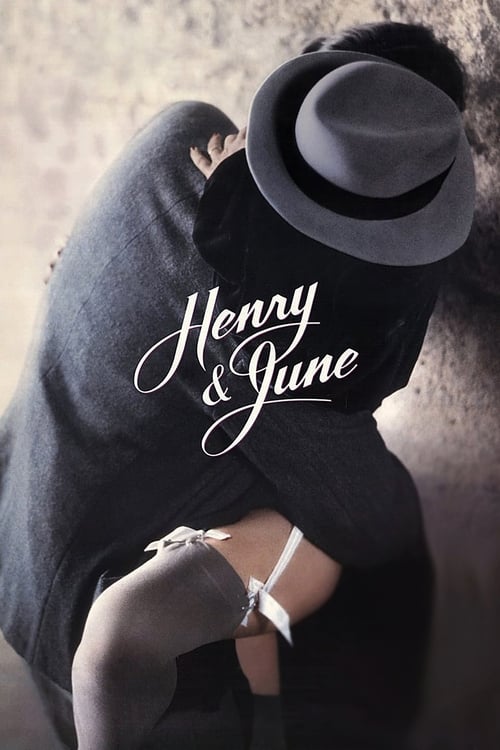
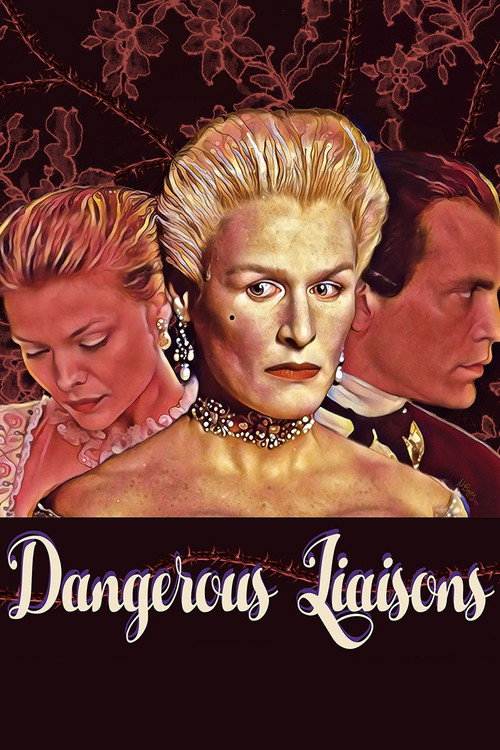
Her first major period of recognition came quickly. In 1988 she appeared in Terry Gilliam's The Adventures of Baron Munchausen and in Stephen Frears's Dangerous Liaisons, the latter giving her a visible role opposite Glenn Close, John Malkovich, and Michelle Pfeiffer. In 1990 she played June Miller in Philip Kaufman's Henry & June, a performance that helped establish her as an actor willing to take on demanding literary and adult drama. During the early 1990s she continued to build a varied résumé with films such as Final Analysis, Jennifer 8, Mad Dog and Glory, Even Cowgirls Get the Blues, and Beautiful Girls.
Thurman's defining international breakthrough came with Quentin Tarantino's Pulp Fiction in 1994. As Mia Wallace, she became central to one of the decade's landmark films, balancing cool detachment, comedy, danger, and vulnerability in a role that became one of modern American cinema's most recognizable performances. The part earned her major awards attention, including an Academy Award nomination for supporting actress, and began the creative association with Tarantino that would shape another major phase of her career.
Filmography
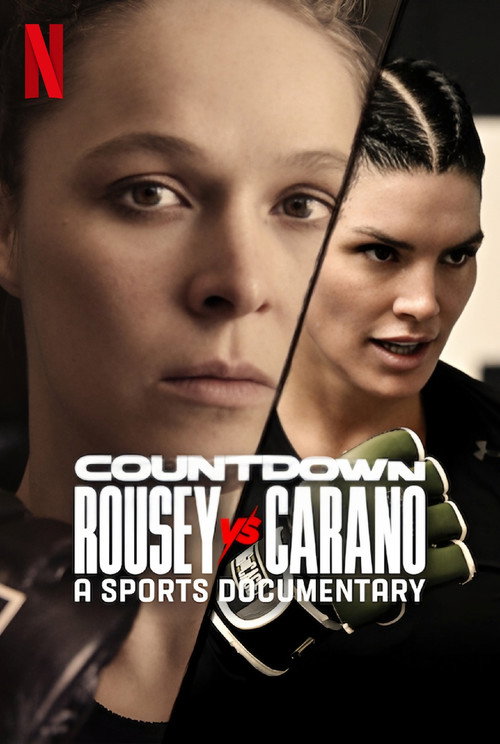
Countdown: Rousey vs. Carano
as Narrator (voice) · 2026 · Not rated yet

Bear Grylls is Running Wild
Actor · 2026 · Not rated yet
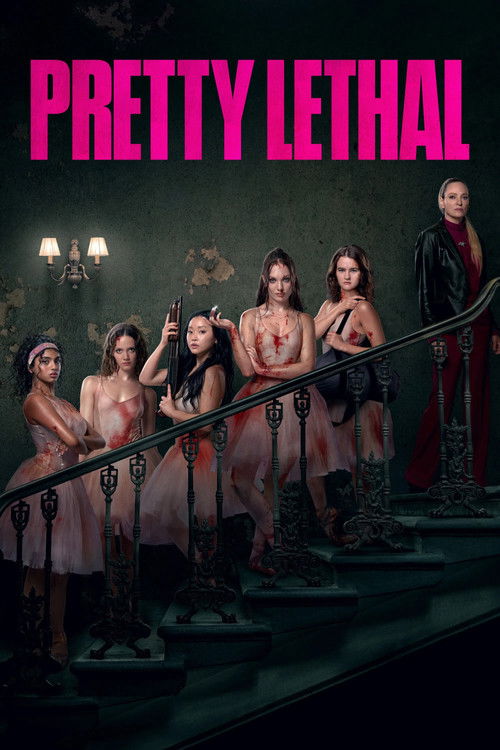
Pretty Lethal
as Devora Kasimer · 2026 · Not rated yet
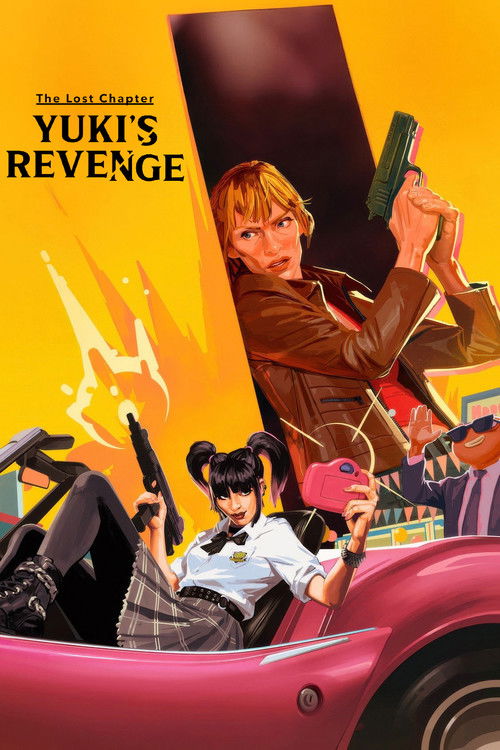
The Lost Chapter: Yuki's Revenge
as The Bride (voice) · 2025 · Not rated yet
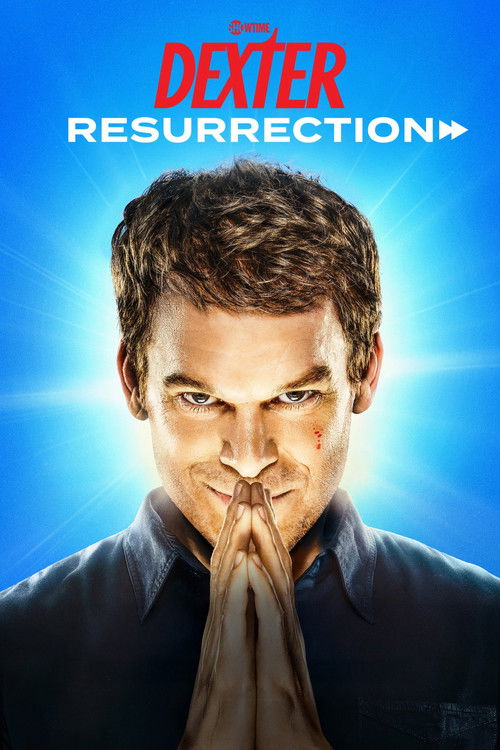
Dexter: Resurrection
Actor · 2025 · Not rated yet
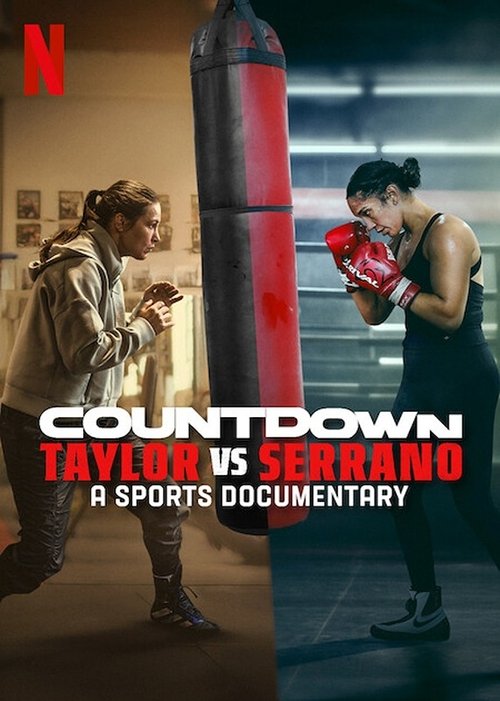
Countdown: Taylor vs. Serrano
as Narrator (voice) · 2025 · Not rated yet
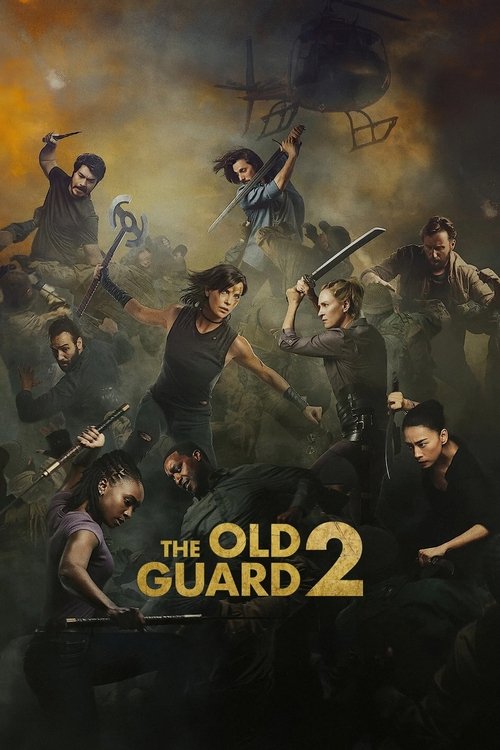
The Old Guard 2
as Discord · 2025 · Not rated yet
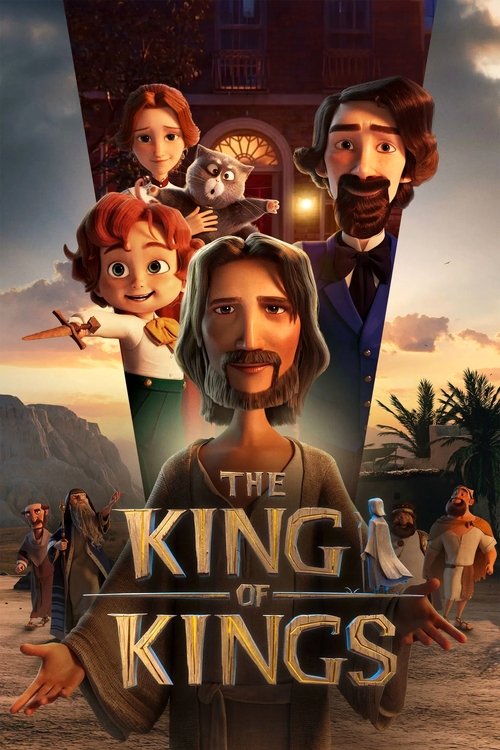
The King of Kings
as Catherine Dickens (voice) · 2025 · Not rated yet
Community
Uma Thurman discussion
Community
Uma Thurman forum
Discuss Uma Thurman. By default, replies in a topic go to the original poster; use a message’s Reply button to reply to someone specific.
Sign in to post in the forum.
No forum topics yet. Start the conversation.






Most liked
Top comments