Loading the marquee…
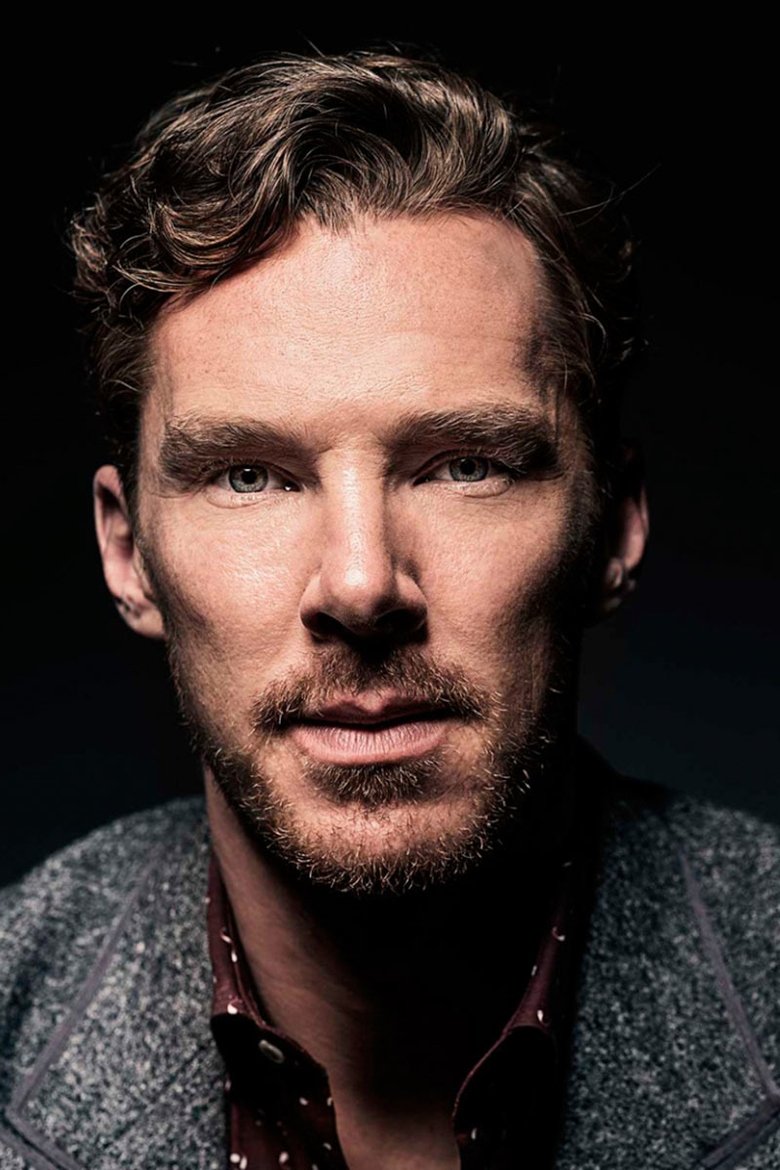
Acting
Benedict Cumberbatch
- Born
- Unknown
Awards
- Q1108495212022 · Q110849162
- British Academy Television Award for Best Actor2019 · 2019 British Academy Television Awards
- British Independent Film Awards2014 · British Independent Film Awards
- Primetime Emmy Award for Outstanding Lead Actor in a Miniseries or a Movie2014 · 66th Primetime Emmy Awards
- Critics' Choice Television Award2012 · Critics' Choice Television Award
- Laurence Olivier Award for Best Actor2012 · Laurence Olivier Award for Best Actor
Biography
Benedict Cumberbatch is an English actor whose career has moved between classical theatre, prestige television, independent film, studio franchises, voice work, and producing. Born Benedict Timothy Carlton Cumberbatch in Hammersmith, London, on 19 July 1976, he grew up in a performing family: his parents, Timothy Carlton and Wanda Ventham, were both actors. He was educated at Brambletye and Harrow, where school productions gave him early stage experience, and he later studied drama at the University of Manchester before completing classical-acting training at the London Academy of Music and Dramatic Art. That combination of formal training and family familiarity with the profession helped shape a performer known for technical control, verbal precision, and a willingness to move between heightened theatrical roles and contemporary screen naturalism.
Cumberbatch built his reputation first on stage and British television. He appeared in Shakespeare and other classical work, made a West End impact in Hedda Gabler, and became a major National Theatre presence with After the Dance and Danny Boyle's 2011 production of Frankenstein, in which he alternated the roles of Victor Frankenstein and the Creature with Jonny Lee Miller. That production earned major theatre recognition and became an important marker of his range: physically demanding, vocally complex, and anchored in the kind of transformation that would recur throughout his screen career. In 2015 he returned to a canonical stage part as Hamlet at the Barbican, a high-profile production that confirmed his status as one of the most visible British stage actors of his generation.
Filmography
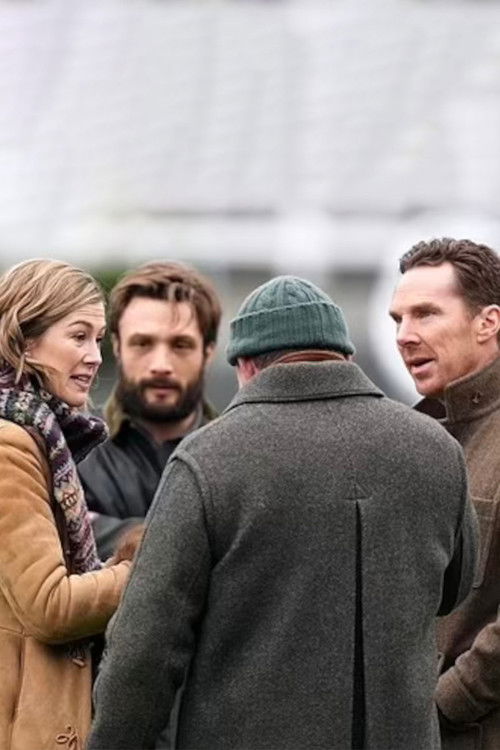
Wife & Dog
Actor · 2026 · Not rated yet
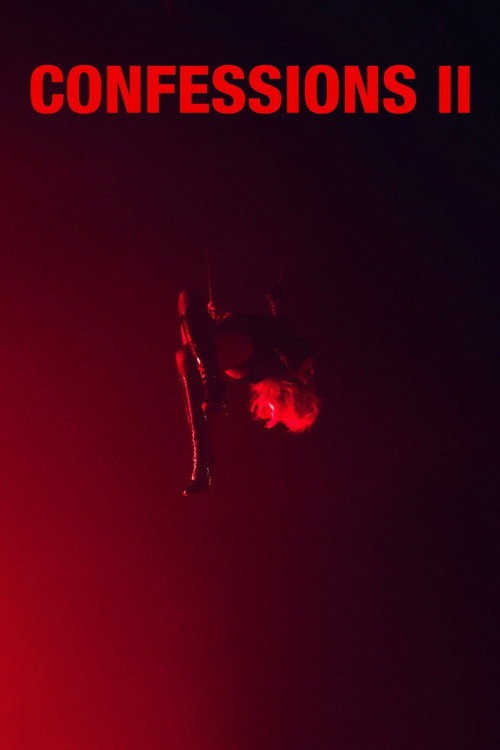
Confessions II – The Film
as Self · 2026 · Not rated yet
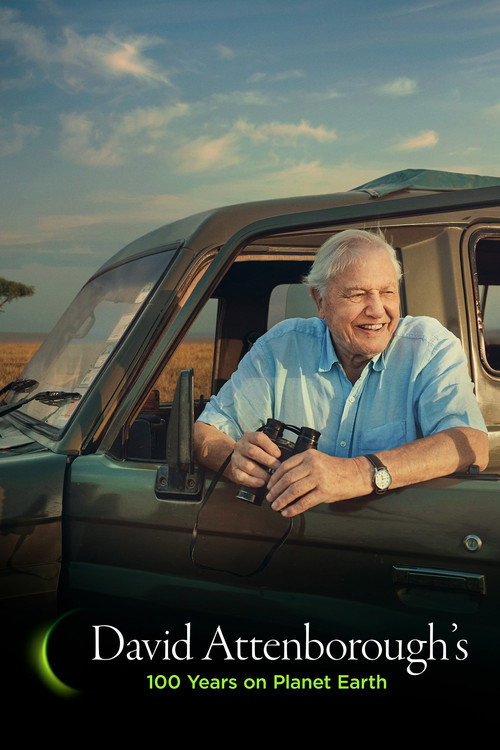
David Attenborough's 100 Years on Planet Earth
as Self · 2026 · Not rated yet
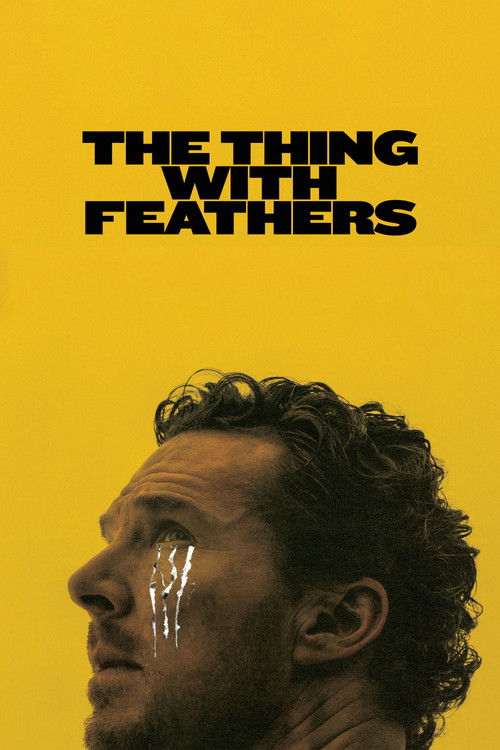
The Thing with Feathers
as Dad · 2025 · Not rated yet
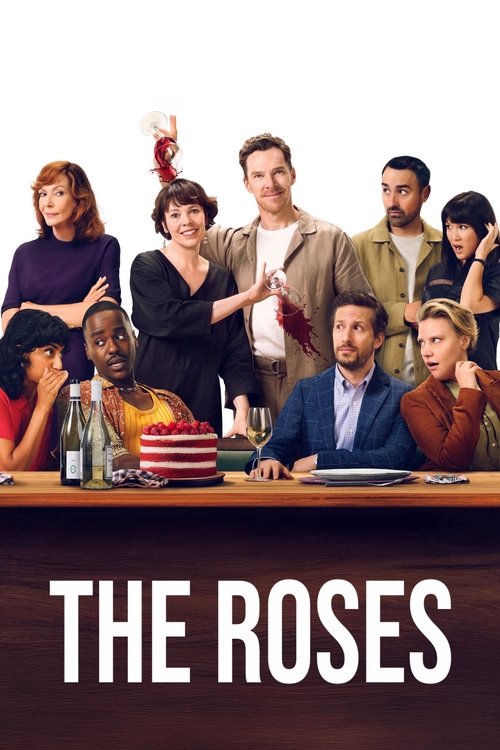
The Roses
Executive Producer · 2025 · Not rated yet
The Roses
as Theo Rose · 2025 · Not rated yet

The Phoenician Scheme
as Uncle Nubar · 2025 · Not rated yet
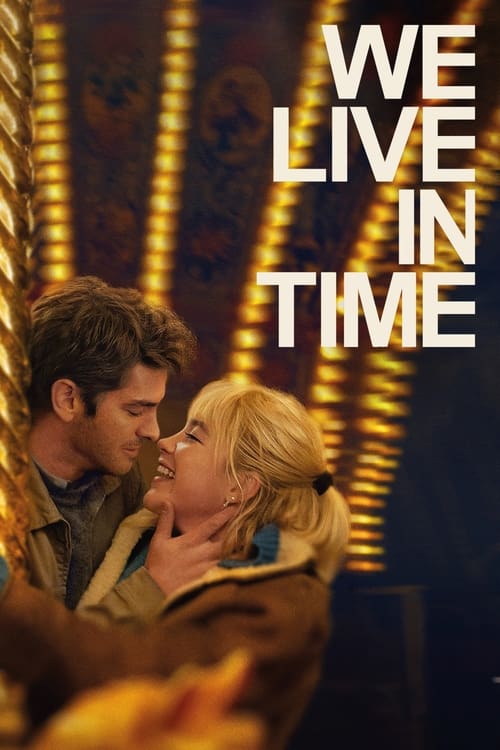
We Live in Time
Executive Producer · 2024 · Not rated yet
Community
Benedict Cumberbatch discussion
Community
Benedict Cumberbatch forum
Discuss Benedict Cumberbatch. By default, replies in a topic go to the original poster; use a message’s Reply button to reply to someone specific.
Sign in to post in the forum.
No forum topics yet. Start the conversation.




Most liked
Top comments