Directing
No awards listed yet.
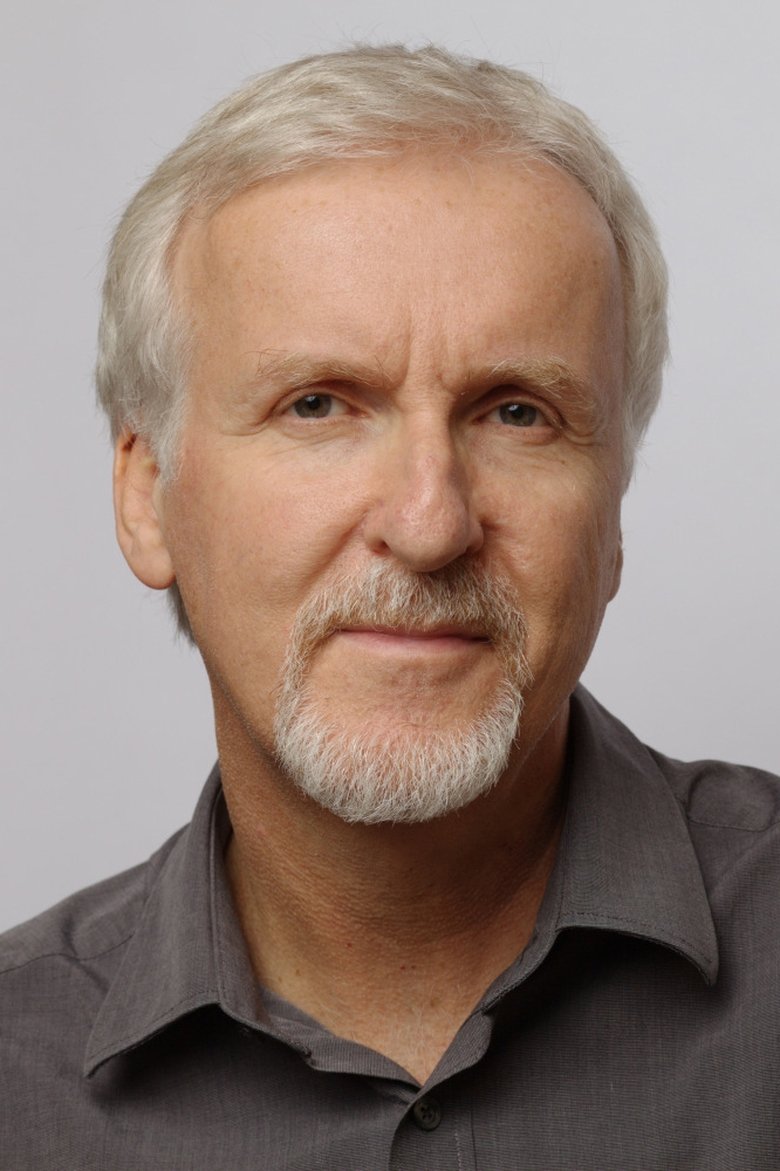
James Cameron is a Canadian filmmaker, screenwriter, producer, editor, inventor, and deep-sea explorer whose films helped define modern action, science fiction, visual effects, and large-scale blockbuster production. Born James Francis Cameron on August 16, 1954, in Kapuskasing, Ontario, he became one of the most commercially successful directors in film history through The Terminator, Aliens, Terminator 2: Judgment Day, Titanic, Avatar, and Avatar: The Way of Water. Cameron's career is marked by a recurring combination of technical ambition, muscular genre storytelling, environmental and oceanic interests, and an unusually hands-on relationship with filmmaking technology.

Cameron grew up in Canada before moving with his family to California as a teenager. He studied physics briefly at Fullerton College but left formal schooling and educated himself through library research, model building, drawing, and constant moviegoing. His early jobs outside the industry included truck driving, but he kept writing and designing speculative stories. A viewing of Star Wars helped push him toward filmmaking, and he began making short science-fiction work, including Xenogenesis, as a practical calling card.
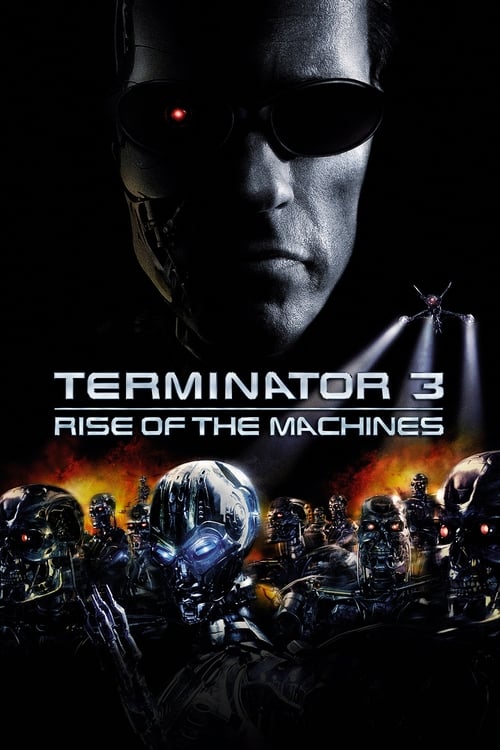
His professional entry came through the low-budget world of Roger Corman's New World Pictures, where he worked in art, effects, miniature building, production design, and second-unit tasks. That apprenticeship mattered: Cameron learned how to solve technical problems quickly and cheaply, and he developed the visual-effects literacy that later distinguished his major studio films. After an unhappy experience on Piranha II: The Spawning, he wrote and directed The Terminator, a lean 1984 science-fiction thriller starring Arnold Schwarzenegger and Linda Hamilton. The film's mixture of time travel, noir chase structure, horror imagery, and industrial design made Cameron a major new genre filmmaker.

Editor · 2031 · Not rated yet

Story · 2031 · Not rated yet

Producer · 2031 · Not rated yet

Director · 2031 · Not rated yet

Story · 2029 · Not rated yet

Director · 2029 · Not rated yet

Editor · 2029 · Not rated yet

Producer · 2029 · Not rated yet

Community
Community
Discuss James Cameron. By default, replies in a topic go to the original poster; use a message’s Reply button to reply to someone specific.
Sign in to post in the forum.
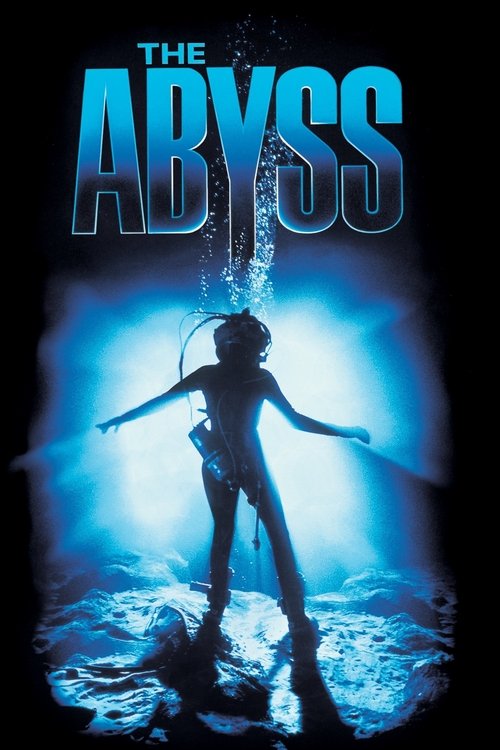
Cameron's next films expanded his reputation for sequels that did not simply repeat their predecessors. Aliens turned Ridley Scott's haunted-house-in-space premise into a war film and gave Sigourney Weaver's Ellen Ripley a maternal action-hero arc. The Abyss used underwater production and visual effects to tell a story about Cold War anxiety and first contact beneath the sea. Terminator 2: Judgment Day pushed computer-generated imagery into the mainstream with the liquid-metal T-1000 while also deepening the emotional core of Sarah Connor and the Terminator mythos. True Lies then brought Cameron's large-scale action craft into spy comedy and domestic farce.
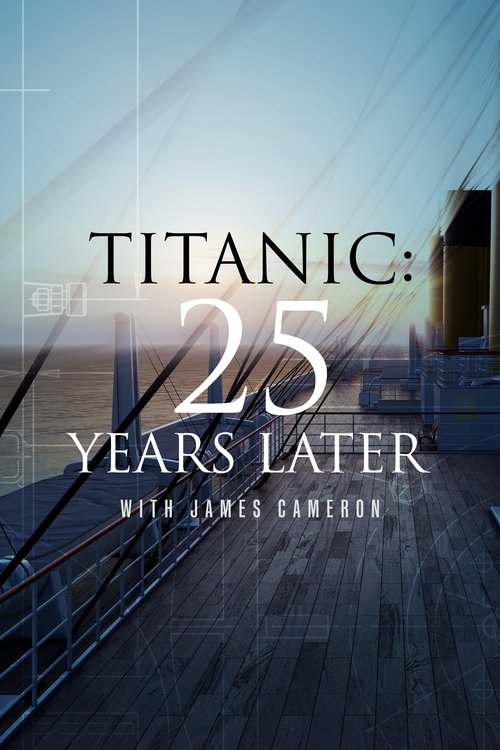
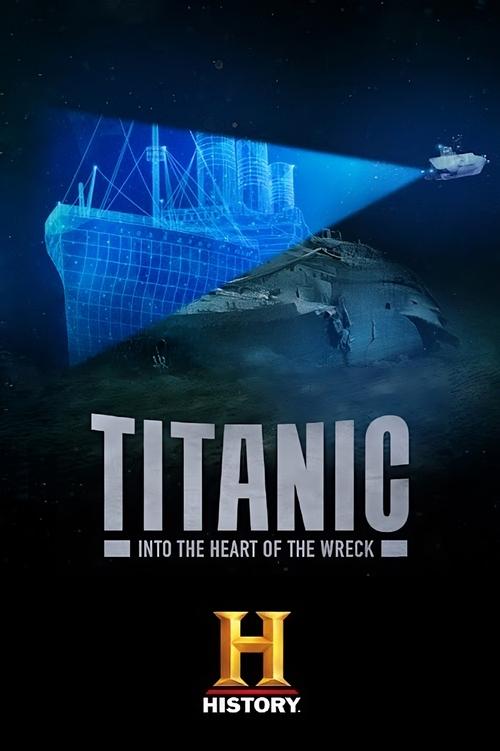
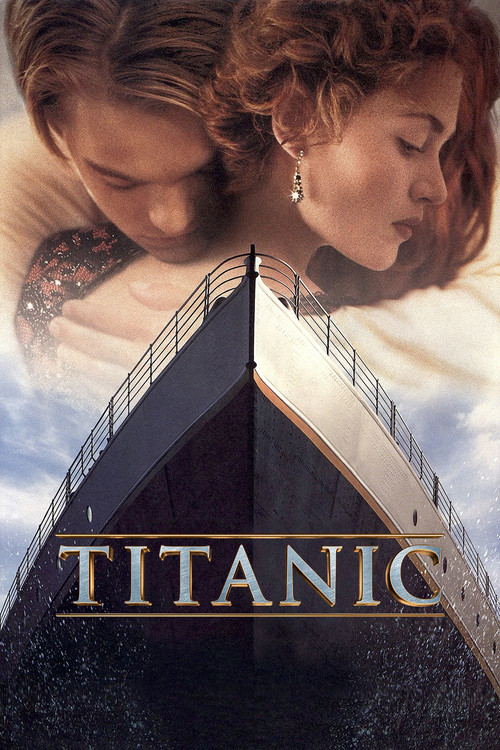
Titanic made Cameron a global cultural figure beyond the science-fiction and action audience. Released in 1997 after a difficult and expensive production, the film joined disaster spectacle, historical recreation, romance, and underwater obsession. It became the first film to gross more than $1 billion worldwide and won eleven Academy Awards, including Best Picture, Best Director, and Best Film Editing for Cameron. The film's success also demonstrated his ability to combine technical spectacle with a simple emotional story that audiences around the world could follow.

After Titanic, Cameron devoted much of his energy to documentary work, ocean exploration, and technology development. He made or produced documentaries such as Ghosts of the Abyss and Aliens of the Deep, and he remained closely associated with deep-ocean research. His interest in undersea exploration culminated in 2012, when he made a solo descent to the Challenger Deep in the Mariana Trench in the Deepsea Challenger submersible, becoming the first person to complete that descent alone. This aspect of his career is not a celebrity sideline; ocean engineering, camera systems, and pressure-hull design are part of the same problem-solving impulse visible in his film productions.
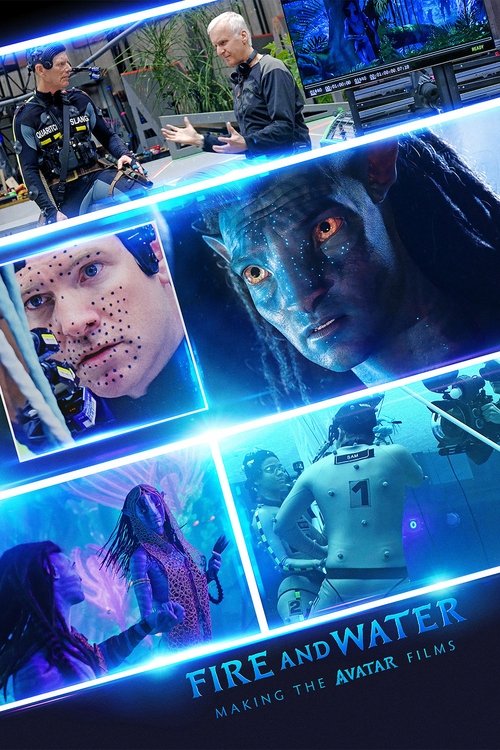
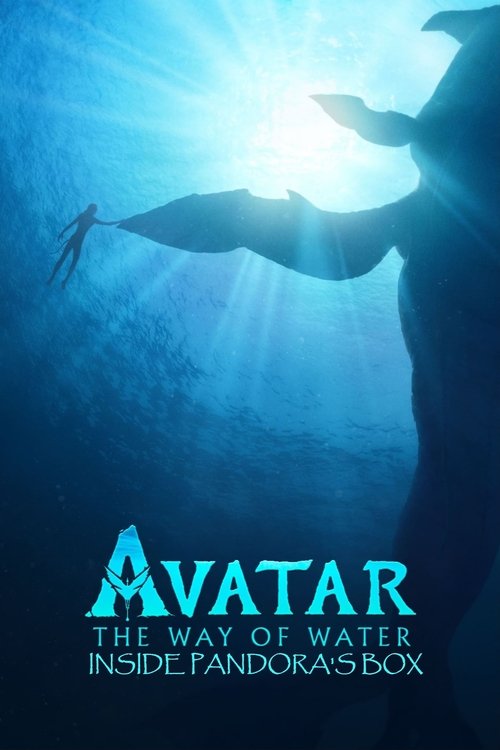
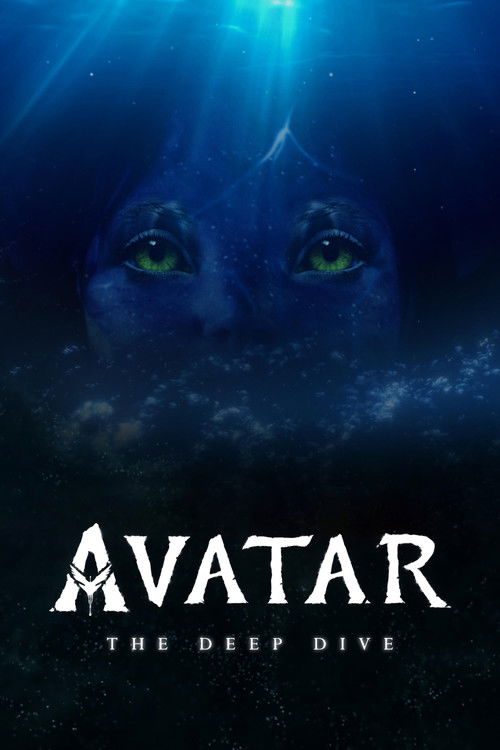
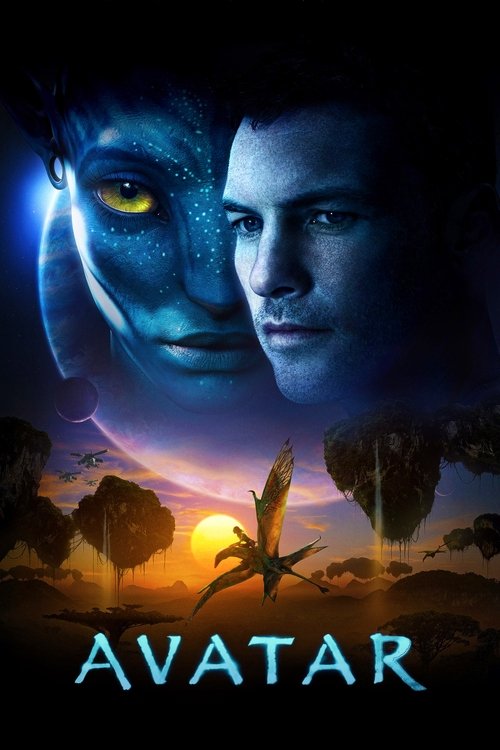
Avatar, released in 2009, returned Cameron to narrative features with another major technological leap. Set on Pandora, the film used performance capture, stereoscopic 3D, virtual production methods, and extensive digital environments to tell an anti-colonial ecological adventure story. It became the highest-grossing film of all time and helped drive a wave of 3D exhibition. Avatar: The Way of Water followed in 2022 after years of development, extending the world of Pandora into oceanic cultures and underwater performance capture. The sequel confirmed Cameron's unusual ability to revive a franchise after a long gap and still produce a worldwide theatrical event.

Cameron's films frequently center on survival under pressure, machines that reshape human life, women confronting violence, and fragile families formed in catastrophic circumstances. Sarah Connor, Ellen Ripley, Rose DeWitt Bukater, Neytiri, and other central figures reflect his interest in characters pushed into physical extremity while carrying emotional stakes larger than spectacle alone. At the same time, his productions have a reputation for intensity, perfectionism, and logistical difficulty, with Cameron often described as demanding because he pursues technical and dramatic control at a very high level.
As a business and technology figure, Cameron co-founded Lightstorm Entertainment and helped co-found Digital Domain. He has been involved in camera-system development, visual-effects pipelines, underwater filming techniques, and production methods that later influenced the broader industry. Several of his films have been selected for preservation by the Library of Congress's National Film Registry, and his awards include multiple Oscars, Golden Globes, and other industry honors.
By the 2020s, Cameron occupied a rare position: a director whose personal obsessions—robots, oceans, alien worlds, ecological crisis, doomed romance, and technological experimentation—also produced some of the highest-grossing films ever made. His career is not merely a list of blockbusters; it is a sustained argument that spectacle can be engineered through research, design, and risk. Whether admired for innovation or criticized for excess, Cameron remains one of the central architects of contemporary event cinema.
References:
[1] Wikipedia, “James Cameron” — https://en.wikipedia.org/wiki/James_Cameron
[2] The Movie Database, “James Cameron” — https://www.themoviedb.org/person/2710-james-cameron
[3] IMDb, “James Cameron” — https://www.imdb.com/name/nm0000116/
[4] Encyclopaedia Britannica, “James Cameron” — https://www.britannica.com/biography/James-Cameron-Canadian-director
[5] Academy of Motion Picture Arts and Sciences, “The 70th Academy Awards” — https://www.oscars.org/oscars/ceremonies/1998
[6] National Geographic, “James Cameron” — https://www.nationalgeographic.com/expeditions/experts/james-cameron/
[7] Deepsea Challenge, “James Cameron’s Deepsea Challenge” — https://deepseachallenge.com/
[8] Library of Congress, “National Film Registry” — https://www.loc.gov/programs/national-film-preservation-board/film-registry/
[9] The Movie Database, “Titanic” — https://www.themoviedb.org/movie/597-titanic
[10] The Movie Database, “Avatar” — https://www.themoviedb.org/movie/19995-avatar
Director · 2026 · Not rated yet
Most liked
Top comments