Acting
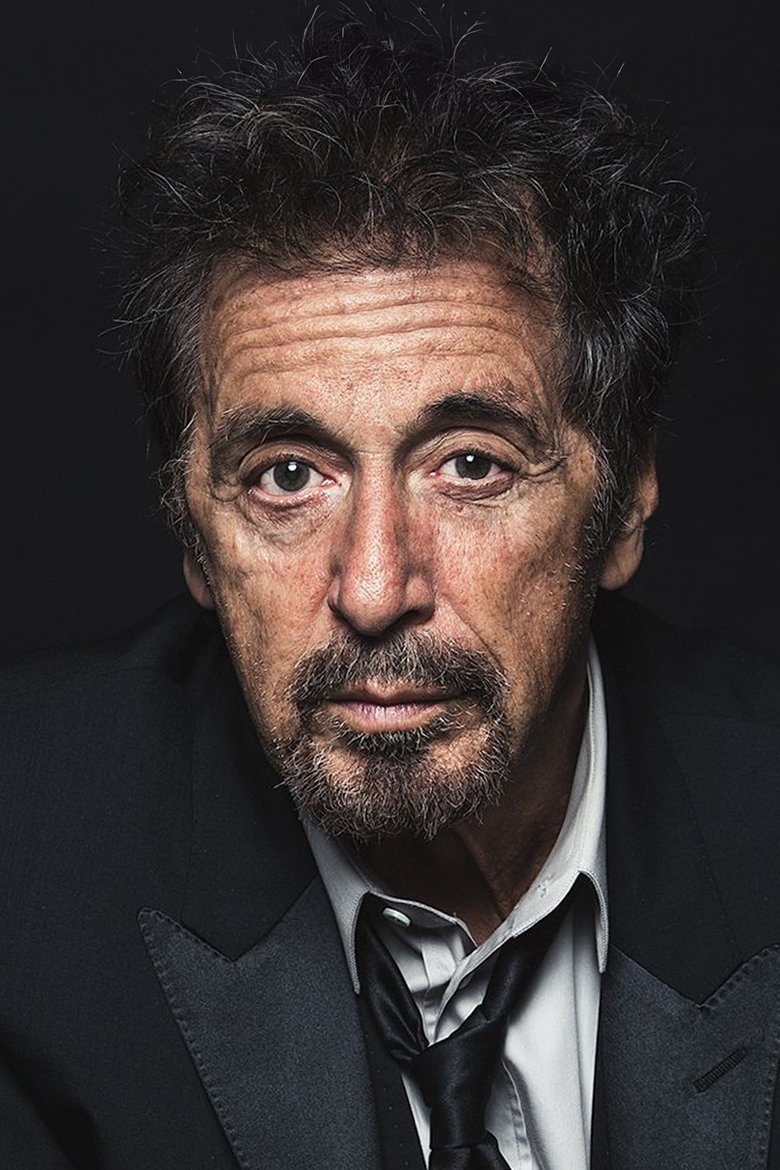
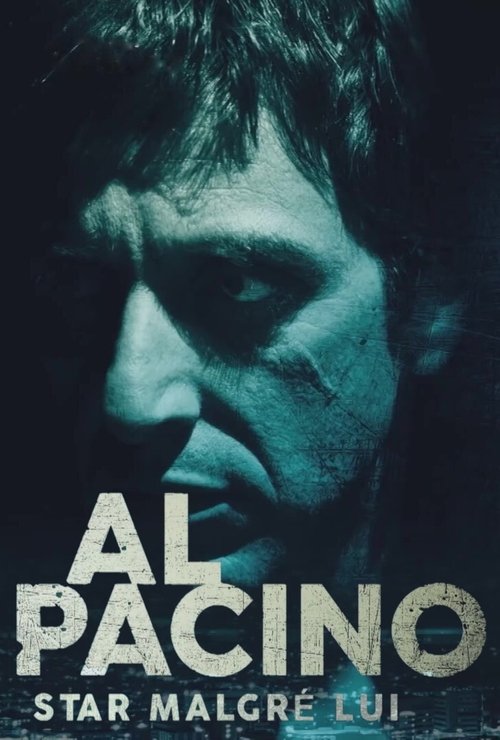
Alfredo James Pacino is an American actor and one of the central screen and stage performers of the late twentieth and early twenty-first centuries. Born in New York City on 25 April 1940, he grew up in the Bronx and trained through the city's theater world, including HB Studio and the Actors Studio. His career has been defined by intensity, volatility, verbal rhythm, and a gift for making characters seem both theatrical and psychologically exposed.
Pacino first emerged from the New York stage. He won attention for theater work before becoming a film actor, and that stage foundation remained visible throughout his career. Even in close-up, his performances often have the charge of live confrontation: pauses, eruptions, mutters, sudden shifts in volume, and eyes that suggest a character thinking faster than he can speak. His early stage success included Does a Tiger Wear a Necktie?, and he later returned repeatedly to Shakespeare, Eugene O'Neill, David Mamet, Oscar Wilde, and other major writers.
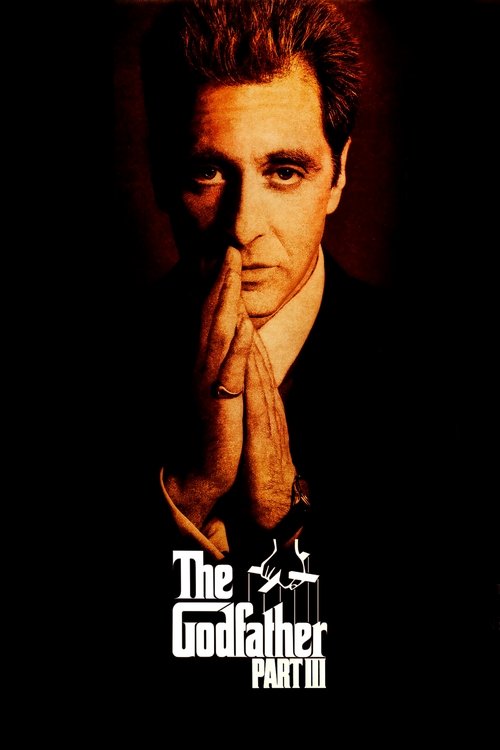
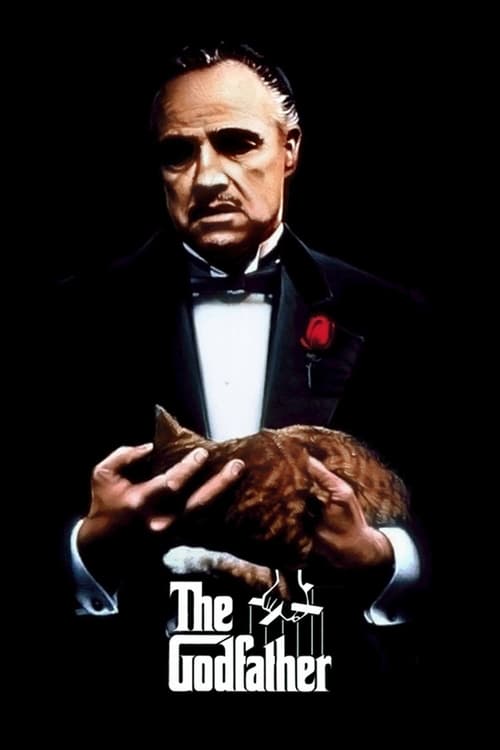
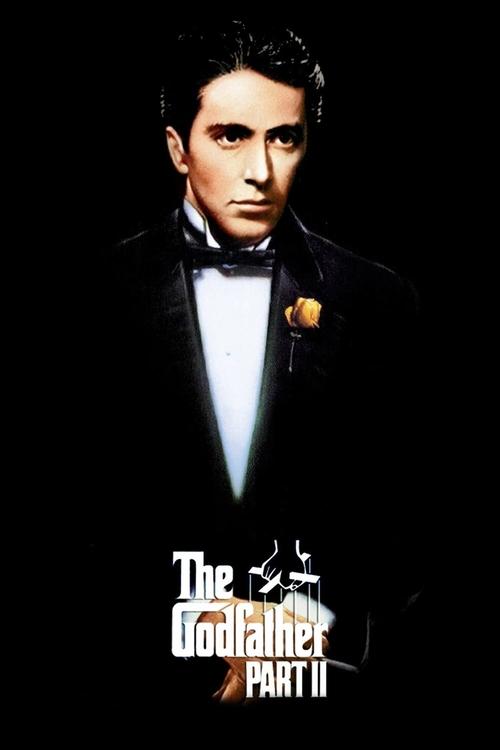
His film breakthrough came in Francis Ford Coppola's The Godfather. As Michael Corleone, Pacino gave one of American cinema's defining performances: a war veteran who begins as the family's apparent outsider and becomes its coldest strategist. The performance is famous partly because of its restraint. Michael's transformation is not played as instant corruption but as a slow hardening of posture, voice, and gaze. Pacino reprised the role in The Godfather Part II and The Godfather Part III, turning Michael into a lifelong study of power, guilt, family, and spiritual emptiness.

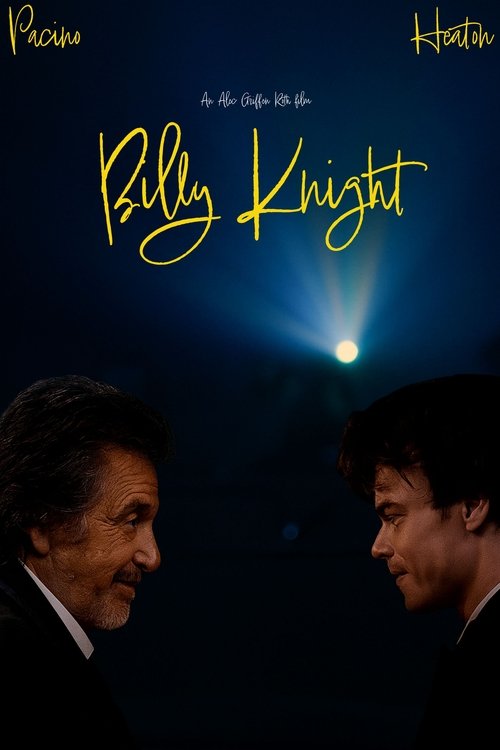
as Billy Knight · 2026 · Not rated yet
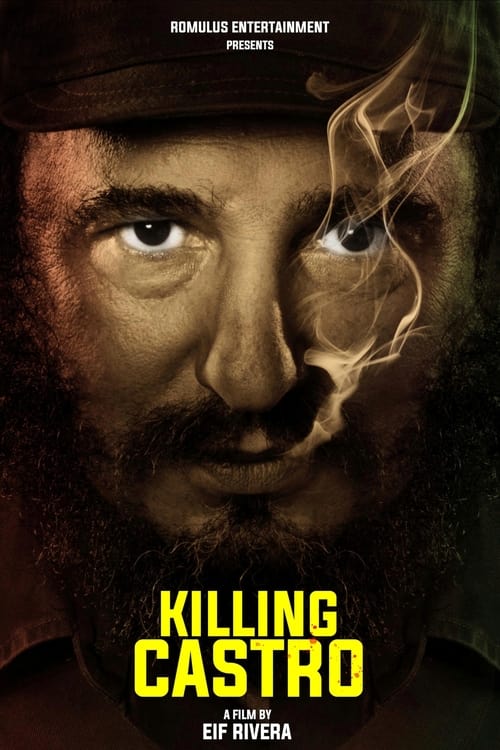
as Robert Maheu · 2026 · Not rated yet
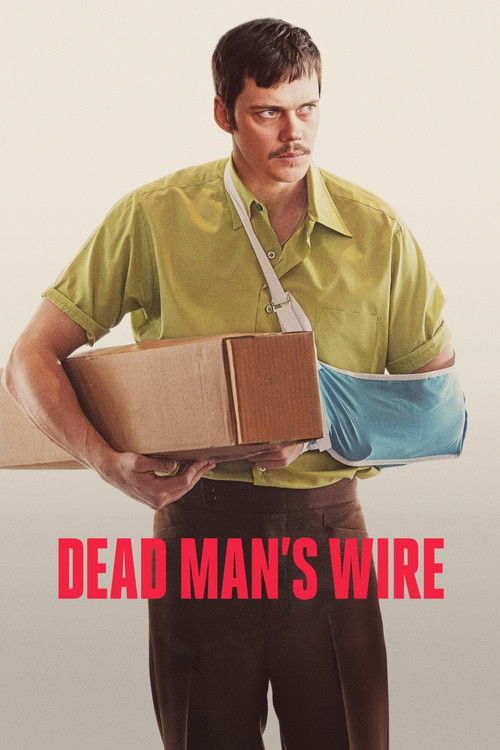
as M.L. Hall · 2026 · Not rated yet

Actor · 2025 · Not rated yet

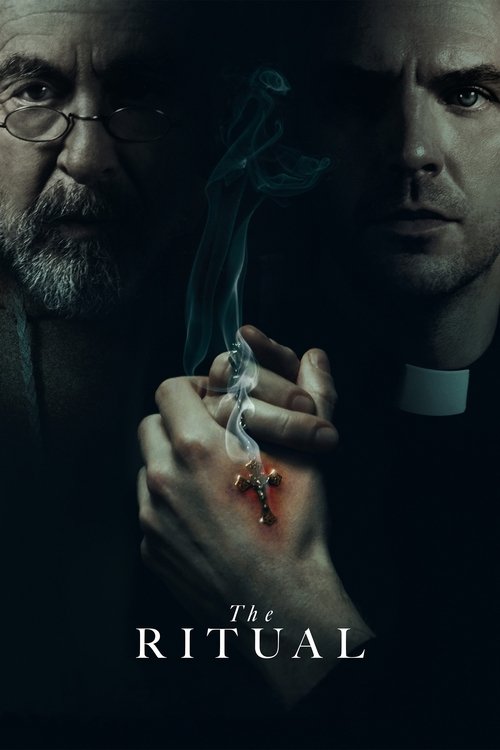
as Father Theophilus Riesinger · 2025 · Not rated yet
Producer · 2024 · Not rated yet

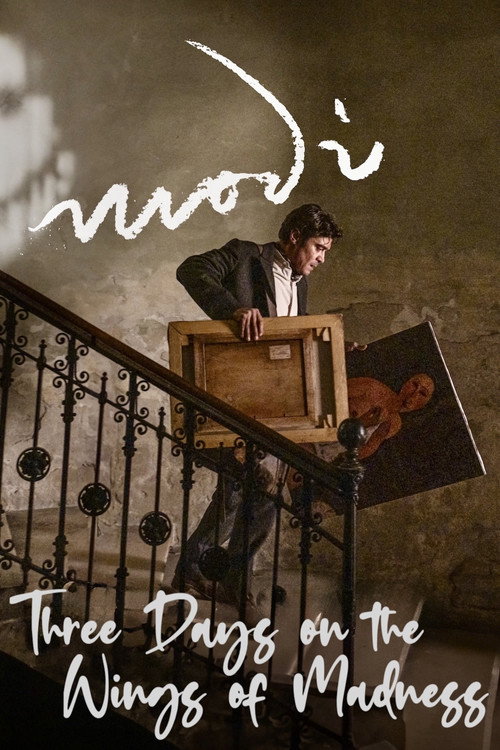
as Maurice Gangnat · 2024 · Not rated yet
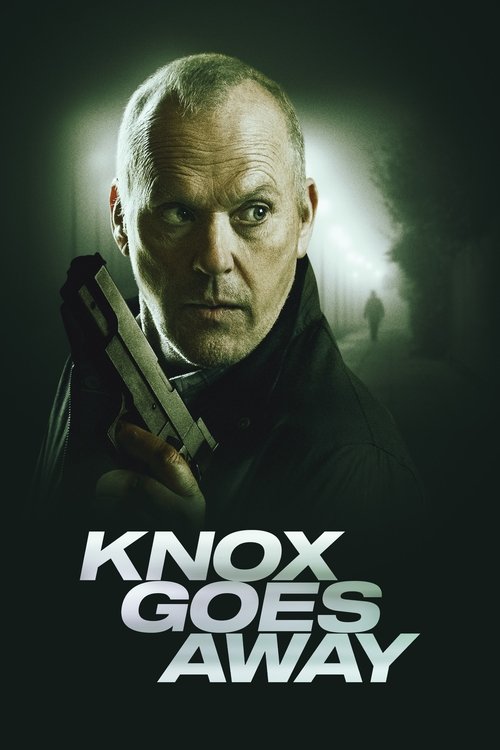
as Xavier Crane · 2024 · Not rated yet
Community
Community
Discuss Al Pacino. By default, replies in a topic go to the original poster; use a message’s Reply button to reply to someone specific.
Sign in to post in the forum.
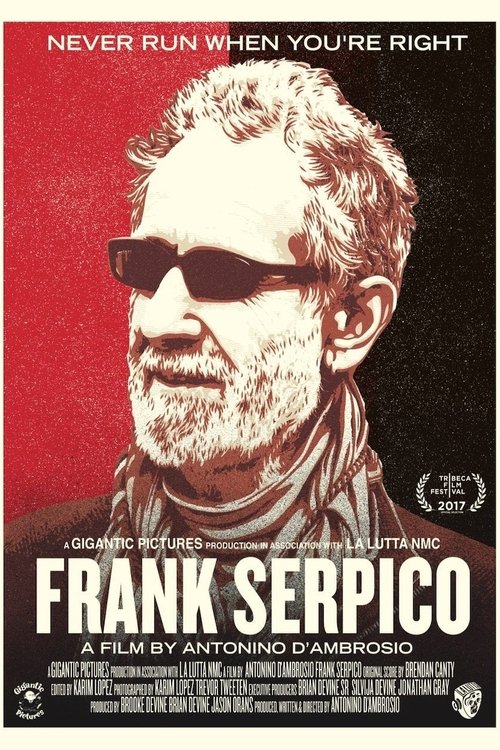
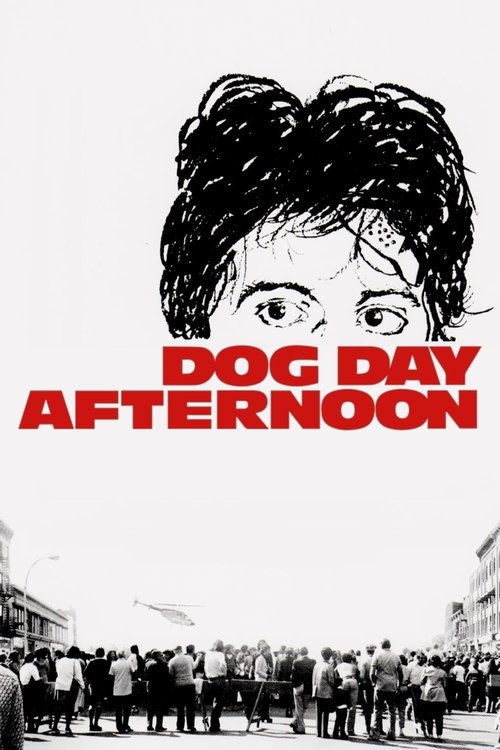
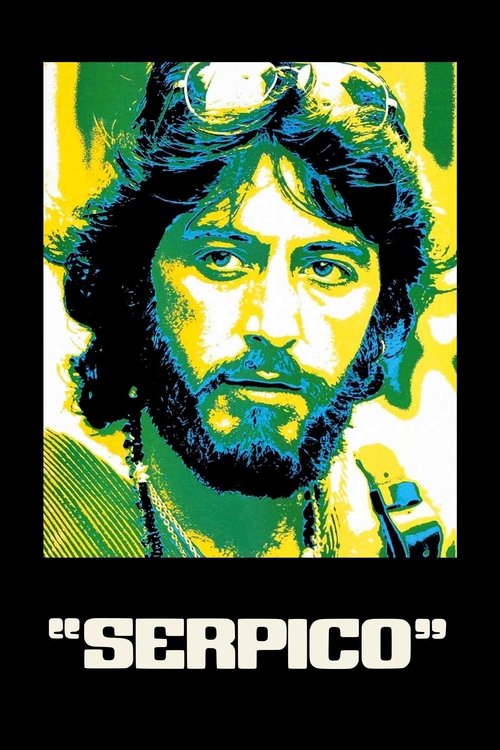
The 1970s established Pacino as one of the signature actors of New Hollywood. In Serpico, he played real-life New York police officer Frank Serpico as an idealist crushed by institutional corruption. In Dog Day Afternoon, he played Sonny Wortzik, a desperate bank robber whose chaotic humanity made the film both comic and tragic. He also appeared in Scarecrow, The Panic in Needle Park, Bobby Deerfield, and...And Justice for All. These roles showed how effectively Pacino could make nervous energy, anger, and moral conflict into a screen language.
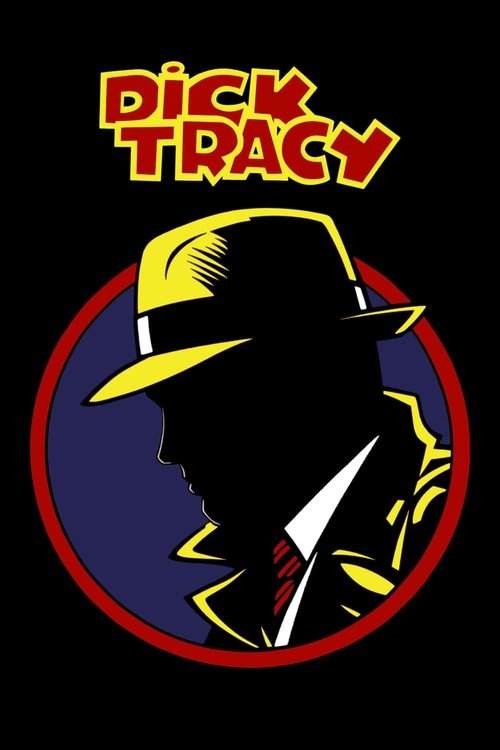
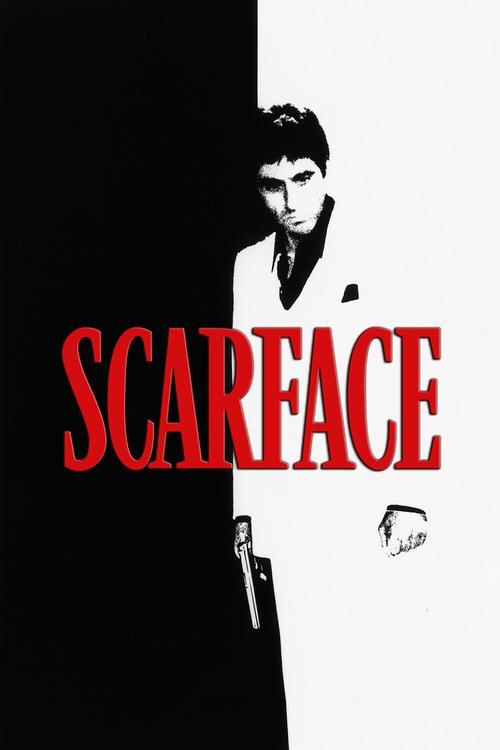
In the 1980s and 1990s he became associated with some of cinema's most quoted and imitated performances. Brian De Palma's Scarface cast him as Tony Montana, an immigrant gangster whose ambition becomes operatic self-destruction. The film's reputation grew enormously after release, and Pacino's performance became a pop-cultural monument to excess. In Dick Tracy he played Big Boy Caprice with grotesque comic flamboyance. In Glengarry Glen Ross he brought Mamet's salesmen language to the screen with sharp, predatory momentum.
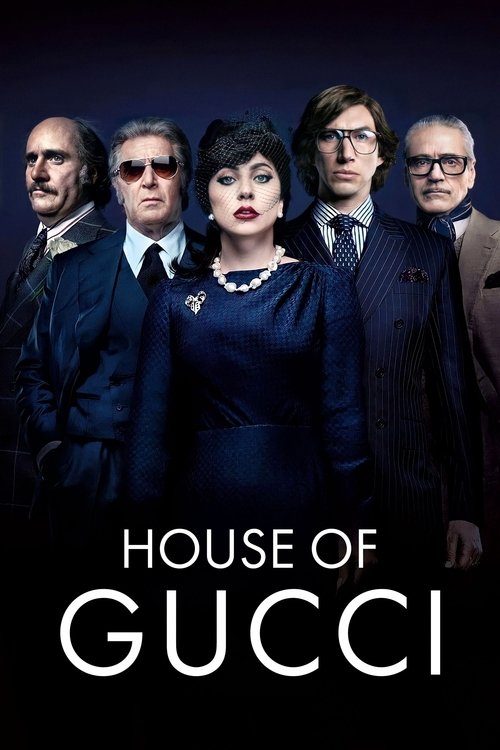
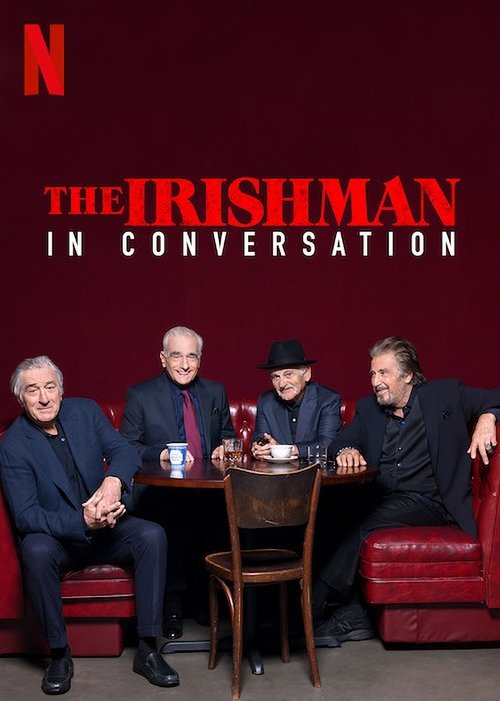
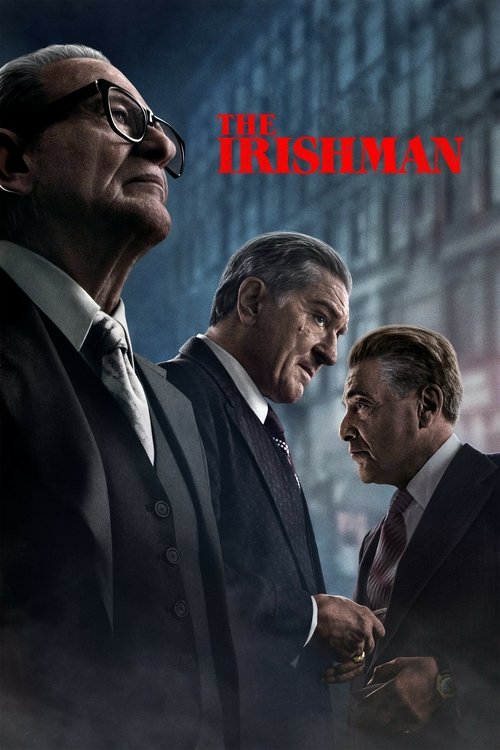
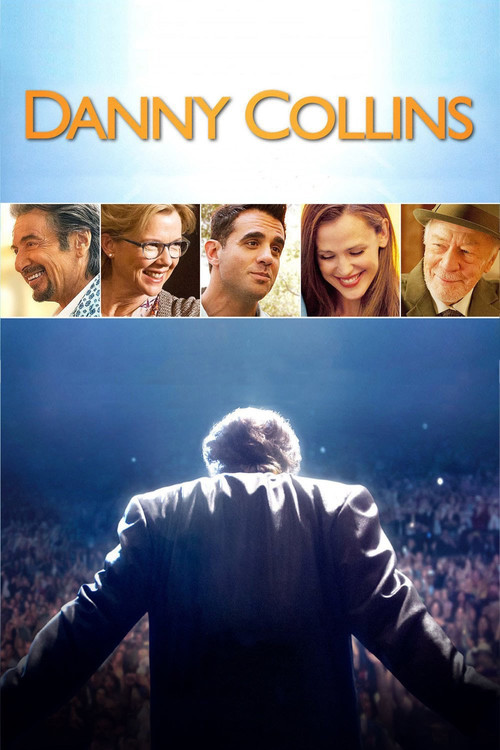
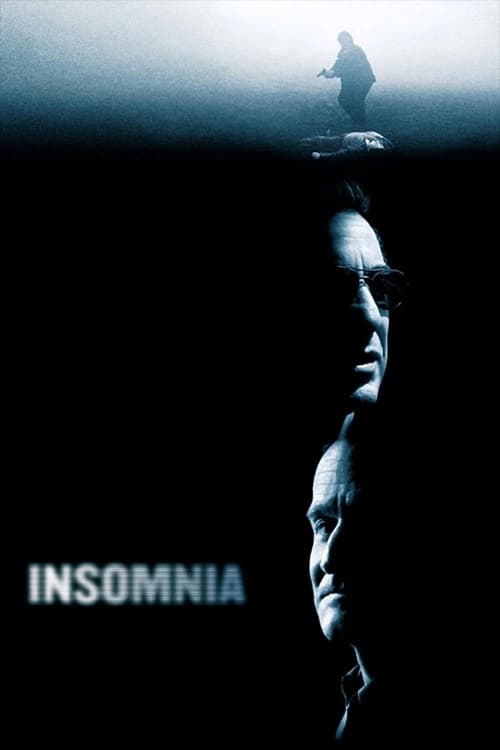
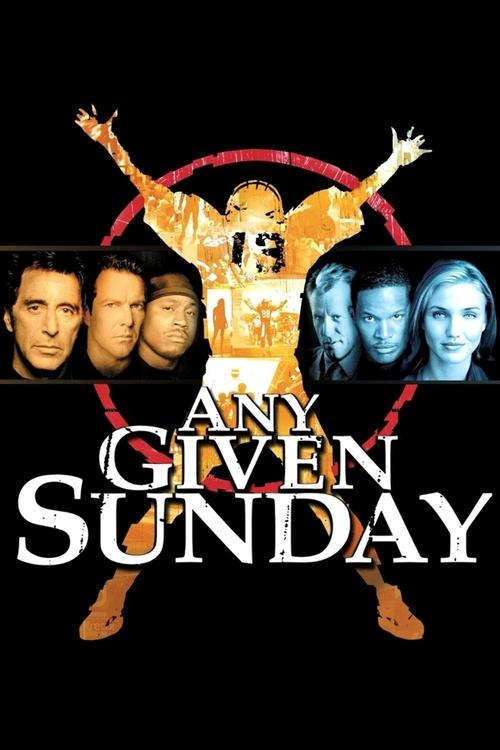
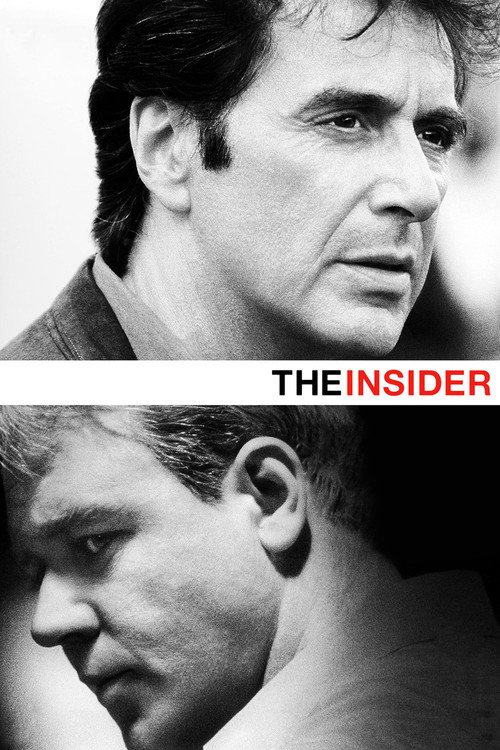
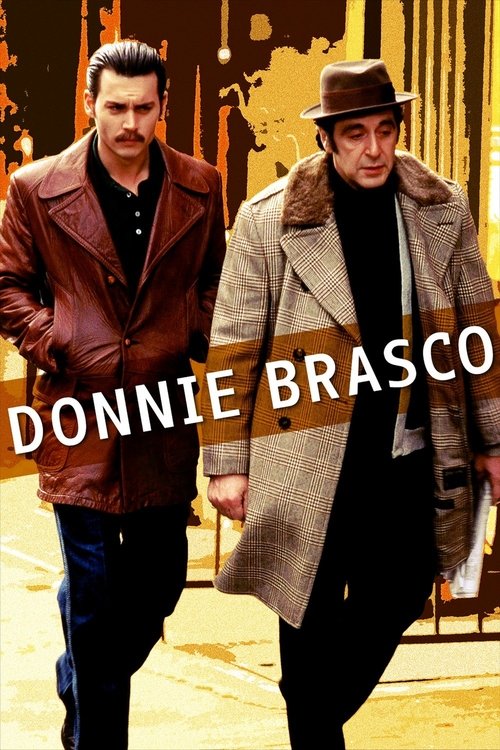
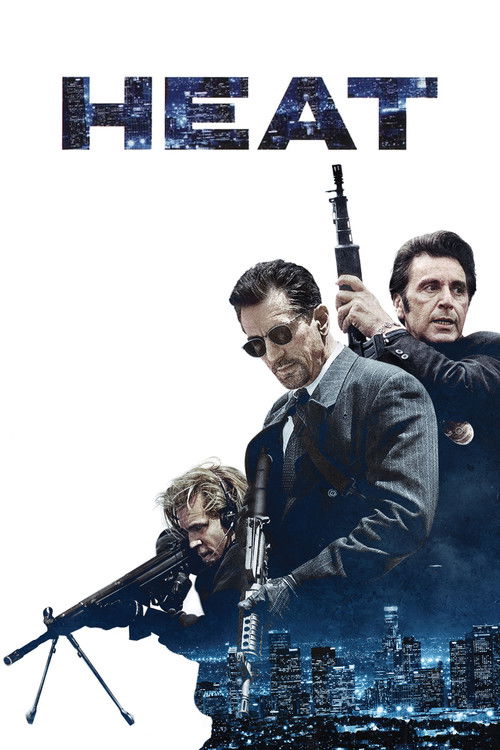
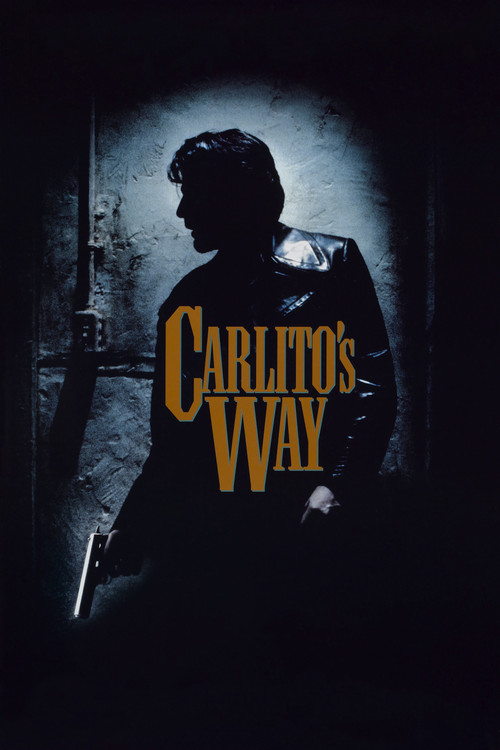
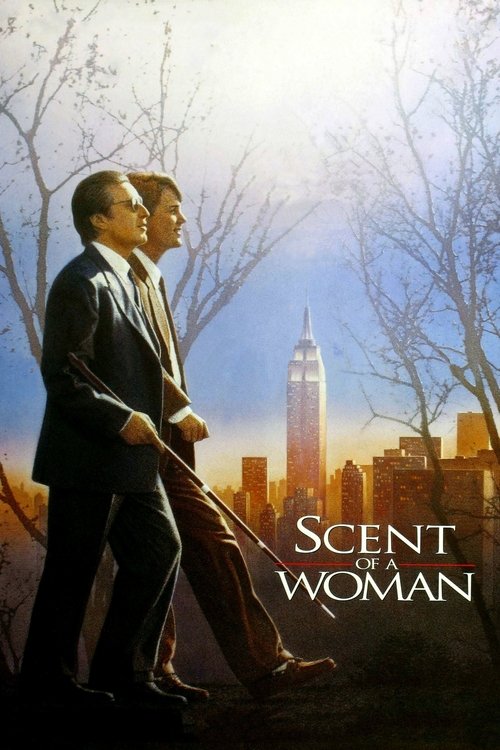
Pacino won the Academy Award for best actor for Scent of a Woman, playing retired Army officer Frank Slade. The role combined charm, bitterness, self-pity, and explosive speechifying, and it became one of his best-known later performances. Around the same period he appeared in Carlito's Way and then in Michael Mann's Heat, where his detective Vincent Hanna faced Robert De Niro's Neil McCauley in one of modern crime cinema's most celebrated actor pairings. The Insider, Donnie Brasco, Any Given Sunday, Insomnia, Angels in America, You Don't Know Jack, Phil Spector, Danny Collins, Once Upon a Time in Hollywood, The Irishman, and House of Gucci all extended his screen presence into new decades.
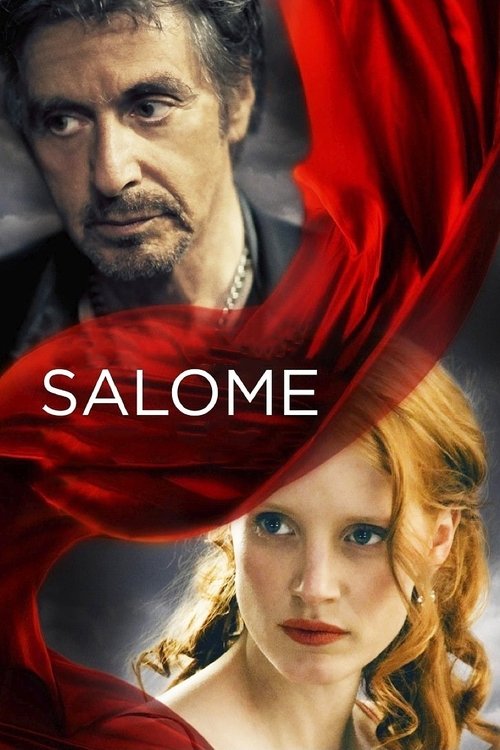
Pacino's career cannot be reduced to film. He has maintained a deep attachment to theater as performer, director, and interpreter. His documentary Looking for Richard explored Shakespeare's Richard III and the actor's relationship to classical text. He has also directed and appeared in projects such as Chinese Coffee and Wilde Salome, reflecting a long-running interest in the process of acting itself.
Awards have recognized the scale of his contribution. Pacino is one of the relatively few performers to achieve the Triple Crown of Acting, with an Oscar, Emmy, and Tony among his honors. He has also received the AFI Life Achievement Award, the Kennedy Center Honors, and the National Medal of Arts. Yet his influence is larger than trophies. Generations of actors have studied his mix of naturalism and theatrical attack, and generations of viewers know his lines, gestures, and sudden outbursts.

Pacino's image has sometimes been simplified into shouting or gangster iconography, but his best work is more varied. He can be still and withheld, as in The Godfather; sweaty and panicked, as in Dog Day Afternoon; morally wounded, as in Serpico; grotesquely comic, as in Dick Tracy; or grandly self-destructive, as in Scarface. The common thread is pressure. Pacino's characters often seem to be arguing with the world, with institutions, with family, or with themselves, and his performances make that argument visible.
Across more than five decades, Al Pacino has remained a figure through whom American acting thinks about power, masculinity, corruption, performance, and conscience. His greatest roles are not merely famous; they changed the vocabulary of screen acting and left behind characters who continue to feel dangerous, wounded, and alive.
References:
[1] Wikipedia, “Al Pacino” — https://en.wikipedia.org/wiki/Al_Pacino
[2] Encyclopaedia Britannica, “Al Pacino” — https://www.britannica.com/biography/Al-Pacino
[3] IMDb, “Al Pacino Biography” — https://www.imdb.com/name/nm0000199/bio/
[4] The Movie Database, “Al Pacino” — https://www.themoviedb.org/person/1158-al-pacino
[5] The Academy, “Al Pacino” — https://www.oscars.org/
[6] Television Academy, “Al Pacino” — https://www.televisionacademy.com/bios/al-pacino
[7] Tony Awards, “Al Pacino” — https://www.tonyawards.com/nominees/year/2022/category/any/show/any/?q=Al%20Pacino
[8] American Film Institute, “AFI Life Achievement Award: Al Pacino” — https://www.afi.com/laa/al-pacino/
[9] National Endowment for the Arts, “National Medal of Arts” — https://www.arts.gov/honors/medals
[10] The Kennedy Center, “Al Pacino” — https://www.kennedy-center.org/artists/p/pa-pn/al-pacino/

as Self (archive footage) · 2022 · Not rated yet
Most liked
Top comments