Directing
No awards listed yet.
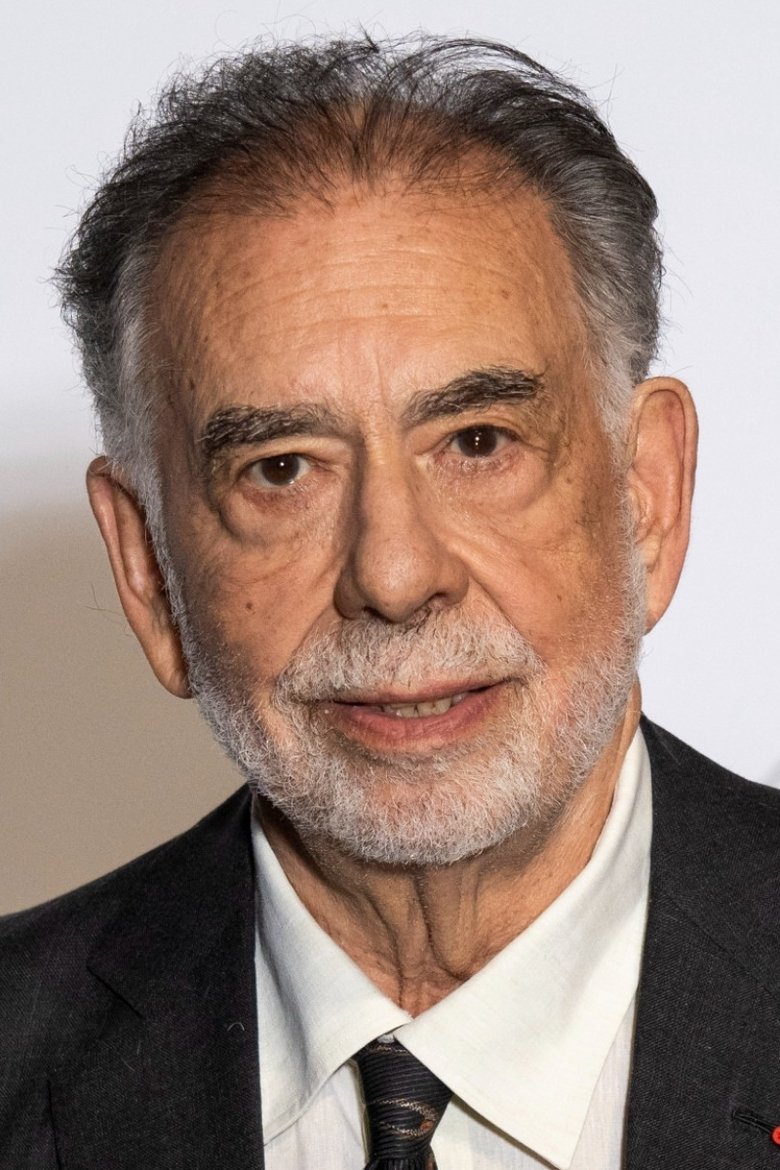
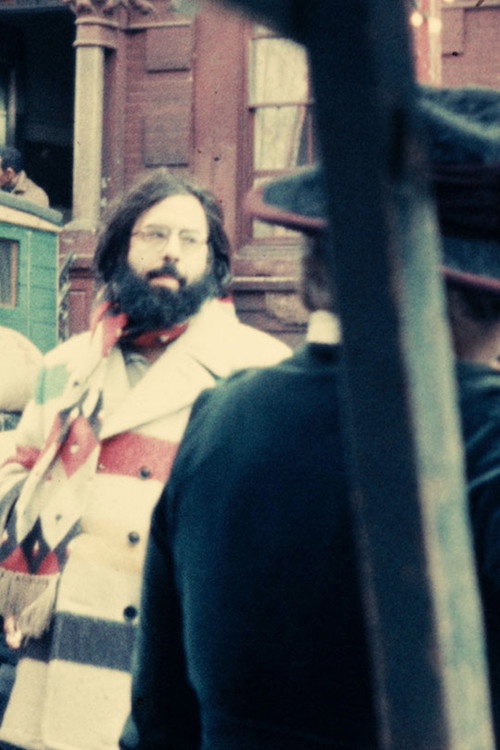
Francis Ford Coppola is an American filmmaker, screenwriter, producer, and entrepreneur whose 1970s work helped define New Hollywood and whose later career has been marked by alternating commercial projects, personal experiments, and long-gestating independent ambitions. Born on April 7, 1939, in Detroit, Michigan, he grew up in a creative Italian American family. His father, Carmine Coppola, was a musician and composer, and the wider Coppola family would become one of the most visible filmmaking families in the United States.
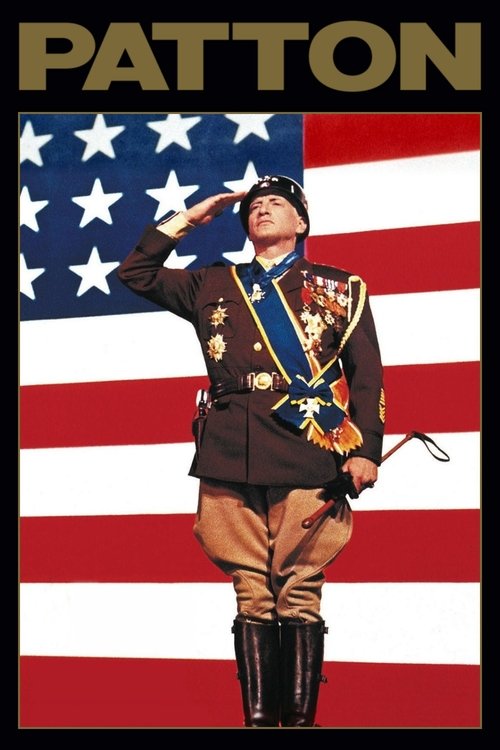
Coppola studied at Hofstra University and later at UCLA, entering professional filmmaking through low-budget production and screenwriting. His early features included Dementia 13, You're a Big Boy Now, Finian's Rainbow, and The Rain People. Before becoming a household name as a director, he won major recognition as a screenwriter: he co-wrote Patton with Edmund H. North, and the screenplay won the Academy Award for Best Original Screenplay.
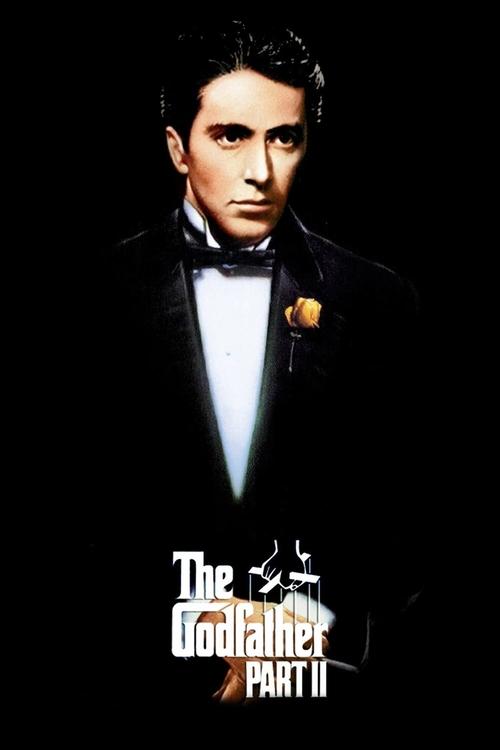
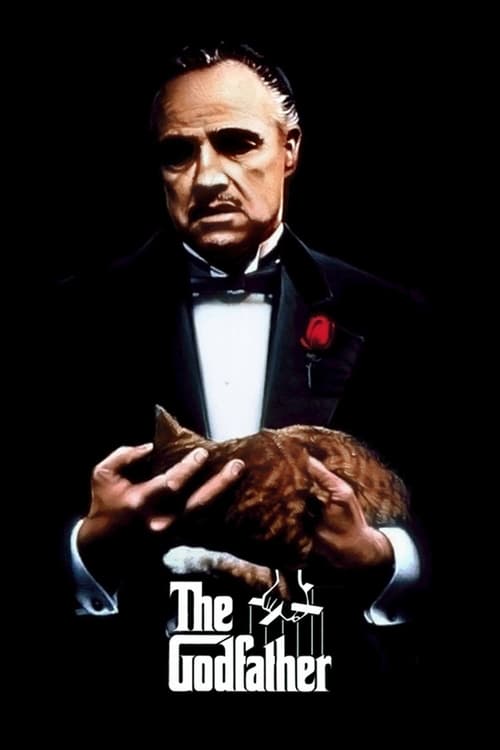
The Godfather transformed Coppola's career. Released in 1972, the film adapted Mario Puzo's novel into a sweeping family, crime, and power story centered on the Corleones. Coppola's direction, Gordon Willis's photography, Nino Rota's music, and the ensemble led by Marlon Brando and Al Pacino made it a landmark of American cinema. The Godfather Part II followed in 1974 and did something rare for a sequel: it deepened the original, combining Michael Corleone's moral collapse with Vito Corleone's immigrant past. Both films won the Academy Award for Best Picture, and Coppola's writing and direction became central reference points for later filmmakers.

Thanks · 2026 · Not rated yet

as Self · 2026 · Not rated yet

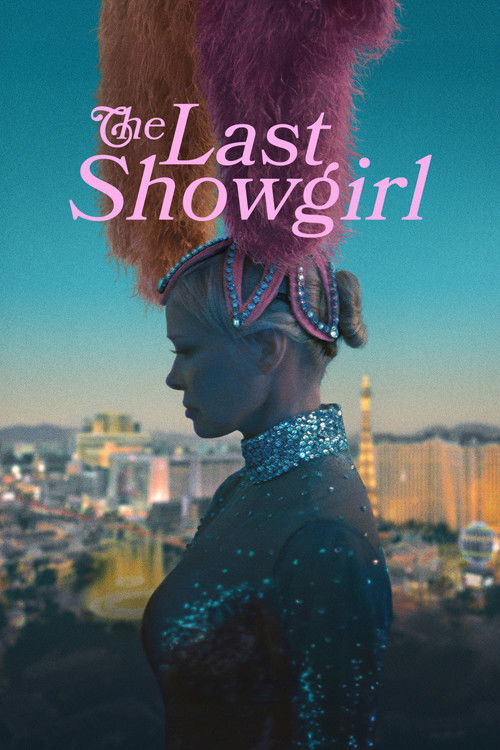
as Self (archive footage) (uncredited) · 2025 · Not rated yet
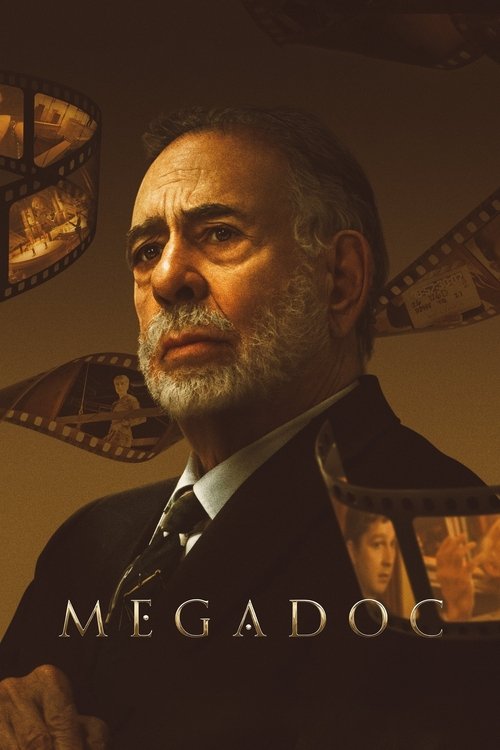
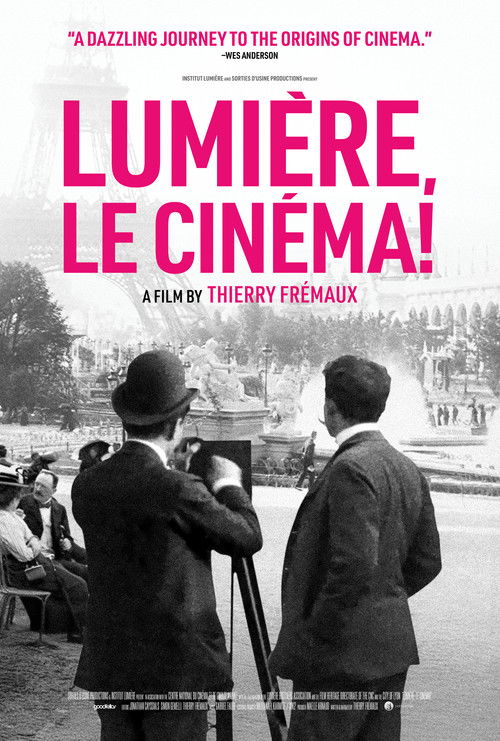
as Self · 2025 · Not rated yet

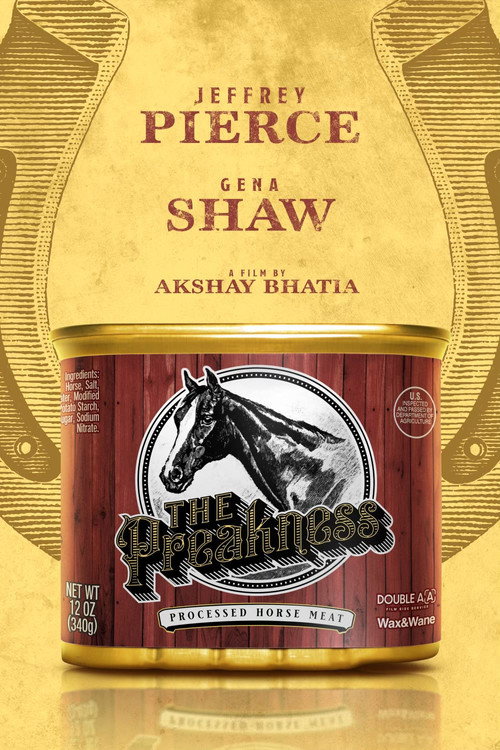
Thanks · 2024 · Not rated yet

as Self · 2024 · Not rated yet

Thanks · 2024 · Not rated yet

Writer · 2024 · Not rated yet
Community
Community
Discuss Francis Ford Coppola. By default, replies in a topic go to the original poster; use a message’s Reply button to reply to someone specific.
Sign in to post in the forum.
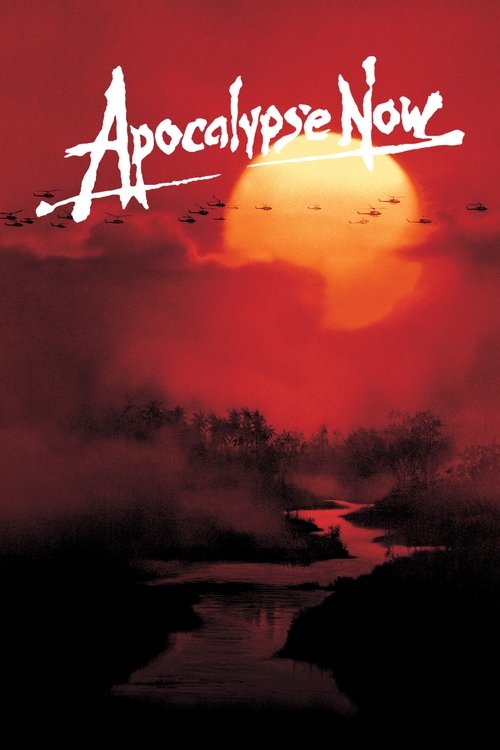
Coppola's 1970s peak also included The Conversation, a taut surveillance drama starring Gene Hackman, and Apocalypse Now, his Vietnam War epic loosely inspired by Joseph Conrad's Heart of Darkness. The Conversation won the Palme d'Or at Cannes, and Apocalypse Now shared the Palme d'Or after one of the most famously difficult productions in film history. Together with the Godfather films, these works made Coppola one of the defining American directors of the decade.
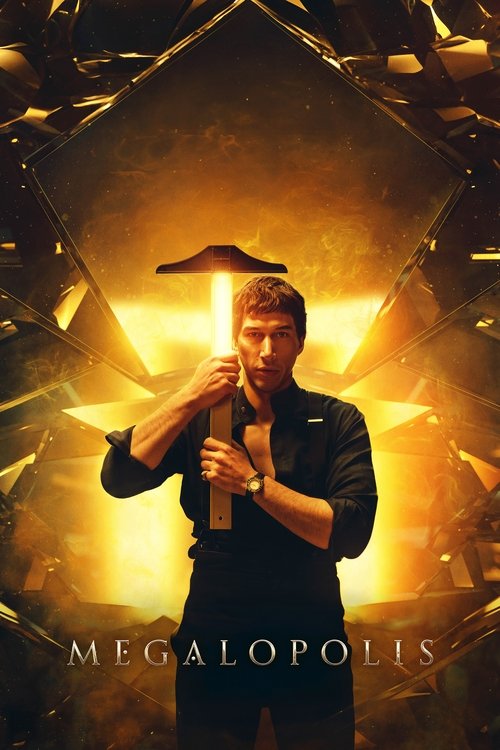
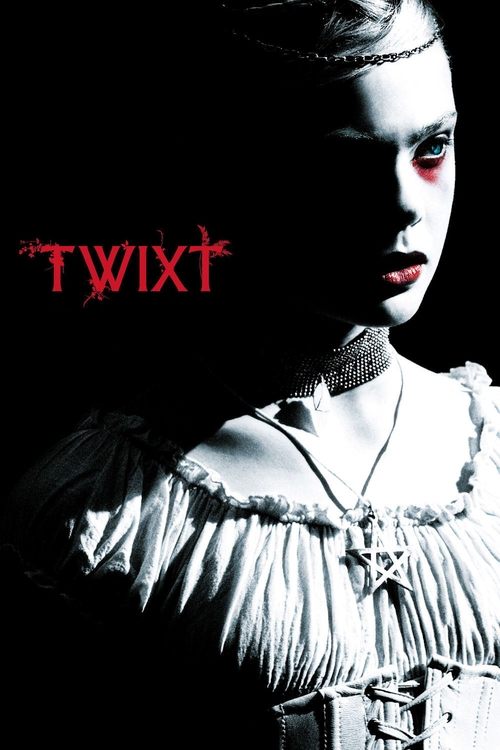
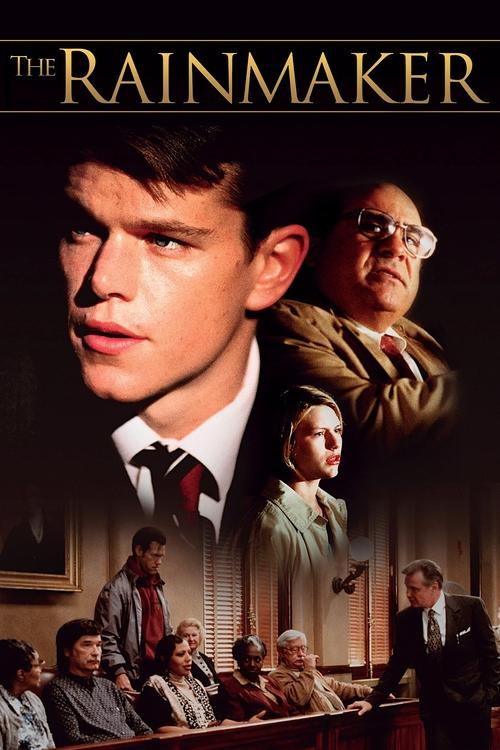
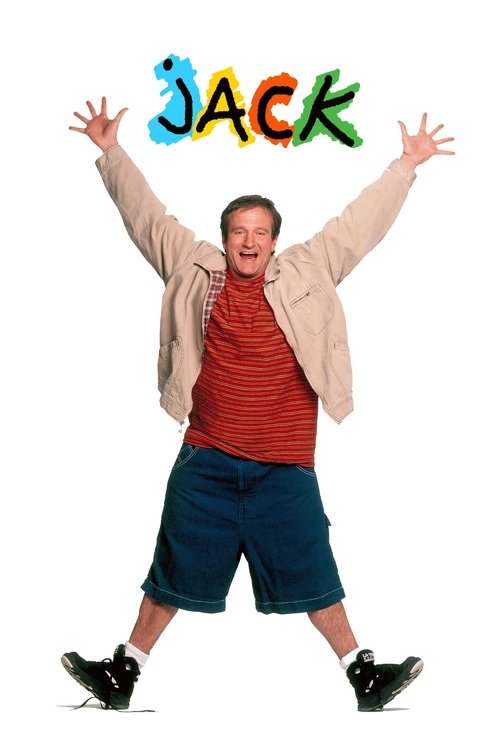
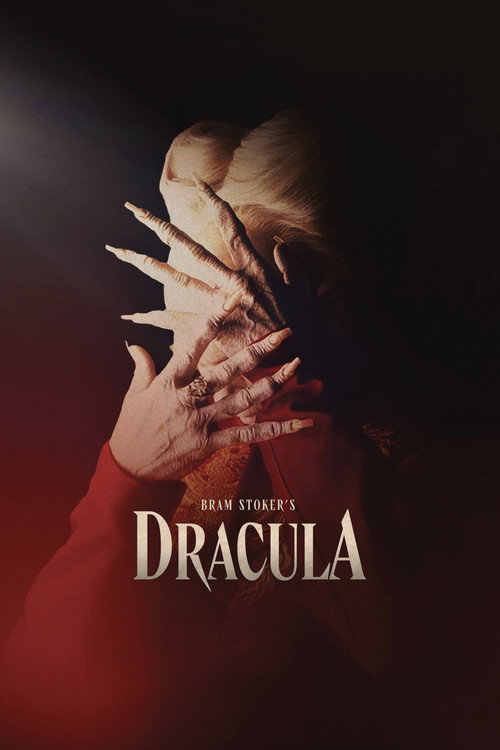
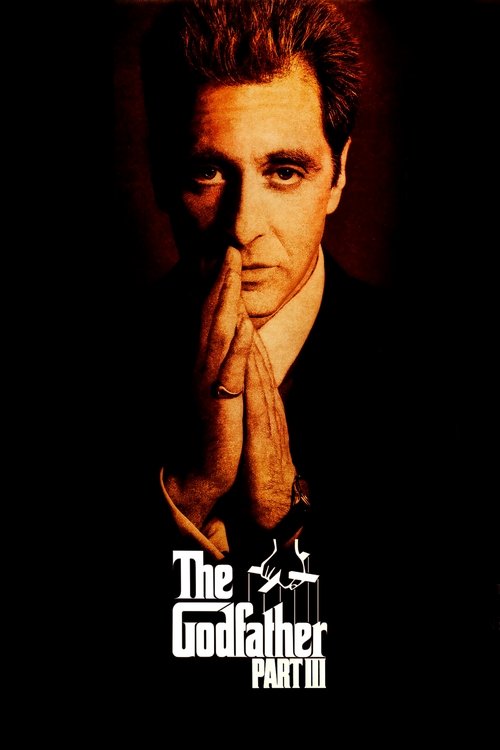
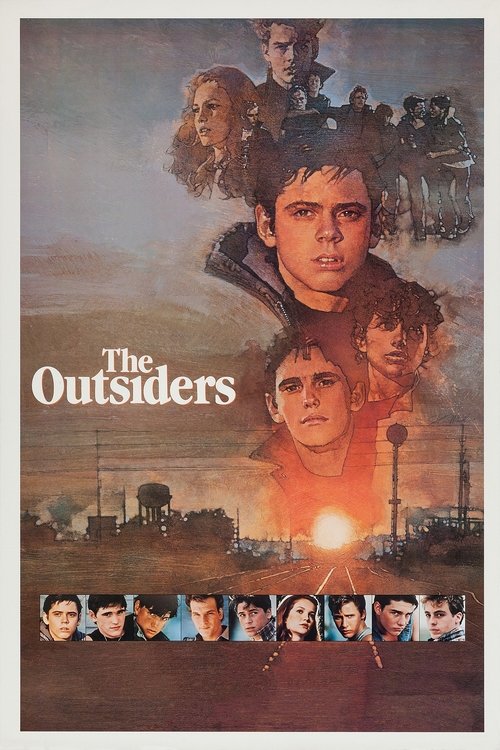
The next phases of his career were more uneven but often fascinating. One from the Heart was an expensive studio experiment that damaged his finances, yet it also demonstrated his interest in electronic cinema, soundstage artifice, and new production methods. He directed or produced films including The Outsiders, Rumble Fish, The Cotton Club, Peggy Sue Got Married, Tucker: The Man and His Dream, The Godfather Part III, Bram Stoker's Dracula, Jack, The Rainmaker, Youth Without Youth, Tetro, Twixt, and Megalopolis. The range shows a director moving between youth melodrama, literary adaptation, Gothic spectacle, legal drama, and self-financed personal projects.
Coppola is also significant as a producer and mentor. Through American Zoetrope, the company he co-founded with George Lucas, he championed a more independent model of American filmmaking, even when the economics proved difficult. His children Roman Coppola and Sofia Coppola became filmmakers, and his late wife Eleanor Coppola documented aspects of his work and pursued her own artistic career. Awards and honors, including five competitive Academy Awards, the Irving G. Thalberg Memorial Award, Kennedy Center Honors, and the AFI Life Achievement Award, reflect both the scale of his achievements and his unusually long cultural presence.
Coppola's legacy rests on more than a handful of canonical titles. He represents the ambition and risk of New Hollywood: the belief that popular American cinema could be operatic, literary, politically haunted, technically adventurous, and personally authored. His failures have often been as revealing as his triumphs, because they show a filmmaker repeatedly willing to stake money, reputation, and comfort on the possibility of making cinema feel new again.
References:
[1] Wikipedia, “Francis Ford Coppola” — https://en.wikipedia.org/wiki/Francis_Ford_Coppola
[2] Encyclopaedia Britannica, “Francis Ford Coppola” — https://www.britannica.com/biography/Francis-Ford-Coppola
[3] Oscars.org, “Francis Ford Coppola” — https://www.oscars.org/governors-awards/francis-ford-coppola
[4] AFI, “Francis Ford Coppola” — https://www.afi.com/laa/francis-ford-coppola/
[5] BFI, “Francis Ford Coppola: 10 essential films” — https://www.bfi.org.uk/lists/francis-ford-coppola-10-essential-films
[6] IMDb, “Francis Ford Coppola” — https://www.imdb.com/name/nm0000338/
[7] The Movie Database, “Francis Ford Coppola” — https://www.themoviedb.org/person/1776-francis-ford-coppola
[8] Wikipedia, “The Godfather” — https://en.wikipedia.org/wiki/The_Godfather
[9] Wikipedia, “The Conversation” — https://en.wikipedia.org/wiki/The_Conversation
[10] Wikipedia, “Apocalypse Now” — https://en.wikipedia.org/wiki/Apocalypse_Now

Producer · 2024 · Not rated yet
Most liked
Top comments