Loading the marquee…
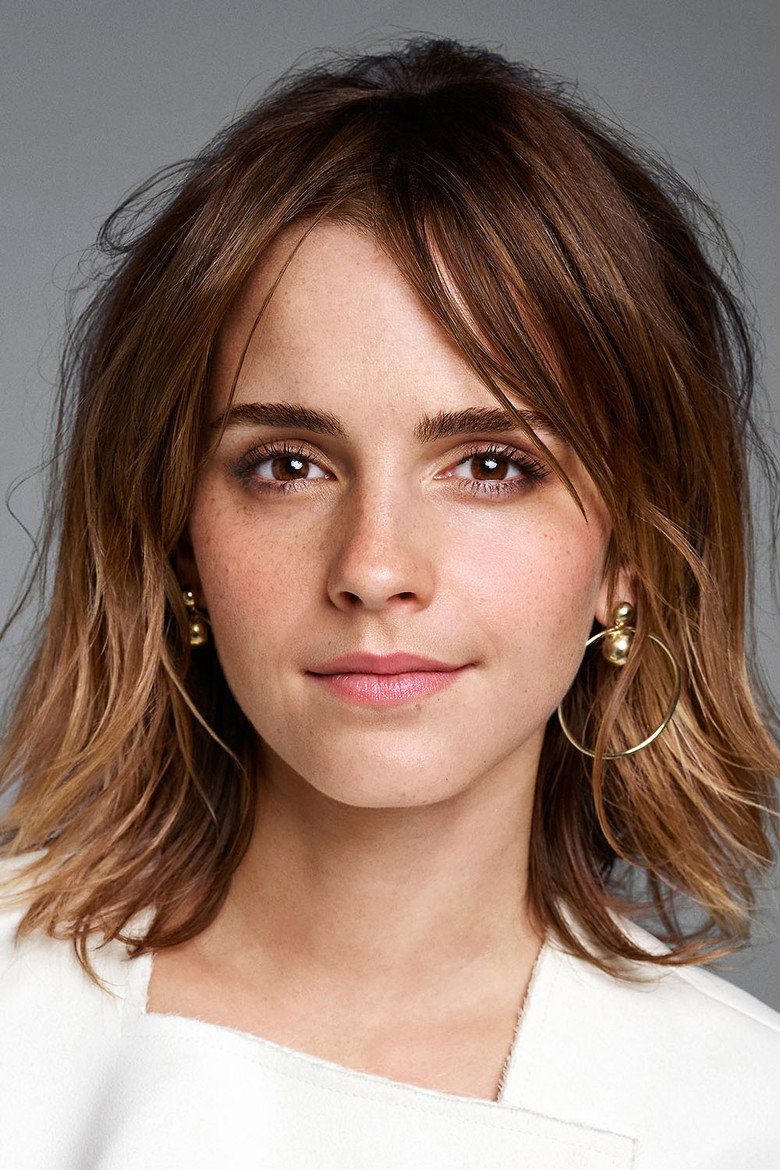
Acting
Emma Watson
- Born
- Unknown
Awards
- Time 1002015 · Time 100
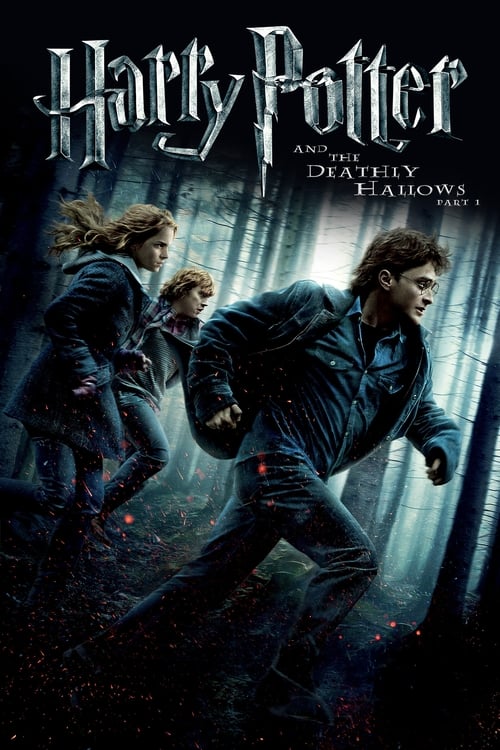
- Teen Choice Award for Choice Movie Actress - Sci-Fi/Fantasy2011 · Teen Choice Award for Choice Movie Actress - Sci-Fi/Fantasy · Harry Potter and the Deathly Hallows: Part 1
- Teen Choice Award for Choice Movie: Liplock2011 · Teen Choice Award for Choice Movie: Liplock · Harry Potter and the Deathly Hallows: Part 1
- Teen Choice Award for Choice Summer Movie Star: Female2011 · Teen Choice Award for Choice Summer Movie Star: Female · Harry Potter and the Deathly Hallows: Part 1
- Young Artist Award for Best Leading Young Actress in a Feature Film2002 · Young Artist Award for Best Leading Young Actress in a Feature Film · Harry Potter and the Philosopher's Stone
Biography
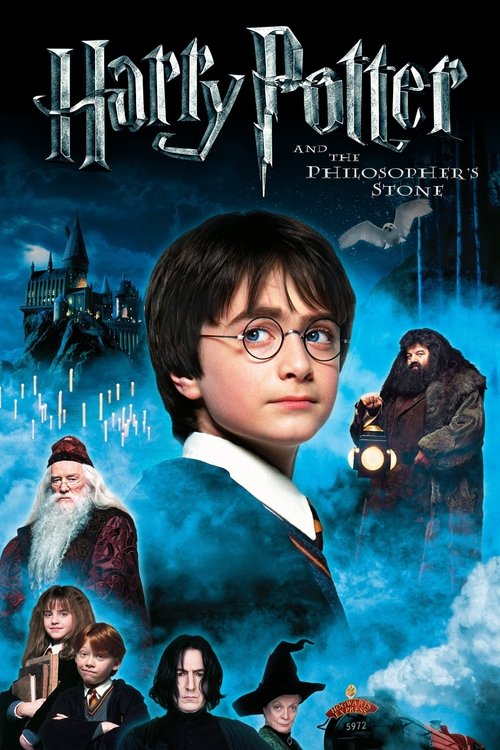
Emma Watson is an English actor, activist and public figure whose public life has been shaped by the unusual transition from child stardom to adult advocacy. Born Emma Charlotte Duerre Watson on 15 April 1990 in Paris to English parents, she moved to Oxfordshire as a child and trained in school and youth theatre before being cast as Hermione Granger in the Harry Potter film series. The role made her internationally famous before adolescence and linked her permanently with one of the most successful literary and film franchises in modern popular culture.
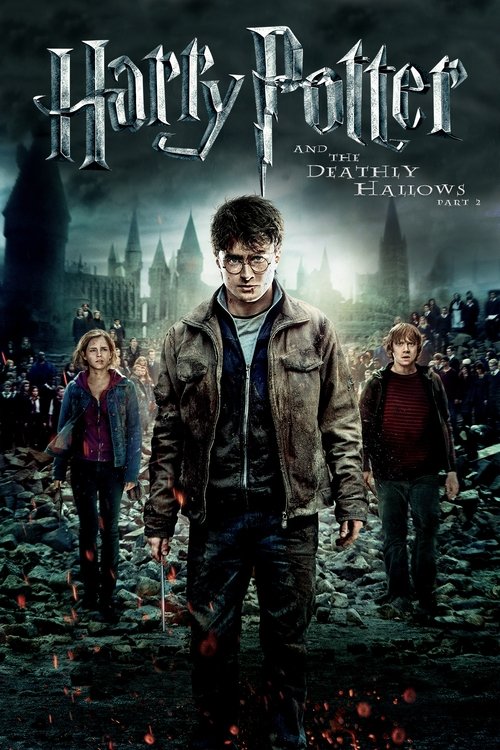
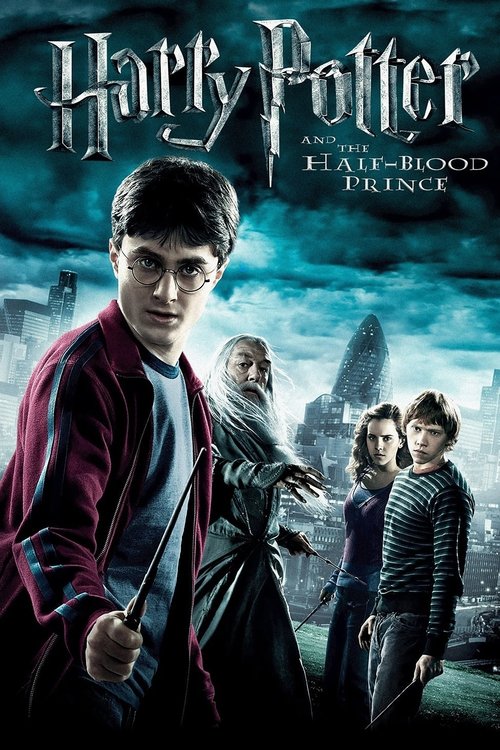
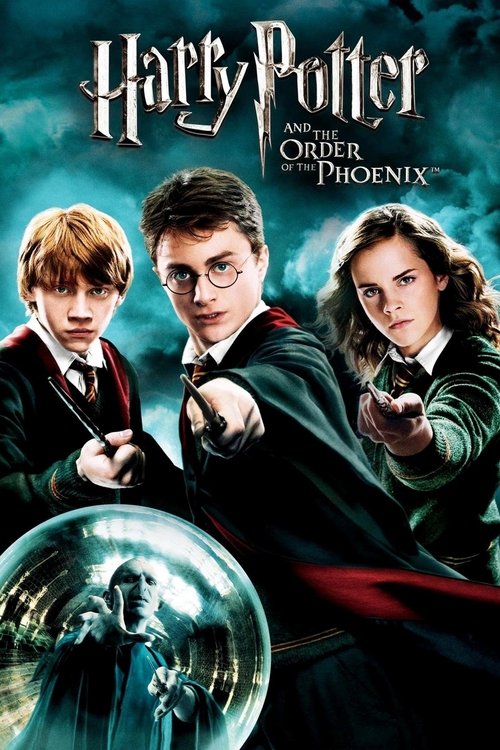
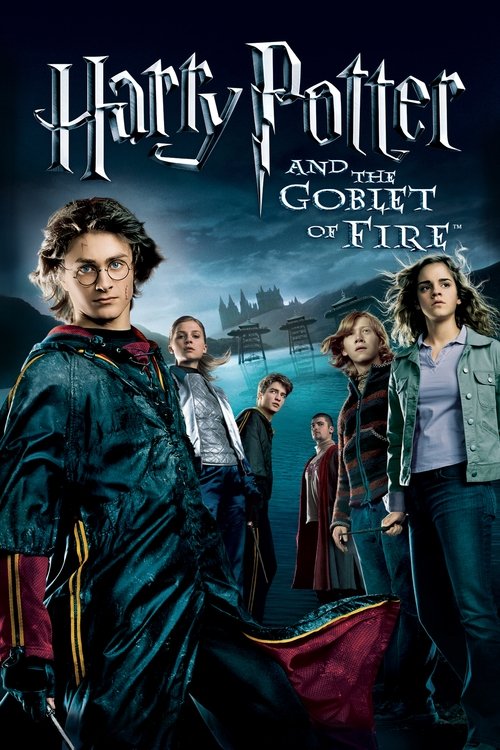
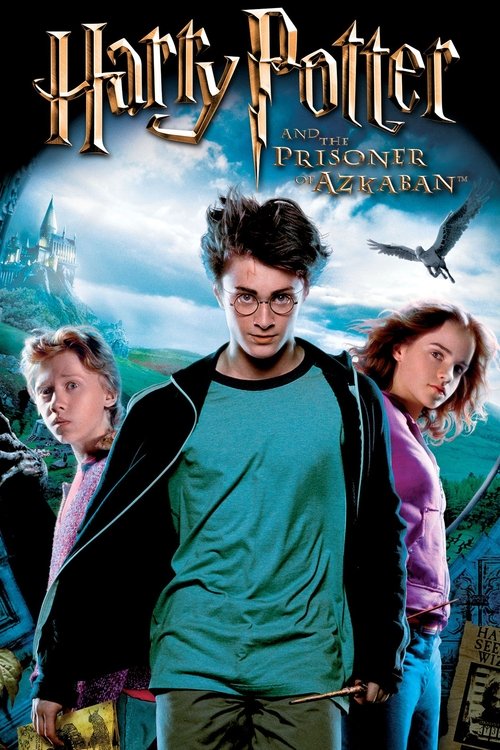
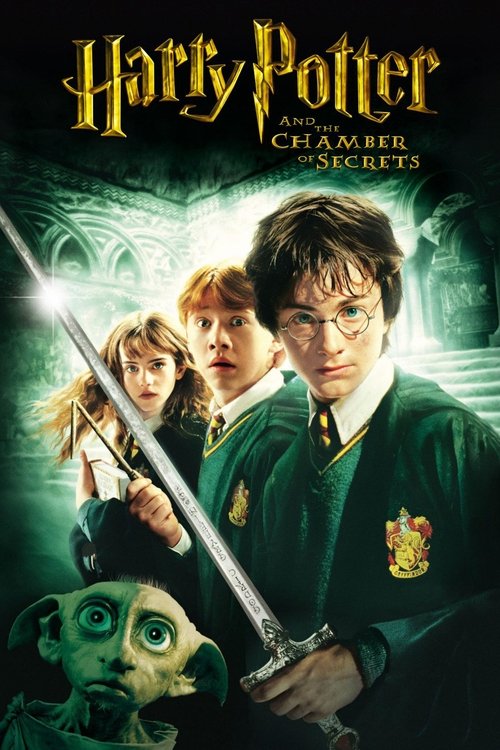
Watson played Hermione from Harry Potter and the Philosopher's Stone through Harry Potter and the Deathly Hallows: Part 2, appearing across all eight films released between 2001 and 2011. Hermione's intelligence, discipline and moral courage were central to the series, and Watson grew up on screen alongside Daniel Radcliffe and Rupert Grint. Her performance changed with the films: the early precision and bossiness of the young student gradually gave way to a more serious portrait of loyalty, fear and resolve as the story darkened. The franchise made Watson financially independent and globally recognizable, but it also created the challenge of defining an adult career beyond a role associated with childhood.
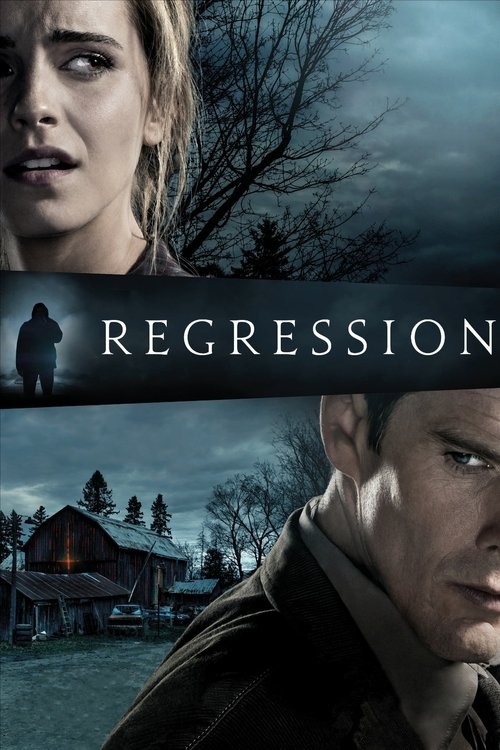
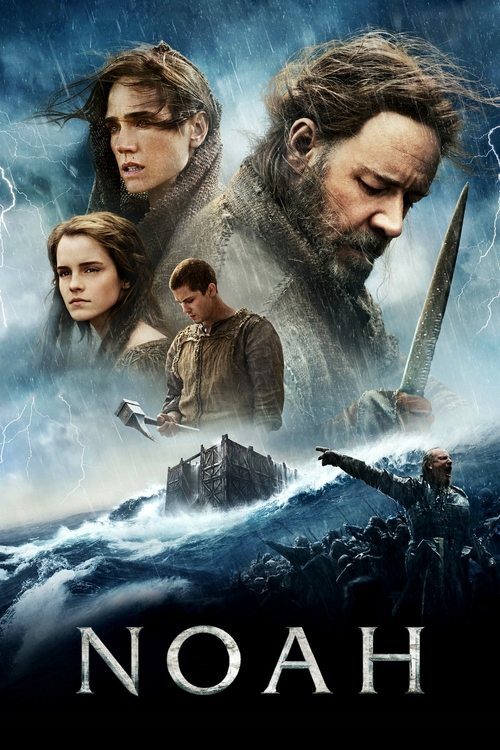
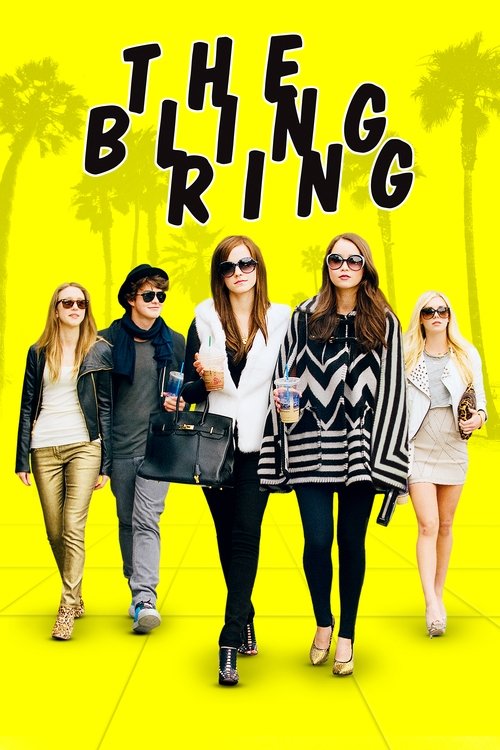
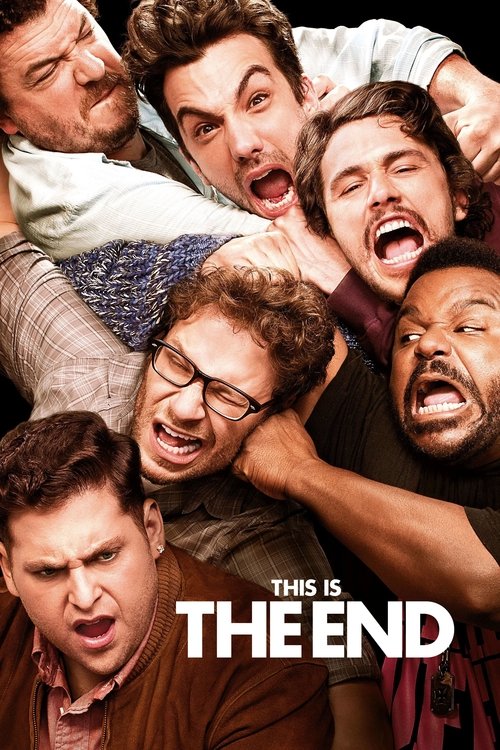
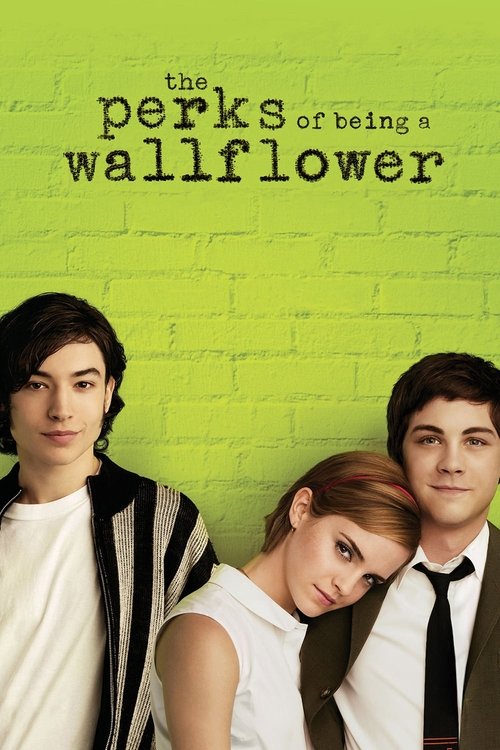
After Harry Potter, Watson chose a mixture of literary adaptation, independent film and mainstream work. She appeared in My Week with Marilyn and then took a significant post-franchise step with The Perks of Being a Wallflower, playing Sam in a coming-of-age drama that showed she could work outside fantasy spectacle. She played herself in the comedy This Is the End, joined Sofia Coppola's The Bling Ring as a celebrity-obsessed teenager, and appeared in Darren Aronofsky's Noah. These roles were not all designed to make her a conventional movie star; many seemed chosen to test how audiences would see her in contemporary, flawed or self-aware contexts.
Filmography
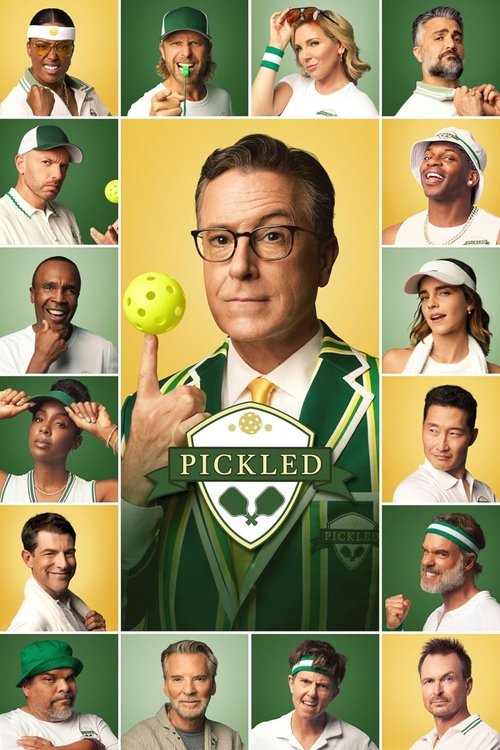
Pickled
as Self · 2022 · Not rated yet
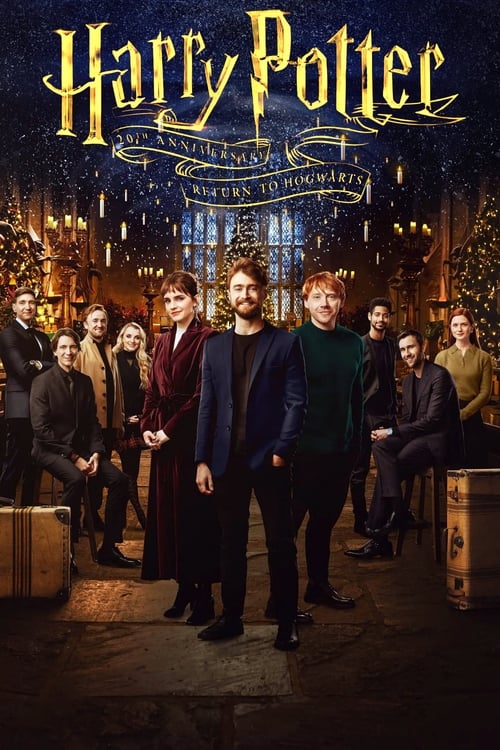
Harry Potter 20th Anniversary: Return to Hogwarts
as Self · 2022 · Not rated yet
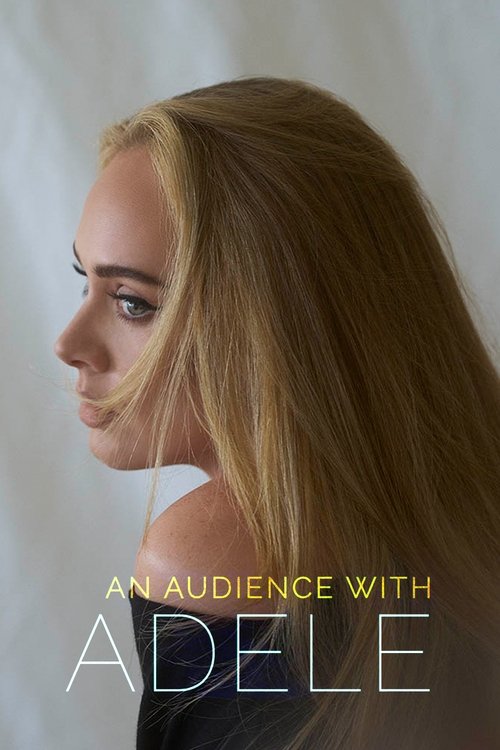
An Audience with Adele
as Self · 2021 · Not rated yet
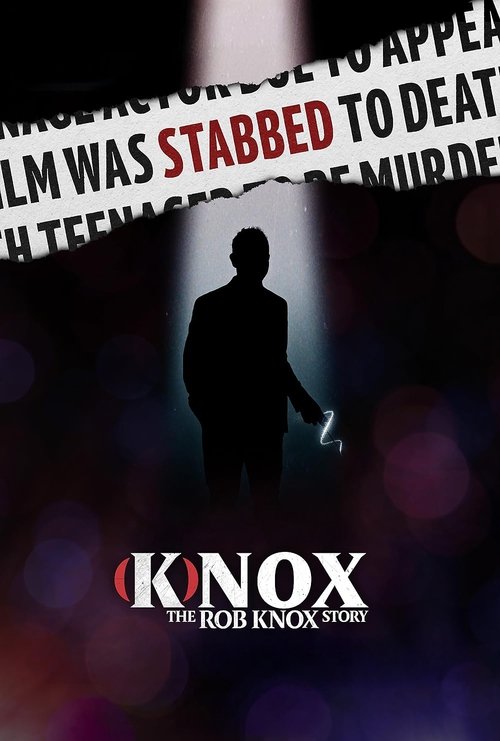
(K)nox: The Rob Knox Story
as Self (archive footage) · 2021 · Not rated yet
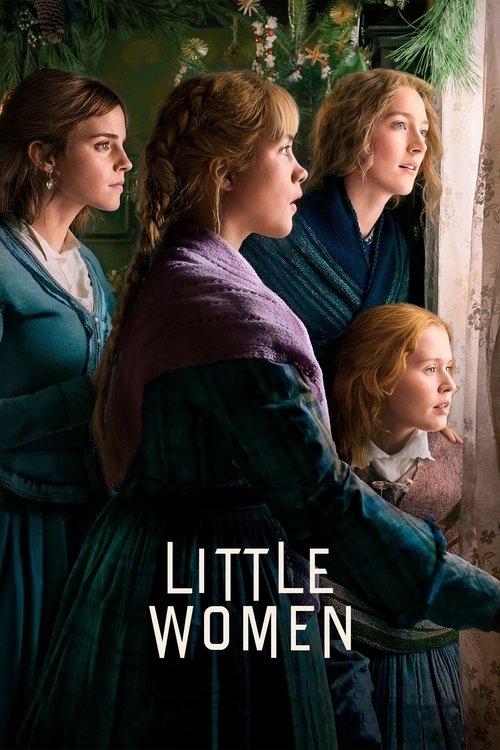
Little Women
as Meg March · 2019 · Not rated yet
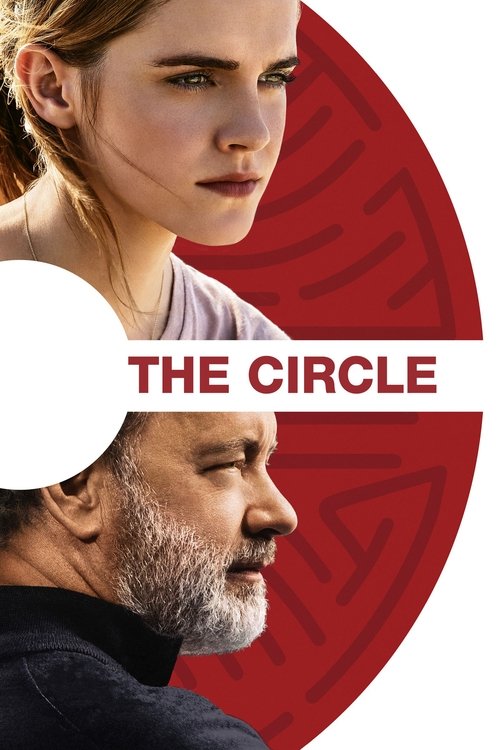
The Circle
as Mae Holland · 2017 · Not rated yet
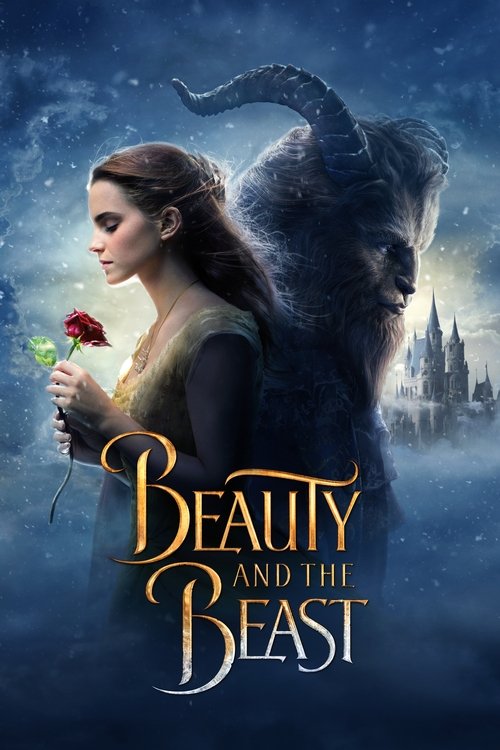
Beauty and the Beast
as Belle · 2017 · Not rated yet

Colonia
as Lena · 2016 · Not rated yet
Community
Emma Watson discussion
Community
Emma Watson forum
Discuss Emma Watson. By default, replies in a topic go to the original poster; use a message’s Reply button to reply to someone specific.
Sign in to post in the forum.
No forum topics yet. Start the conversation.
Most liked
Top comments