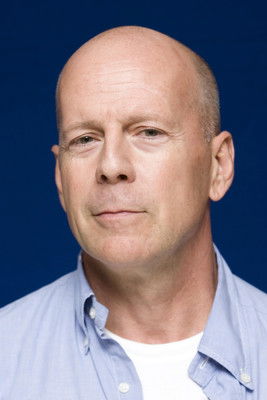
Walter Bruce Willis (born March 19, 1955) is a retired American actor whose career moved from stage work and television comedy-drama into some of the most commercially recognizable action, thriller, science-fiction, and ensemble films of the late twentieth and early twenty-first centuries. He became a national star as private detective David Addison Jr. on the ABC series Moonlighting, then transformed his screen image with the role of New York police officer John McClane in Die Hard. Over a career that lasted from the early 1980s until his retirement in 2022, Willis built a filmography that included blockbuster action vehicles, offbeat genre pieces, voice work, studio comedies, and acclaimed supporting performances for directors including Quentin Tarantino, Terry Gilliam, M. Night Shyamalan, Robert Zemeckis, Luc Besson, Wes Anderson, Barry Levinson, and Rian Johnson.
Willis was born in Idar-Oberstein, West Germany, where his father, David Willis, was serving in the United States military. His mother, Marlene, was German. After his father left the service, the family moved to southern New Jersey, and Willis grew up in a blue-collar household around Carneys Point and Penns Grove. He later spoke publicly about having a childhood stutter and about finding that performance helped him control it. At Penns Grove High School, he became involved in drama and student activities, experiences that pointed him toward acting even though his early working life included ordinary industrial and security jobs. He studied drama at Montclair State University but left before completing a degree, moving to New York City and supporting himself with jobs that included bartending while pursuing stage and screen work.
Discuss Bruce Willis. By default, replies in a topic go to the original poster; use a message’s Reply button to reply to someone specific.
Sign in to post in the forum.
No forum topics yet. Start the conversation.
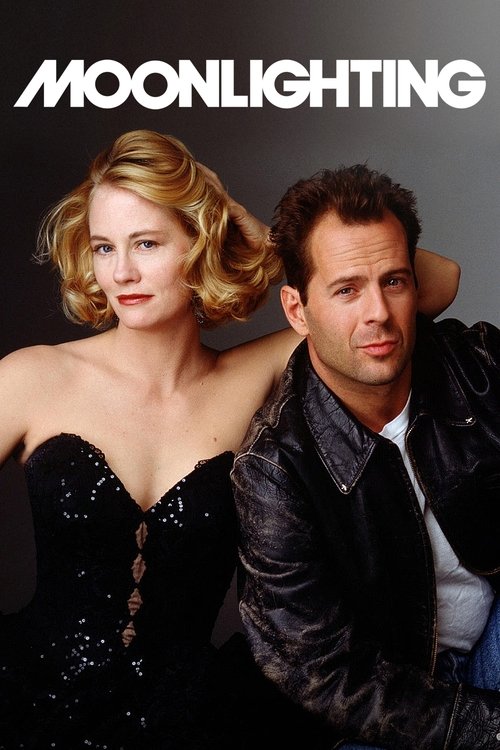
His first professional years were rooted in theater and small screen appearances. Willis worked off Broadway and made minor television appearances before Moonlighting changed the scale of his career. Cast opposite Cybill Shepherd, he played David Addison with a loose, wisecracking style that mixed romantic comedy, mystery, and self-aware banter. The series ran from 1985 to 1989 and made Willis a television celebrity. It also established traits that would follow him into films: comic timing, a slightly rumpled leading-man presence, and an ability to make vulnerability and sarcasm coexist in the same performance. For Moonlighting he won a Primetime Emmy Award and a Golden Globe Award, giving him major industry recognition before his most famous film role had even arrived.
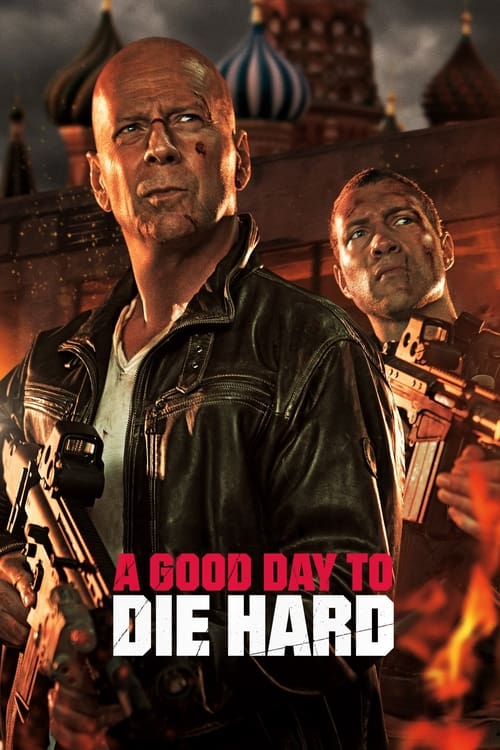
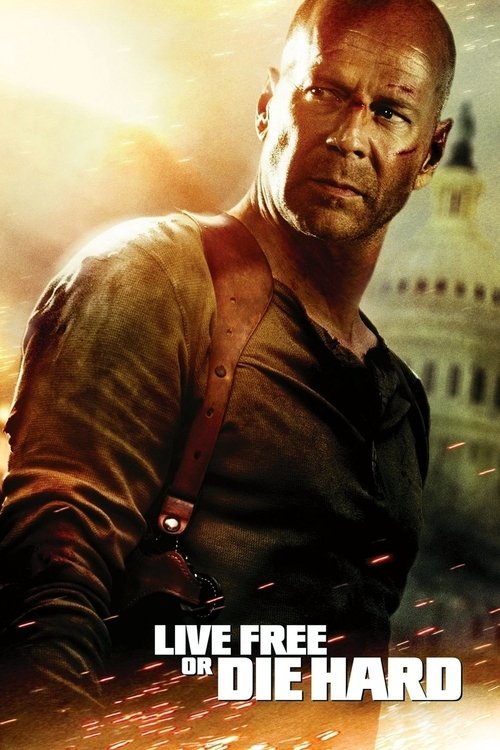
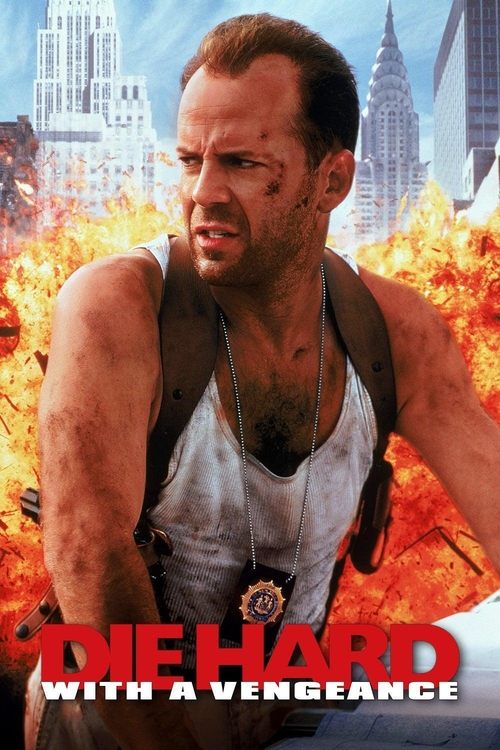
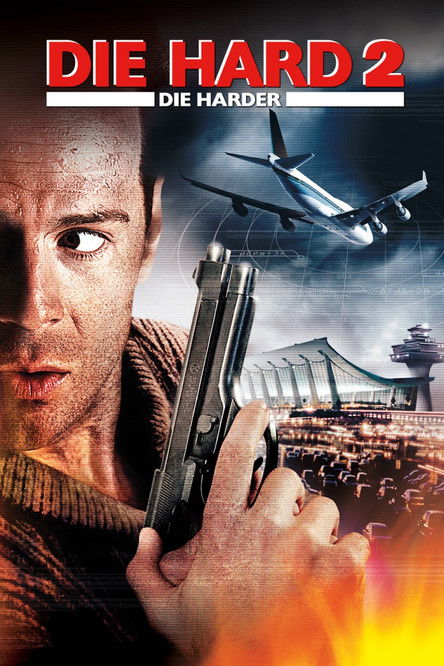
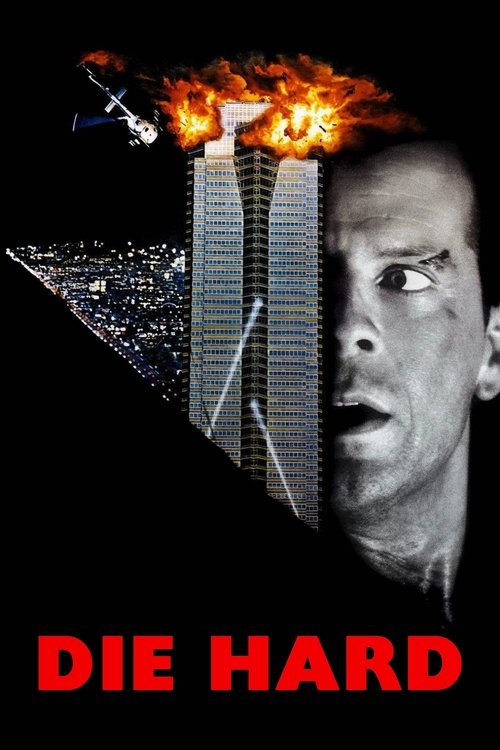
Willis moved into leading film roles with Blind Date in 1987 and Sunset in 1988, both directed by Blake Edwards, but Die Hard was the turning point. Released in 1988, John McTiernan's action thriller cast Willis not as an invincible muscle-bound hero but as a wounded, barefoot, frightened, stubborn police officer trapped in a Los Angeles skyscraper during a terrorist takeover. John McClane's mix of fear, jokes, pain, and resilience helped reshape the modern action hero, and the film became a durable popular success. Willis returned to the part in Die Hard 2, Die Hard with a Vengeance, Live Free or Die Hard, and A Good Day to Die Hard, making McClane the defining role of his career while still leaving room for a more varied body of work.
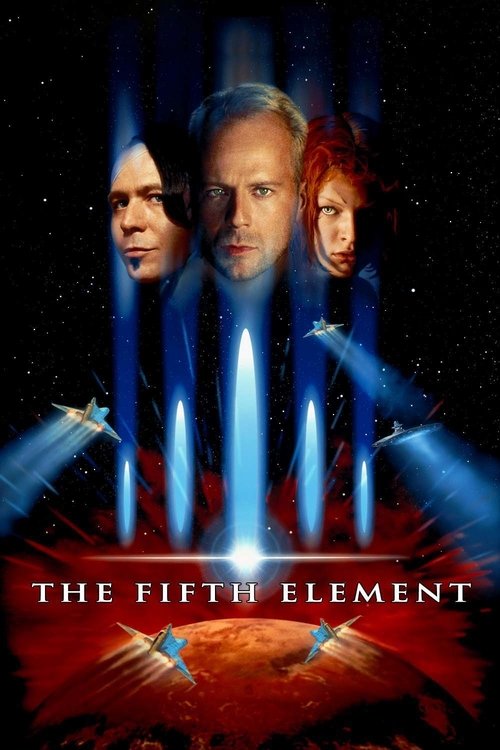
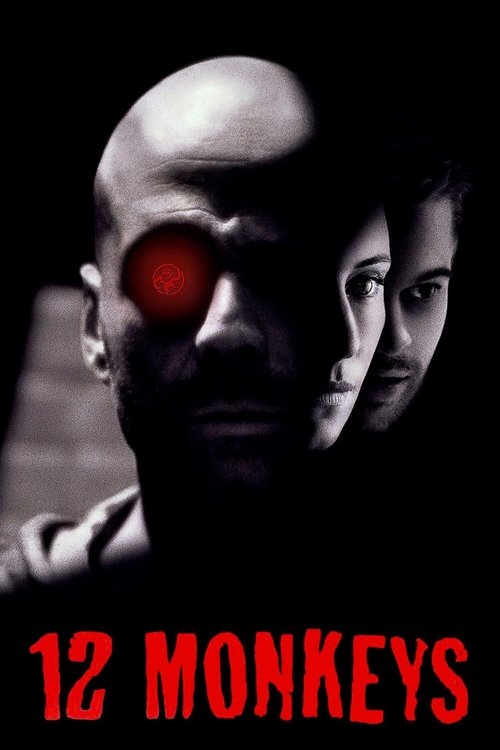
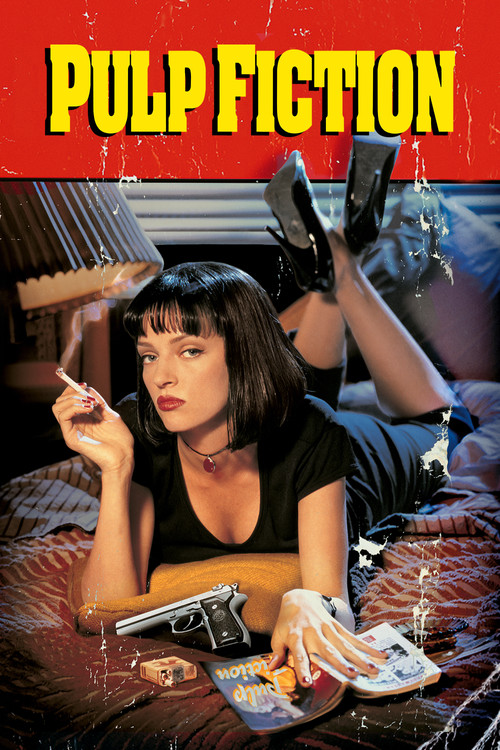
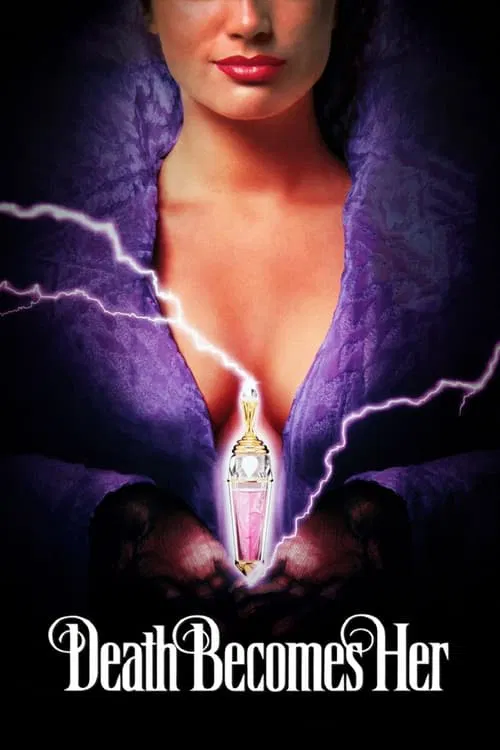
The 1990s showed the breadth of Willis's screen persona. He appeared in commercial action films and thrillers, but he also took chances in darker or more eccentric projects. In Quentin Tarantino's Pulp Fiction, he played Butch Coolidge, an aging boxer whose refusal to throw a fight leads into one of the film's strangest and most memorable storylines. In Terry Gilliam's 12 Monkeys, Willis played James Cole, a prisoner sent through time in a bleak science-fiction story; the role leaned on confusion, melancholy, and restraint rather than swagger. He worked with Robert Zemeckis in Death Becomes Her, with Luc Besson in The Fifth Element, and with Michael Bay in Armageddon, moving comfortably between black comedy, futuristic spectacle, and large-scale disaster melodrama.
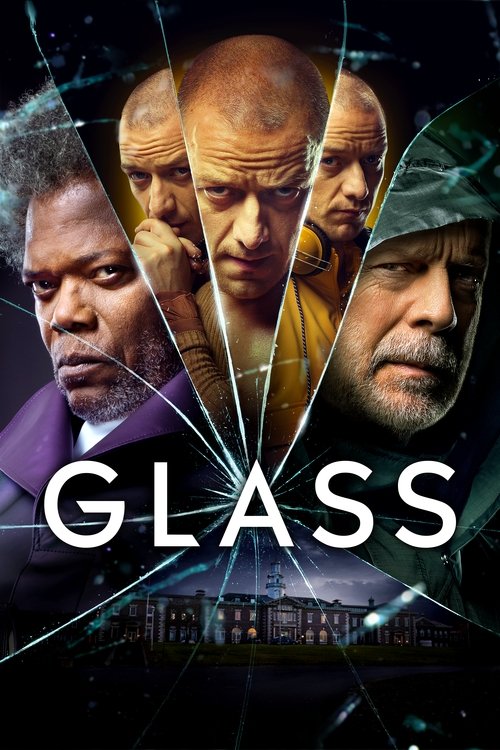
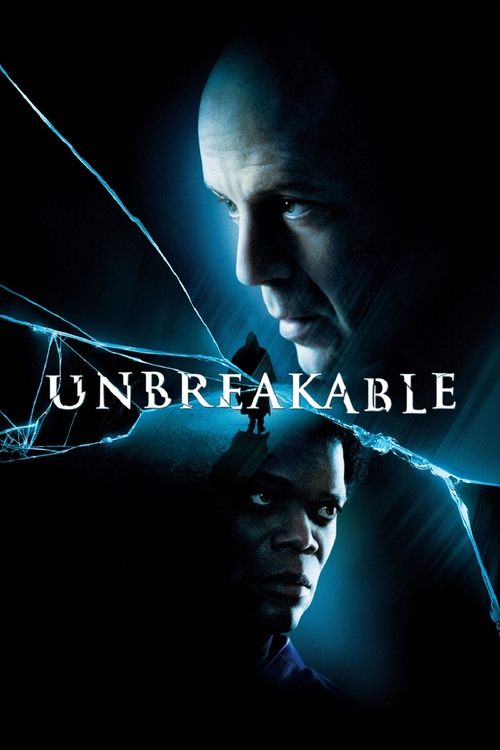
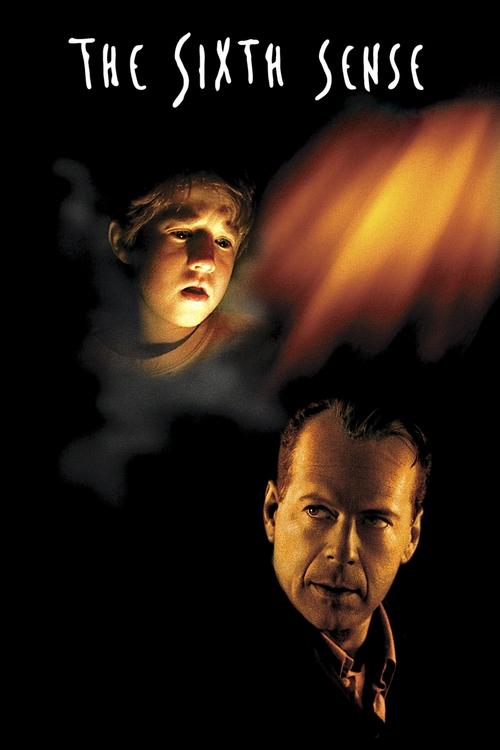
One of Willis's most important late-1990s collaborations was with M. Night Shyamalan. In The Sixth Sense, he played child psychologist Malcolm Crowe opposite Haley Joel Osment in a supernatural drama that became a major box-office phenomenon. The performance was unusually quiet by action-star standards, built around grief, patience, and a subdued emotional register. Willis and Shyamalan followed it with Unbreakable, where Willis played David Dunn, a security guard slowly confronting the possibility that his survival and strength have a mythic explanation. The character later returned in Glass, linking the performance to one of the better-known superhero-adjacent film cycles outside the dominant comic-book franchises.
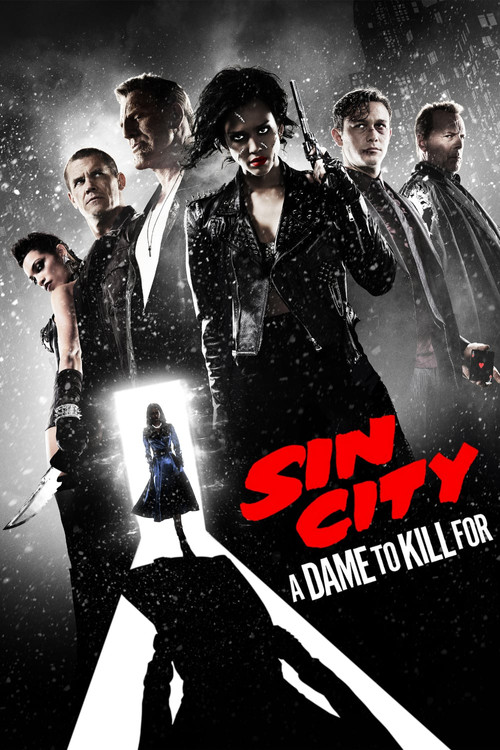
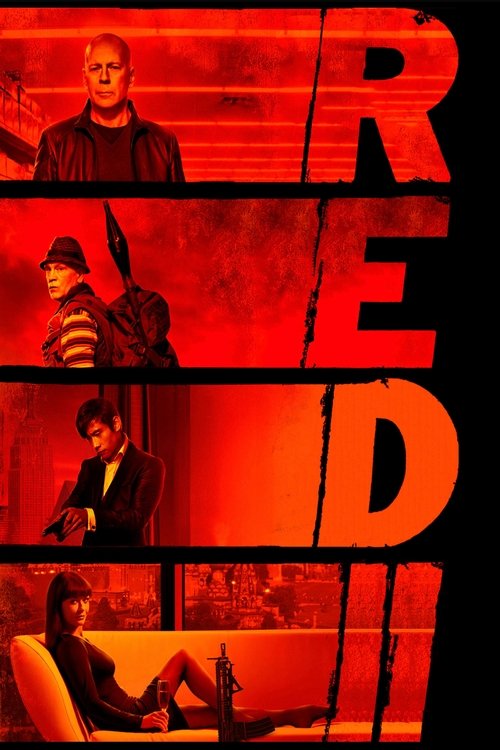
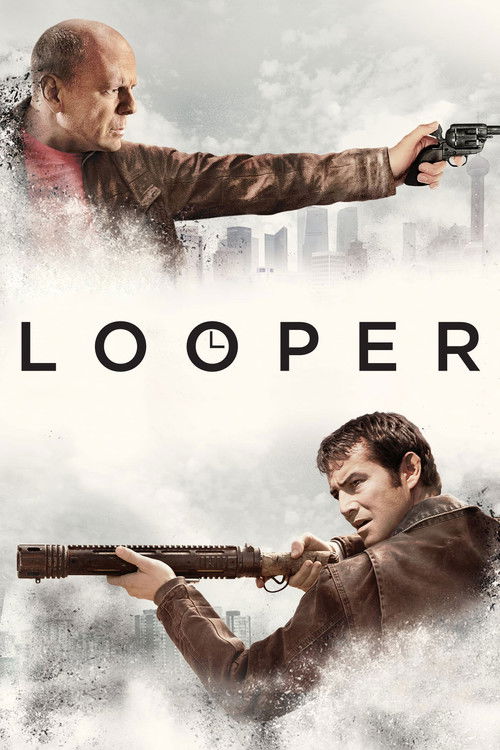
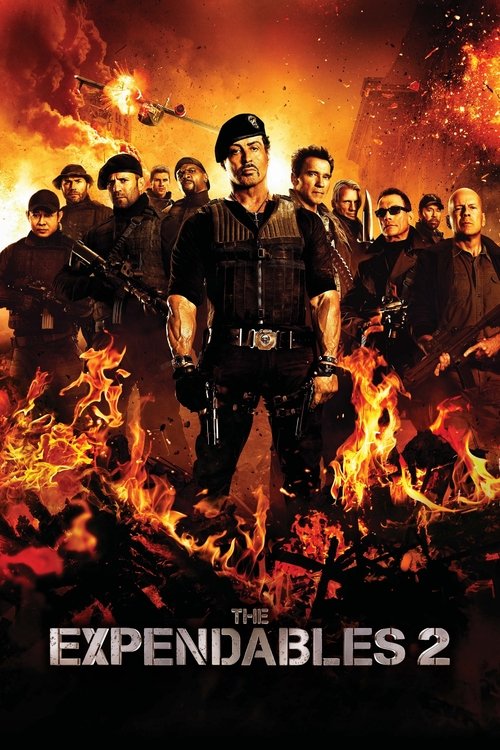
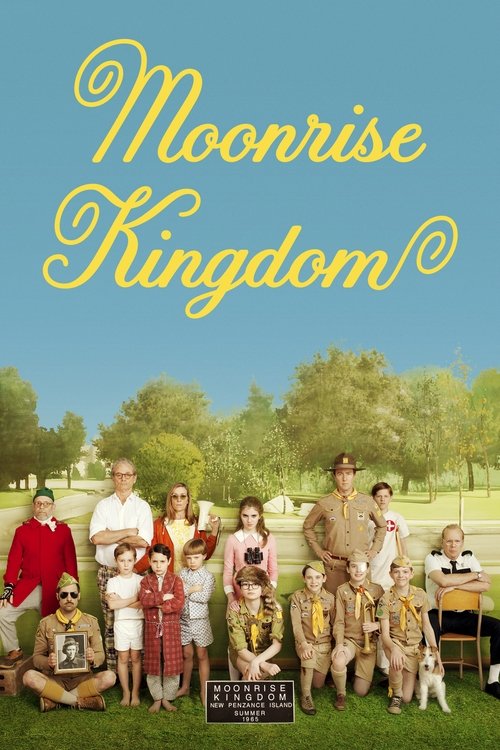
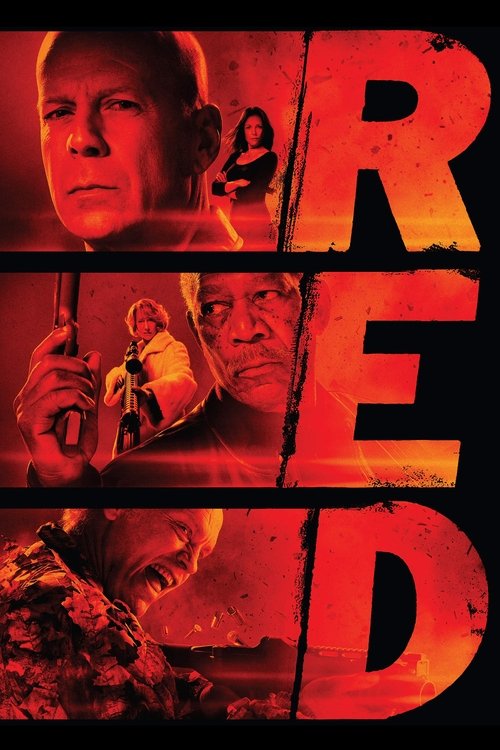
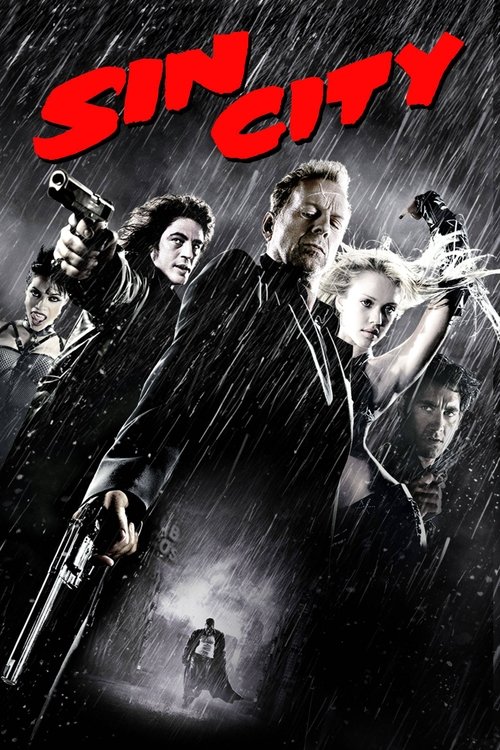
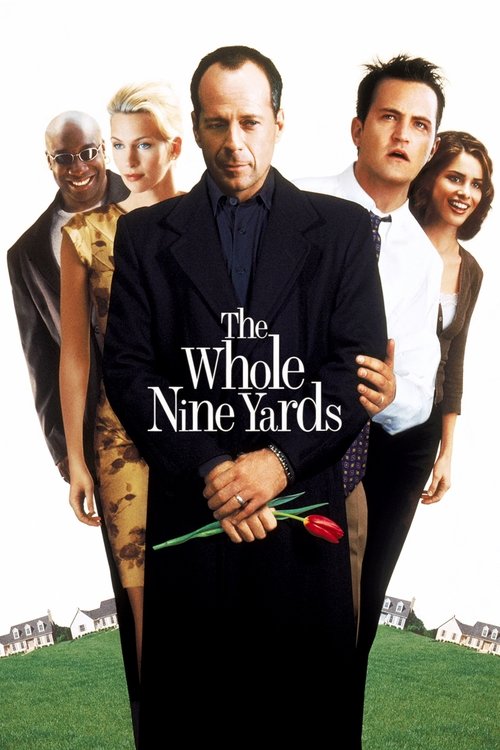
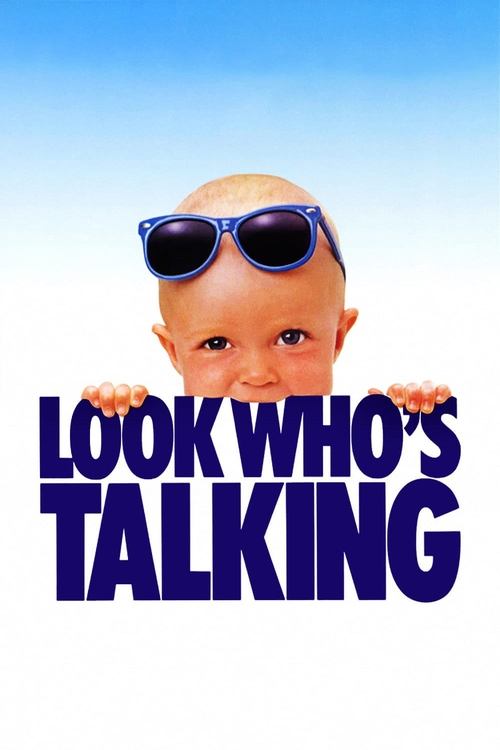
Willis also maintained a parallel career in comedy and ensemble entertainment. He voiced baby Mikey in Look Who's Talking and its sequel, played romantic and criminal comic variations in The Whole Nine Yards and Bandits, and appeared in the stylized comic-book crime film Sin City. He joined ensemble action casts in Red and The Expendables, then took on supporting or character roles in projects such as Moonrise Kingdom and Looper. The latter used his familiar action image in a time-travel story where Joseph Gordon-Levitt played the younger version of his character, allowing Willis to work within genre conventions while reflecting on age, regret, and violence.
Outside acting, Willis briefly enjoyed a music career during the height of his 1980s celebrity. His album The Return of Bruno presented him through a blues-and-soul alter ego and produced a successful cover of Respect Yourself, with Under the Boardwalk also becoming a hit in the United Kingdom. He later made his Broadway debut in a stage adaptation of Misery, returning to live performance decades after his early theater work. His awards and honors include two Primetime Emmy Awards, a Golden Globe Award, People's Choice Awards, and a star on the Hollywood Walk of Fame. Box-office summaries of his career also place him among the most commercially successful leading actors of his era.
Willis's personal life was highly visible because of his fame and his marriage to actor Demi Moore, with whom he has three daughters, including actor Rumer Willis. After their divorce, he married model and entrepreneur Emma Heming, with whom he has two daughters. In March 2022, his family announced that he was stepping away from acting after being diagnosed with aphasia, a language disorder that affected his ability to communicate. In February 2023, the family said that his condition had been more specifically diagnosed as frontotemporal dementia. The announcements prompted wide public response because Willis had remained such a familiar screen presence across generations of viewers.
The shape of Willis's legacy rests on both stardom and flexibility. Die Hard alone would have secured his place in popular film history, but his best work ranged beyond that franchise: the bruised romantic-comic television lead of Moonlighting, the doomed boxer of Pulp Fiction, the haunted time traveler of 12 Monkeys, the gentle psychologist of The Sixth Sense, the weary protector of Looper, and the deadpan participant in stylized ensembles such as Red and Moonrise Kingdom. His career combined mainstream accessibility with a willingness to look foolish, tired, frightened, or morally compromised on screen. That mix made him not just an action star, but one of the defining American movie personalities of his generation.


















Most liked
Top comments