Acting
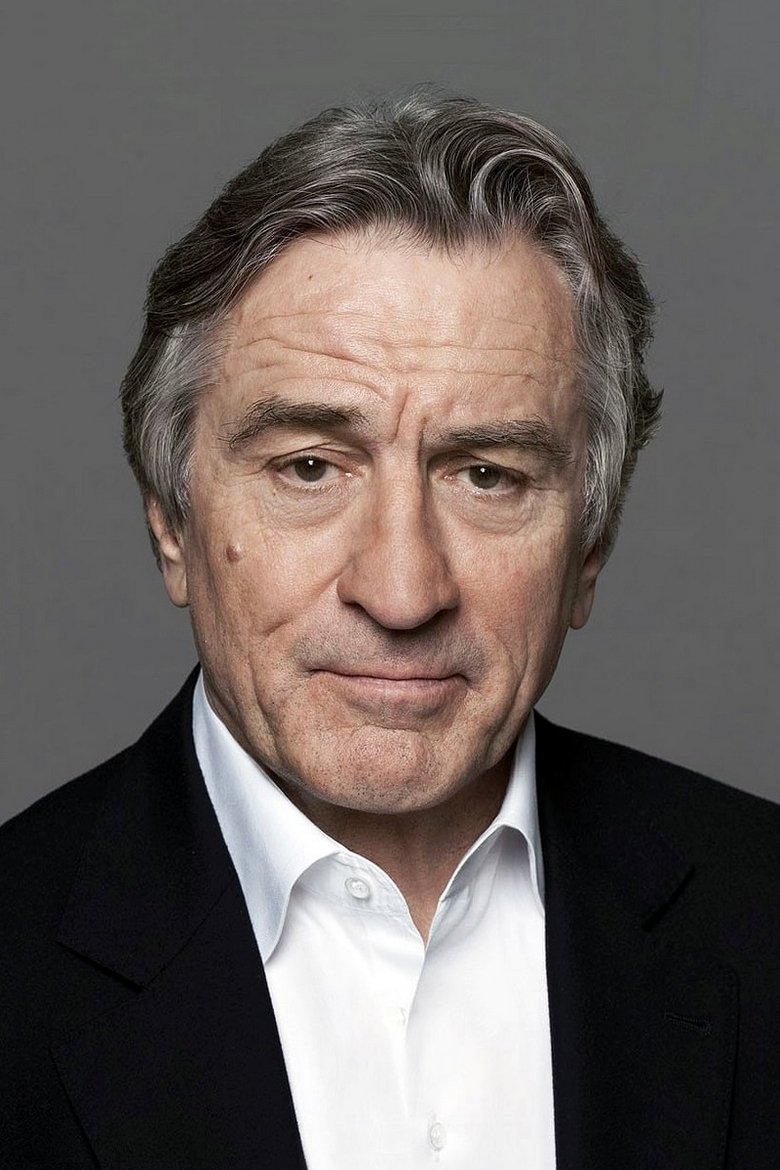
Robert Anthony De Niro (born August 17, 1943) is an American actor, producer, director, and film-culture entrepreneur whose work has been central to modern American cinema for more than half a century. Closely associated with Martin Scorsese and with the generation of New Hollywood actors who brought psychological intensity and naturalistic detail to mainstream film, De Niro has moved between crime drama, period epic, comedy, thriller, biographical drama, and character roles. His major honors include two Academy Awards, a Golden Globe Award, the AFI Life Achievement Award, the Kennedy Center Honors, the Cecil B. DeMille Award, the Screen Actors Guild Life Achievement Award, the Presidential Medal of Freedom, and, later in his career, recognition at Cannes. He is also a co-founder of Tribeca Enterprises and the Tribeca Festival, institutions created in part to support New York film culture after the September 11 attacks.
De Niro was born in Manhattan, New York City, the son of painters Virginia Admiral and Robert De Niro Sr. He grew up around Greenwich Village and Little Italy, environments that later helped shape his feel for New York characters and neighborhoods. His parents separated when he was young, but his father remained nearby, and De Niro was exposed early to art, bohemian culture, and downtown city life. He began acting as a child, reportedly appearing as the Cowardly Lion in a school production of The Wizard of Oz, and later studied with several important acting teachers and institutions, including the Stella Adler Conservatory, HB Studio, and Lee Strasberg's Actors Studio. That training gave him a foundation in close observation, emotional preparation, and rigorous character work.

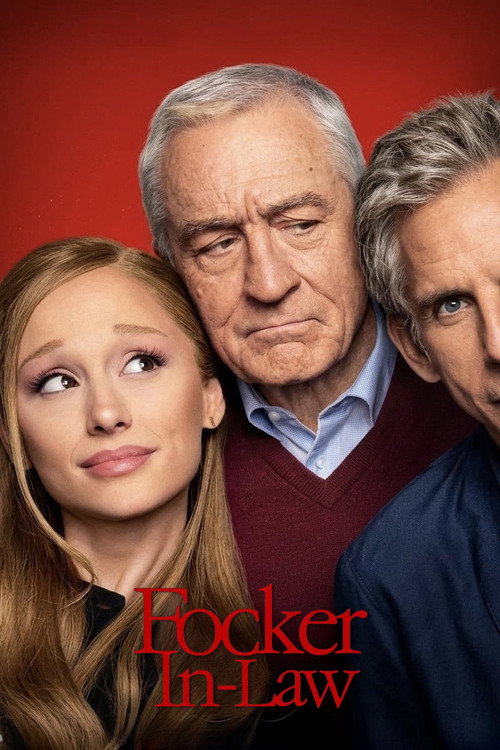
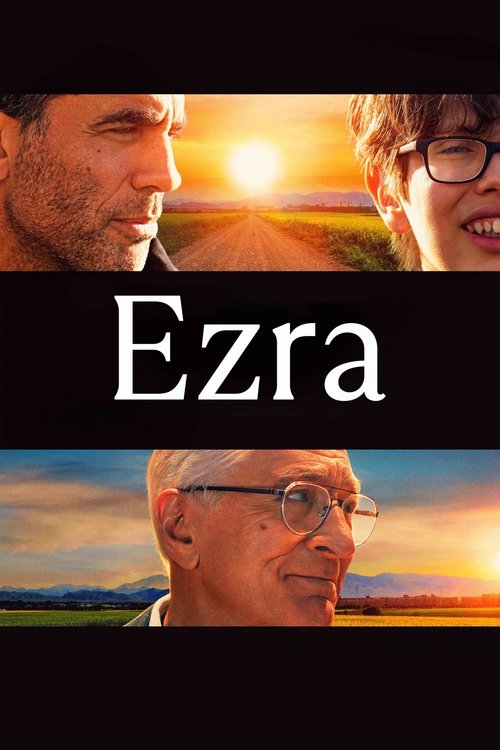
as Jack Byrnes · 2026 · Not rated yet

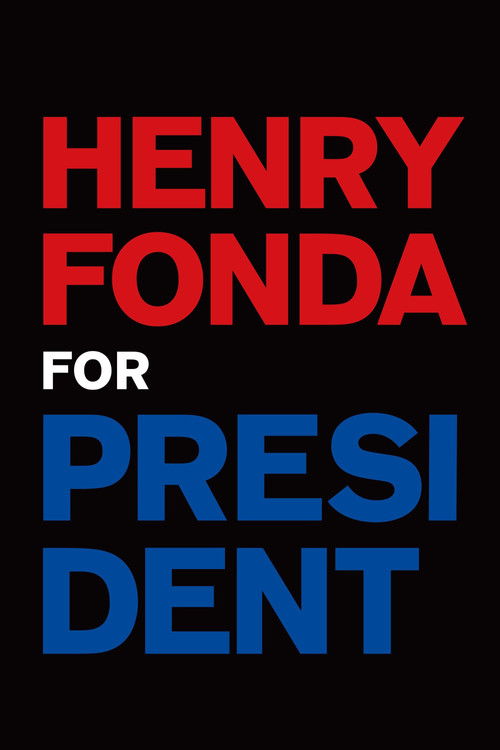
Producer · 2026 · Not rated yet

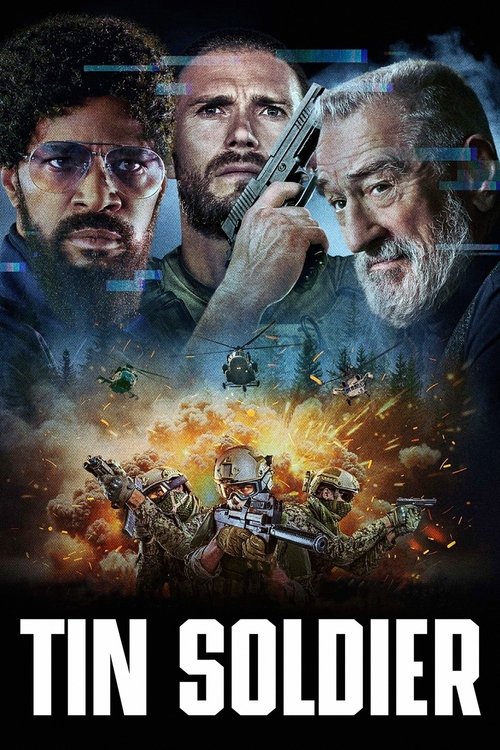
as Pete Willis · 2026 · Not rated yet

Actor · 2025 · Not rated yet

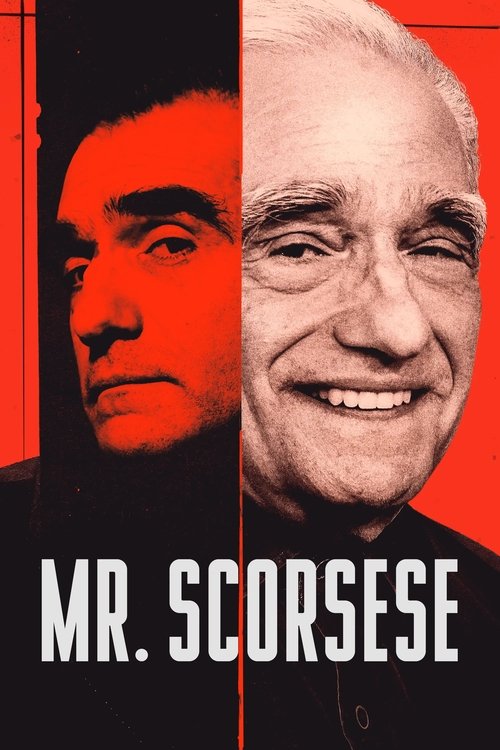
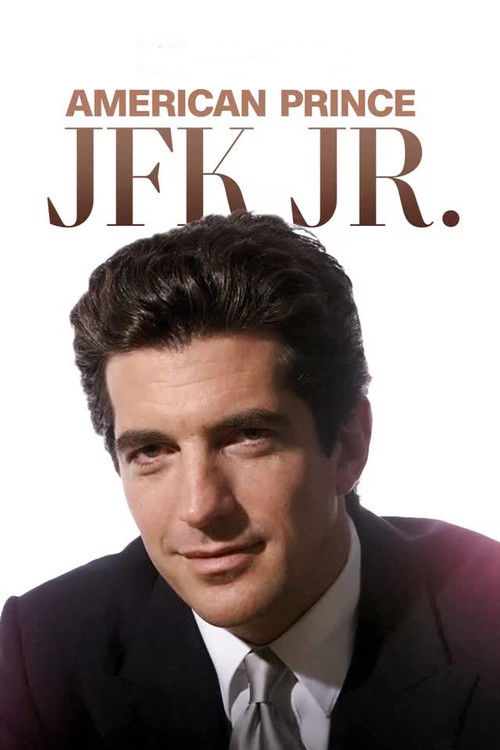
as Self · 2025 · Not rated yet

as Emmanuel Ashburn · 2025 · Not rated yet
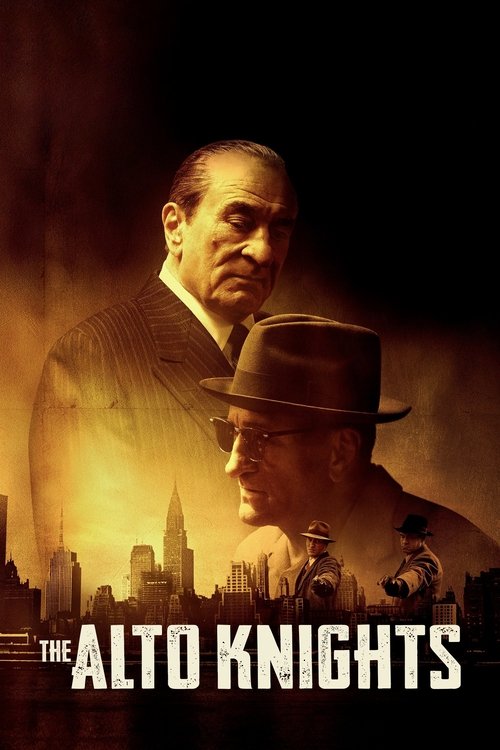
as Vito Genovese / Frank Costello · 2025 · Not rated yet
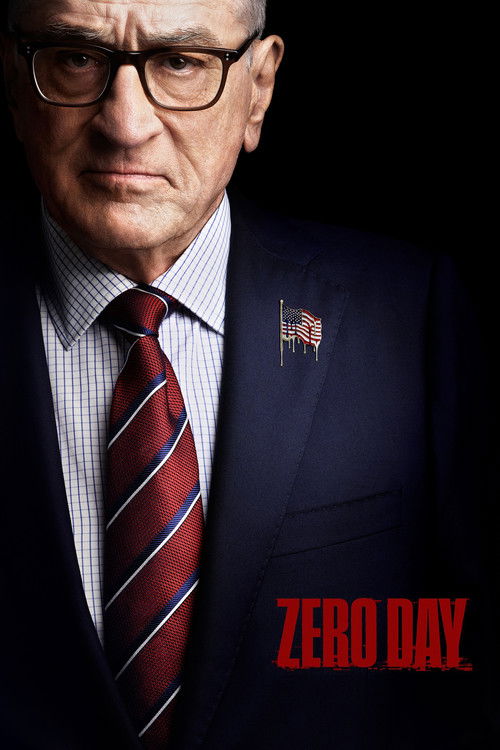
Actor · 2025 · Not rated yet
Community
Community
Discuss Robert De Niro. By default, replies in a topic go to the original poster; use a message’s Reply button to reply to someone specific.
Sign in to post in the forum.
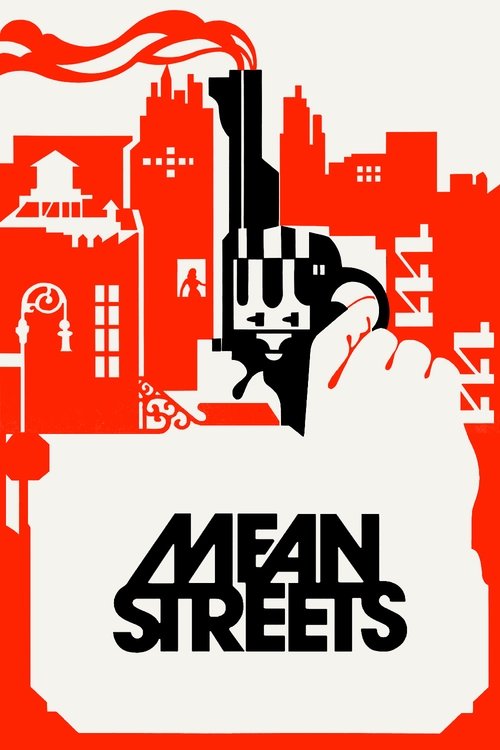
After early stage and screen work, De Niro began to attract notice in films by Brian De Palma, including Greetings and Hi, Mom!. His breakthrough came in the early 1970s with Bang the Drum Slowly and, especially, Mean Streets, his first major collaboration with Martin Scorsese. In Mean Streets he played Johnny Boy, a reckless small-time New York figure whose volatility, charm, and self-destruction announced De Niro as a distinctive screen presence. The performance also began one of the most important actor-director partnerships in American film, a collaboration that would repeatedly examine guilt, violence, masculinity, ambition, and moral decay.
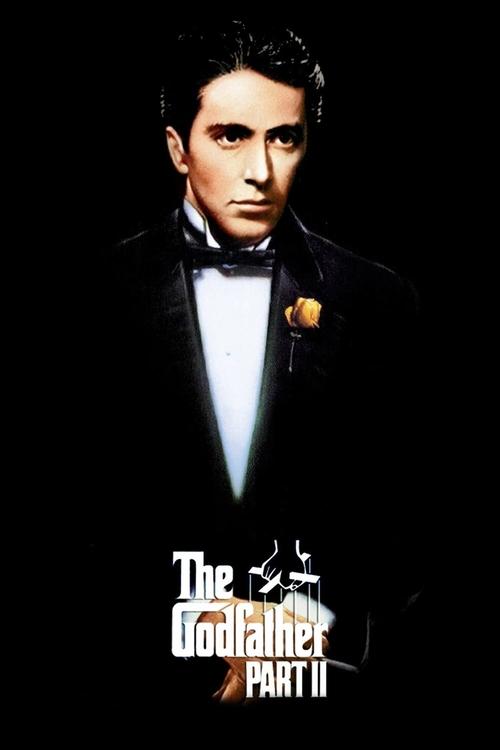
Francis Ford Coppola's The Godfather Part II brought De Niro his first Academy Award. Playing the young Vito Corleone, he built a performance that depended partly on Italian-language dialogue, physical restraint, and continuity with Marlon Brando's already iconic older Vito from the first Godfather film. De Niro's ability to make the younger character feel historically and emotionally connected to Brando's creation without merely imitating it became an early example of his precision. The win established him internationally and placed him among the most admired actors of his generation.
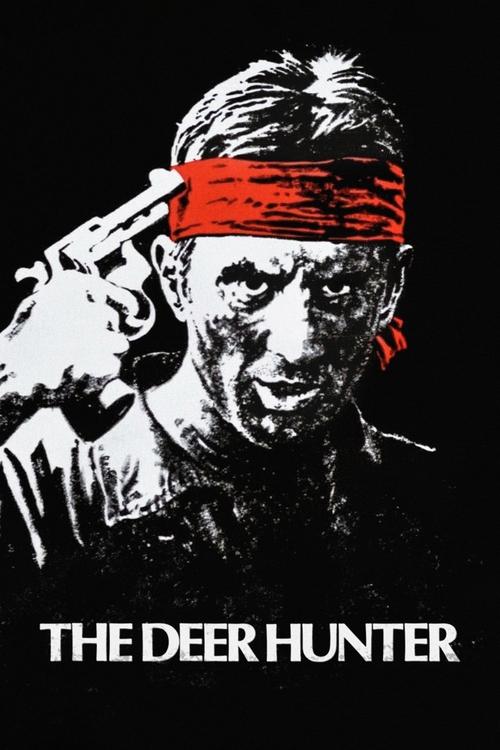
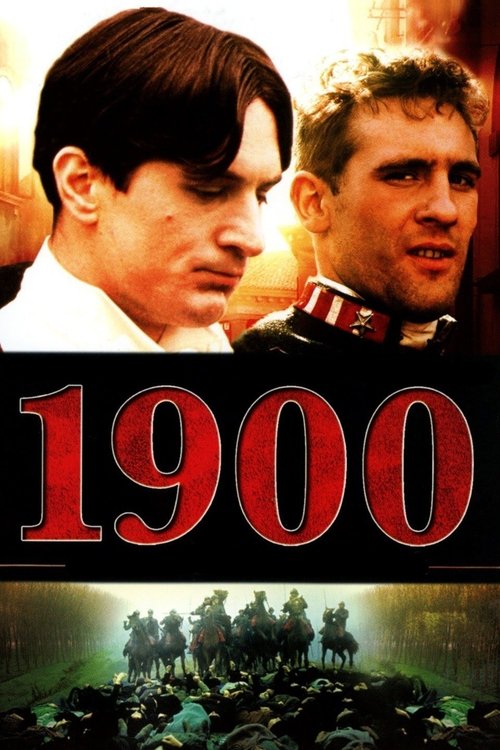
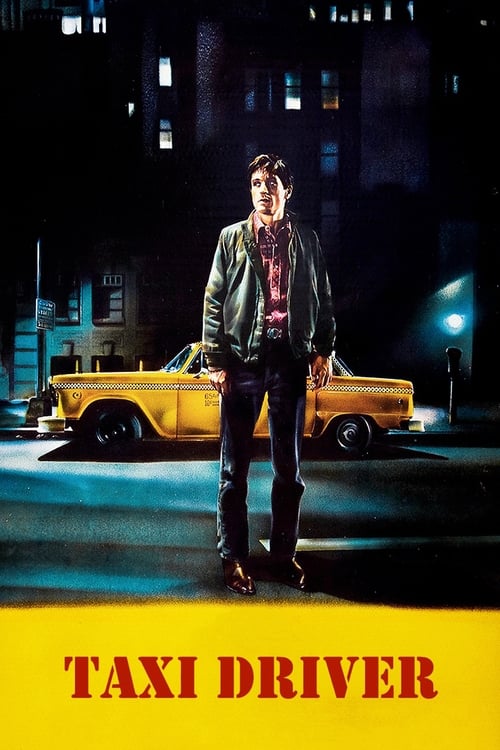
The mid-to-late 1970s deepened that reputation. In Scorsese's Taxi Driver, De Niro played Travis Bickle, a lonely and disturbed Vietnam veteran driving a cab through a decaying nighttime New York. The film became one of the defining works of 1970s American cinema, and De Niro's performance, with its disciplined physicality and alienated voiceover, remains one of his most studied. He then appeared in Bernardo Bertolucci's 1900, Elia Kazan's The Last Tycoon, and Michael Cimino's The Deer Hunter, the last of which earned him another Oscar nomination and placed him in a major ensemble drama about trauma, friendship, and the Vietnam War.
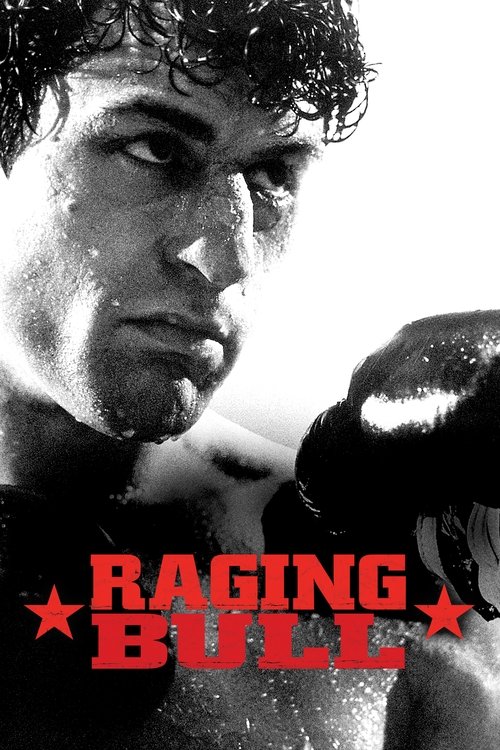
Raging Bull, released in 1980, gave De Niro his second Academy Award and one of his signature roles. As boxer Jake LaMotta, he underwent a famous physical transformation, training to portray LaMotta in his fighting years and gaining significant weight for the character's later life. The performance is not only a display of preparation but also a portrait of jealousy, rage, insecurity, and self-punishment. It helped fix De Niro's public image as an actor willing to remake his body and habits for a role, though the durability of the work lies as much in its emotional detail as in its physical commitment.
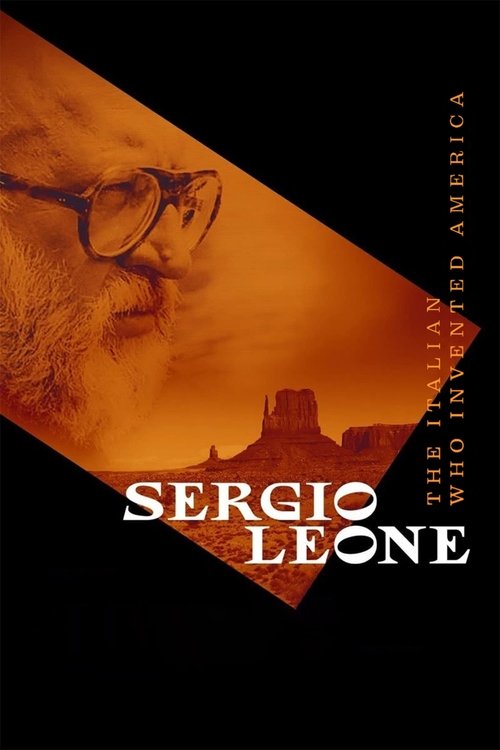
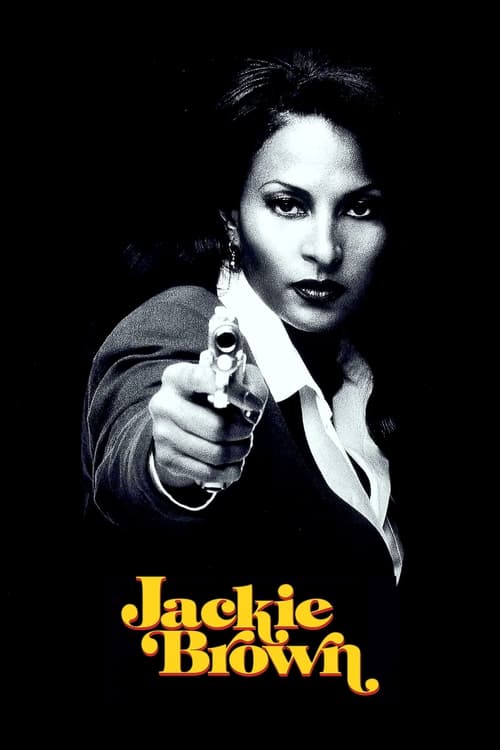
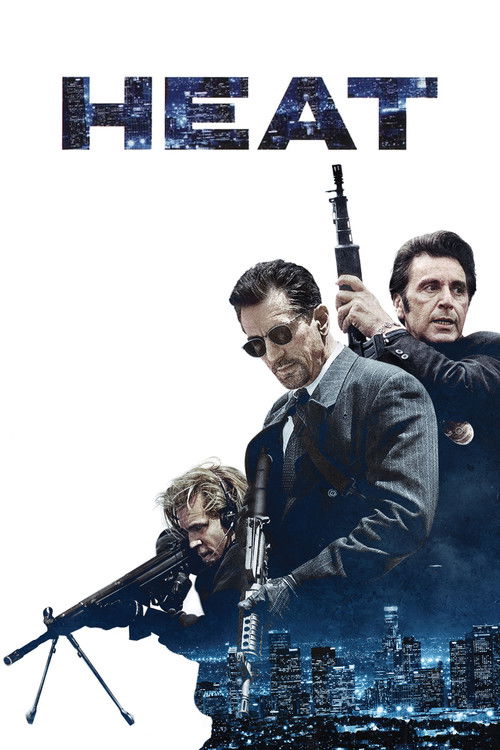
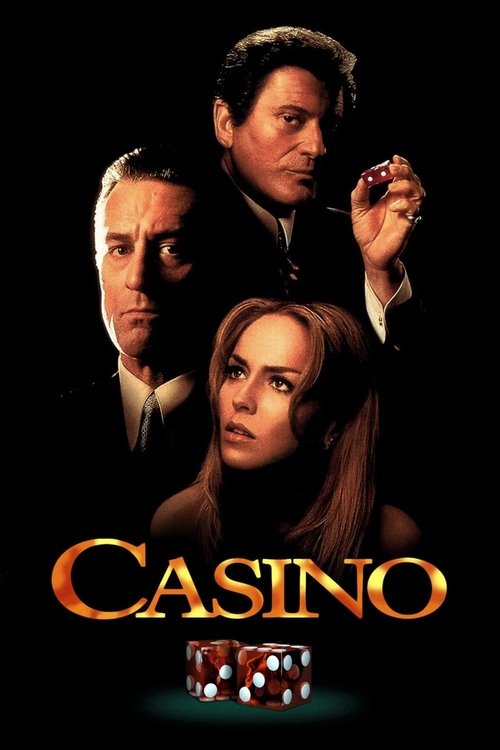
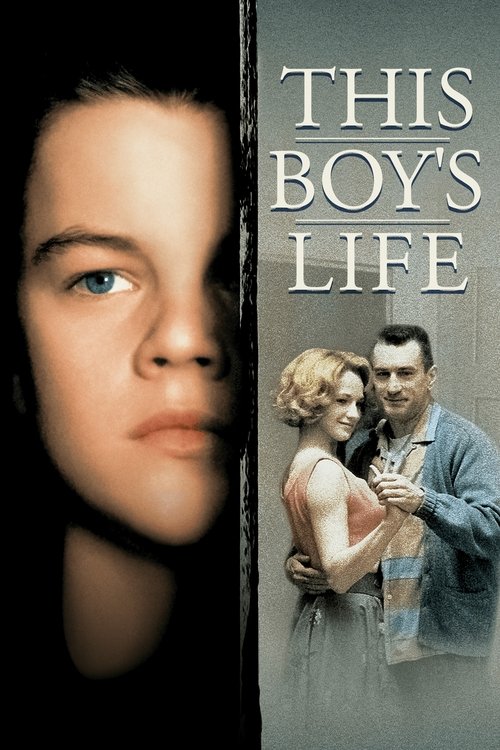
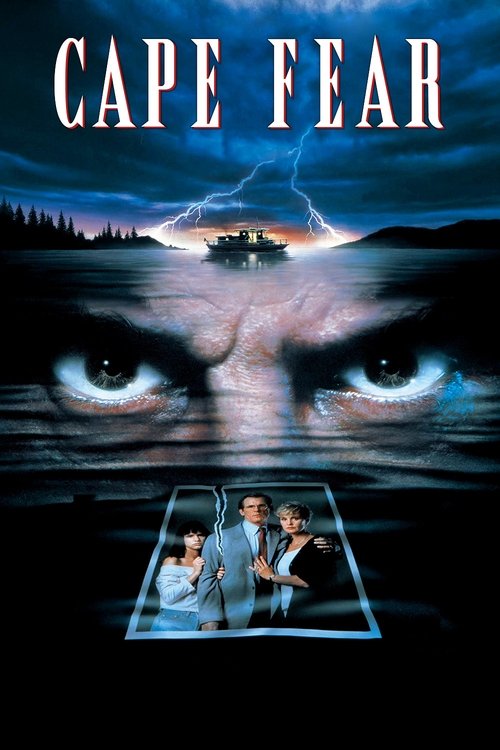
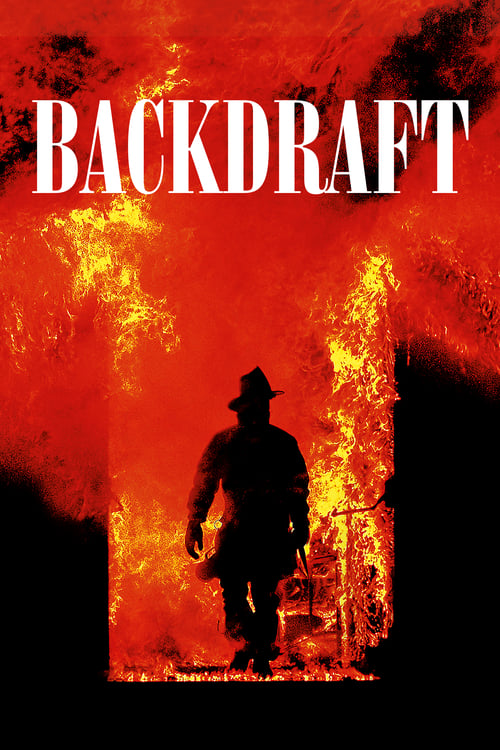
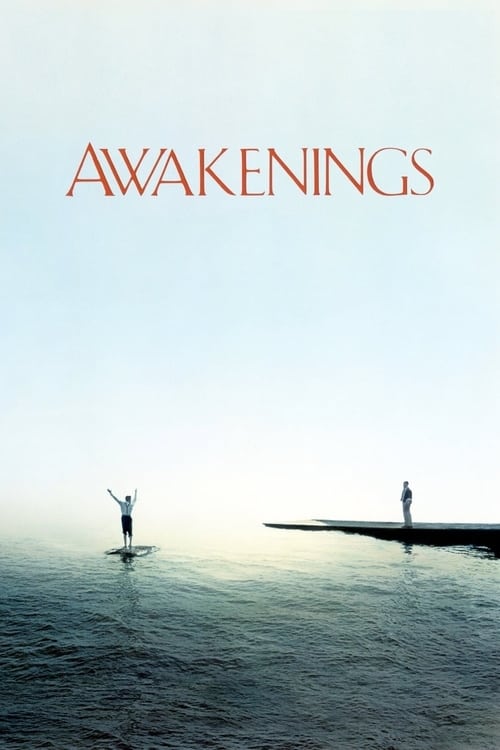
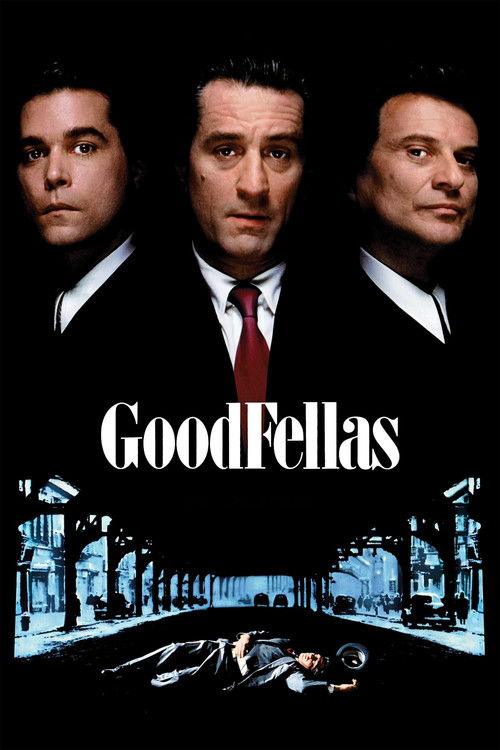
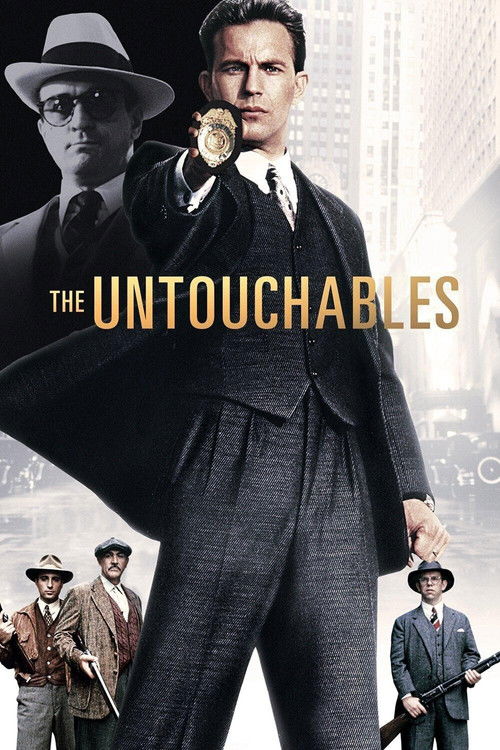
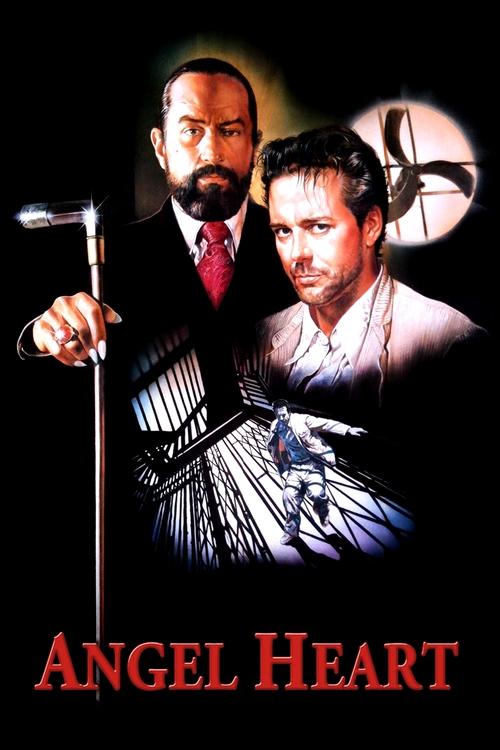
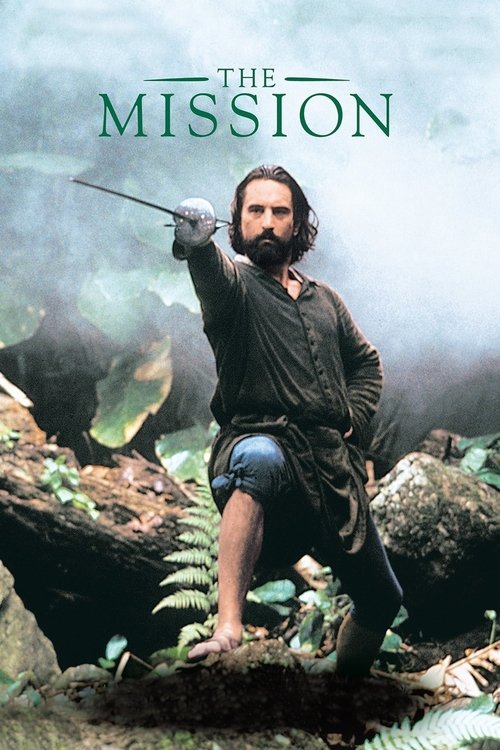
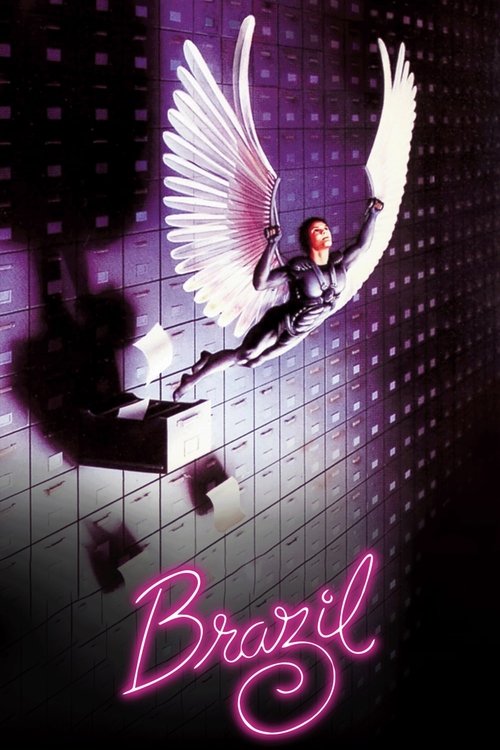
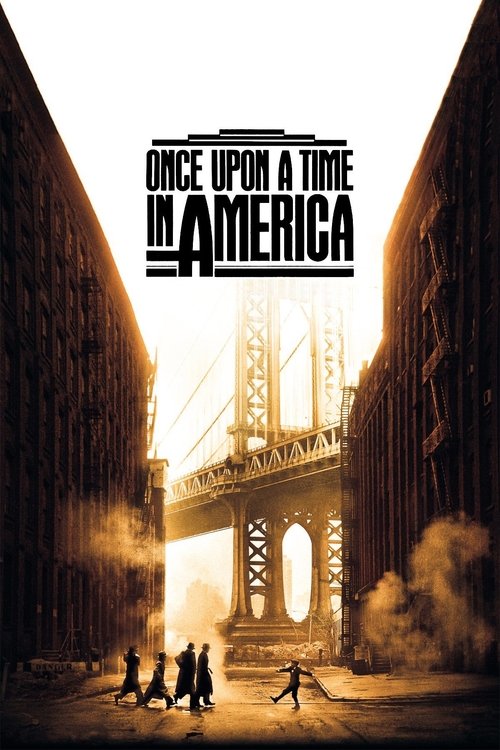
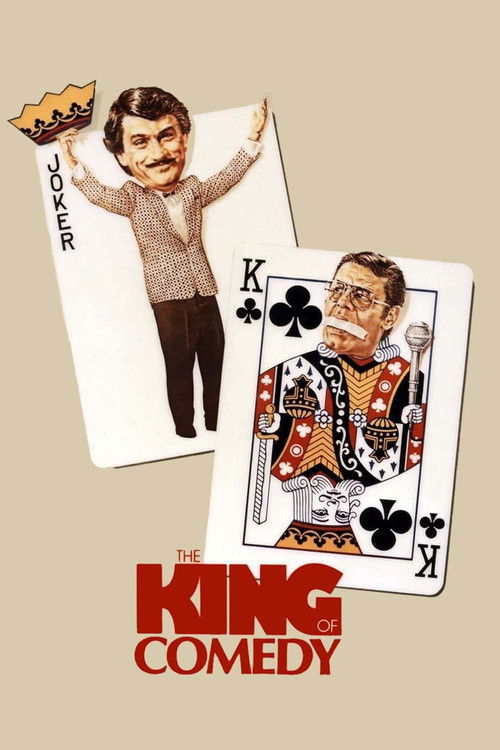
Through the 1980s and 1990s, De Niro continued to balance prestige dramas, crime films, and unexpected tonal shifts. He played Rupert Pupkin, an aspiring comedian obsessed with fame, in Scorsese's The King of Comedy; appeared in Sergio Leone's Once Upon a Time in America; worked with Terry Gilliam in Brazil; and took major roles in The Mission, Angel Heart, The Untouchables, Midnight Run, Goodfellas, Awakenings, Cape Fear, This Boy's Life, Heat, Casino, and Jackie Brown. In Heat, opposite Al Pacino, he gave a controlled performance as professional thief Neil McCauley. In Casino and Goodfellas, he returned to Scorsese's world of organized crime but varied the temperature of his characters, playing men whose power came through calculation, money, fear, and status rather than simple outbursts.
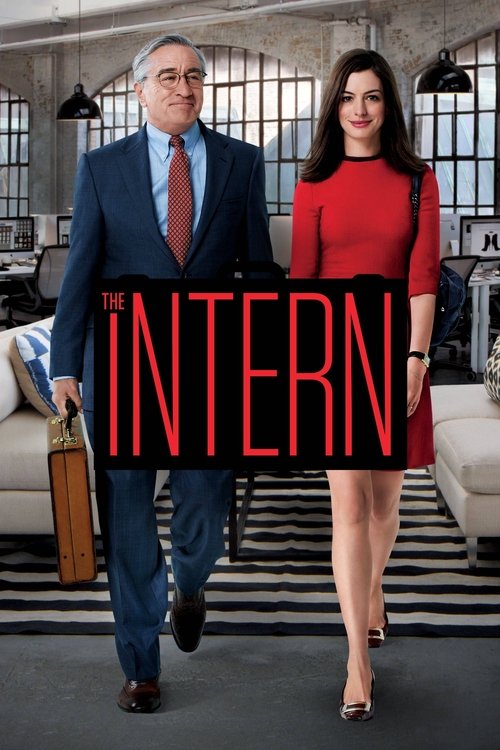
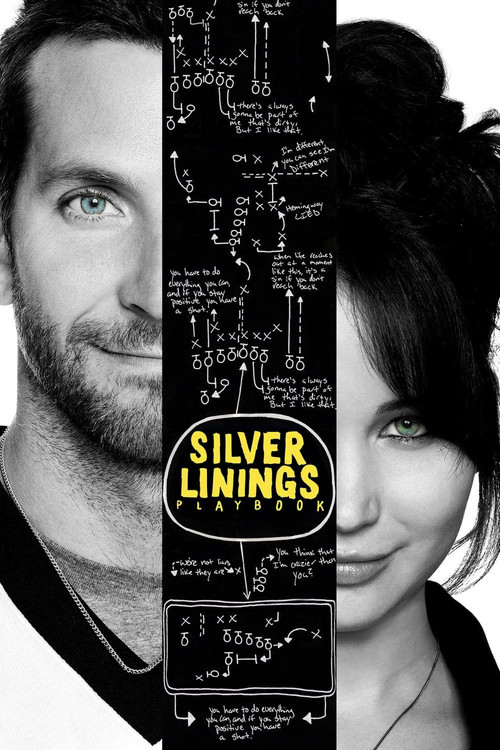
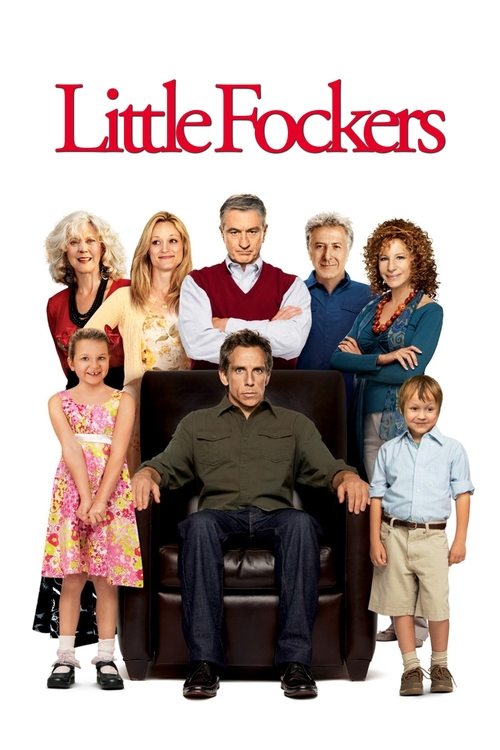
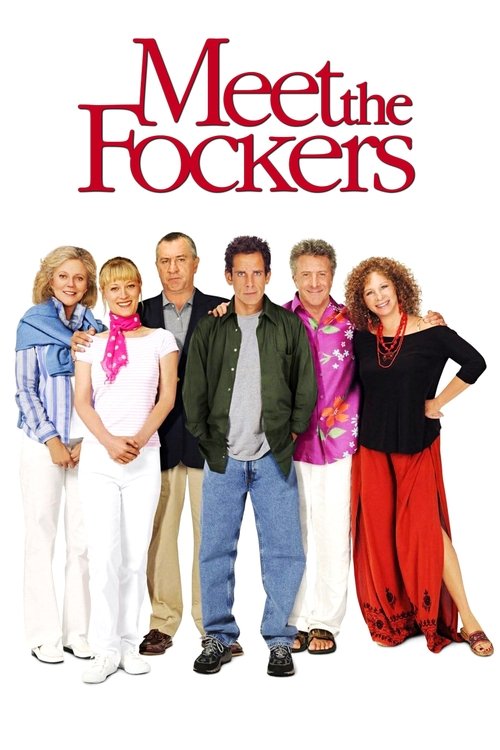
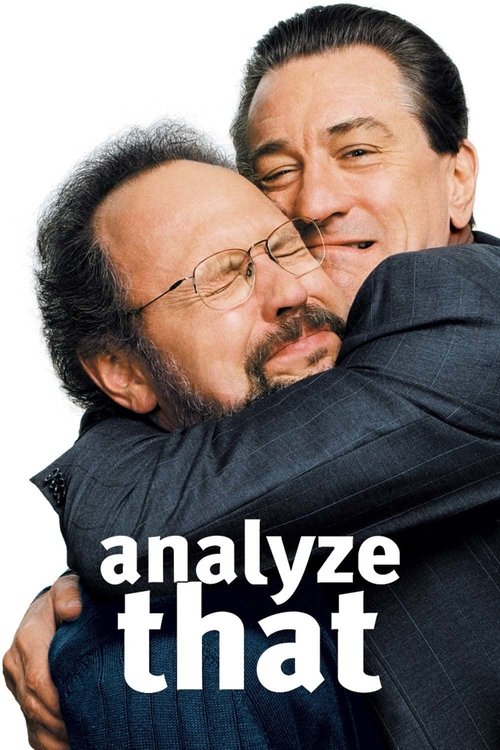
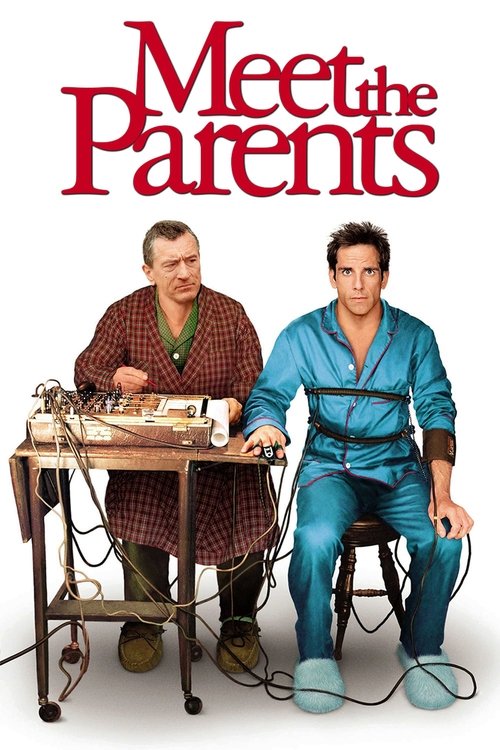
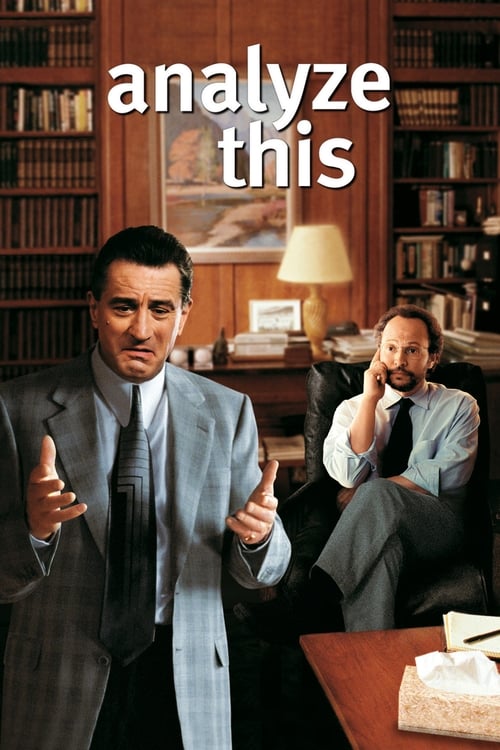
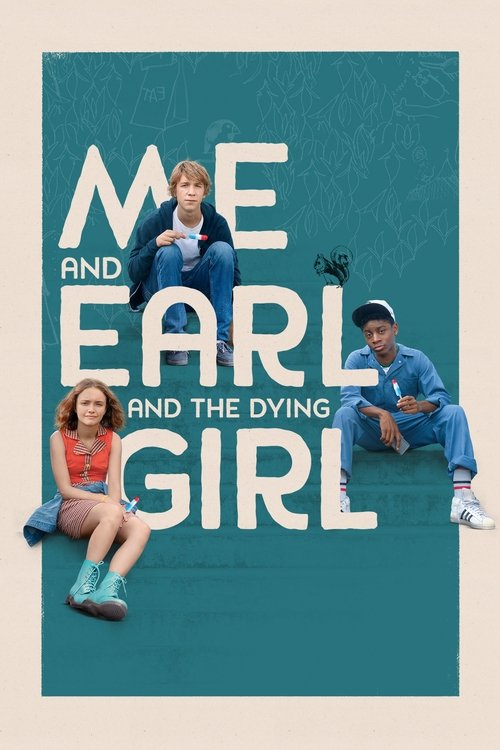
De Niro has also had a long comic career, sometimes parodying the severity of his dramatic image. Midnight Run used his intensity within a buddy-road-movie structure, while Analyze This, Analyze That, and the Meet the Parents series turned his aura of menace into a source of mainstream comedy. Later films such as Silver Linings Playbook and The Intern showed different versions of warmth, age, and family tension. Silver Linings Playbook brought him another Oscar nomination, and David O. Russell's ensemble dramas introduced him to a younger audience while still drawing on his authority as a screen father and complicated patriarch.
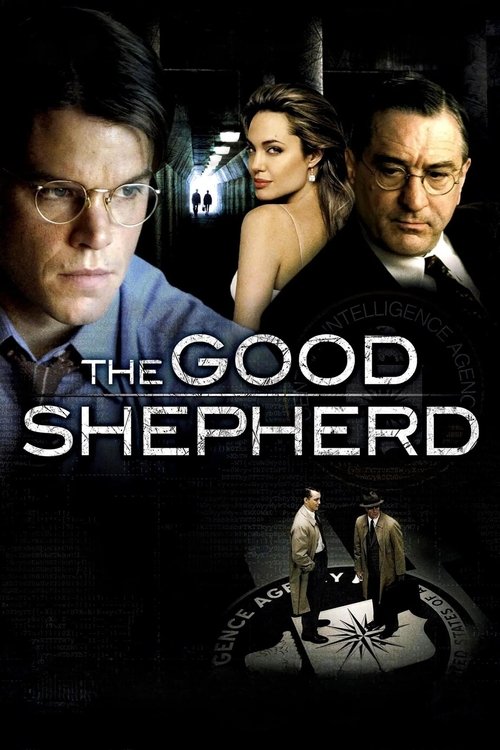
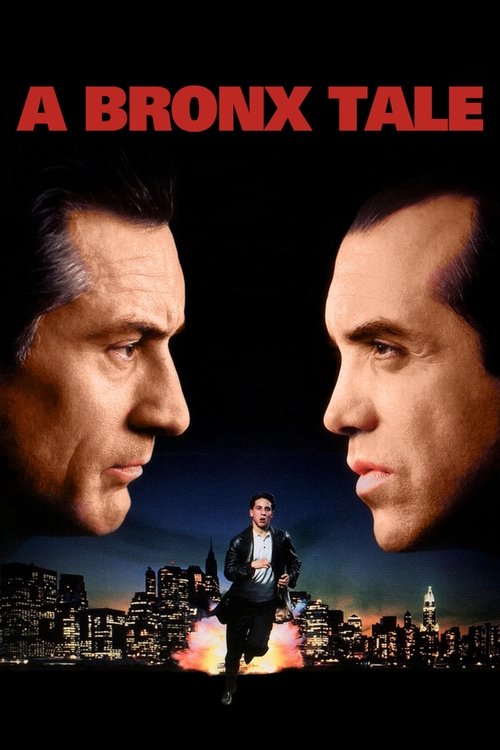
As a filmmaker and producer, De Niro directed A Bronx Tale and The Good Shepherd, and he helped build production infrastructure through TriBeCa Productions with Jane Rosenthal. The Tribeca Festival, which they helped found in 2002, became an important New York cultural event and a symbol of efforts to revive lower Manhattan's public life after 9/11. De Niro's producing and festival work broadened his influence beyond performance, connecting him to exhibition, independent film support, and the civic identity of New York cinema.
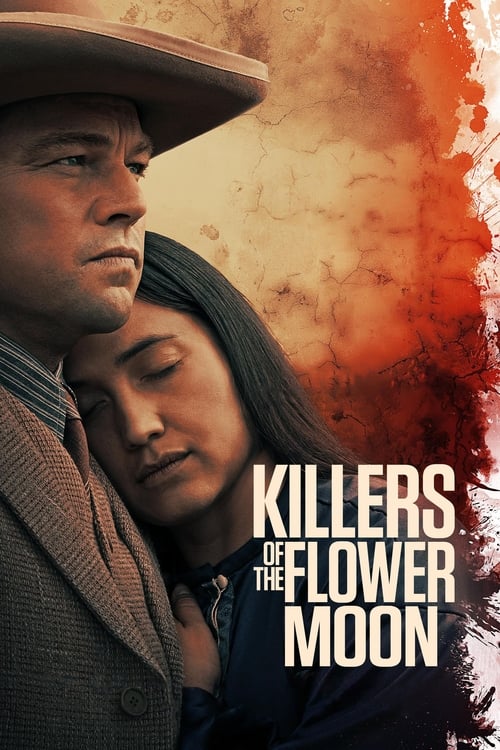
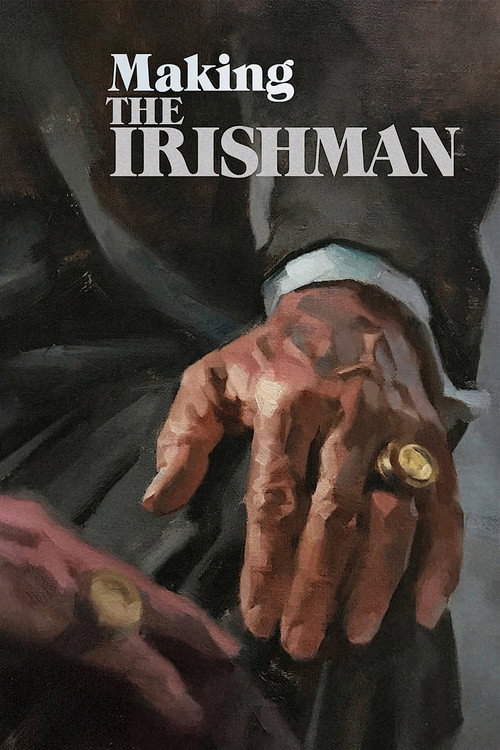
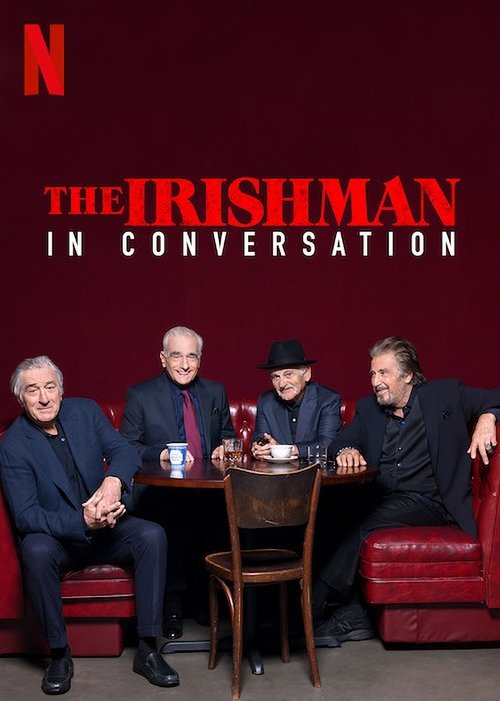
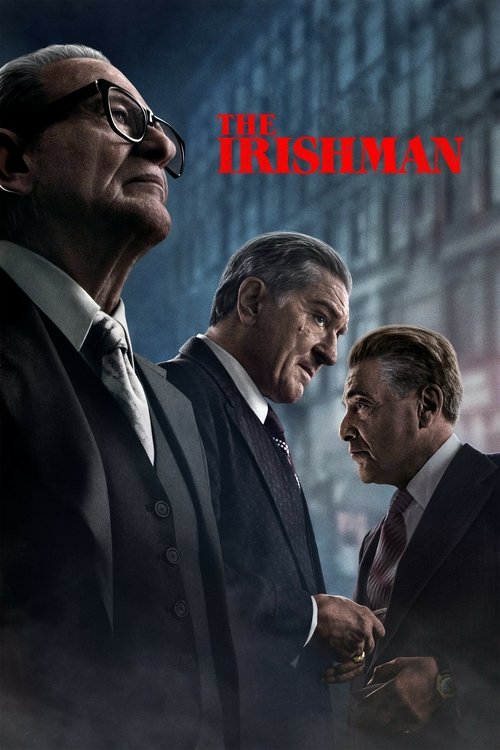
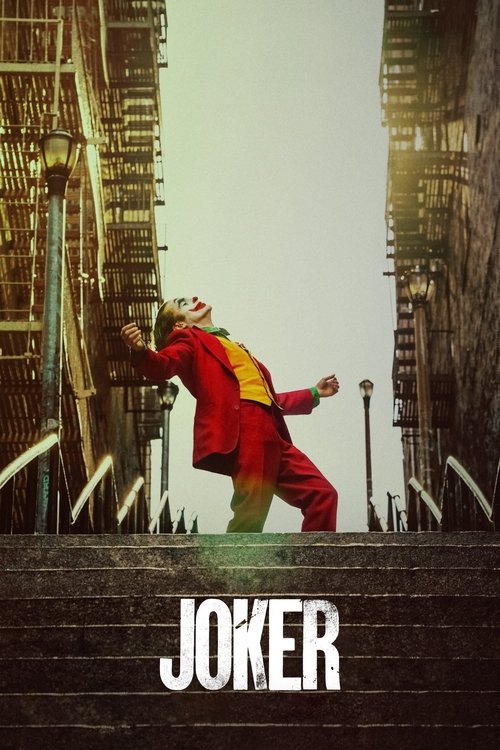
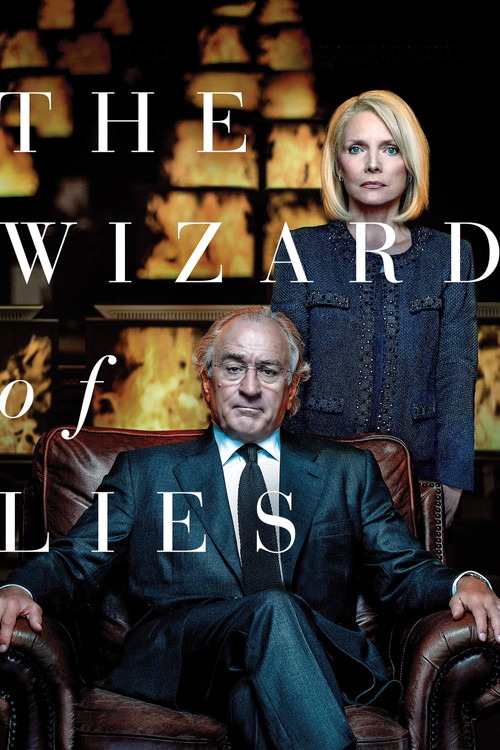
In the 2010s and 2020s, De Niro continued to work with major directors and revisit themes that had defined his earlier career. He appeared in The Wizard of Lies as Bernie Madoff, played a talk-show host in Joker, and reunited with Scorsese for The Irishman and Killers of the Flower Moon. The Irishman gave him a late-career meditation on organized crime, loyalty, aging, and regret, while Killers of the Flower Moon placed him in a historical drama about the murders of Osage people in Oklahoma and earned him another Academy Award nomination. Across these roles, De Niro's career has remained unusually long, varied, and influential. He is identified with intense preparation and with landmark roles, but also with durability: an actor who helped define an era and continued working well into later decades.
References:
[1] Wikipedia, “Robert De Niro” — https://en.wikipedia.org/wiki/Robert_De_Niro
[2] Golden Globes, “Robert De Niro” — https://goldenglobes.com/person/robert-de-niro/
[3] Encyclopaedia Britannica, “Robert De Niro” — https://www.britannica.com/biography/Robert-De-Niro
[4] Academy of Motion Picture Arts and Sciences, “Robert De Niro” — https://www.oscars.org/governors-awards/robert-de-niro
[5] Kennedy Center, “Robert De Niro” — https://www.kennedy-center.org/artists/d/do-dz/robert-de-niro/
[6] Screen Actors Guild Awards, “Robert De Niro” — https://www.sagawards.org/nominees/life-achievement-award-recipient/56th
[7] Tribeca, “About Tribeca” — https://tribecafilm.com/about
[8] IMDb, “Robert De Niro” — https://www.imdb.com/name/nm0000134/
[9] The Movie Database, “Robert De Niro” — https://www.themoviedb.org/person/380-robert-de-niro
[10] Library of Congress, “National Film Registry” — https://www.loc.gov/programs/national-film-preservation-board/film-registry/

as Self (archive footage) · 2025 · Not rated yet
Most liked
Top comments