Acting
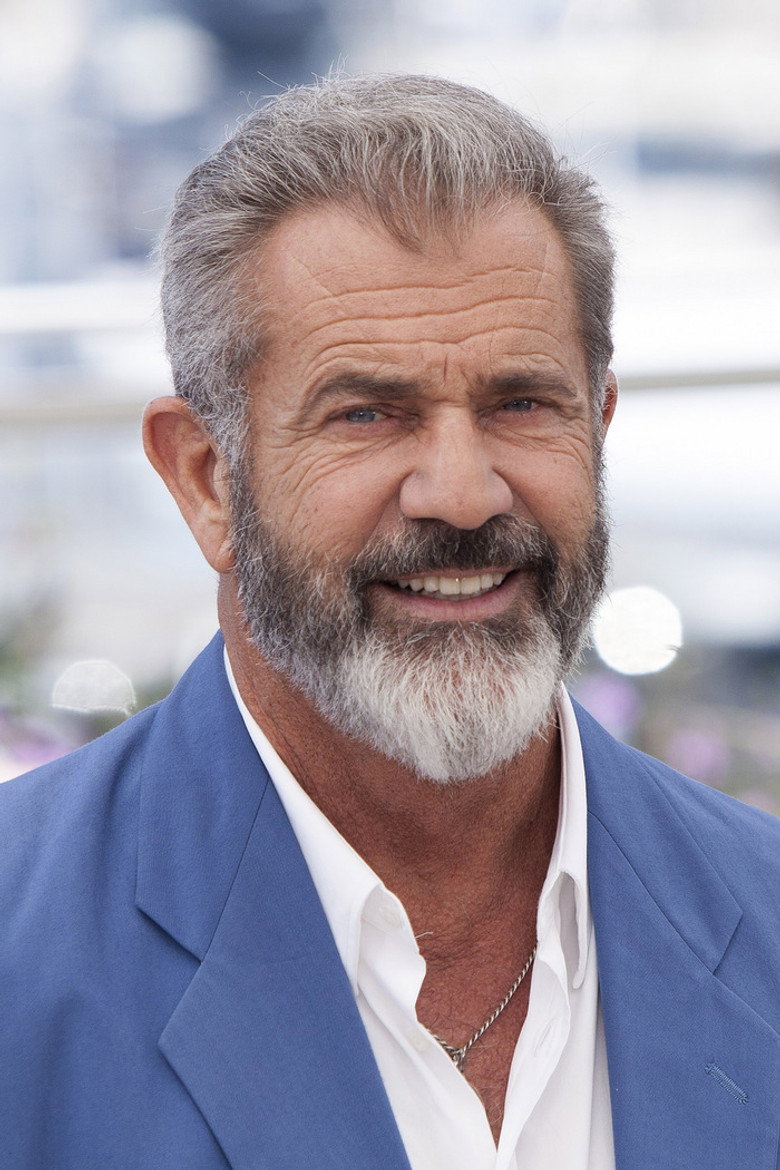
Mel Gibson is an American-born actor, director, producer, and screenwriter whose career spans Australian cinema, Hollywood action stardom, prestige historical drama, and later independent and genre films. He was born Mel Colm-Cille Gerard Gibson in Peekskill, New York, on January 3, 1956. When he was a child, his family moved to Australia, and Gibson later trained at the National Institute of Dramatic Art in Sydney. His background gave him an unusual route into American movie stardom: he first became prominent in Australian film before becoming one of the most recognizable Hollywood leading men of the 1980s and 1990s.
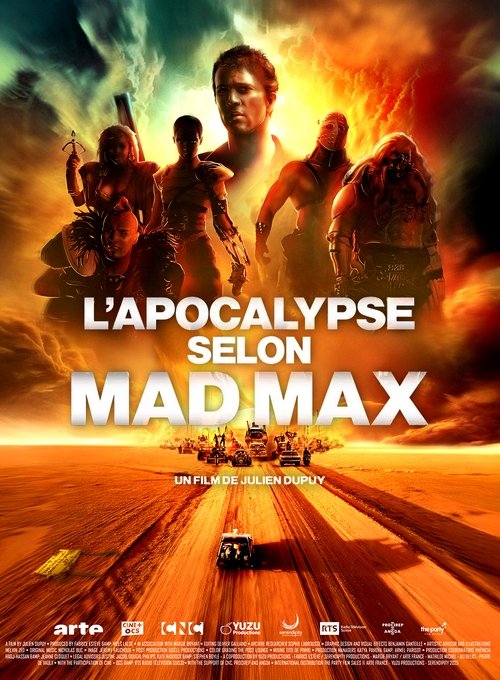
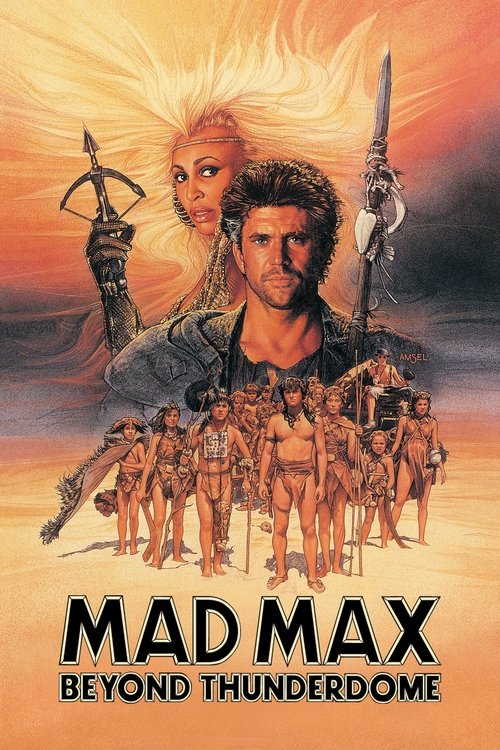
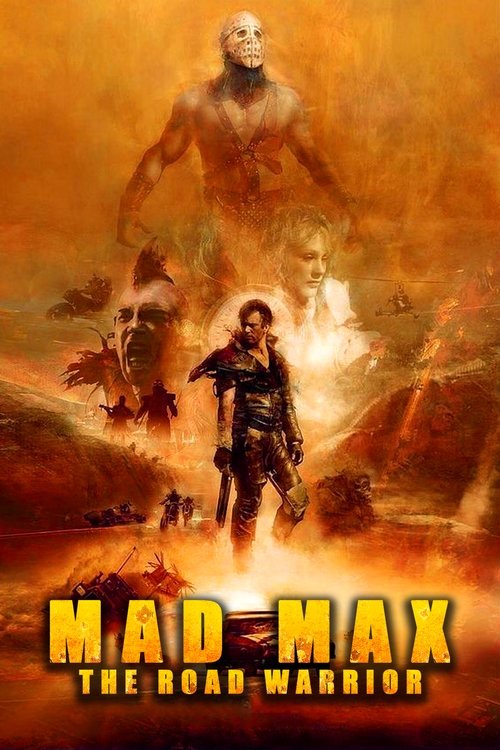
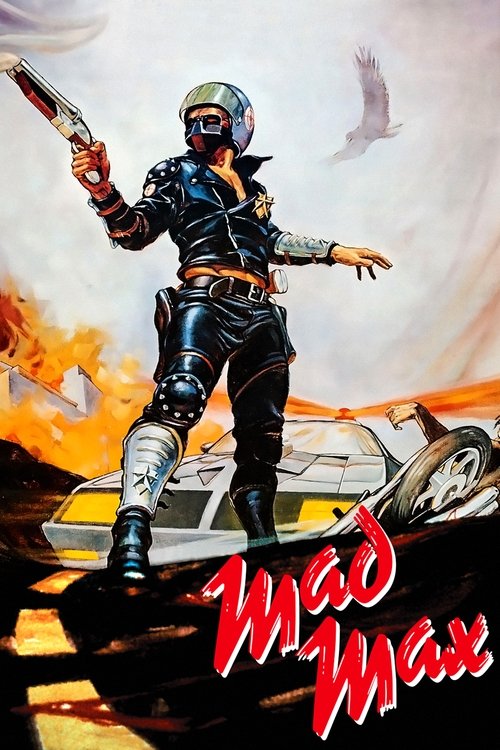
Gibson's early film career developed quickly after his debut in the Australian film Summer City. His breakthrough came as Max Rockatansky in George Miller's Mad Max, a lean post-apocalyptic action film that became an international cult success and launched a franchise. Mad Max 2, released in the United States as The Road Warrior, made the character and Gibson's screen presence even more widely known. Around the same time, Peter Weir cast him in Gallipoli, a World War I drama that helped establish Gibson as more than an action performer and brought him significant attention in Australian cinema.
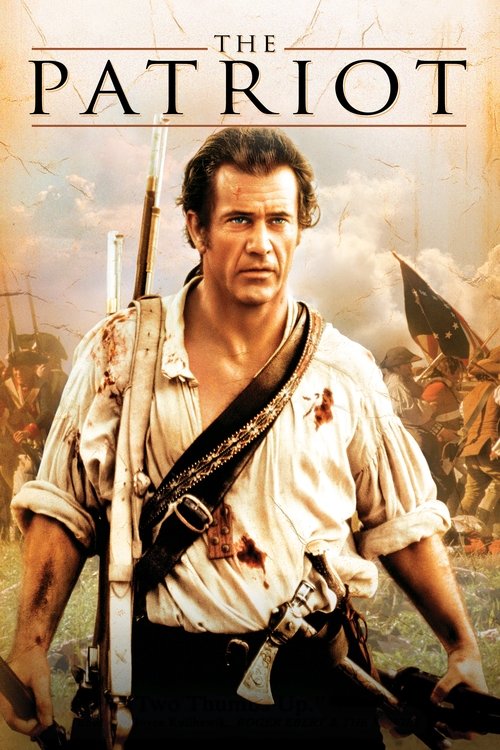
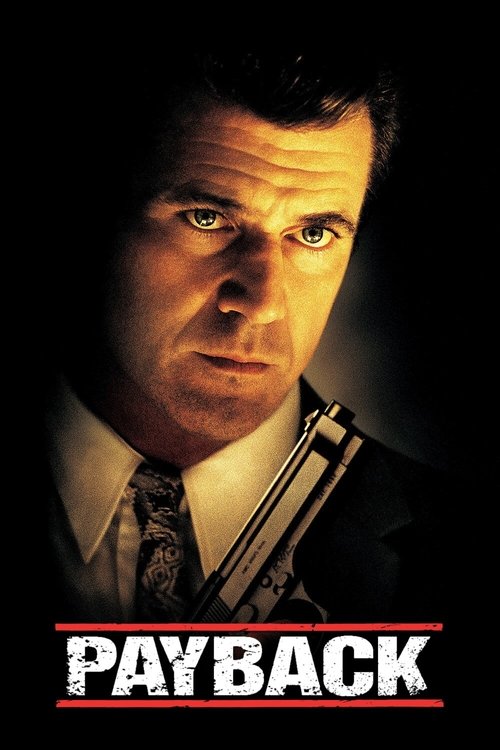
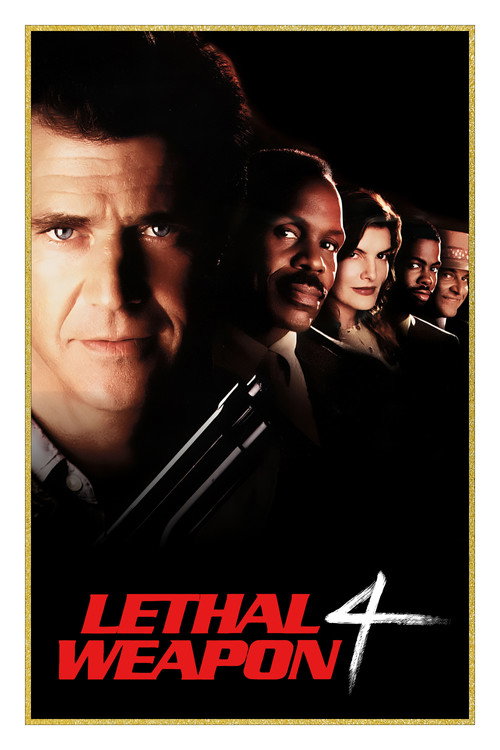
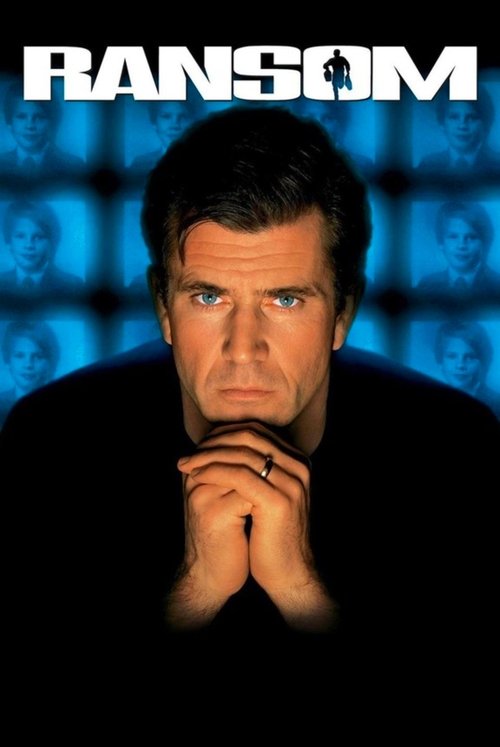
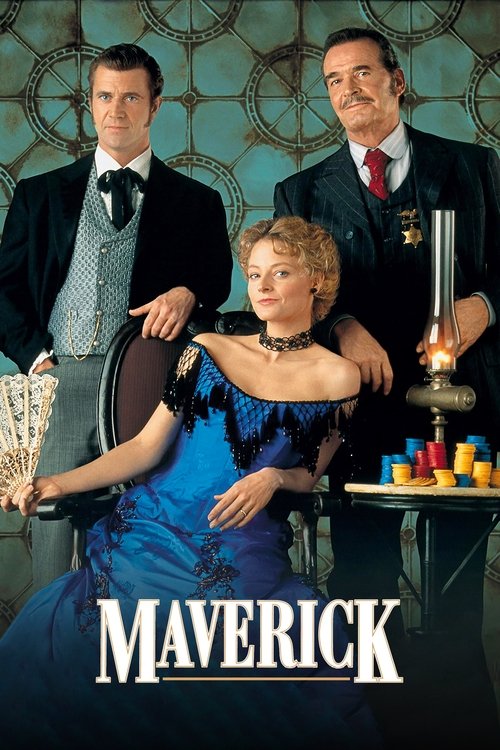
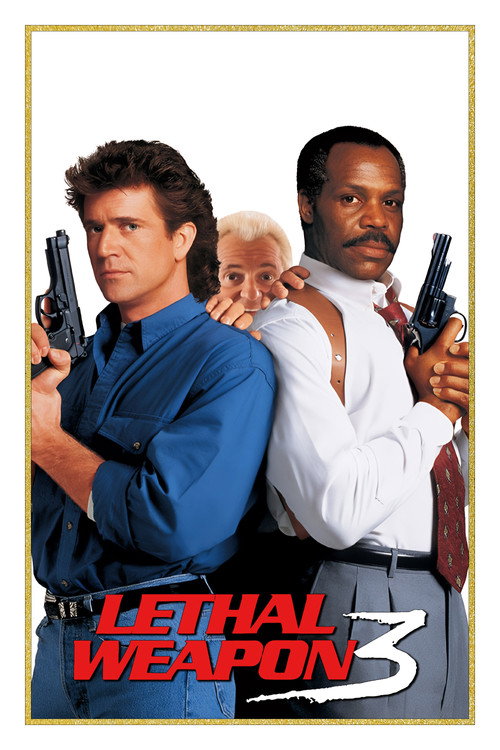
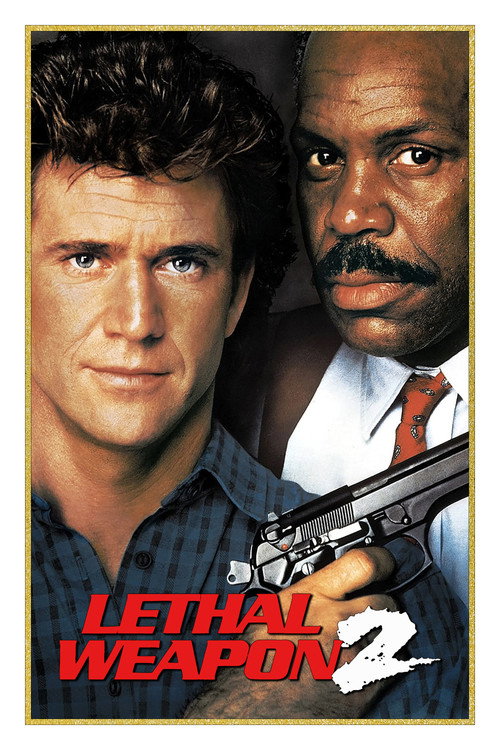
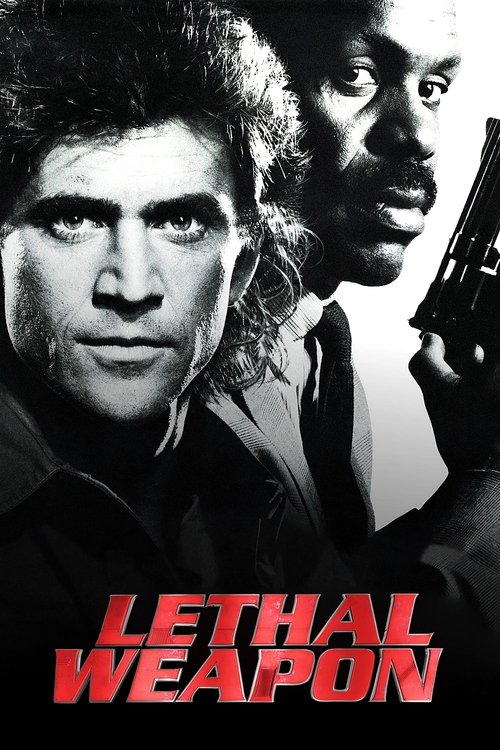
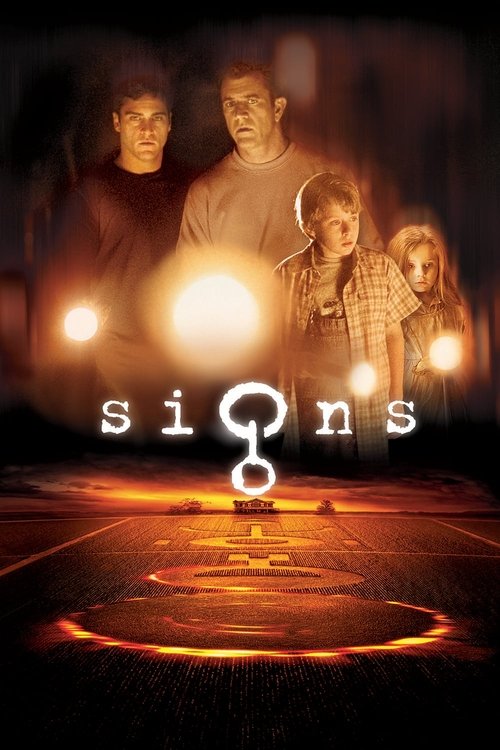
Hollywood stardom followed. Gibson became internationally famous as Martin Riggs in Lethal Weapon, opposite Danny Glover, and the buddy-cop series made him one of the defining action stars of its era. He balanced that franchise with romantic adventure, drama, and comedy, including films such as The Year of Living Dangerously, Hamlet, Maverick, Ransom, Payback, What Women Want, The Patriot, and Signs. His appeal during this period rested on a mix of intensity, physicality, comic timing, and a capacity to play volatile characters without losing audience sympathy.

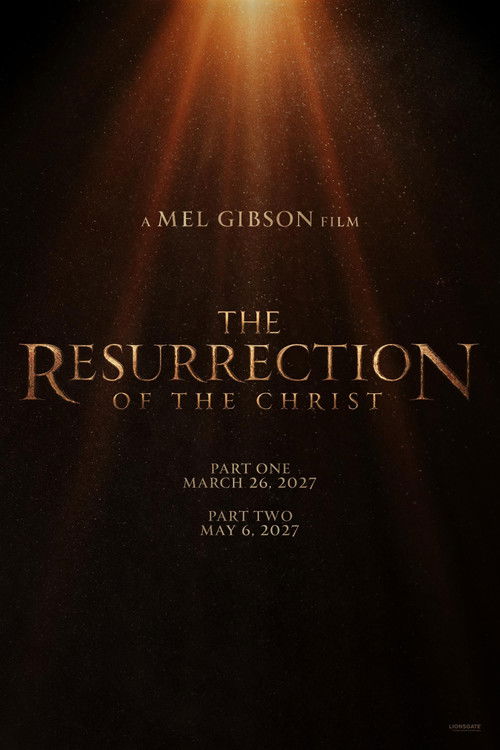
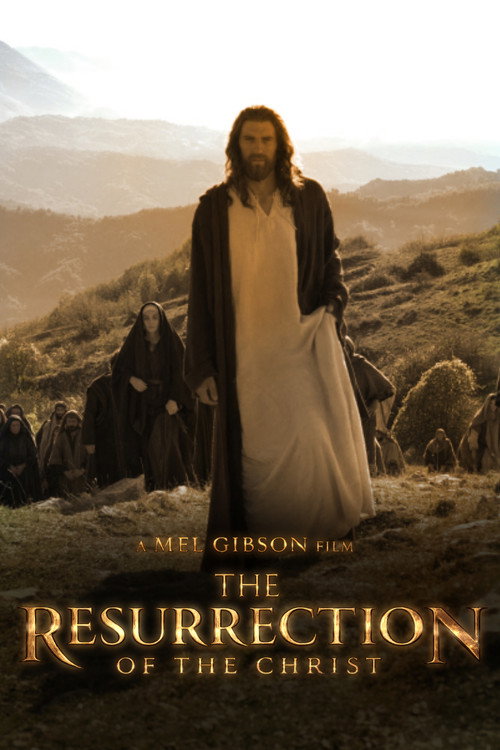
Director · 2028 · Not rated yet

Writer · 2028 · Not rated yet

Producer · 2028 · Not rated yet

Writer · 2027 · Not rated yet

Director · 2027 · Not rated yet

Producer · 2027 · Not rated yet

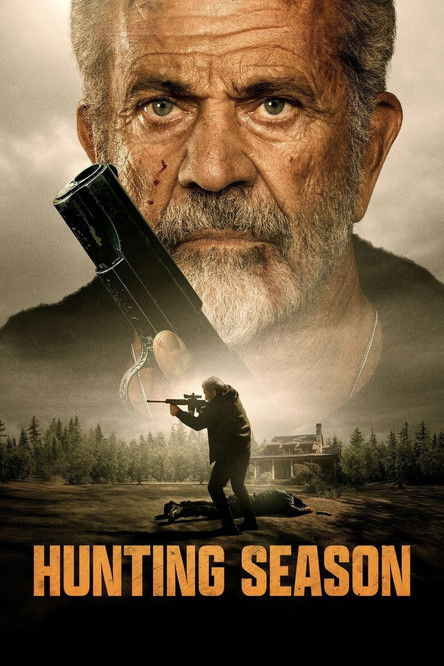
as Bowdrie · 2025 · Not rated yet

as Self · 2025 · Not rated yet
Community
Community
Discuss Mel Gibson. By default, replies in a topic go to the original poster; use a message’s Reply button to reply to someone specific.
Sign in to post in the forum.
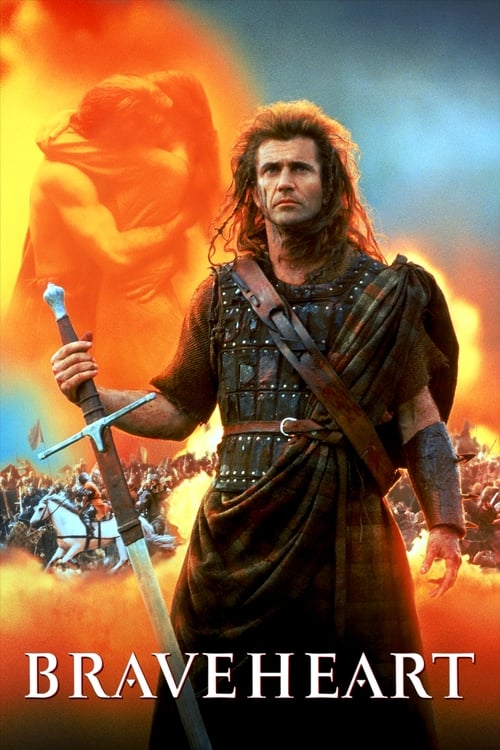
Gibson moved behind the camera with The Man Without a Face in 1993, but his defining directorial achievement was Braveheart in 1995. He produced, directed, and starred in the historical war epic as William Wallace. The film became a major awards success, winning the Academy Award for Best Picture and earning Gibson the Academy Award for Best Director. Braveheart also positioned him as a filmmaker drawn to large-scale stories of suffering, faith, violence, and martyrdom, themes that would recur in his later directing work.
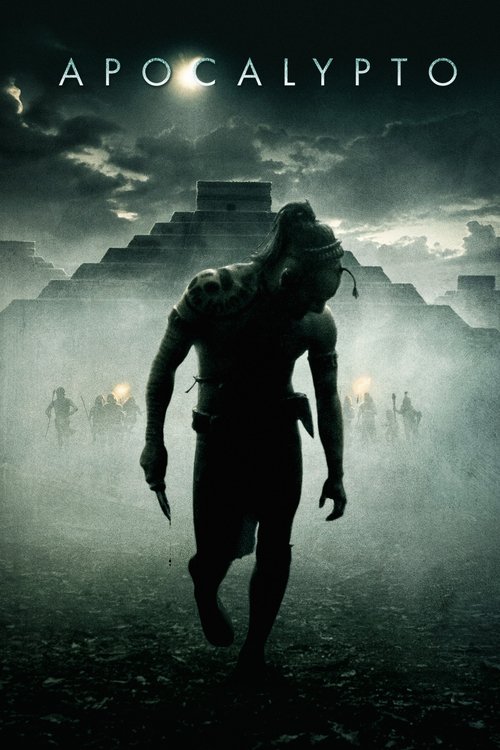
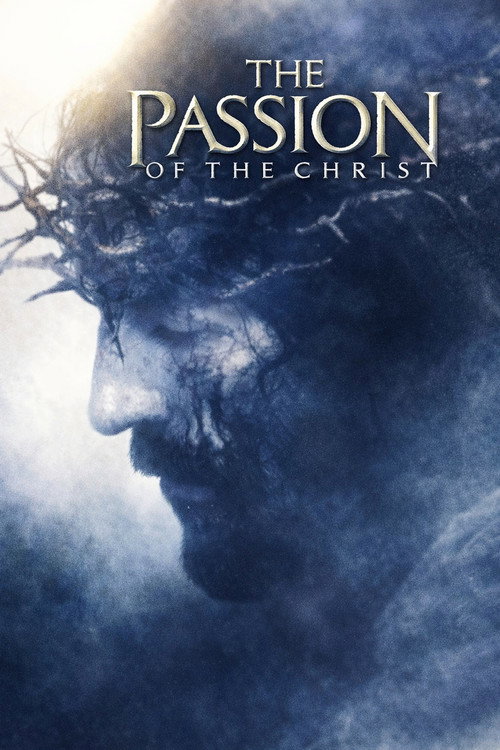
In 2004 Gibson directed and produced The Passion of the Christ, a biblical drama about the final hours of Jesus. The film was financially successful on an extraordinary scale for an independently financed religious drama, but it was also the subject of intense public debate and criticism over its violence and its portrayal of Jewish authorities. Gibson followed it with Apocalypto, a Mayan-language action-adventure drama set in Mesoamerica, again emphasizing physical ordeal, historical setting, and immersive non-English dialogue.
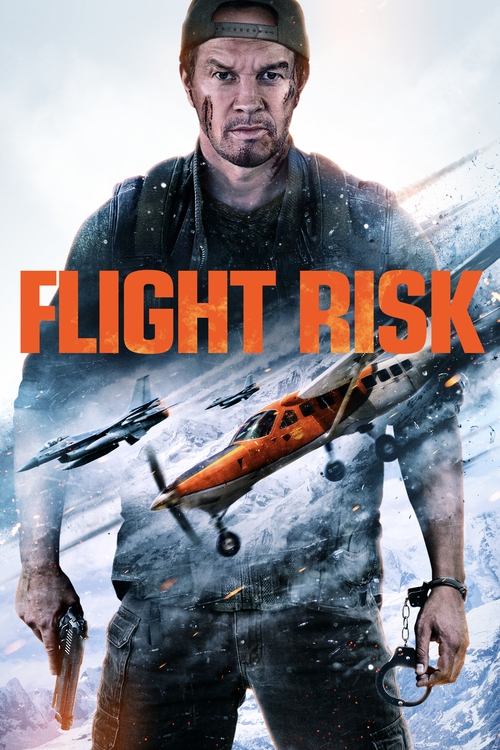
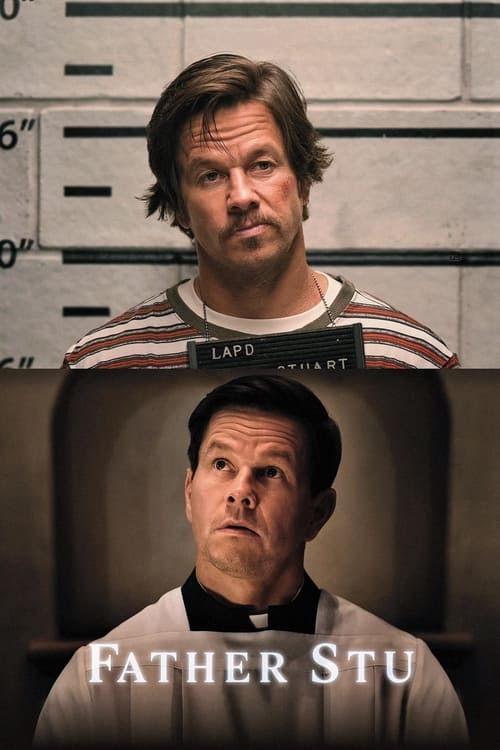
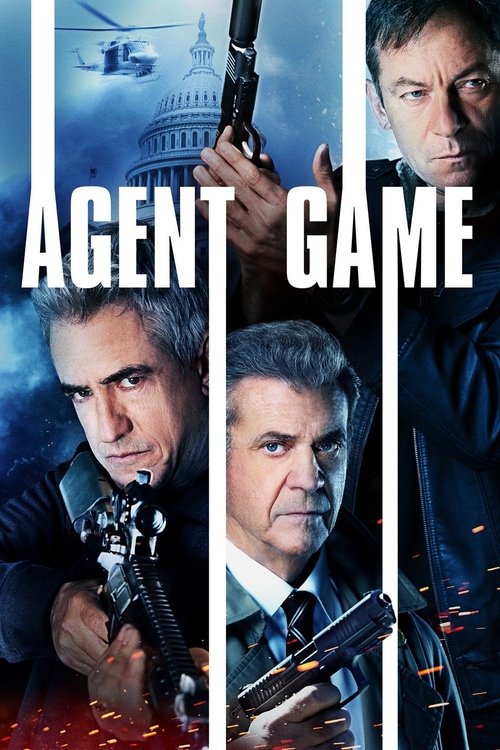
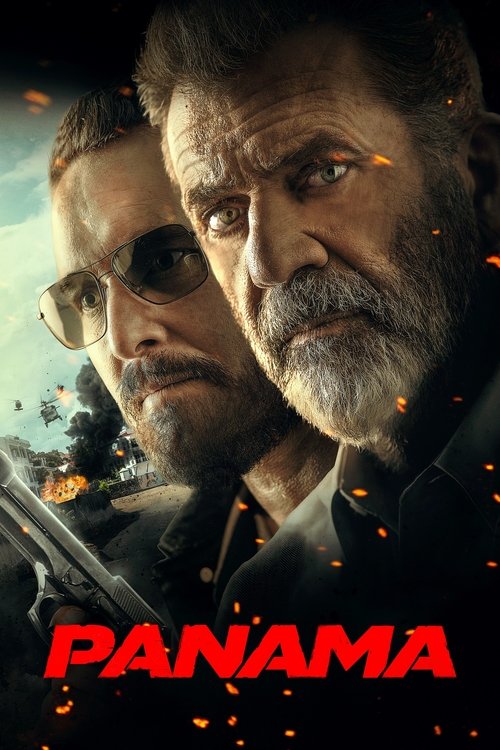
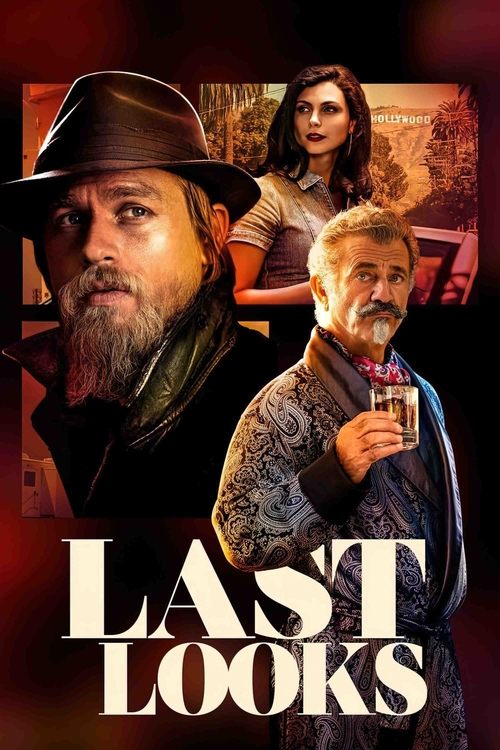
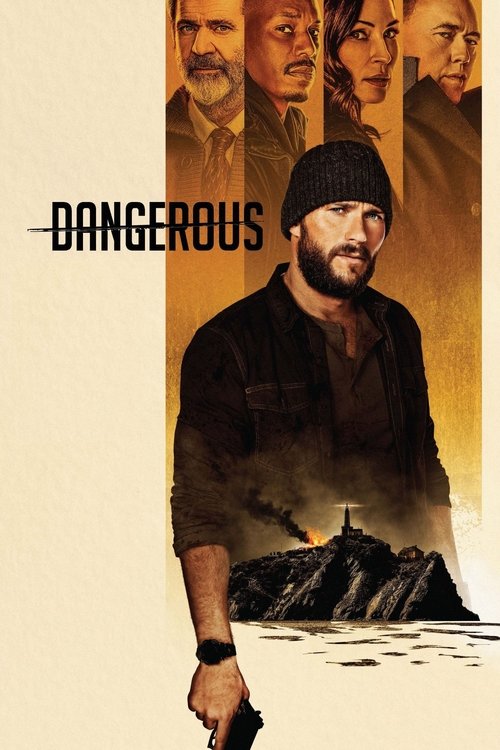
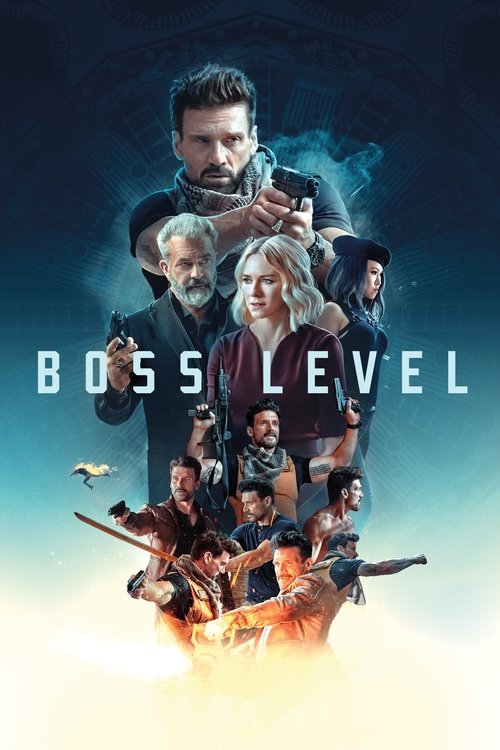
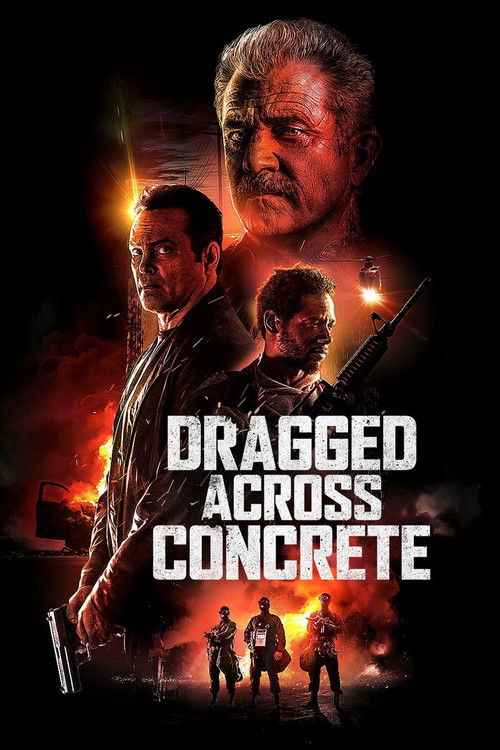
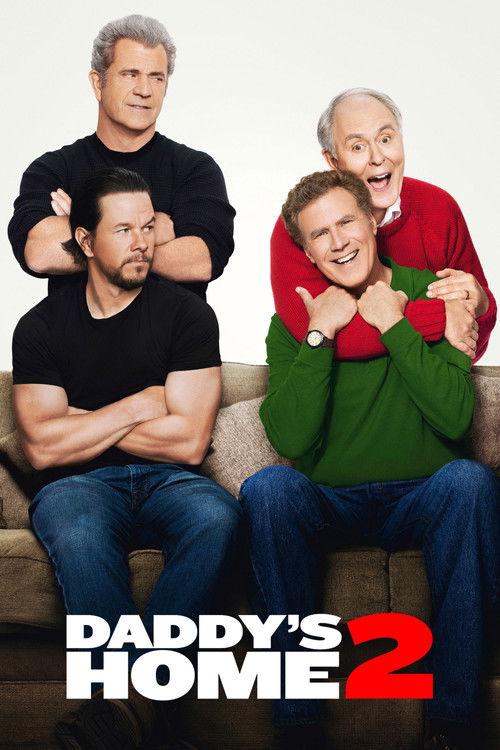
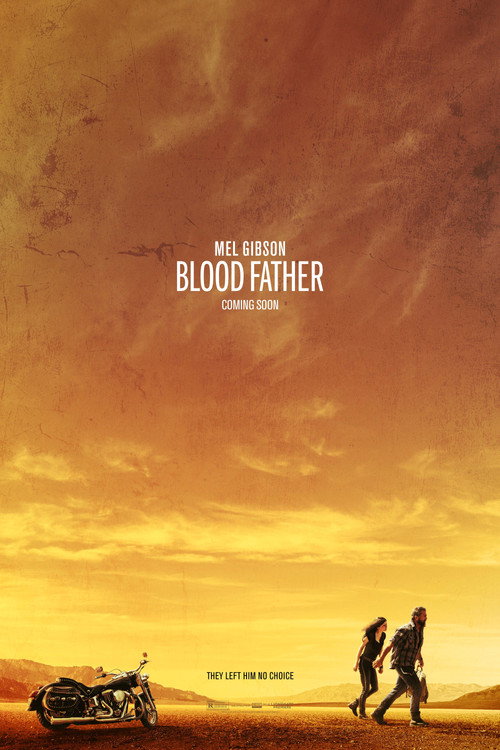
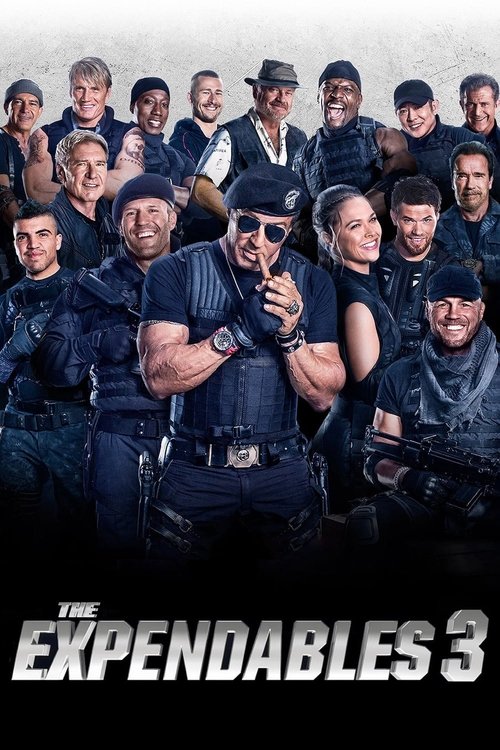
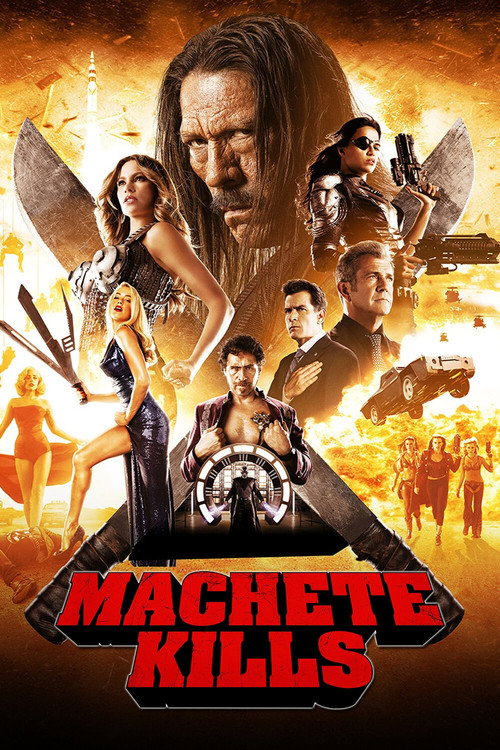
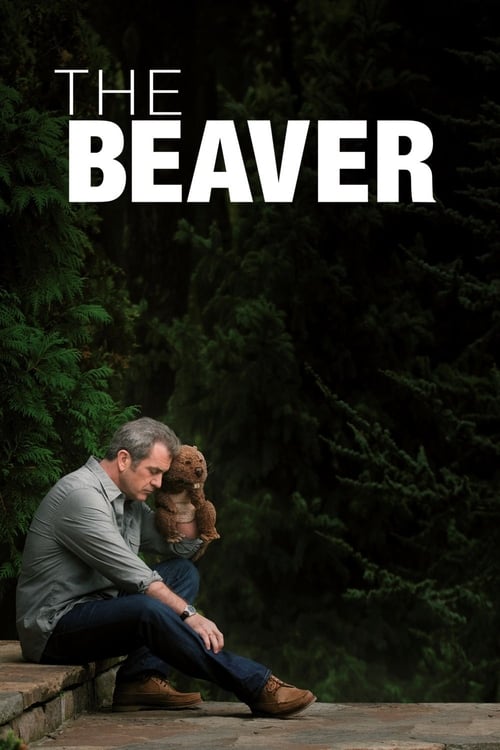
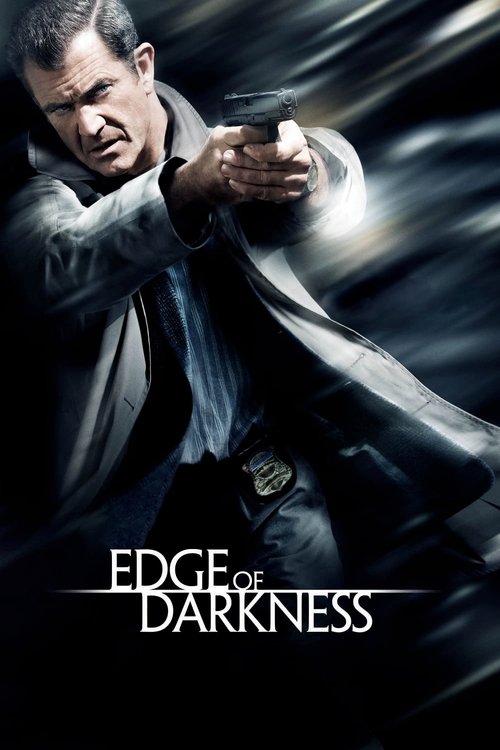
Gibson's career was significantly damaged in the mid-2000s and early 2010s by legal problems and public controversies involving offensive statements. Reliable biographical summaries generally note that his public standing in Hollywood declined for a period as a result. He continued to act, appearing in projects such as Edge of Darkness, The Beaver, Machete Kills, The Expendables 3, Blood Father, Daddy's Home 2, Dragged Across Concrete, Boss Level, and Father Stu, but the shape of his career changed from dominant mainstream leading man to a mix of independent films, supporting roles, and action thrillers.
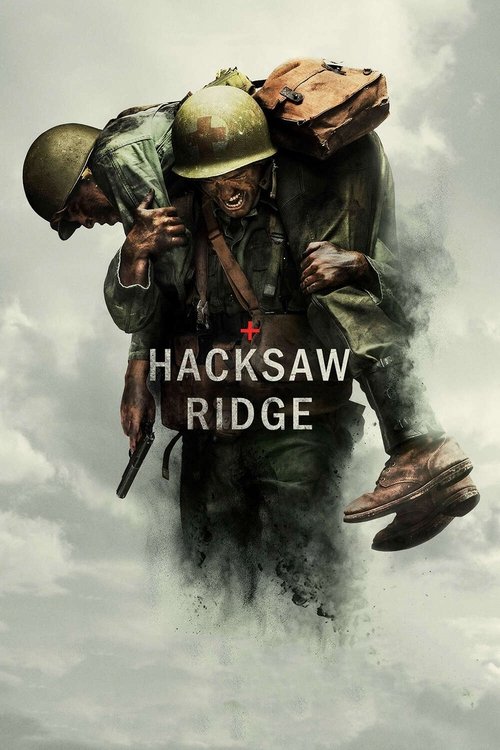
His major directorial return came with Hacksaw Ridge, released in 2016. The film told the story of Desmond Doss, a conscientious objector who served as a medic during World War II, and it received multiple Academy Award nominations, including Best Picture and Best Director for Gibson. Hacksaw Ridge also won Oscars in technical categories, marking a substantial critical comeback for Gibson as a director even as the controversies surrounding his public image remained part of how his career was discussed.
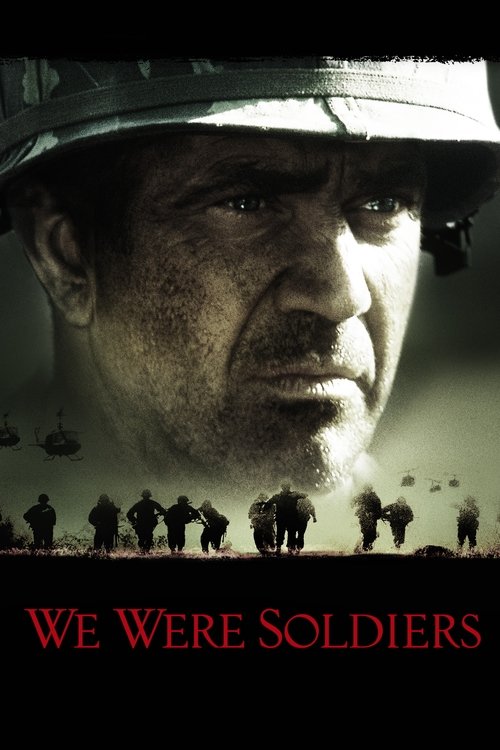

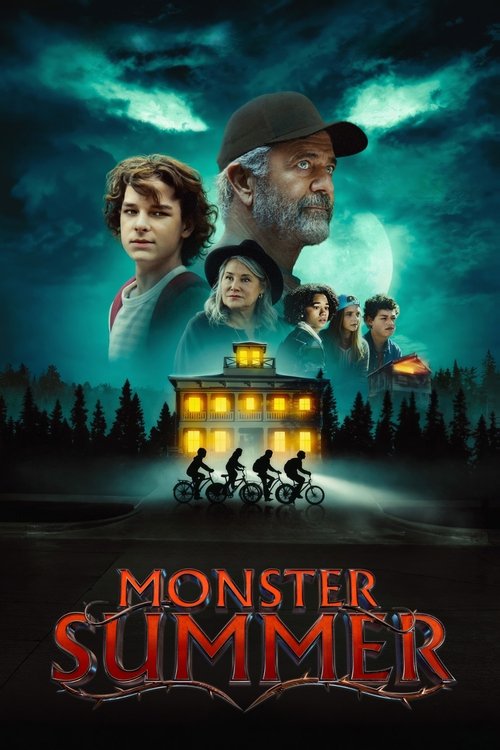
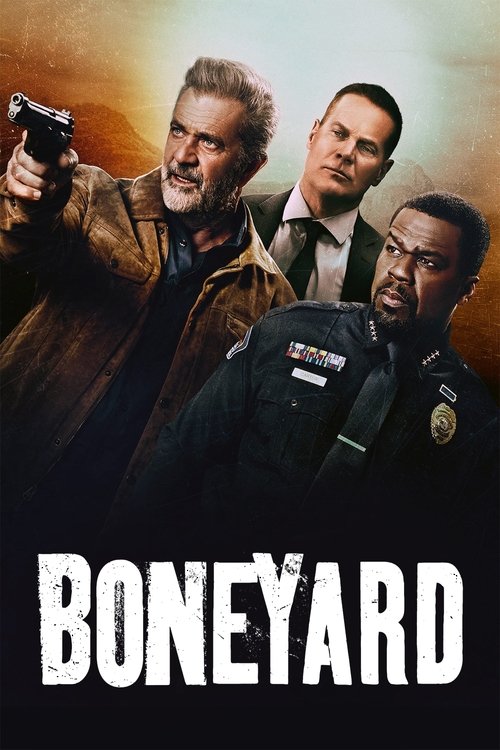
The local film catalog for this site lists Gibson primarily for acting, directing, producing, and writing credits. Public databases such as The Movie Database identify him with Mad Max, Lethal Weapon, Braveheart, The Passion of the Christ, Apocalypto, Hacksaw Ridge, and later acting work including Boneyard and Monster Summer. His filmography is unusually broad: blockbuster action franchises, historical epics, religious drama, Shakespeare, comedy, revenge thrillers, and character roles in smaller genre films.
Gibson's legacy is therefore complicated. As an actor, he was central to two enduring action franchises and helped define a style of late twentieth-century movie hero built on charisma, danger, and humor. As a director, he has made commercially successful and technically ambitious historical films, including an Academy Award-winning Best Picture. At the same time, his public controversies and offensive statements have permanently affected the way many audiences and industry observers view his work. A factual account of his career has to hold both points together: he is a major figure in modern popular cinema, and one whose reputation has been repeatedly shaped by serious public criticism as well as artistic and commercial achievement.
References:
[1] Wikipedia, “Mel Gibson” — https://en.wikipedia.org/wiki/Mel_Gibson
[2] The Movie Database, “Mel Gibson” — https://www.themoviedb.org/person/2461-mel-gibson
[3] Wikipedia, “Mad Max” — https://en.wikipedia.org/wiki/Mad_Max_(film)
[4] Wikipedia, “Mad Max 2” — https://en.wikipedia.org/wiki/Mad_Max_2
[5] Wikipedia, “Gallipoli” — https://en.wikipedia.org/wiki/Gallipoli_(1981_film)
[6] Wikipedia, “Lethal Weapon” — https://en.wikipedia.org/wiki/Lethal_Weapon
[7] Wikipedia, “Braveheart” — https://en.wikipedia.org/wiki/Braveheart
[8] Wikipedia, “The Passion of the Christ” — https://en.wikipedia.org/wiki/The_Passion_of_the_Christ
[9] Wikipedia, “Apocalypto” — https://en.wikipedia.org/wiki/Apocalypto
[10] Wikipedia, “Hacksaw Ridge” — https://en.wikipedia.org/wiki/Hacksaw_Ridge
Most liked
Top comments