Directing
No awards listed yet.
Guillermo del Toro is a Mexican filmmaker, author, producer and artist known for dark fantasy, horror, fairy-tale imagery and a deep sympathy for monsters and outsiders. Born Guillermo del Toro Gómez on 9 October 1964 in Guadalajara, Jalisco, Mexico, he became one of the most internationally celebrated directors to emerge from Mexican cinema. His work moves between Spanish-language films, Hollywood genre pictures, animation, television and literary projects while retaining a recognizable visual and moral sensibility.
Del Toro grew up fascinated by monsters, comics, Catholic iconography, fairy tales and special effects. He studied film in Guadalajara and trained in make-up and special effects, including work influenced by the legendary make-up artist Dick Smith. Before becoming internationally known as a director, he spent years working in effects and co-founded the Guadalajara International Film Festival. That background matters because his cinema often treats creatures, prosthetics, miniatures, clockwork objects and handmade textures not as decoration but as emotional storytelling tools.
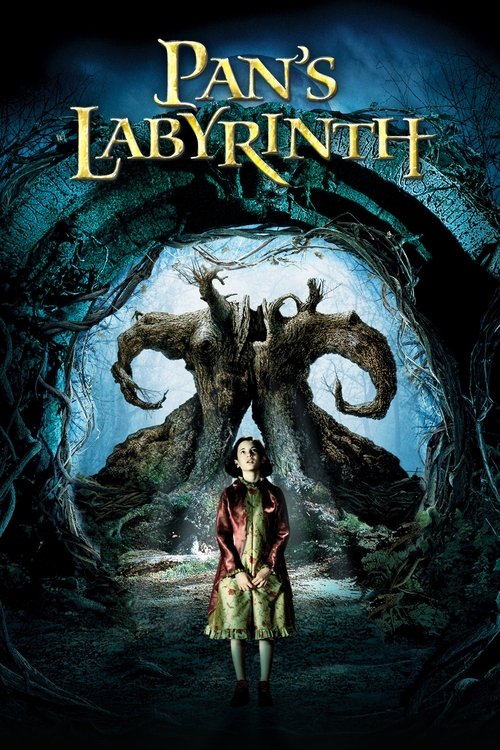
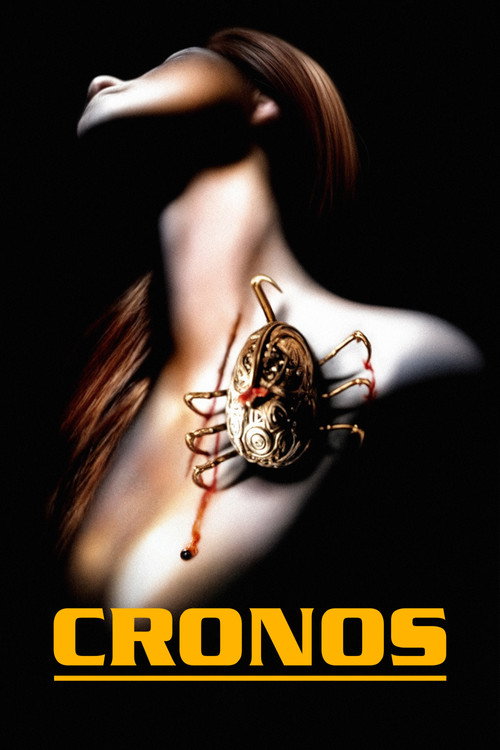
His first feature, Cronos, was released in 1993 and introduced many of the themes that would define his career: immortality, bodily transformation, innocence endangered by violence, and monsters that are more humane than the humans around them. After the Hollywood experience of Mimic, del Toro returned to more personal territory with The Devil's Backbone, a ghost story set against the Spanish Civil War. He later made Pan's Labyrinth, another Spanish Civil War-era fantasy, which became one of his defining works and won wide international acclaim for its blend of political brutality and mythic imagination.

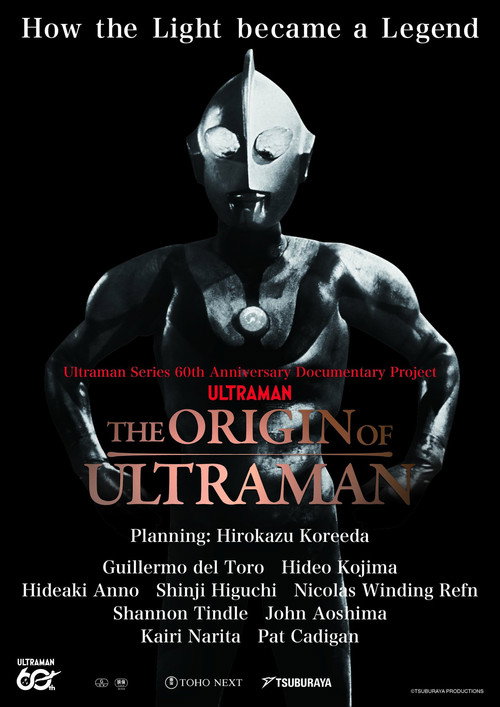
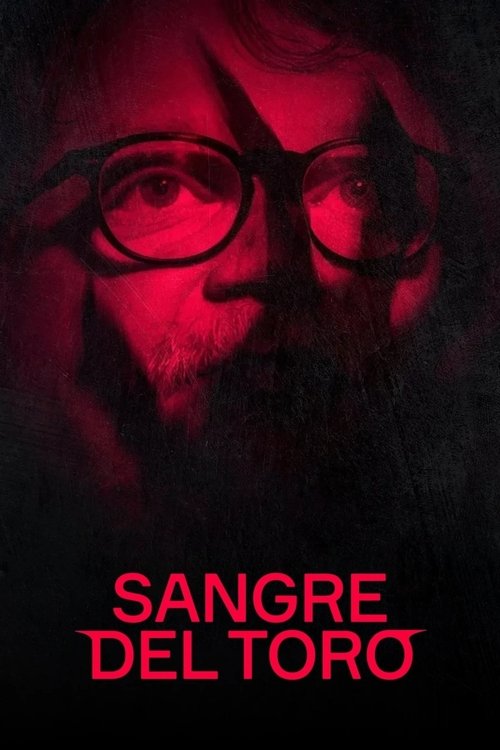
as Self · 2026 · Not rated yet

as Self · 2026 · Not rated yet

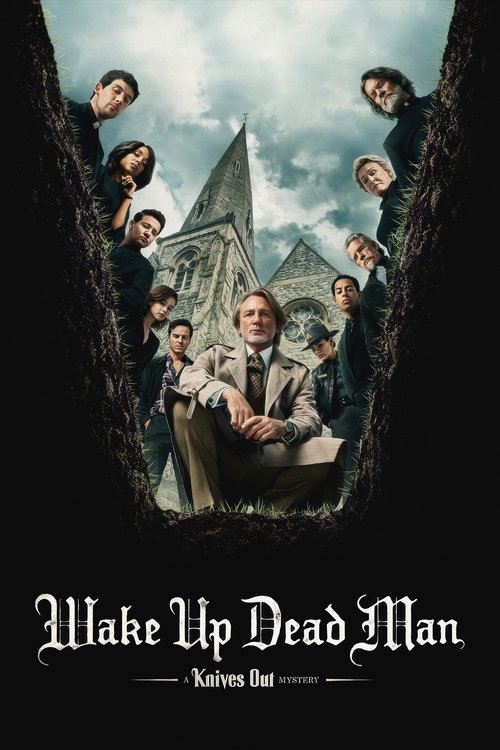
Thanks · 2025 · Not rated yet

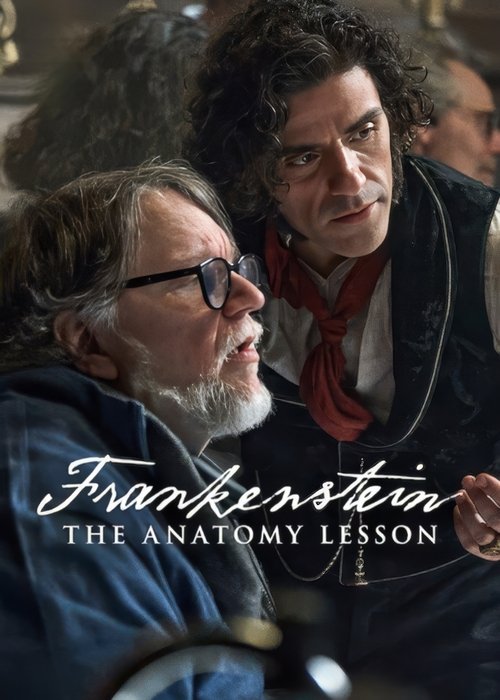
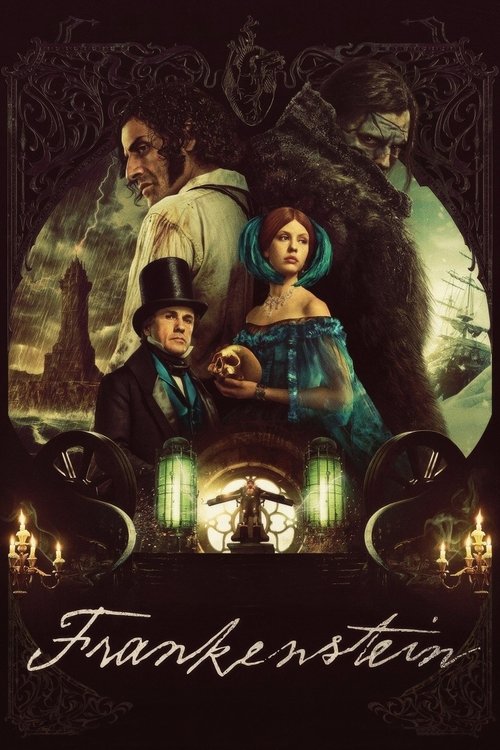
as Self - Writer / Director · 2025 · Not rated yet
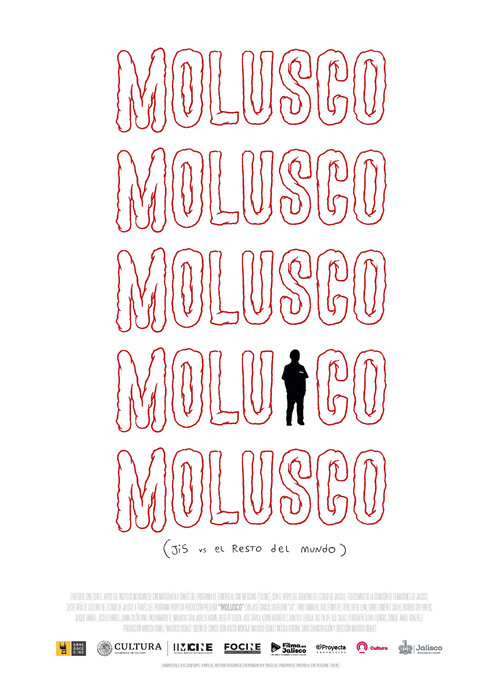
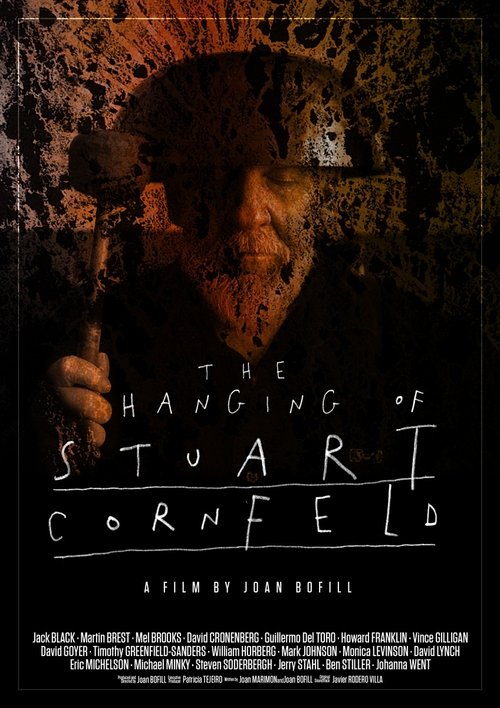
Actor · 2025 · Not rated yet

Actor · 2025 · Not rated yet

Director · 2025 · Not rated yet

Producer · 2025 · Not rated yet
Community
Community
Discuss Guillermo del Toro. By default, replies in a topic go to the original poster; use a message’s Reply button to reply to someone specific.
Sign in to post in the forum.
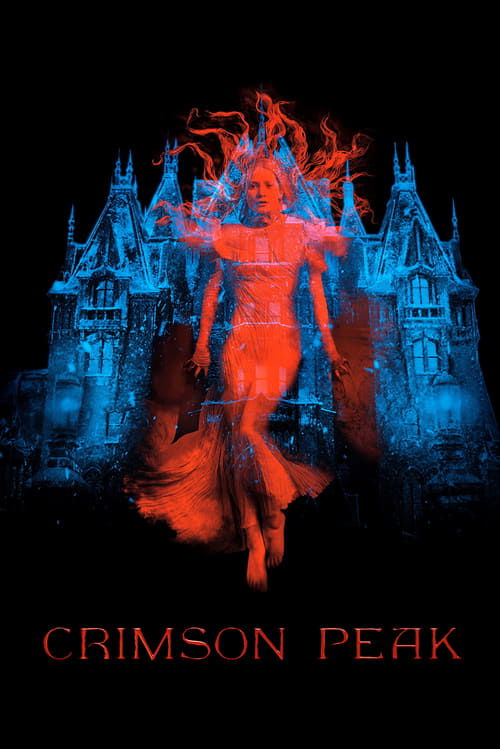
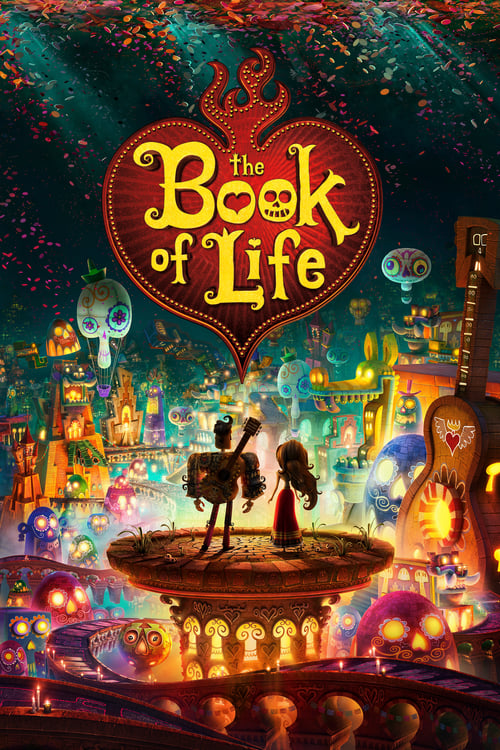
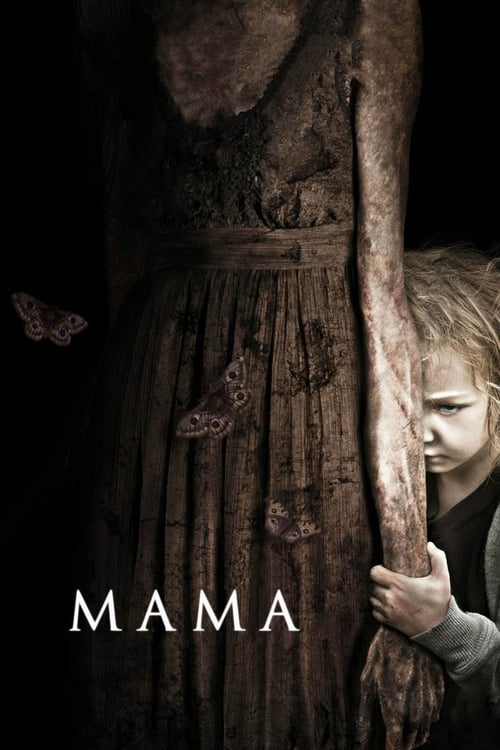
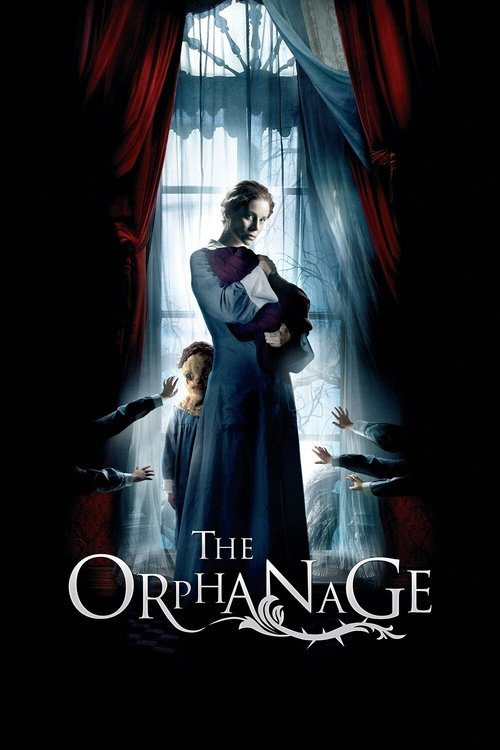
Del Toro also built a parallel career in English-language genre cinema. He directed Blade II, Hellboy and Hellboy II: The Golden Army, bringing comic-book and monster-movie material into his own ornate visual language. Pacific Rim scaled his love of creatures and machinery into a global kaiju adventure, while Crimson Peak revisited Gothic romance through elaborate production design and haunted-house melodrama. As a producer or writer, he has been associated with The Orphanage, Mama, The Book of Life, Scary Stories to Tell in the Dark and other genre projects.
The Shape of Water marked a major awards breakthrough. The film, a romantic fantasy about a mute cleaner and an amphibious creature in a Cold War laboratory, won the Academy Award for Best Picture, and del Toro won Best Director. Its success confirmed that his lifelong interest in monsters could carry not only cult or genre appeal but also major institutional recognition. He later directed Nightmare Alley, a noir-inflected adaptation of William Lindsay Gresham's novel, showing his interest in human monstrosity without the consolation of supernatural creatures.
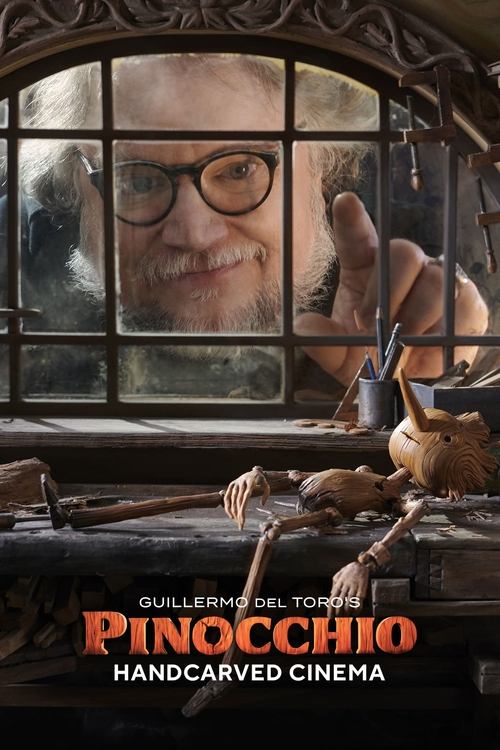
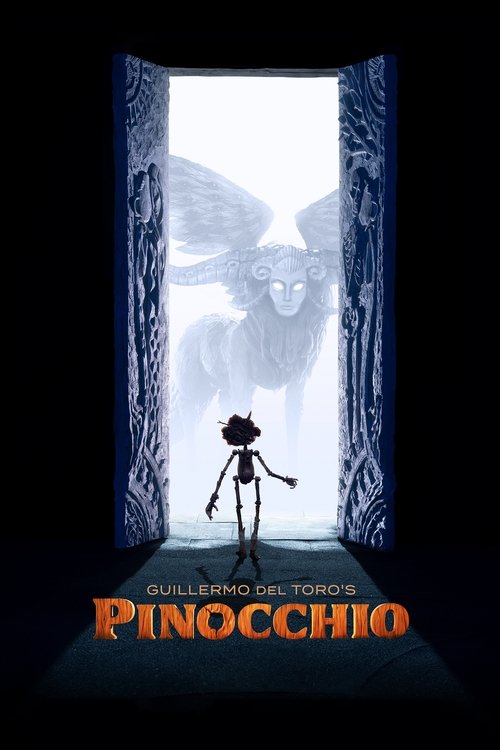
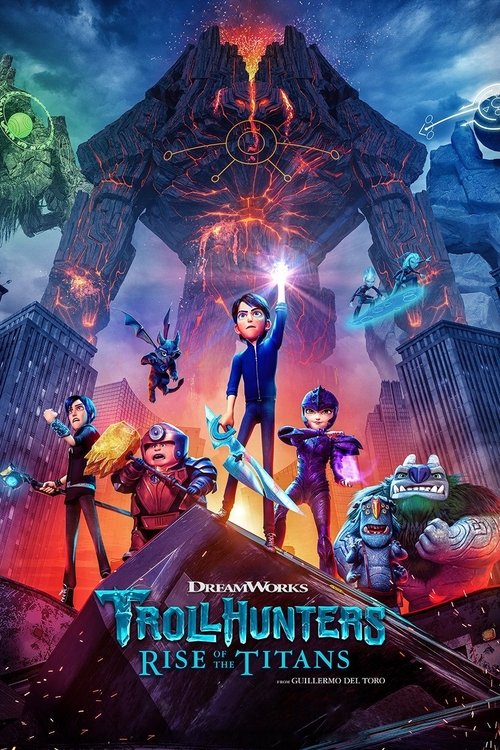
Animation has become another central part of del Toro's work. With DreamWorks Animation and Netflix he created the Tales of Arcadia franchise, including Trollhunters, 3Below and Wizards. His stop-motion Guillermo del Toro's Pinocchio reimagined Carlo Collodi's story through grief, fascism, disobedience and mortality, and won the Academy Award for Animated Feature. Del Toro has repeatedly argued for animation as cinema rather than a genre for children, and Pinocchio became the clearest proof of that artistic position in his own filmography.
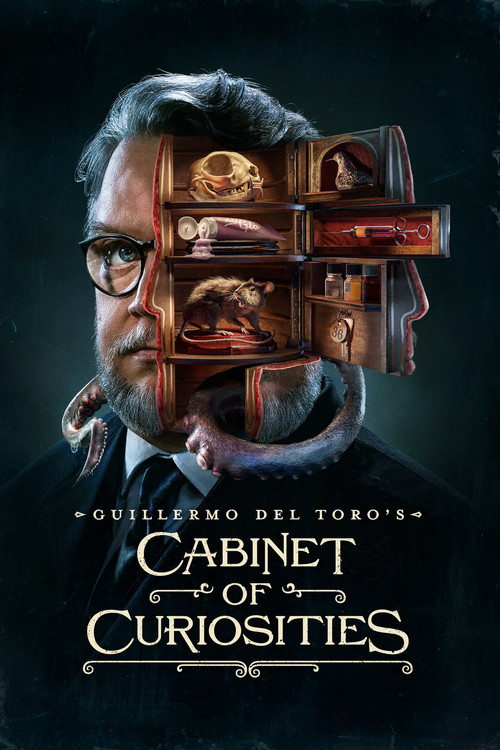
Beyond directing, del Toro has co-written novels including The Strain trilogy with Chuck Hogan, produced and presented Guillermo del Toro's Cabinet of Curiosities, and maintained a public role as a champion of film history, practical craft and international genre cinema. He is often grouped with Alfonso Cuarón and Alejandro G. Iñárritu as one of the “Three Amigos” of Mexican cinema, filmmakers whose international success helped reshape perceptions of Mexican directors in the 2000s and 2010s.
Del Toro's career is unified by the belief that fantasy and horror can express moral truth. His monsters are rarely simple threats; they are wounded, sacred, comic, erotic, tragic or misunderstood. His villains, by contrast, are often authoritarian humans who fear ambiguity and imagination. That reversal has made his work distinctive across languages and industries, giving him a place as both a popular genre filmmaker and a major contemporary auteur.


References:
[1] Wikipedia, “Guillermo del Toro” — https://en.wikipedia.org/wiki/Guillermo_del_Toro
[2] Golden Globes, “Guillermo del Toro” — https://goldenglobes.com/person/guillermo-del-toro/
[3] Encyclopaedia Britannica, “Guillermo del Toro” — https://www.britannica.com/biography/Guillermo-del-Toro
[4] The Movie Database, “Guillermo del Toro” — https://www.themoviedb.org/person/10828-guillermo-del-toro
[5] Wikipedia, “Cronos” — https://en.wikipedia.org/wiki/Cronos_(film)
[6] Wikipedia, “The Devil's Backbone” — https://en.wikipedia.org/wiki/The_Devil%27s_Backbone
[7] Wikipedia, “Pan's Labyrinth” — https://en.wikipedia.org/wiki/Pan%27s_Labyrinth
[8] Wikipedia, “The Shape of Water” — https://en.wikipedia.org/wiki/The_Shape_of_Water
[9] Wikipedia, “Guillermo del Toro's Pinocchio” — https://en.wikipedia.org/wiki/Guillermo_del_Toro%27s_Pinocchio
[10] Wikipedia, “Guillermo del Toro filmography” — https://en.wikipedia.org/wiki/Guillermo_del_Toro_filmography

Writer · 2025 · Not rated yet
Most liked
Top comments