Acting
No awards listed yet.
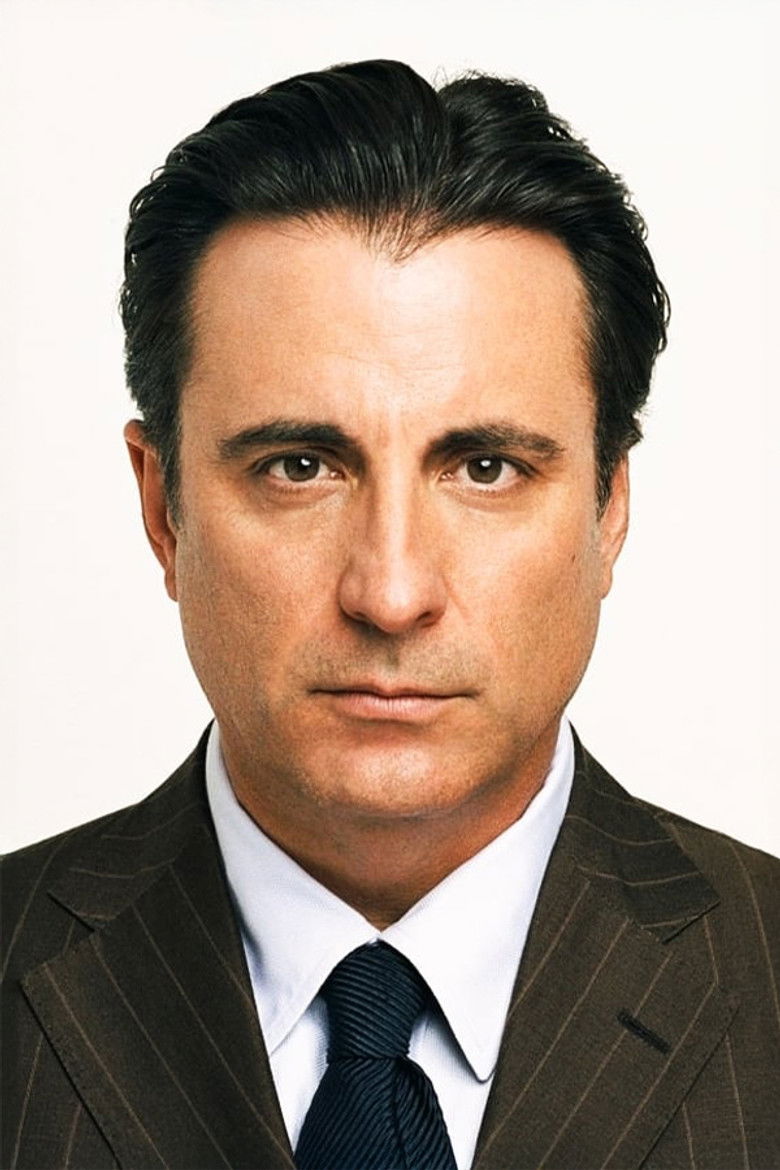
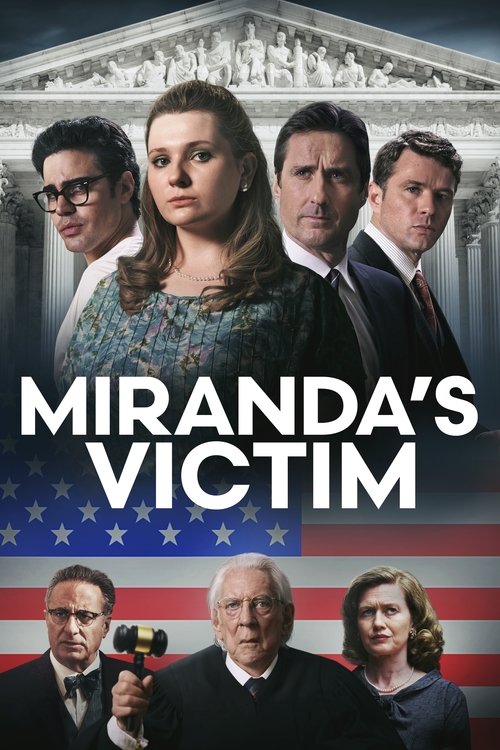
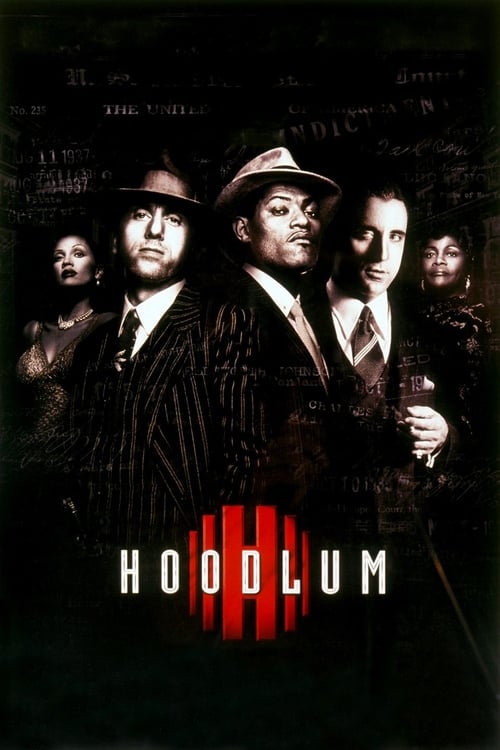
Andrés Arturo García Menéndez, known professionally as Andy Garcia, is a Cuban-born American actor, director, producer, and musician whose screen image has long combined restrained intensity, old-Hollywood elegance, and an undercurrent of exile memory. Born in Havana in 1956, Garcia left Cuba with his family as a child after the Cuban Revolution and grew up in Miami, where the rhythms, language, and politics of the Cuban American community became an enduring part of his identity. Before he was internationally recognized, he studied and performed in Florida, including at Florida International University, and worked through stage, television, and supporting film roles while developing the quiet, watchful presence that later became his signature.
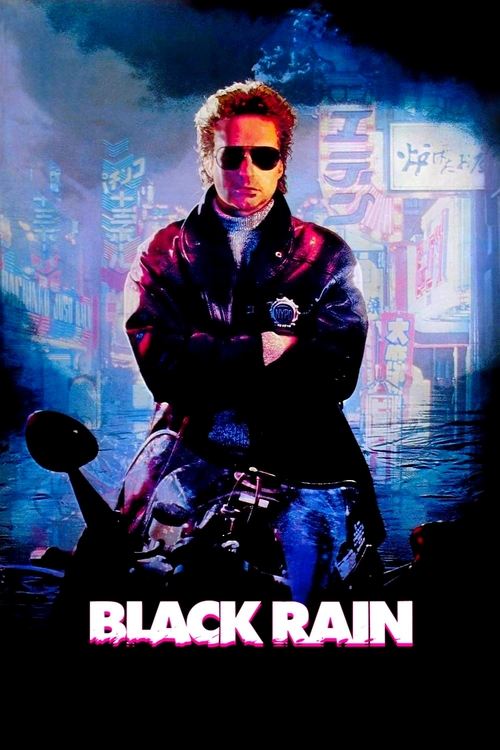
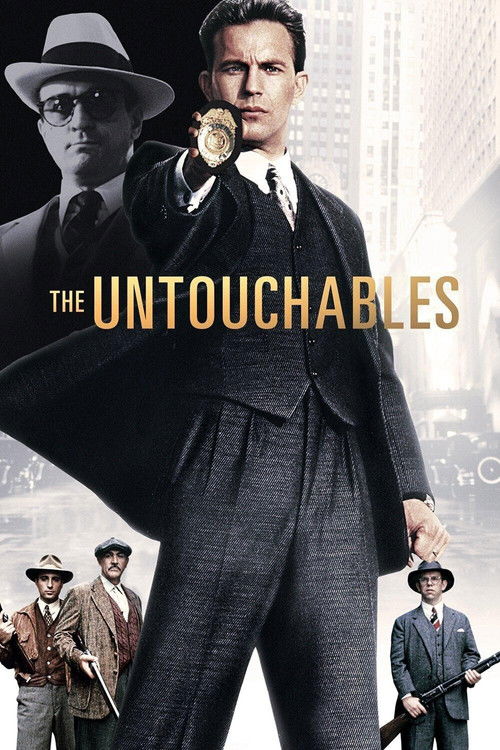
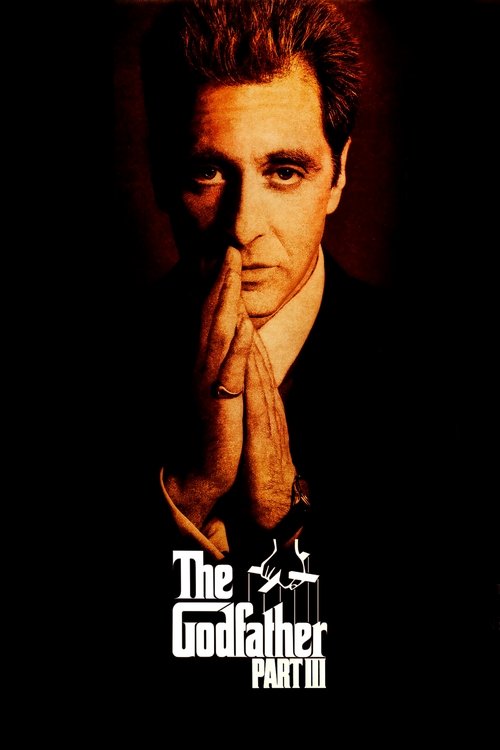
Garcia's major breakthrough came in the late 1980s, when he appeared in Brian De Palma's The Untouchables and then in films such as Stand and Deliver, Black Rain, and Internal Affairs. Those roles positioned him as a sharp dramatic actor rather than a conventional leading man: he could play loyalty, suspicion, menace, and charm without overstatement. His best-known early career peak arrived with Francis Ford Coppola's The Godfather Part III, in which he played Vincent Mancini, the volatile illegitimate son of Sonny Corleone. The performance earned Garcia an Academy Award nomination for supporting actor and made him one of the most visible Cuban American actors in Hollywood at the start of the 1990s.
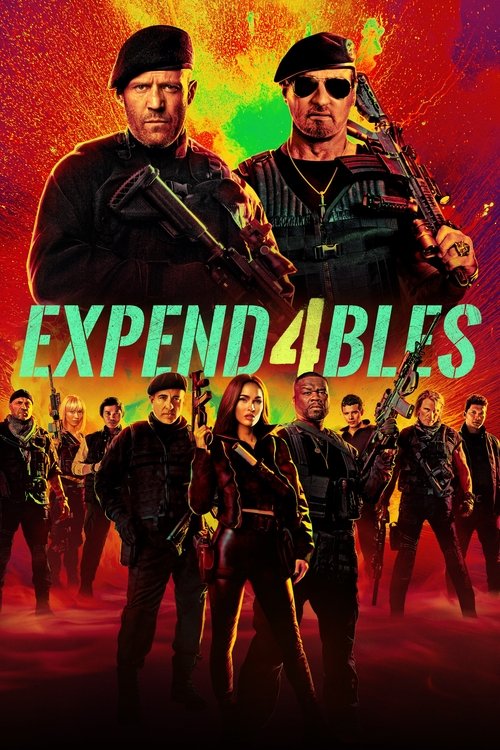
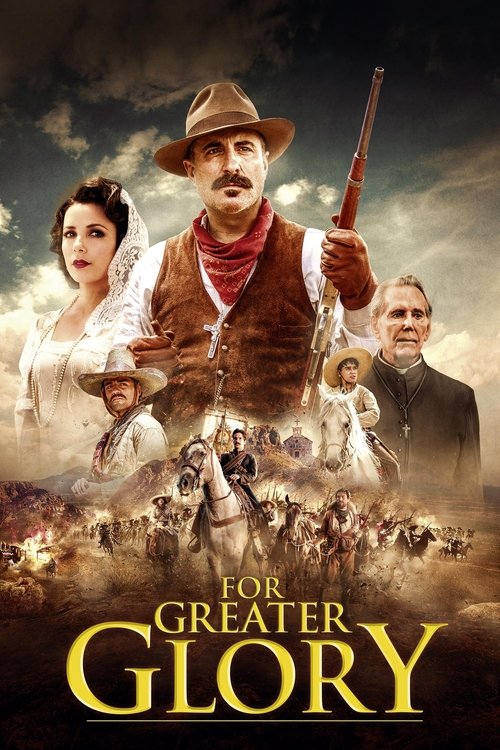
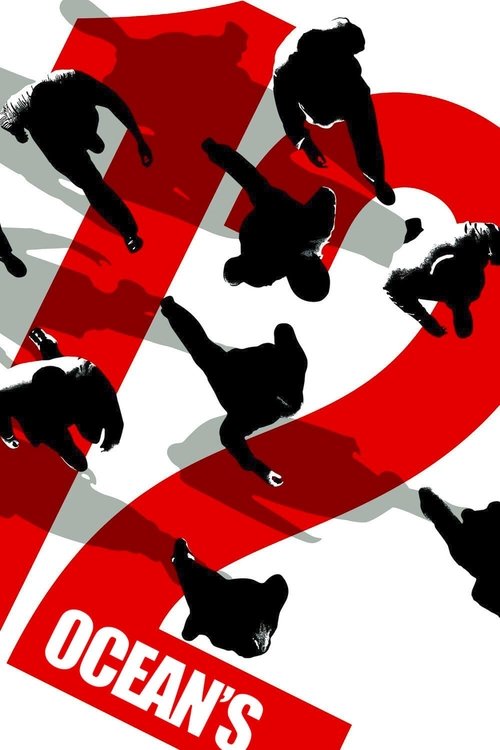
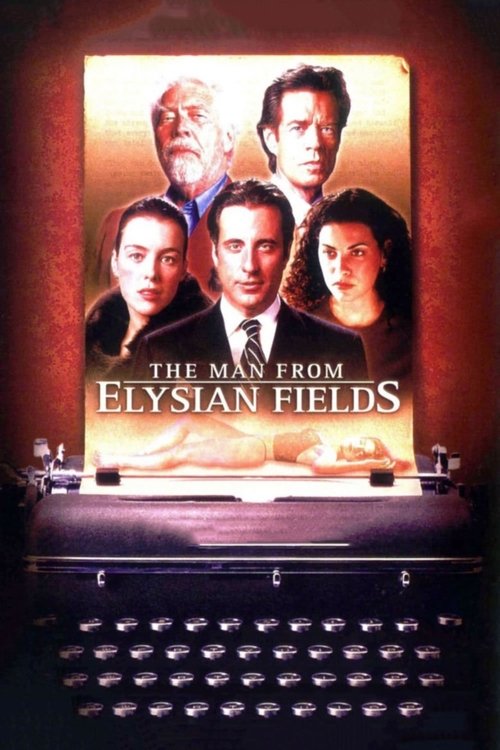
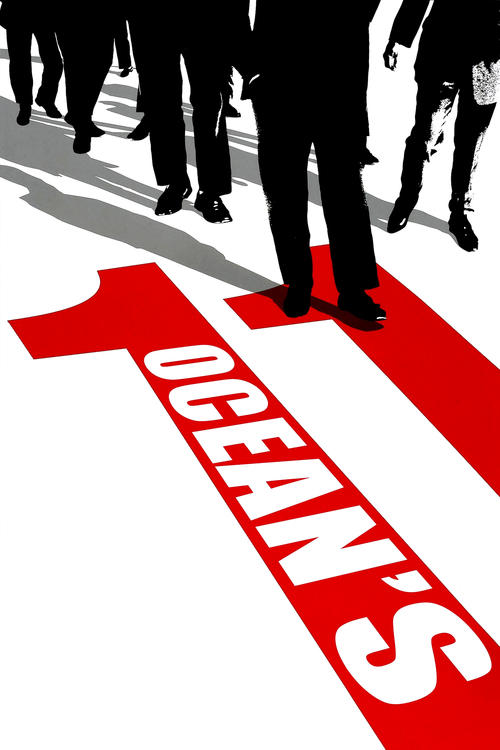
In the decades that followed, Garcia moved fluidly between studio films, independent dramas, crime stories, comedies, and character parts. He played Terry Benedict in Ocean's Eleven and its sequels, bringing polished arrogance to the casino owner who opposes Danny Ocean's crew. He also appeared in Hero, When a Man Loves a Woman, Things to Do in Denver When You're Dead, Desperate Measures, Just the Ticket, The Man from Elysian Fields, Confidence, The Lost City, City Island, For Greater Glory, Book Club, Mamma Mia! Here We Go Again, Father of the Bride, and many other projects. His work often turns on a tension between warmth and control: Garcia can be courtly, severe, wounded, or comic, sometimes within the same film.

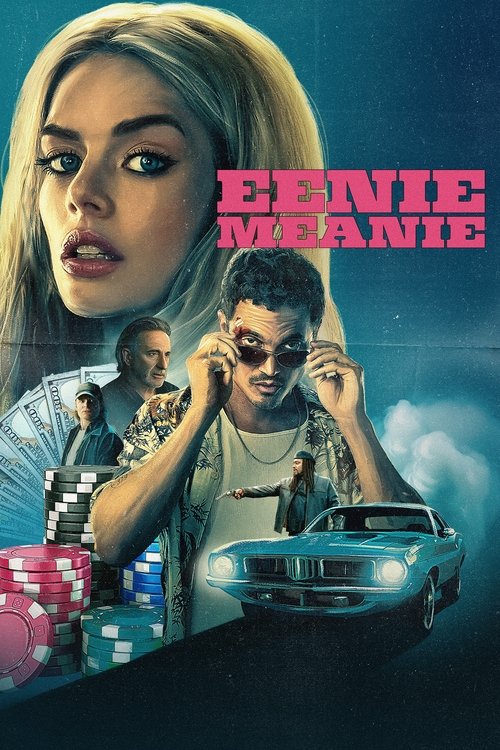
Actor · 2026 · Not rated yet

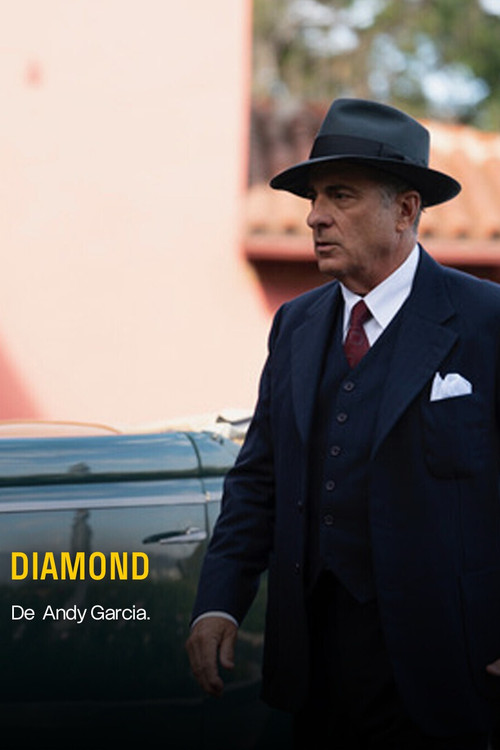
as Joe Diamond · 2026 · Not rated yet

Director · 2026 · Not rated yet

Producer · 2026 · Not rated yet

Writer · 2026 · Not rated yet

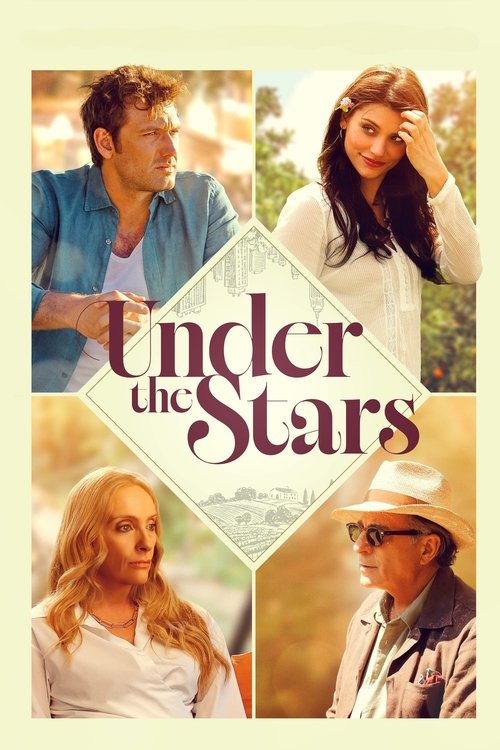
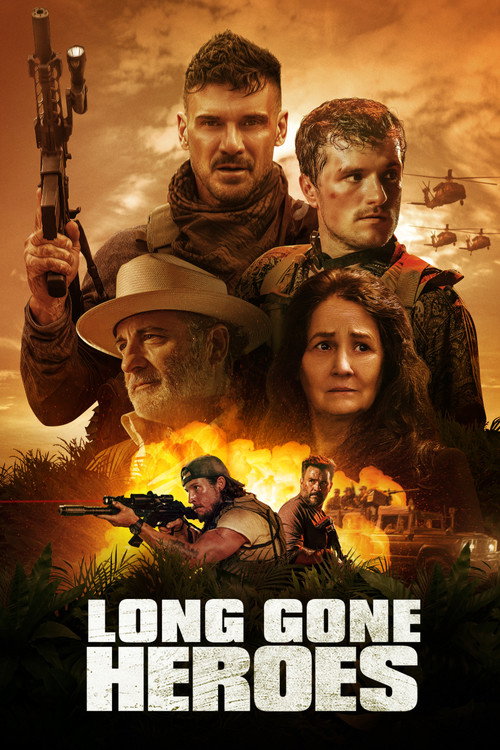
as Giacomo · 2025 · Not rated yet

as Nico · 2025 · Not rated yet

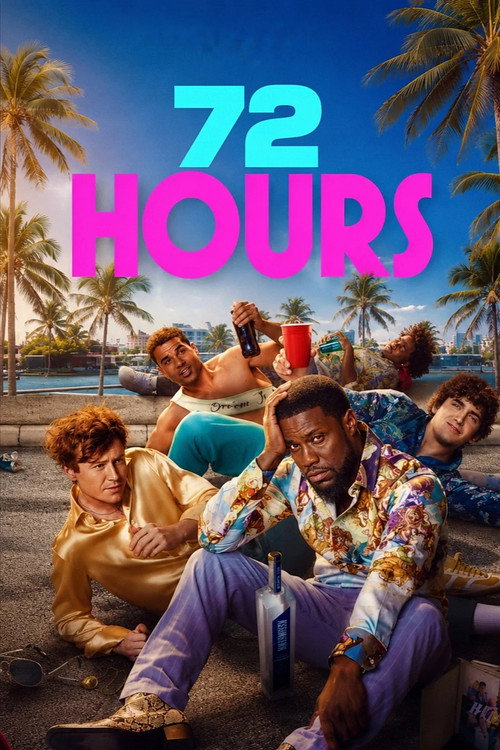
as Roman · 2024 · Not rated yet

Community
Community
Discuss Andy Garcia. By default, replies in a topic go to the original poster; use a message’s Reply button to reply to someone specific.
Sign in to post in the forum.
Garcia has also used his career to preserve and celebrate Cuban culture. He directed and starred in The Lost City, a long-gestating drama about Havana around the time of the revolution, and produced music projects connected to the Cuban bassist and bandleader Israel "Cachao" López. His involvement with Cachao's recordings and documentary work brought Garcia recognition beyond acting, including Grammy-related attention for his work as a producer. Music, especially Afro-Cuban jazz and mambo, has remained central to his public artistic life and to the way he frames Cuban memory on screen.
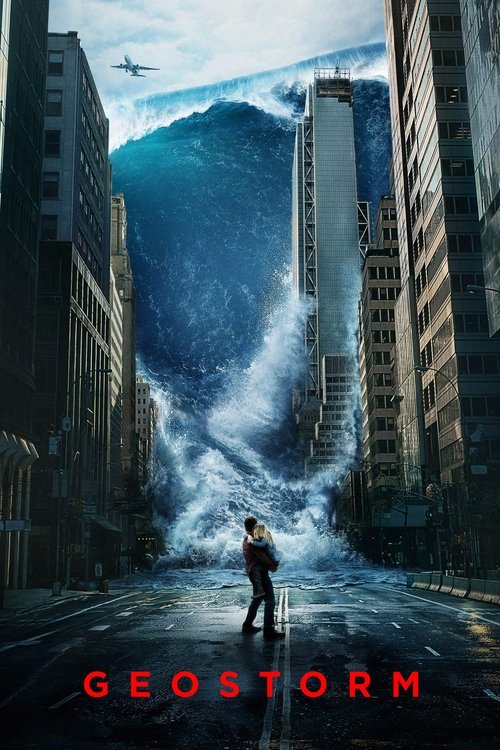
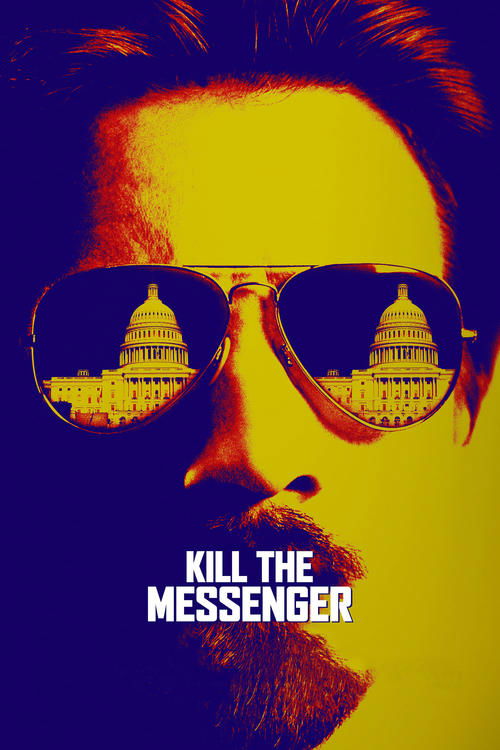
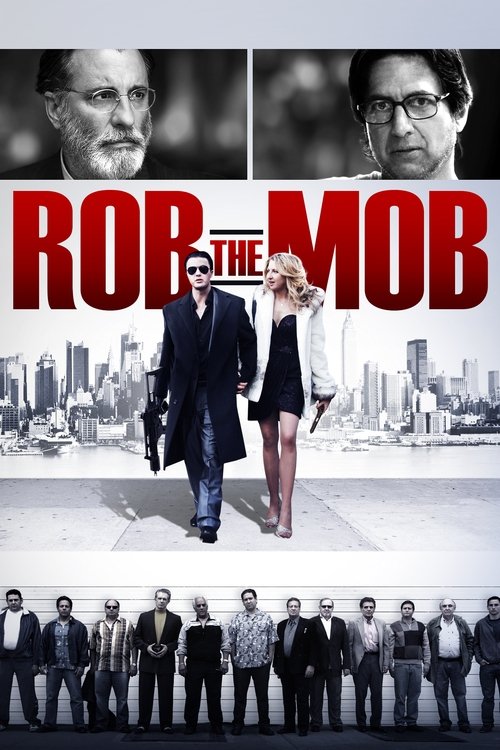
Although Garcia became associated with crime dramas and patriarchal authority figures, his later career shows notable range. He has played fathers, politicians, priests, veterans, businessmen, and romantic leads, and he has remained active in ensemble casts where a few precisely delivered lines can define a whole character. In Rob the Mob, Kill the Messenger, Geostorm, Book Club, and the 2022 Father of the Bride, he leaned into older roles without giving up the intensity that made his early performances distinctive. His continued work across English- and Spanish-language cultural spaces has made him a durable figure in American film and in Latino representation in Hollywood.
Garcia's reputation rests less on one franchise than on a long accumulation of controlled performances. He brought Cuban American specificity into mainstream cinema at a time when such visibility was still limited, while also building a career broad enough to include prestige drama, commercial entertainment, music production, and directing. His best roles use stillness as a form of pressure: the audience senses history, pride, and conflict beneath a composed surface.
One reason Garcia's filmography has remained broad is that he has rarely depended on a single heroic persona. In The Untouchables he fit into a classical law-enforcement ensemble; in The Godfather Part III he became part of one of American cinema's most scrutinized family sagas; in the Ocean's films he functioned as a sleek antagonist whose power came from status and precision. In smaller films, he has often chosen characters with a more reflective or melancholy quality. City Island, for example, used his presence for comedy and family tension rather than gangster mythology, while The Man from Elysian Fields and When a Man Loves a Woman drew on a gentler romantic or domestic register.
His career also reflects the shifting opportunities available to Latino actors in Hollywood. Garcia became famous in an era when studios often offered Latino performers crime, law-enforcement, or immigrant-adjacent roles, yet he pushed beyond those limits by working as a producer, director, and music advocate. The Lost City was personal in that sense: not merely a starring vehicle but an attempt to stage a Cuban historical memory that mainstream American films rarely centered. Even when the film received mixed reactions, it clarified Garcia's long-standing interest in diaspora, family, and the cultural life of pre- and post-revolutionary Cuba.
On screen, Garcia's technique is often economical. He tends to underplay dialogue, holding tension in posture and gaze, and he is especially effective in scenes where status is being negotiated quietly. That reserve has made him convincing as mob heirs, casino owners, political figures, doctors, fathers, and men carrying private grief. It also makes his warmer performances feel earned rather than sentimental. Across decades, he has built a filmography that is recognizably commercial but also personal, anchored by a consistent sense of dignity and musicality.
References:
[1] Wikipedia, “Andy Garcia” — https://en.wikipedia.org/wiki/Andy_Garcia
[2] Wikimedia REST API, “Andy García page metadata” — https://api.wikimedia.org/core/v1/wikipedia/en/page/Andy_Garc%C3%ADa
[3] Academy of Motion Picture Arts and Sciences, “The 63rd Academy Awards nominees and winners” — https://www.oscars.org/oscars/ceremonies/1991
[4] The Recording Academy, “Andy Garcia artist page” — https://www.grammy.com/artists/andy-garcia/12598
[5] Turner Classic Movies, “Andy Garcia profile” — https://www.tcm.com/tcmdb/person/68484%7C0/Andy-Garcia
[6] AllMovie, “Andy Garcia biography” — https://www.allmovie.com/artist/andy-garcia-vn15351237
[7] IMDb, “Andy Garcia” — https://www.imdb.com/name/nm0000412/
[8] The Movie Database, “Andy Garcia” — https://www.themoviedb.org/person/1271-andy-garcia
[9] Encyclopaedia.com, “Garcia, Andy” — https://www.encyclopedia.com/education/news-wires-white-papers-and-books/garcia-andy
[10] Florida International University, “Andy Garcia” — https://www.fiu.edu/
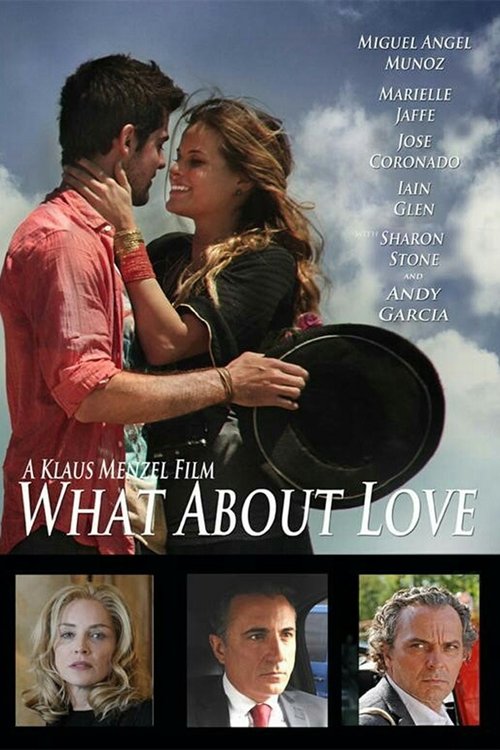
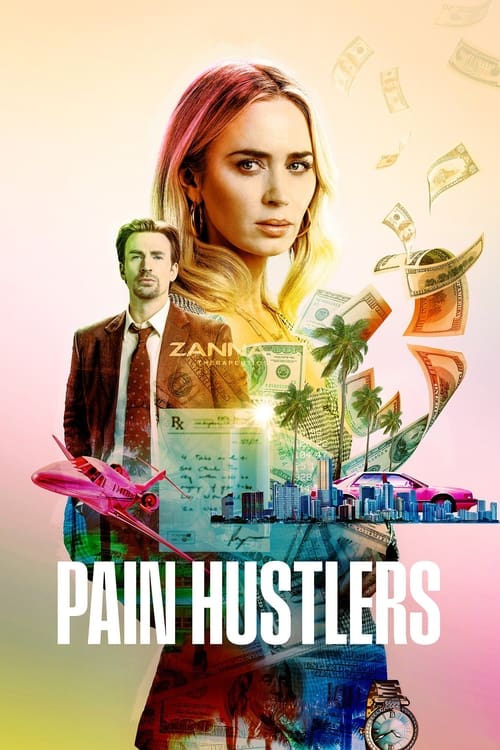
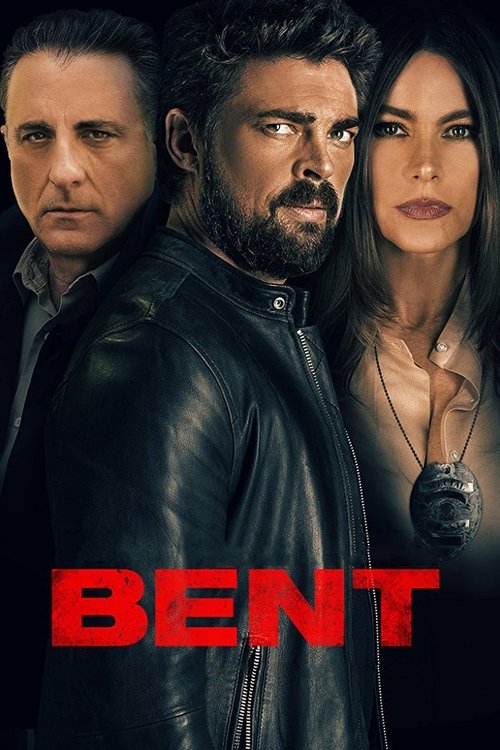
as Peter Tarlton · 2024 · Not rated yet
Most liked
Top comments