Emily Jean “Emma” Stone is an American actress and producer known for combining comic speed, dramatic precision and a willingness to take formally unusual roles. Born on November 6, 1988, in Scottsdale, Arizona, she acted in local theater as a child before moving to Los Angeles as a teenager to pursue screen work. Her early career included television appearances and comedy roles, but she quickly became one of the most acclaimed film actors of her generation.
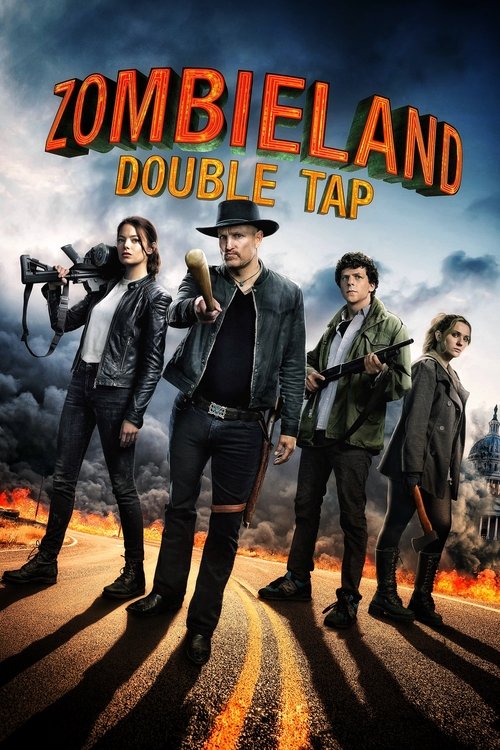
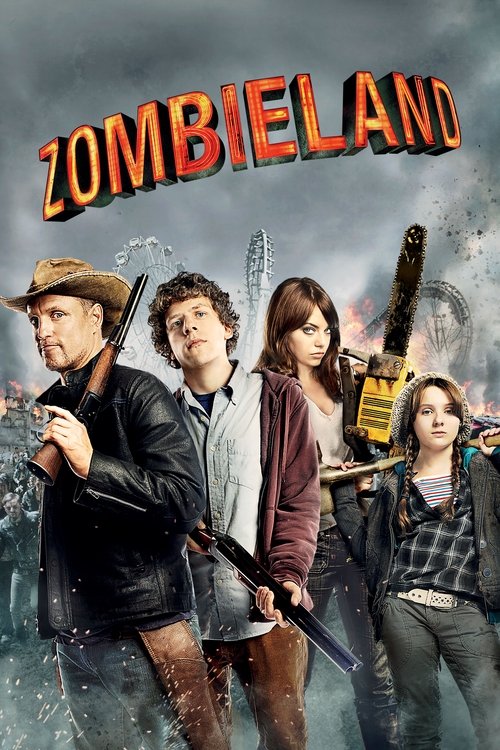
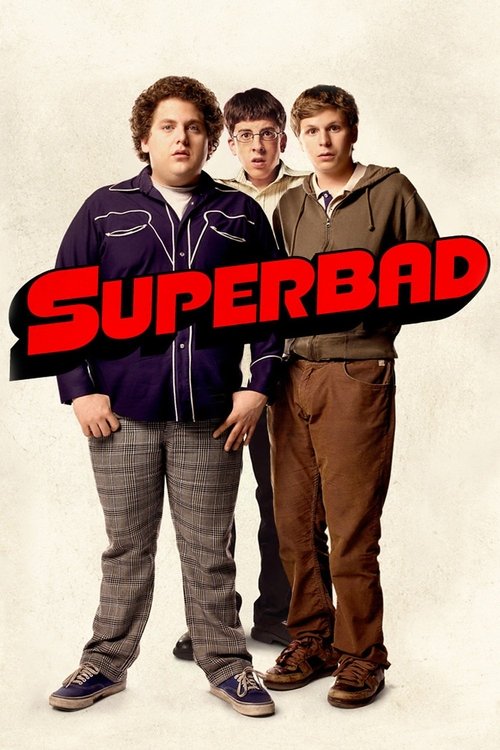
Stone’s first major wave of recognition came through comedy. After a supporting role in Superbad, she appeared in Zombieland and then took her first major leading role in Easy A. That film turned on her ability to make a heightened teen-comedy premise feel sharp, self-aware and emotionally grounded. Her performance as Olive Penderghast announced many of the qualities that would define her early stardom: a husky voice, quick reactions, expressive physical comedy and a gift for playing intelligence without making a character seem remote.
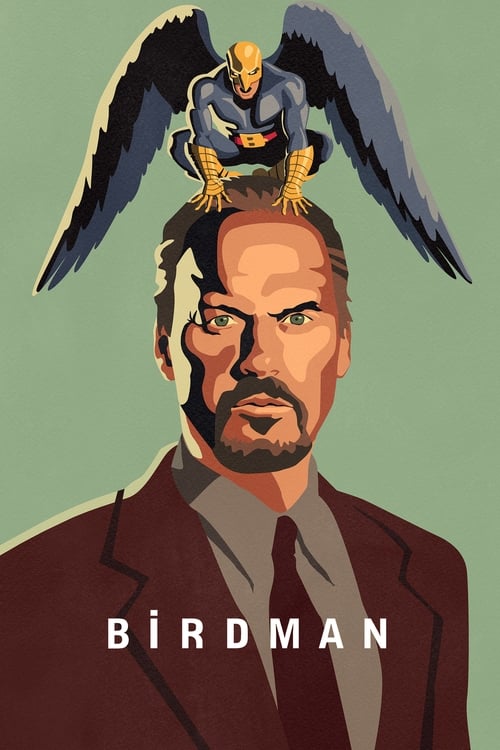
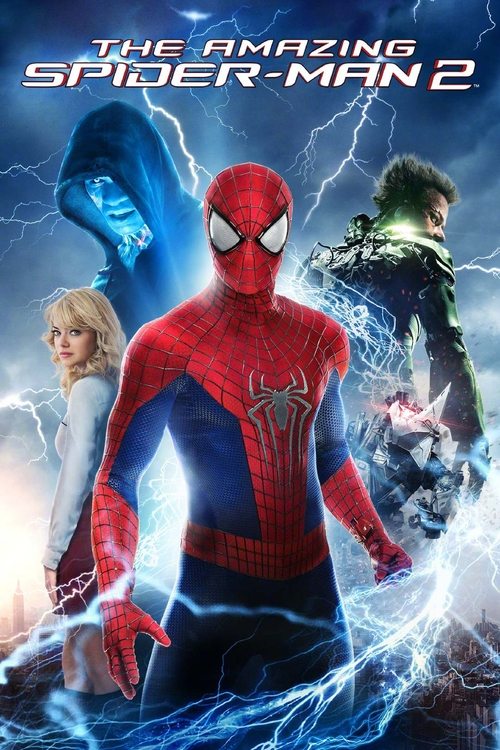
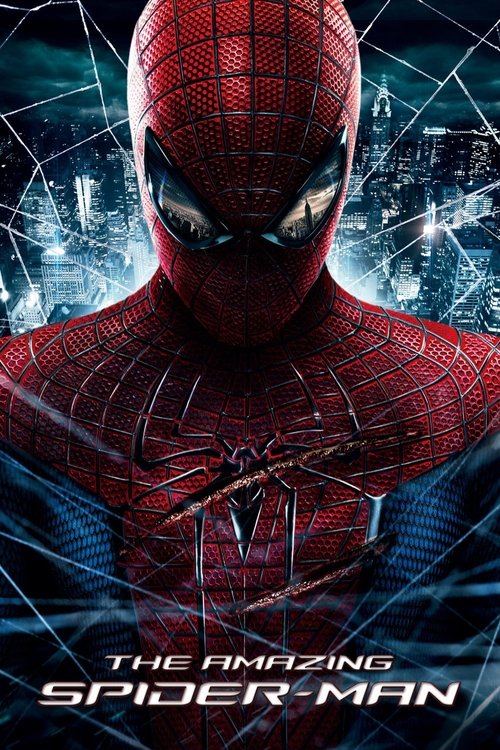
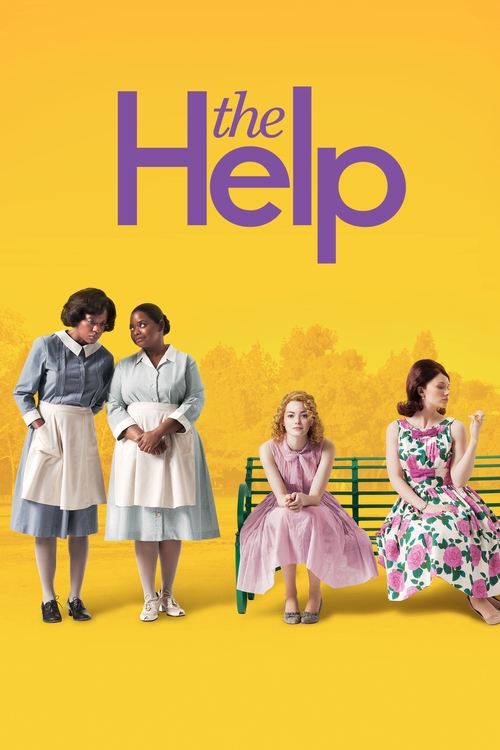
She broadened her range with Crazy, Stupid, Love and The Help, then entered large-scale franchise filmmaking as Gwen Stacy in The Amazing Spider-Man and The Amazing Spider-Man 2. The Gwen Stacy role gave Stone a mainstream blockbuster platform while still depending on emotional clarity and chemistry rather than spectacle alone. Around the same period, she began moving toward more demanding awards-oriented work, including Birdman or (The Unexpected Virtue of Ignorance), for which she received an Academy Award nomination for supporting actress.
Discuss Emma Stone. By default, replies in a topic go to the original poster; use a message’s Reply button to reply to someone specific.
Sign in to post in the forum.
No forum topics yet. Start the conversation.
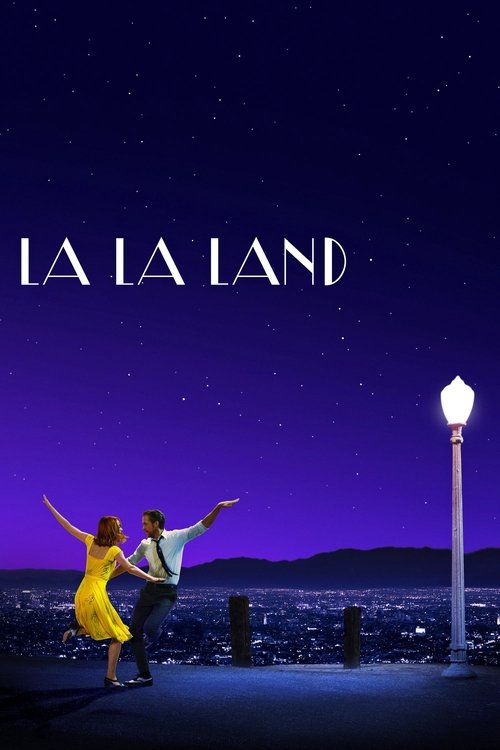
A defining point in Stone’s career came with La La Land. Playing Mia, an aspiring actress navigating romance, rejection and ambition in Los Angeles, Stone anchored a modern musical that drew on classic Hollywood while addressing contemporary uncertainty. The role required singing, dancing, comedy and heartbreak, and it won her the Academy Award for Best Actress. It also made her one of the central faces of a renewed interest in original movie musicals and confirmed that her early comic gifts could support large-scale dramatic romance.
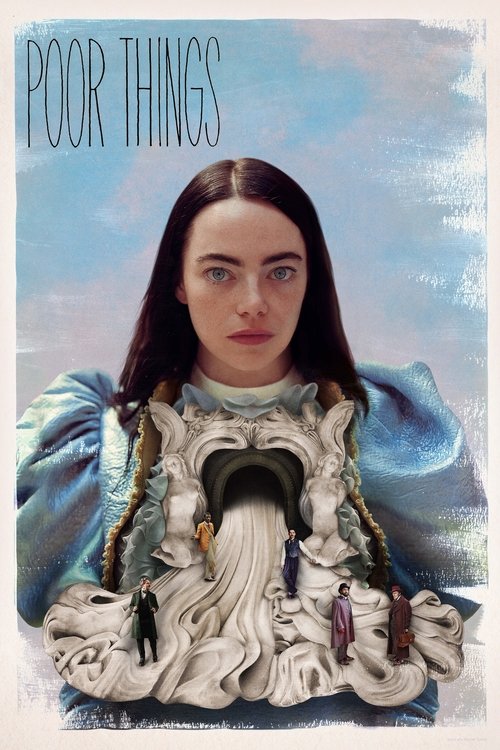
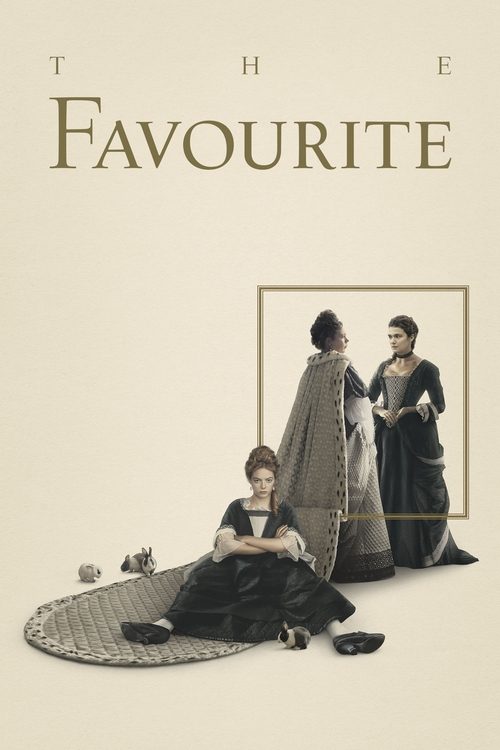
Stone then pursued increasingly eccentric and filmmaker-driven projects. In The Favourite, she played Abigail, a courtier whose vulnerability and ambition become difficult to separate; the role brought another Oscar nomination and began a major creative association with director Yorgos Lanthimos. She later worked with him on Poor Things, playing Bella Baxter in a performance that was physically bold, comic, unsettling and emotionally expansive. Poor Things earned Stone a second Academy Award for Best Actress and also involved her as a producer, marking a shift toward greater creative control.
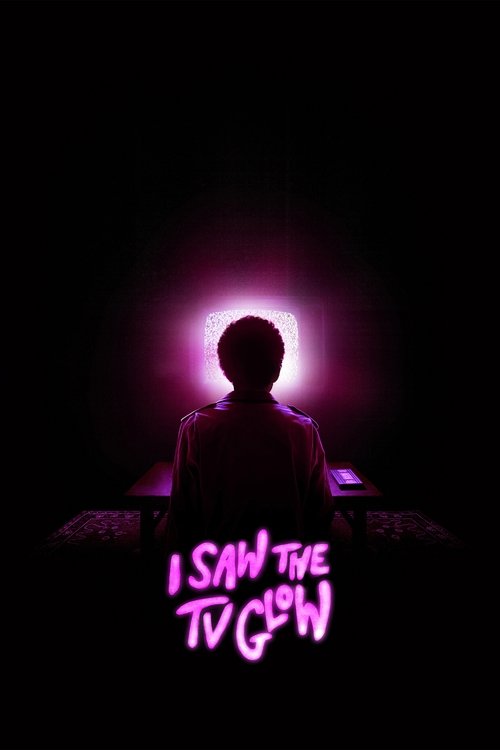
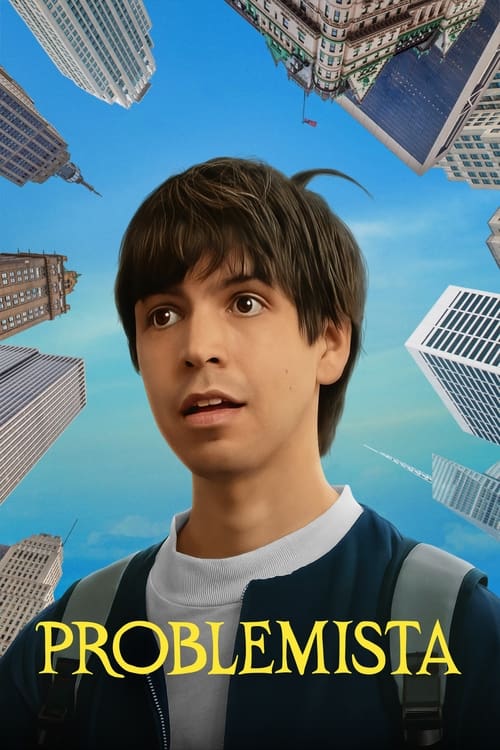
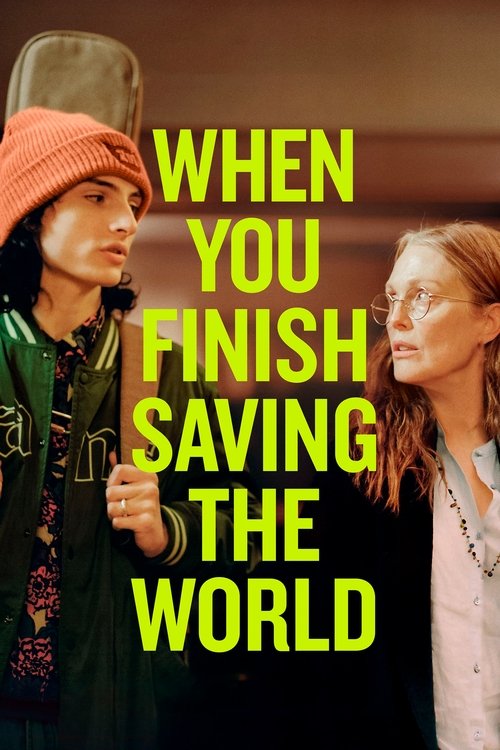
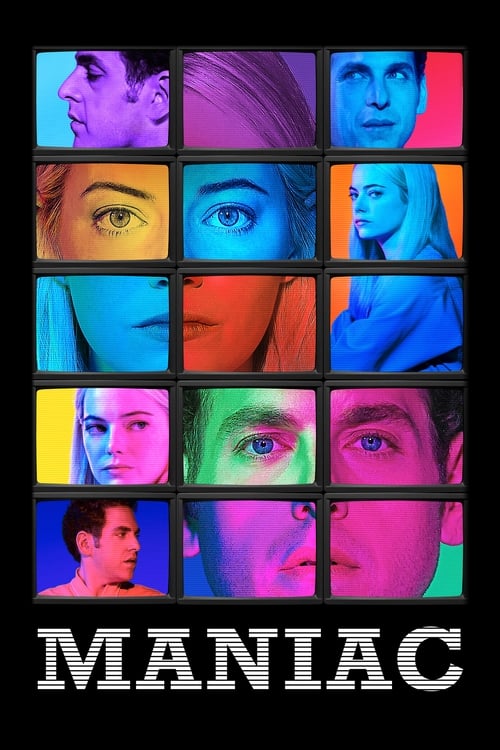
Beyond those films, Stone has appeared on Broadway as Sally Bowles in Cabaret and on television in Maniac and The Curse. She and Dave McCary founded the production company Fruit Tree, which has backed projects including When You Finish Saving the World, Problemista and I Saw the TV Glow. That producing work fits with the riskier choices in her acting career: Stone has increasingly aligned herself with directors and stories that test tone, discomfort and character transformation rather than relying only on conventional star vehicles.
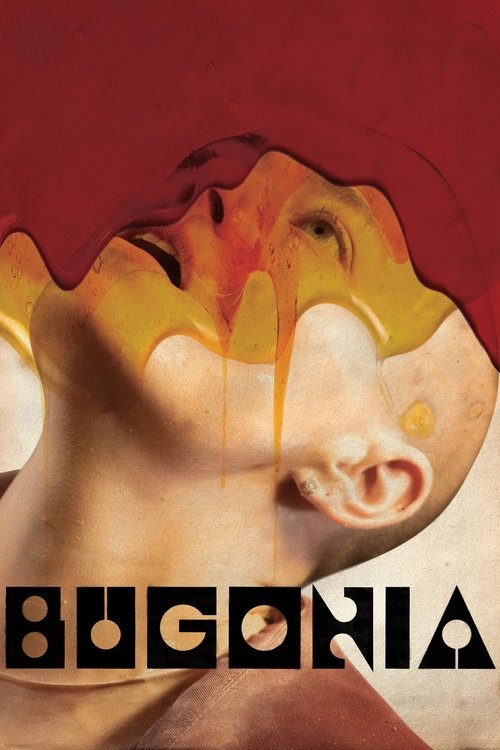
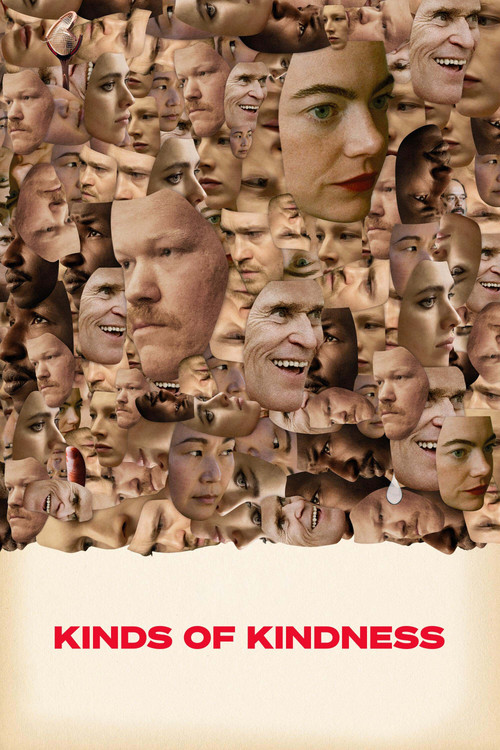
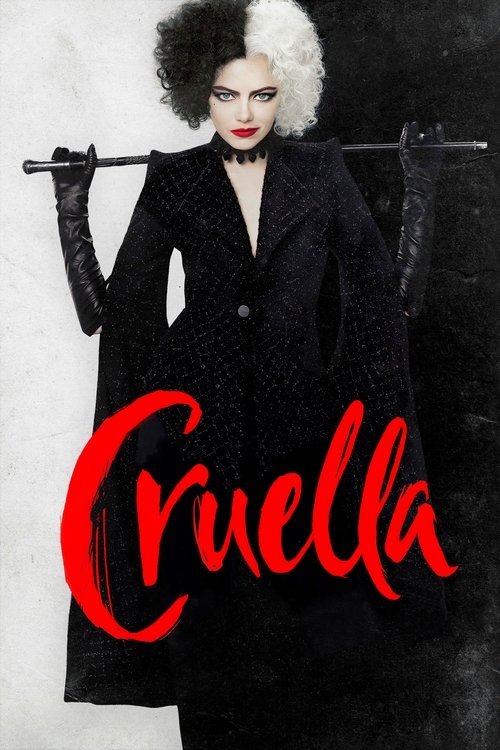
Her later credits, including Cruella, Kinds of Kindness and Bugonia, show how flexible her public image has become. She can lead a Disney origin story, a bleak anthology film, a surreal social satire or a prestige drama without seeming locked into one genre. The career arc from Easy A to La La Land to Poor Things is especially striking because it shows an actor preserving comic energy while steadily expanding into stranger and more physically demanding work.
Stone’s importance rests in that balance. She is a popular star with major awards, but her best-known performances often depend on risk: embarrassment, awkwardness, desire, rage, theatricality and transformation. Rather than smoothing those qualities away, she has made them central to her screen presence.
Stone’s screen presence is unusually elastic. In early comedies, she often played women who understood the joke before everyone else did; in later films, she became interested in characters who do not understand the world at all, or who learn its rules and then decide how to exploit them. That shift is visible from Easy A to The Favourite to Poor Things. The intelligence remains, but it is redirected: sometimes toward self-defense, sometimes toward ambition, sometimes toward discovery.
Her work with Yorgos Lanthimos has been especially important because it pushed her away from naturalistic star performance. The Favourite required a balance of period manner, cruelty and survival instinct. Poor Things required an even more radical physical and vocal construction, beginning with a character whose movements and speech are deliberately unfinished and then tracking her intellectual and sexual awakening. The performance could easily have become a stunt, but Stone made Bella’s development feel coherent from scene to scene. Winning a second Oscar for that role confirmed not only industry admiration but also a willingness to reward genuine formal risk.
Stone’s producing work matters for the same reason. Through Fruit Tree, she has supported films and series with idiosyncratic tones, including projects that do not resemble standard vehicles for a major star. That suggests a career model closer to actor-producer curation than simple brand maintenance. She appears comfortable attaching her name to work that may be strange, abrasive or commercially uncertain if the creative voice is strong.
Her career also reflects a changing idea of movie stardom. Stone has led blockbusters, musicals and awards films, but she has not relied on constant visibility or a fixed persona. Instead, she has made transformation part of the attraction. Audiences may recognize her voice and comic rhythm, yet her best later roles ask them to watch her rebuild herself from the ground up. That combination of familiarity and instability is why she remains both accessible and unpredictable.






Most liked
Top comments