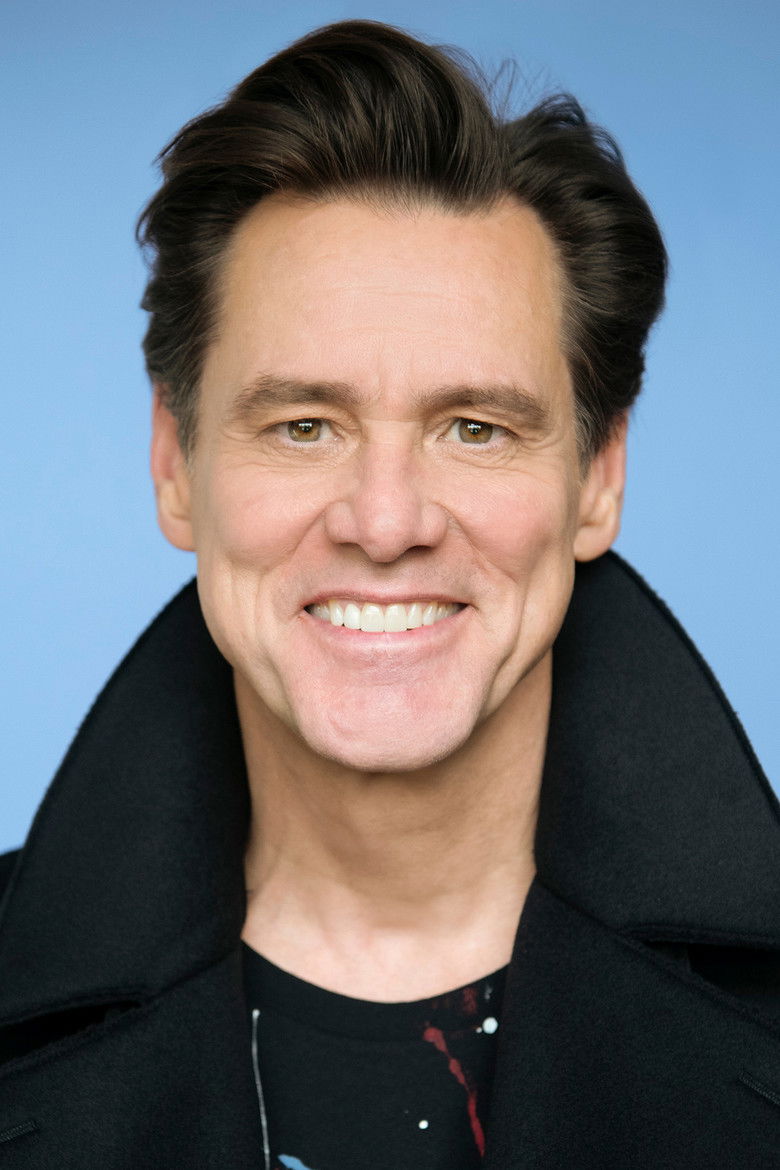
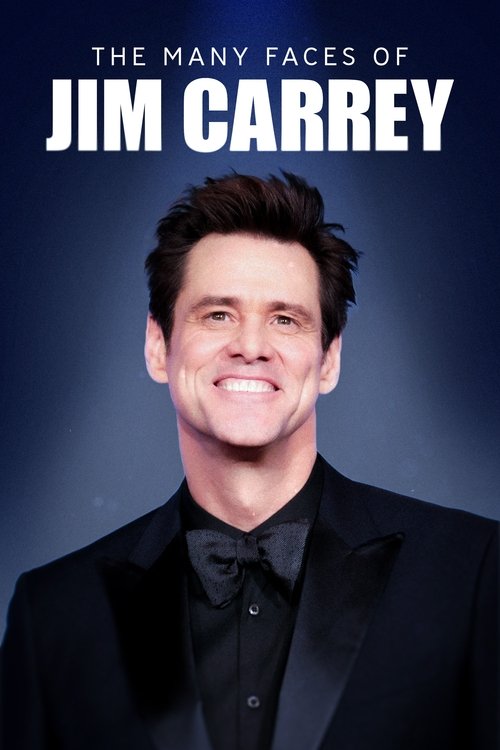
James Eugene Carrey is a Canadian-American actor and comedian whose elastic physical style, rubber-faced impressions, and willingness to push comic premises to extremes made him one of the defining screen comedians of the 1990s. Born on January 17, 1962, in Newmarket, Ontario, he developed as a performer through stand-up and sketch comedy before becoming an international film star. Carrey is most closely associated with high-energy comic roles, but the range of his career also includes acclaimed dramatic performances, voice work, family films, television series, and occasional behind-the-camera producing credits.
Carrey grew up in Ontario in a working-class family. His father, Percy Carrey, was a musician and accountant, and his mother, Kathleen, was a homemaker. Accounts of his early life describe a child fascinated by mimicry and performance; he began doing impressions and exaggerated facial expressions long before he had a professional stage. The family's financial position became difficult when Carrey was a teenager, and he has often connected those years of instability with his drive to escape through performance. He left school as a teenager and tried to build a comedy career while taking ordinary jobs, an experience that later fed the manic intensity and underdog energy of many of his screen characters.
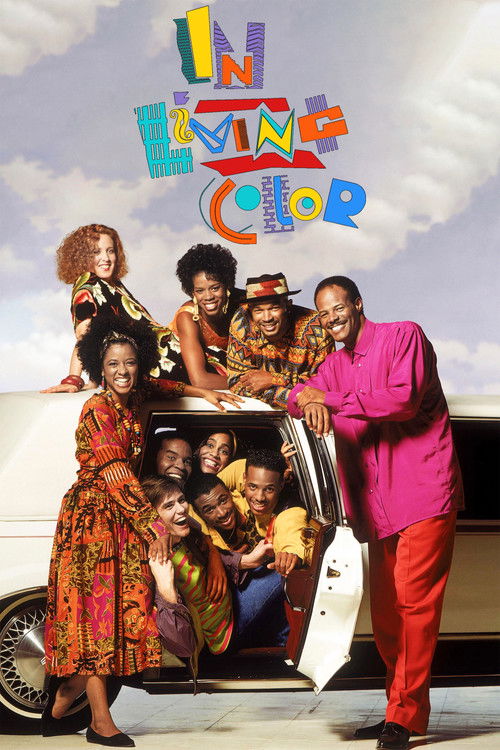
His first professional identity was as a stand-up impressionist. Carrey began performing in Toronto clubs while still very young, including early appearances at Yuk Yuk's, and gradually refined a stage act built around impressions, physical contortions, and broad character comedy. After moving to Los Angeles, he found intermittent work in television and film. One early screen credit was the comedy Once Bitten, and during the 1980s he continued to appear in supporting parts while trying to break through as a comic performer. The decisive step came when he joined the Fox sketch-comedy series In Living Color. On that show, which ran during the early 1990s, Carrey became known for characters such as Fire Marshal Bill and for a performance style that treated the human body almost like a cartoon instrument.
Discuss Jim Carrey. By default, replies in a topic go to the original poster; use a message’s Reply button to reply to someone specific.
Sign in to post in the forum.
No forum topics yet. Start the conversation.
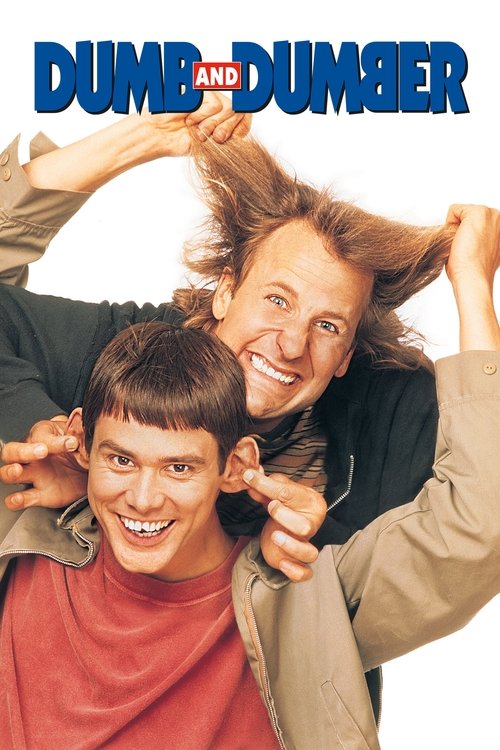
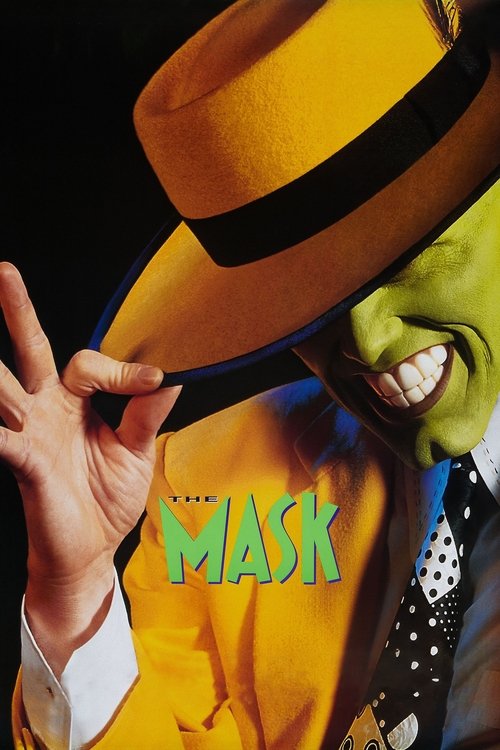
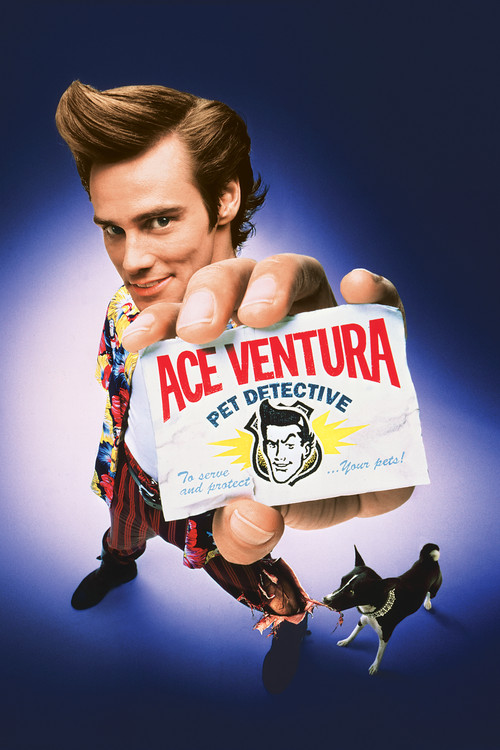
Carrey's film breakthrough arrived in 1994, a year that transformed him from recognizable television comic into a major box-office name. Ace Ventura: Pet Detective made him a lead actor and established his taste for loud, strange, highly physical comedy. The Mask then used special effects to amplify qualities already present in his performance: speed, malleability, dance-like movement, and an appetite for old-fashioned showmanship. Dumb and Dumber, opposite Jeff Daniels, confirmed that Carrey's appeal was not limited to one character or one kind of gag. The three films were very different in tone, yet all depended on his gift for making absurd behavior feel carefully timed rather than random.
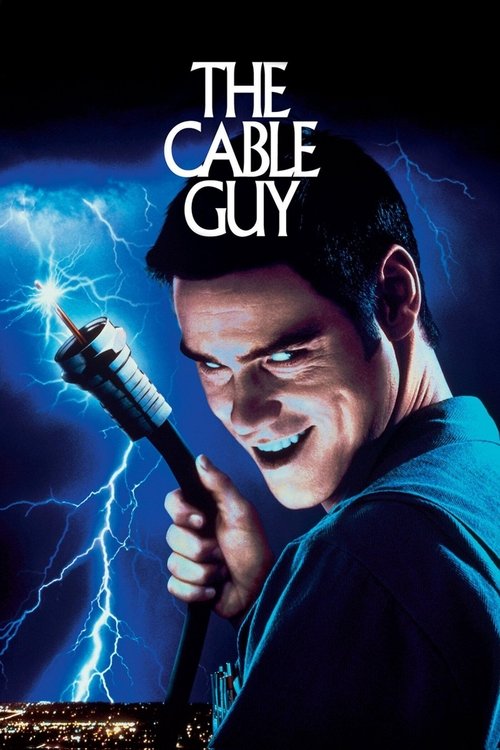
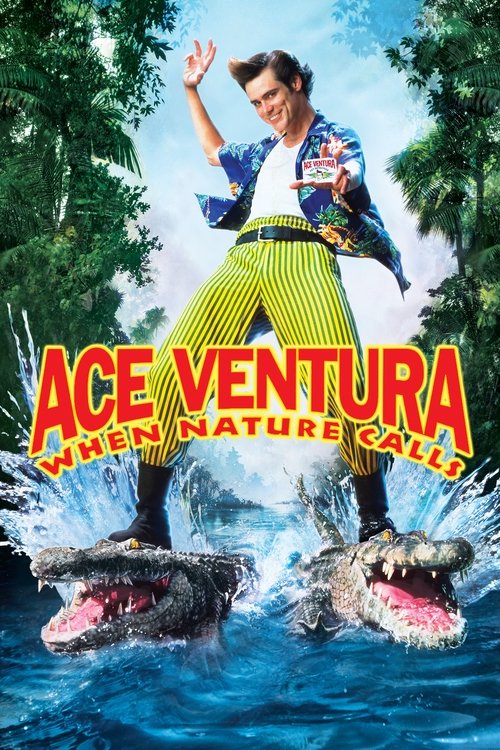
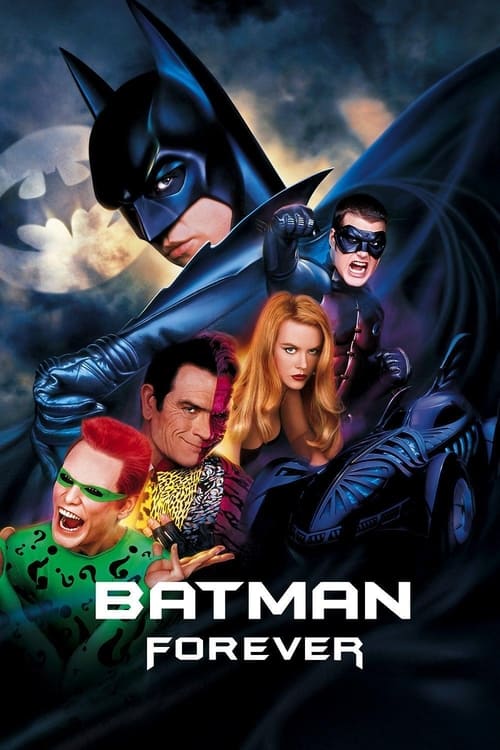
The mid-1990s cemented his commercial status. He returned to Ace Ventura for Ace Ventura: When Nature Calls, played the Riddler in Batman Forever, and starred in Ben Stiller's darker studio comedy The Cable Guy. The latter film was widely discussed because of Carrey's then-unusual salary for a comic actor and because it pushed his persona into less comforting territory. Liar Liar in 1997 brought him back to a broadly appealing hit, using a simple fantasy premise to showcase both his verbal speed and his physical abandon. By the end of the decade, Carrey had become a rare comedy star whose name alone could define a studio release.
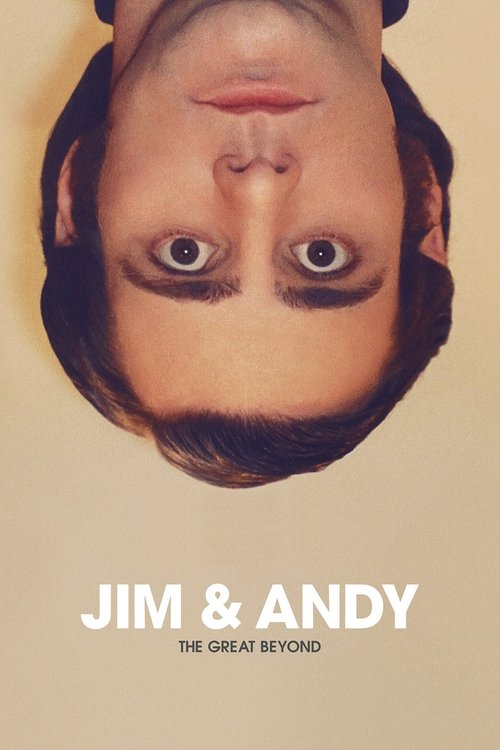
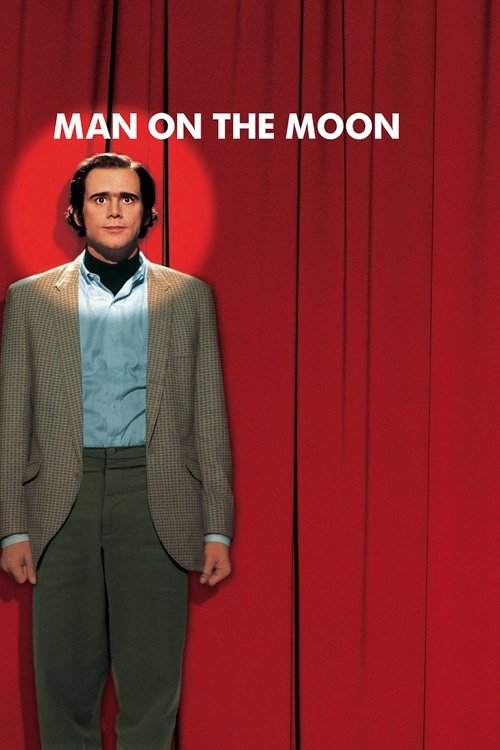
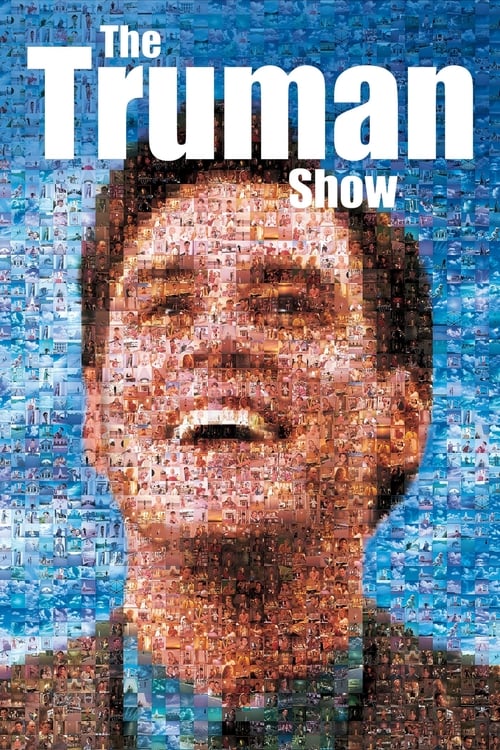
At the same time, he deliberately pursued roles that complicated his image. Peter Weir's The Truman Show cast him as Truman Burbank, an ordinary man whose entire life has unknowingly been staged for television. Carrey's performance retained his comic timing but placed it inside a story about identity, surveillance, and emotional awakening. He won a Golden Globe for the role. The following year, he played comedian Andy Kaufman in Milos Forman's Man on the Moon, another performance about the unstable boundary between public persona and private self. That role brought him a second Golden Globe and became one of the central examples of his ambition to be seen as more than a slapstick performer.
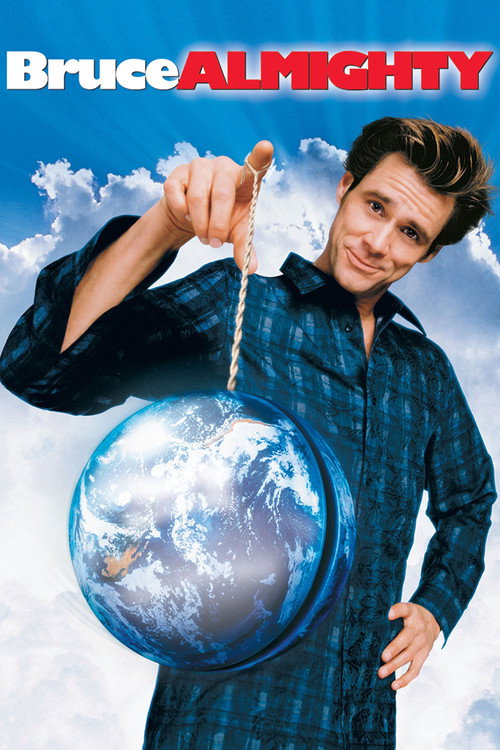
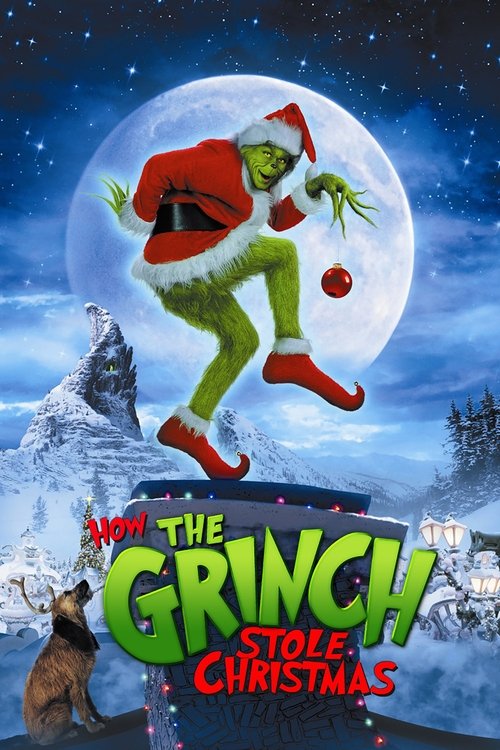
Carrey continued to alternate between broad comedy and more melancholy or experimental work. Dr. Seuss' How the Grinch Stole Christmas used heavy makeup and prosthetics to turn him into the title character, while Bruce Almighty paired his comic frustration with a high-concept fantasy about an ordinary man temporarily given divine powers. Eternal Sunshine of the Spotless Mind, directed by Michel Gondry from a screenplay by Charlie Kaufman, offered one of his most restrained performances. As Joel Barish, Carrey played a wounded, introverted man trying to process the erasure of a failed relationship. The film became a key dramatic credit in his career and brought major awards attention, including a BAFTA nomination.
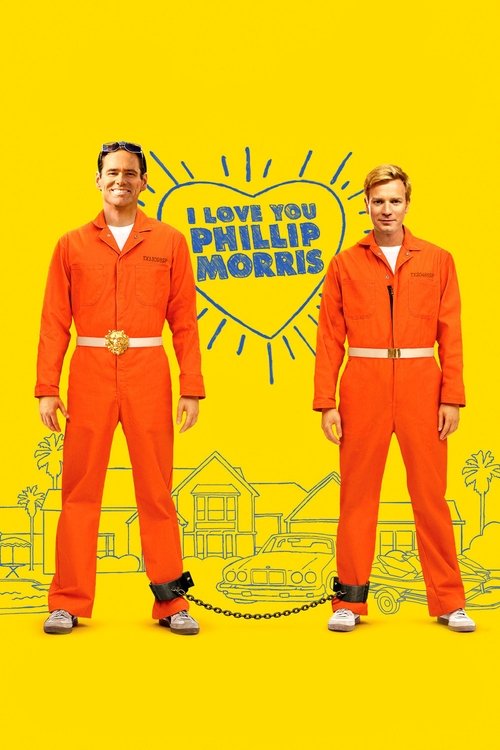
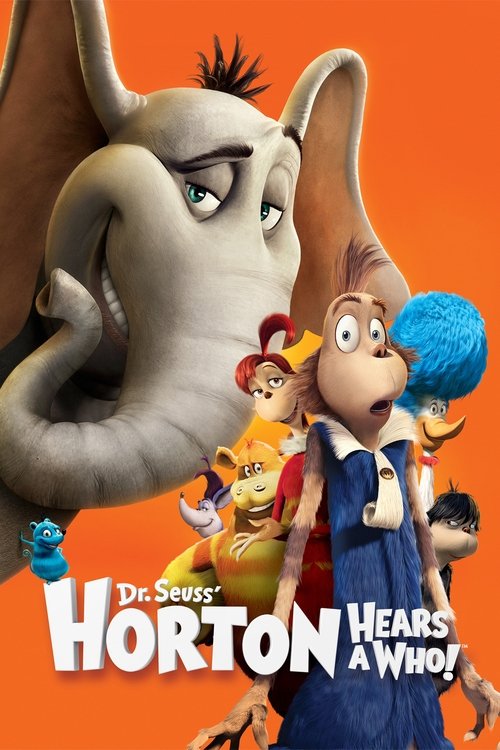
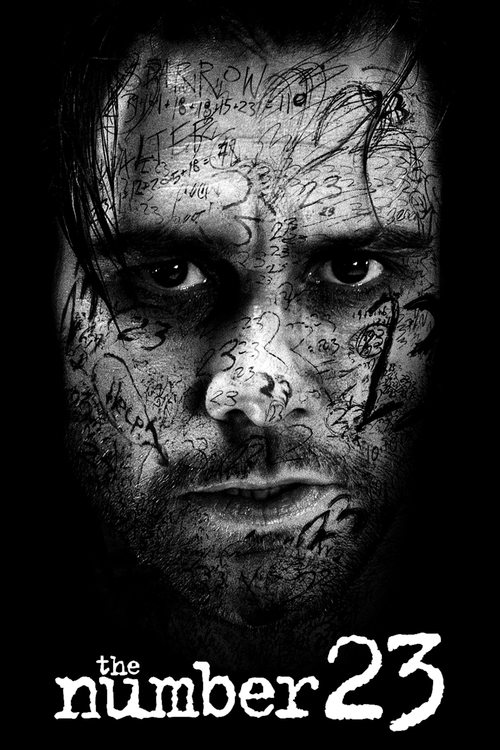
His 2000s work showed the breadth and unevenness of a long mainstream career. He appeared in the dark psychological thriller The Number 23, the ensemble comedy Fun with Dick and Jane, the romantic comedy Yes Man, and the more adult independent comedy-drama I Love You Phillip Morris. He also worked in family entertainment and animation, voicing characters in Horton Hears a Who! and playing Ebenezer Scrooge and other roles through motion-capture performance in Disney's A Christmas Carol. These projects did not all have the same critical or commercial reception, but they demonstrated how durable his persona remained: even in effects-heavy films or ensemble casts, the selling point was often the expectation that Carrey would bend the material toward his own rhythm.
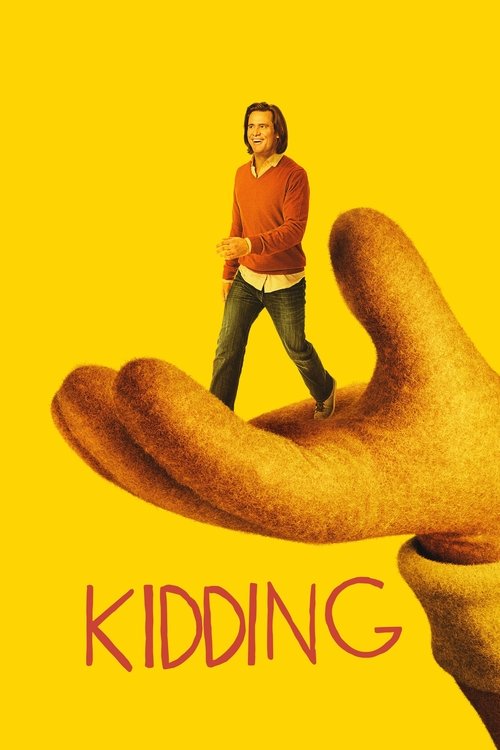
In the 2010s and 2020s, Carrey appeared less frequently in films but remained visible through selected projects. He reunited with Jeff Daniels for Dumb and Dumber To and later played Dr. Robotnik, also known as Doctor Eggman, in the Sonic the Hedgehog film series. The role returned him to a heightened villainy that suited his older comic instincts: theatrical, vain, and physically precise. On television, he starred in the Showtime series Kidding as Jeff Piccirillo, a beloved children's television host confronting grief and personal collapse. The series allowed him to combine gentle, childlike performance with darker emotional material, and it earned further awards recognition.
Carrey's public image has also included work outside acting. He is a visual artist, has exhibited politically charged drawings and paintings, and has published illustrated and semi-autobiographical writing. He has spoken in interviews about spirituality, fame, depression, and the costs of celebrity, sometimes in ways that drew wide attention because they contrasted with the manic confidence of his screen persona. Those public reflections are not separate from his work; many of his best roles turn on a tension between the mask a person performs and the unease beneath it.
Across his career, Carrey has won two Golden Globe Awards and received nominations from organizations including BAFTA, the Screen Actors Guild, the Television Academy, and the Golden Globes. His most important legacy is not just that he starred in successful comedies, but that he expanded the expressive range expected of a modern comic lead. He brought silent-film physicality, sketch-comedy fearlessness, celebrity-scale charisma, and flashes of dramatic vulnerability into the same body of work. For many viewers, the 1994 run of Ace Ventura, The Mask, and Dumb and Dumber remains the clearest snapshot of his cultural impact. For others, The Truman Show, Man on the Moon, Eternal Sunshine of the Spotless Mind, and Kidding reveal the more searching performer behind the comic explosion.















Most liked
Top comments