Acting
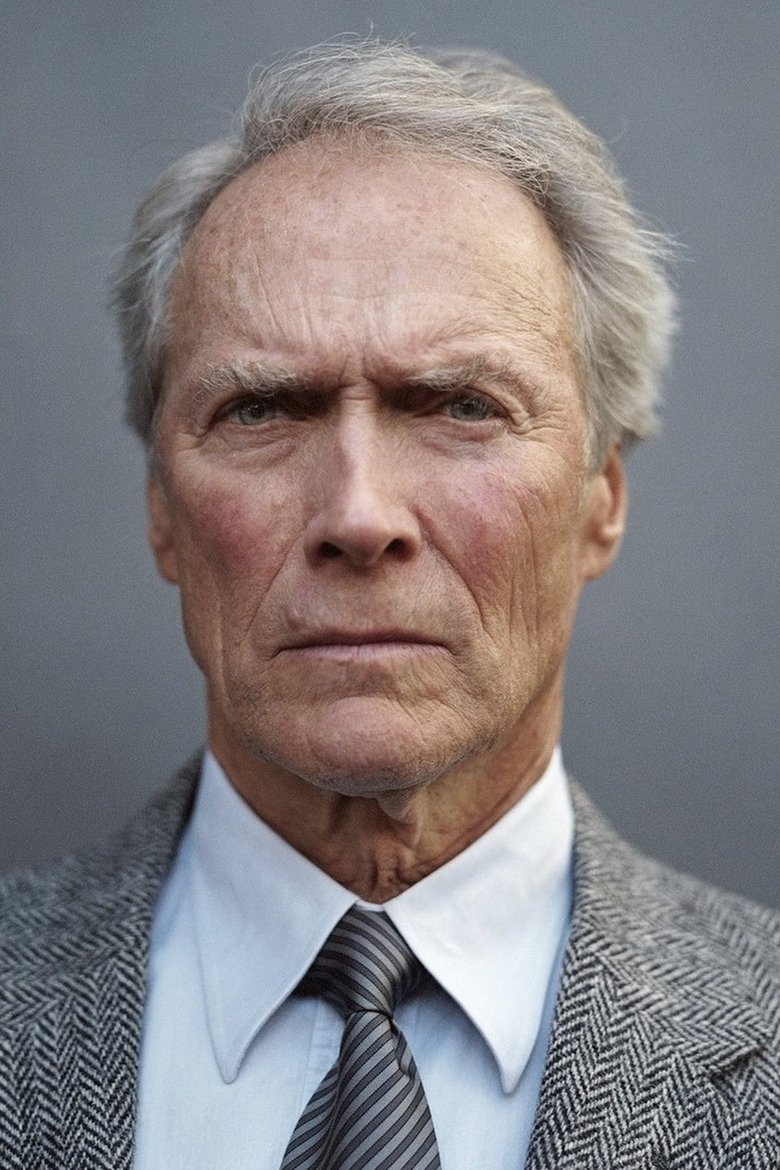
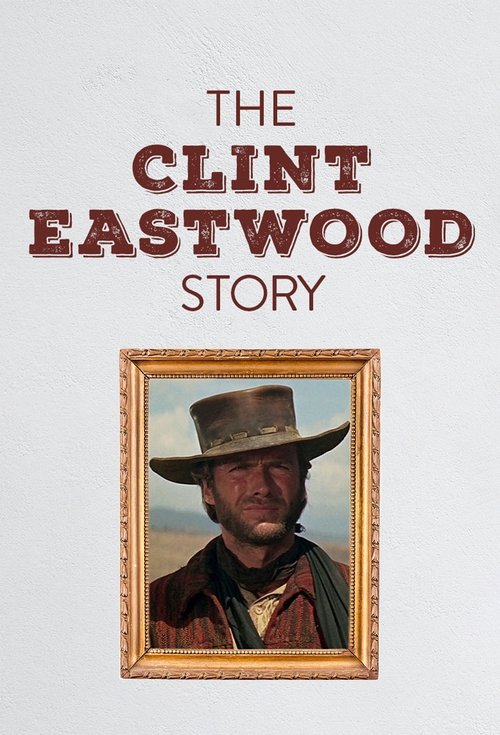
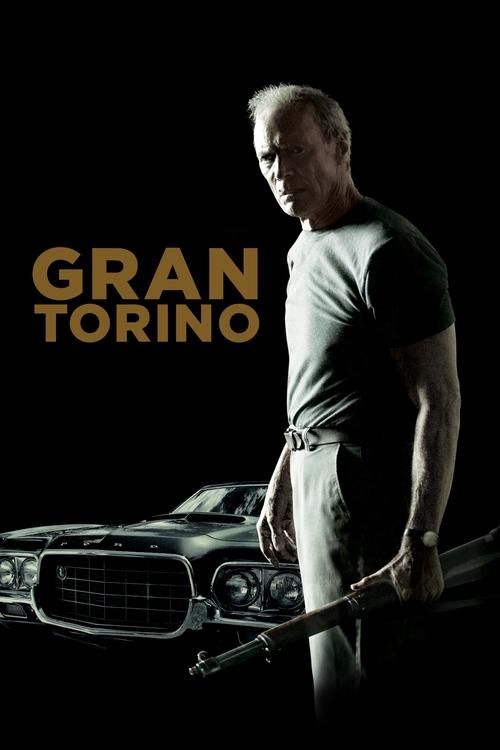
Clint Eastwood is an American actor, director, producer, composer, and former mayor whose career helped define modern screen masculinity and then repeatedly questioned it. Born Clinton Eastwood Jr. in San Francisco, California, on May 31, 1930, he became internationally famous first as a television and western star, then as a police-film icon, and finally as one of the most durable actor-directors in American cinema. His career spans Rawhide, Sergio Leone's Dollars films, Dirty Harry, Unforgiven, Million Dollar Baby, Mystic River, Gran Torino, American Sniper, Sully, and Juror No. 2.
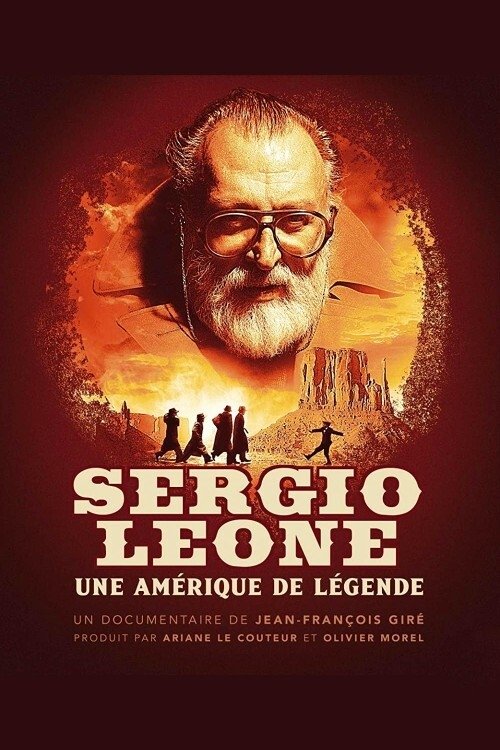
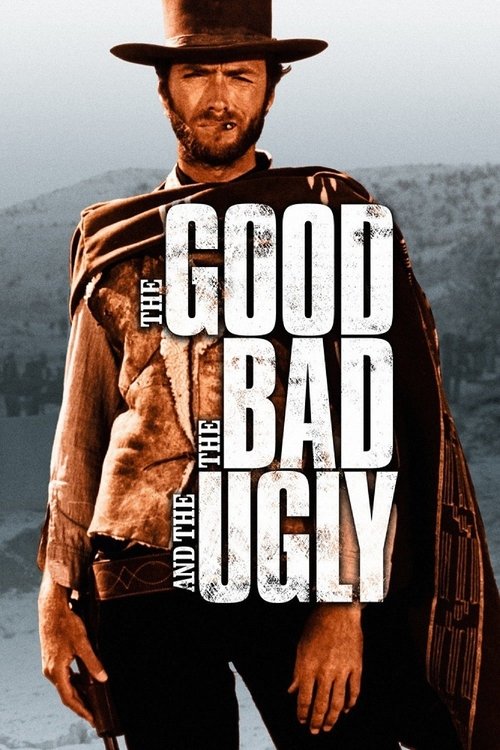
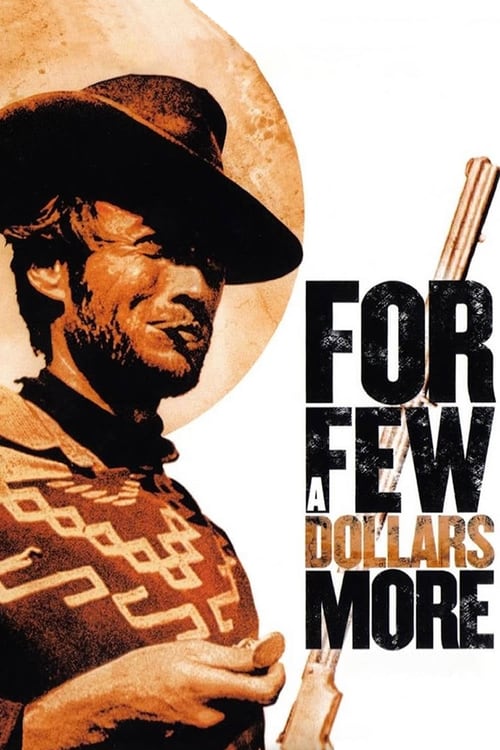
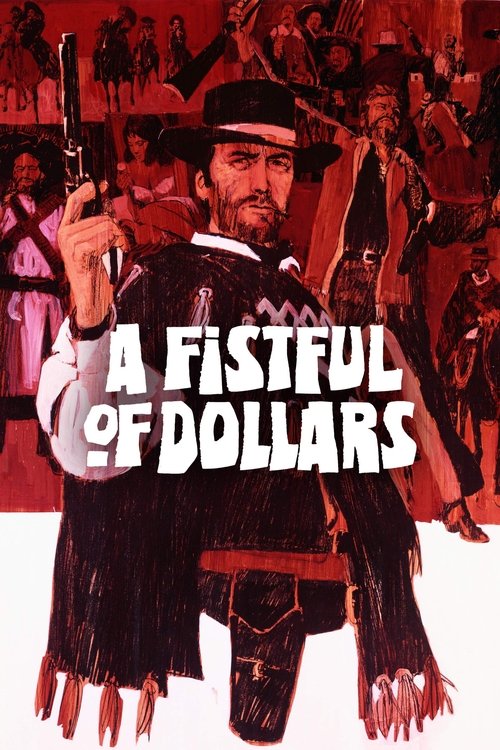
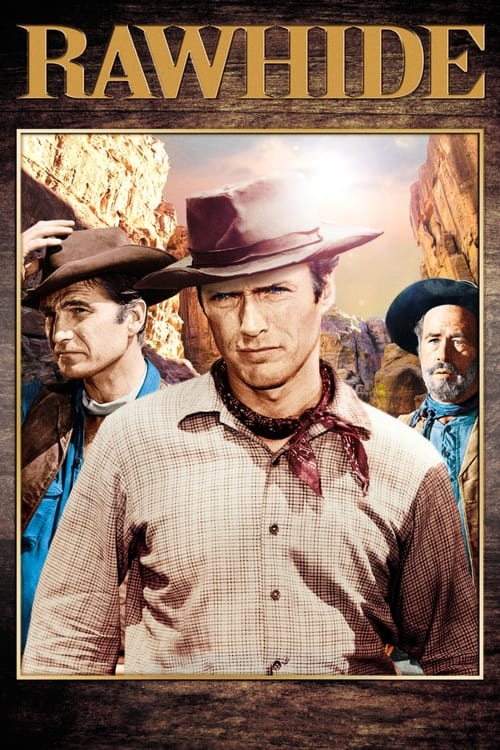
Eastwood's early path to acting was gradual. He worked in minor screen and television roles during the 1950s before gaining steady visibility on Rawhide, the CBS western series in which he played Rowdy Yates. Rawhide made him familiar to American television audiences, but his decisive transformation came in Europe. Italian director Sergio Leone cast him as the laconic gunfighter often called the Man with No Name in A Fistful of Dollars, For a Few Dollars More, and The Good, the Bad and the Ugly. Those films reshaped the western through stylized violence, moral ambiguity, music, and silence, and Eastwood's narrow-eyed minimalism became instantly recognizable.
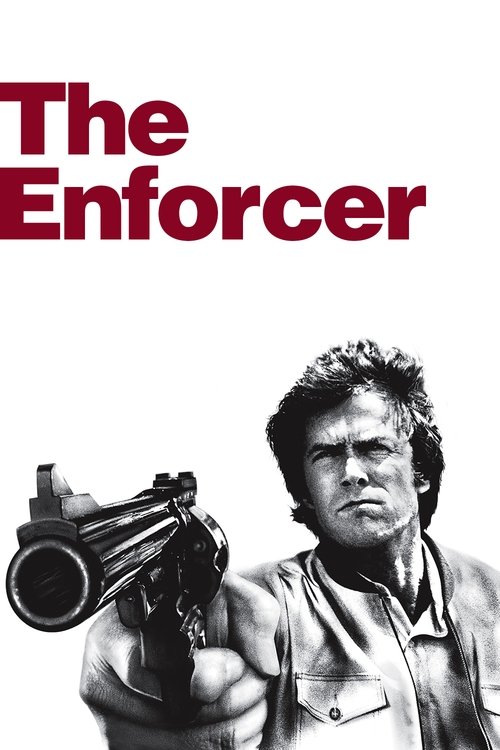
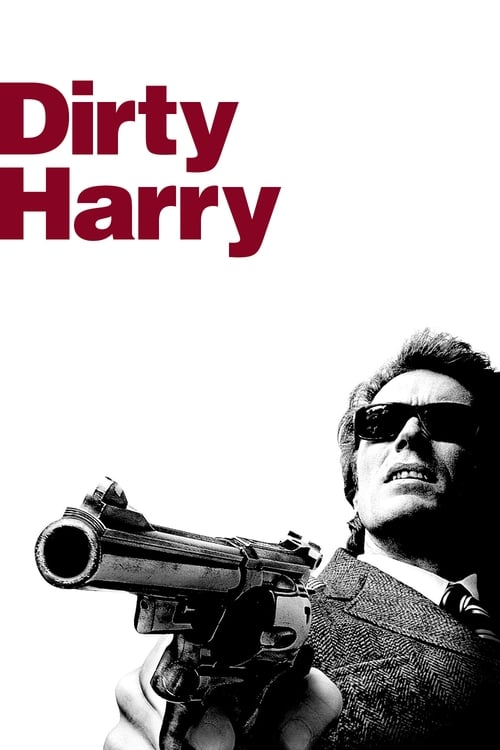
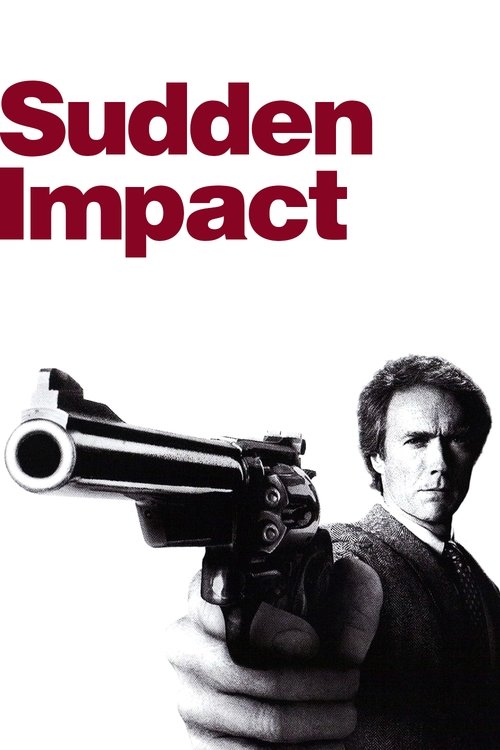
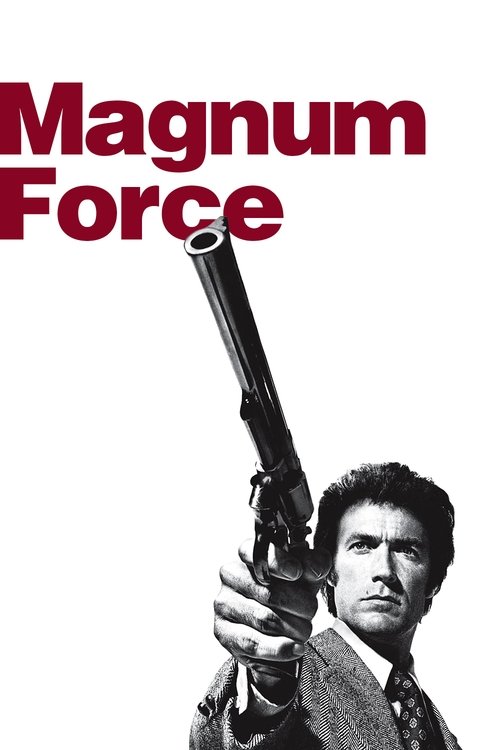
Returning to Hollywood with international fame, Eastwood built a star persona around controlled speech, physical authority, and a refusal of sentimentality. He worked with director Don Siegel on several important films, most famously Dirty Harry. As San Francisco police inspector Harry Callahan, Eastwood played a character whose hardline methods and sardonic catchphrases became part of American popular culture. The Dirty Harry series made him a major action star through the 1970s and 1980s, but it also attached him to debates about vigilantism, policing, and the politics of law-and-order cinema.
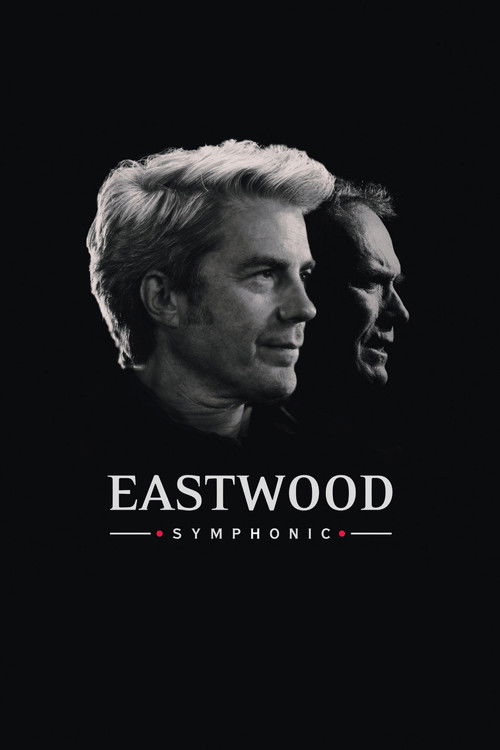
as Self · 2025 · Not rated yet

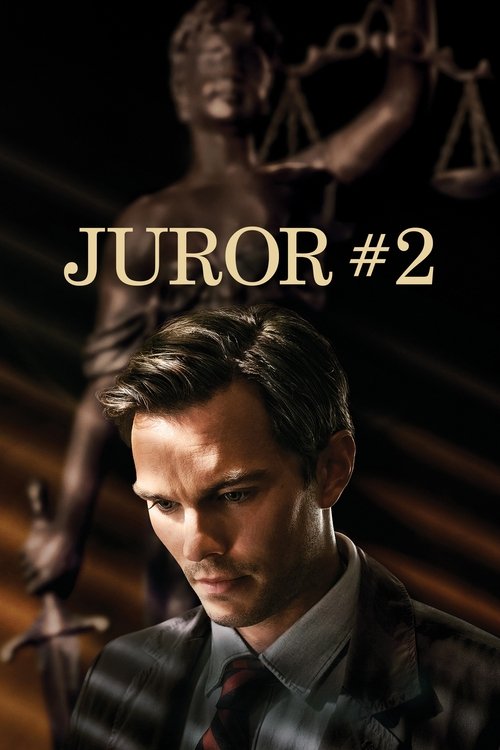
Director · 2024 · Not rated yet

Producer · 2024 · Not rated yet

Thanks · 2023 · Not rated yet

Music · 2023 · Not rated yet

as Self - Presenter · 2023 · Not rated yet
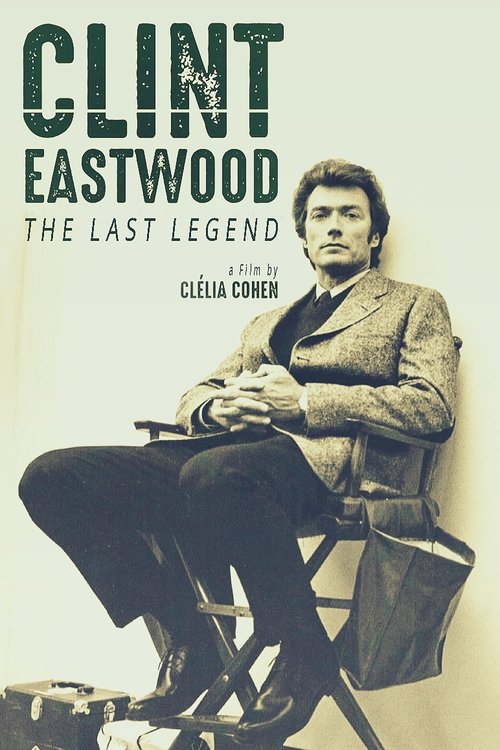
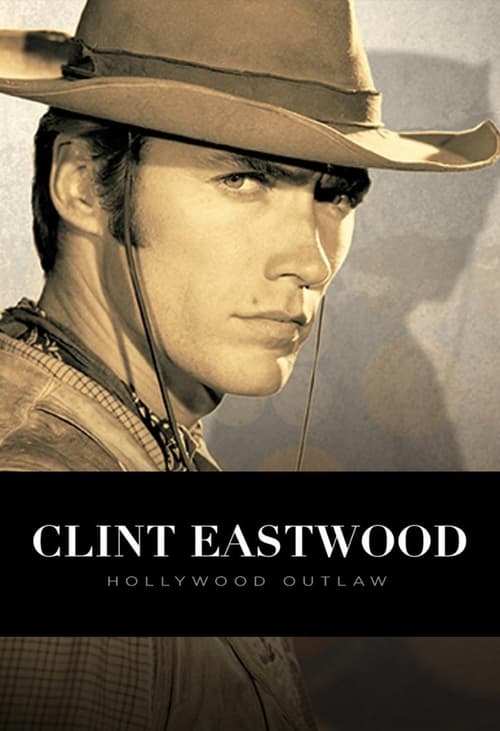
as Self (archive footage) · 2022 · Not rated yet
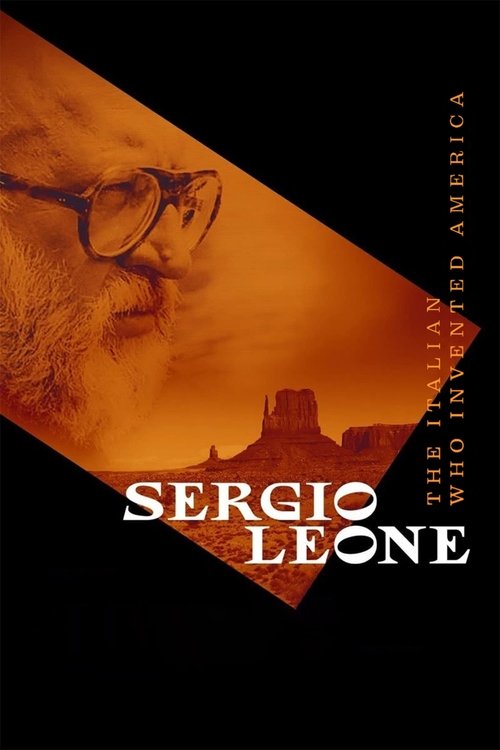
as Self · 2022 · Not rated yet
Community
Community
Discuss Clint Eastwood. By default, replies in a topic go to the original poster; use a message’s Reply button to reply to someone specific.
Sign in to post in the forum.
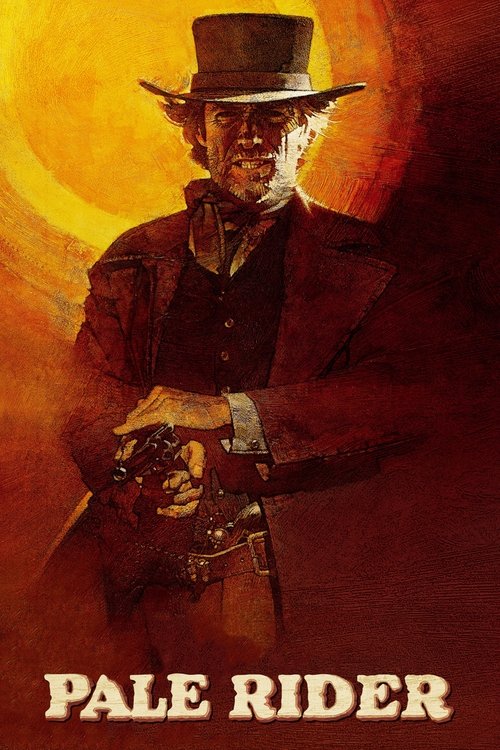
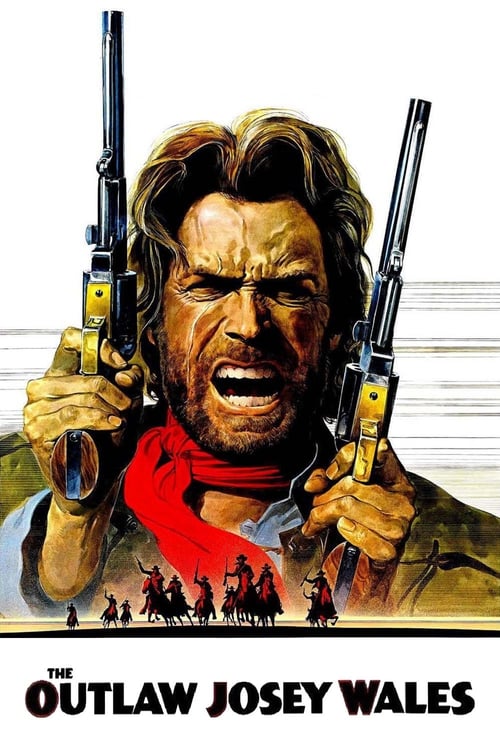
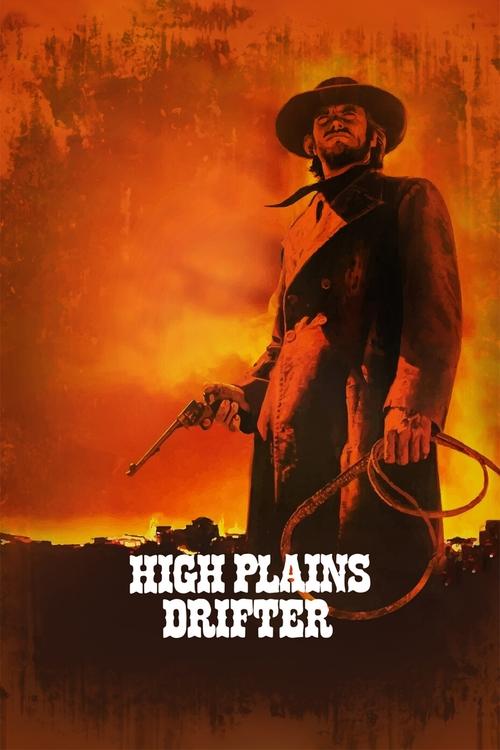
Eastwood did not remain only an actor for hire. In 1967 he founded Malpaso Productions, the company that would produce most of his work, and in 1971 he made his directing debut with Play Misty for Me. From that point on, directing became central to his identity. He directed westerns such as High Plains Drifter, The Outlaw Josey Wales, and Pale Rider; dramas such as Breezy and Honkytonk Man; and many of his own star vehicles. The production model gave him unusual control, often allowing efficient shoots, modest budgets by studio standards, and a consistent working method.
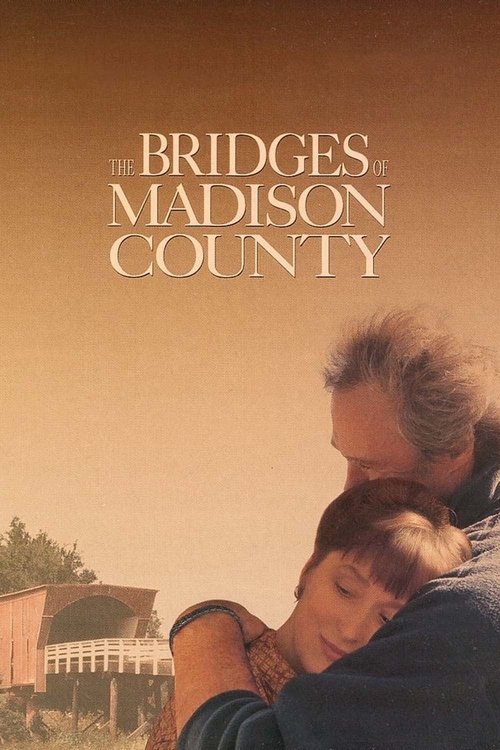
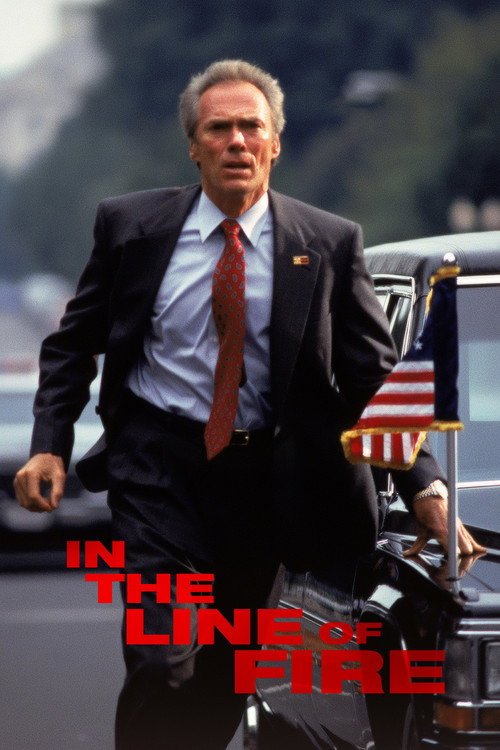
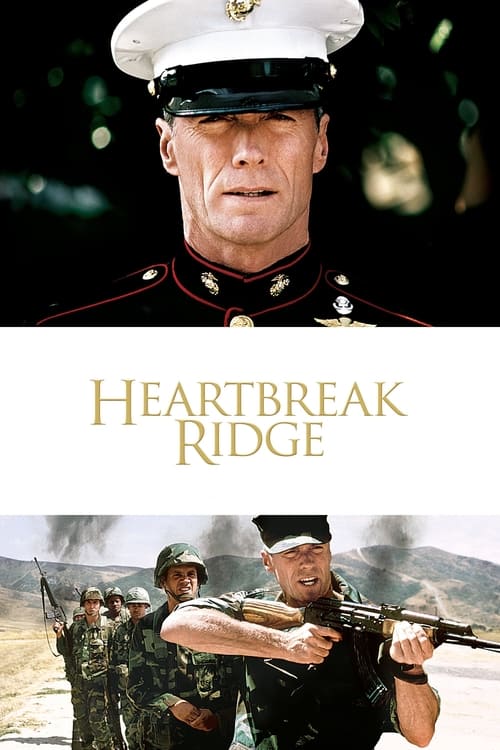
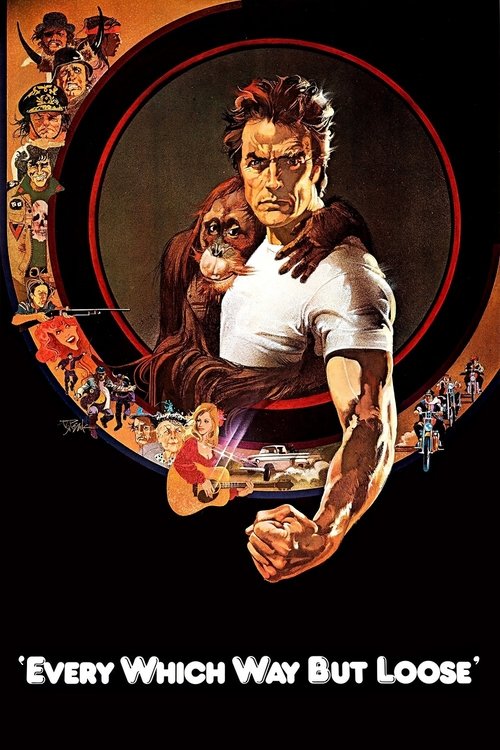
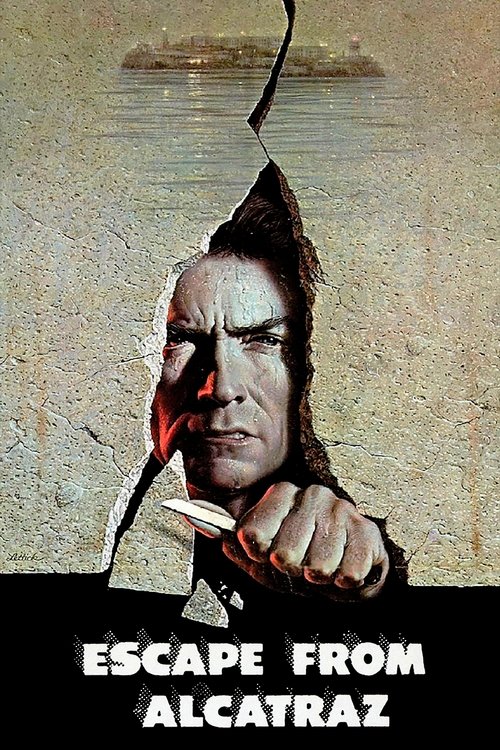
His acting career included major commercial successes beyond westerns and police films. Every Which Way but Loose and Any Which Way You Can, comic adventures pairing Eastwood with an orangutan, became enormous popular hits despite critical skepticism. Escape from Alcatraz, Firefox, Heartbreak Ridge, In the Line of Fire, and The Bridges of Madison County showed different aspects of his star image: prison-break stoicism, Cold War action, military toughness, late-career vulnerability, and romantic restraint. In The Bridges of Madison County, which he directed and starred in with Meryl Streep, Eastwood played against the harsher edges of his image, emphasizing regret, tenderness, and emotional discipline.
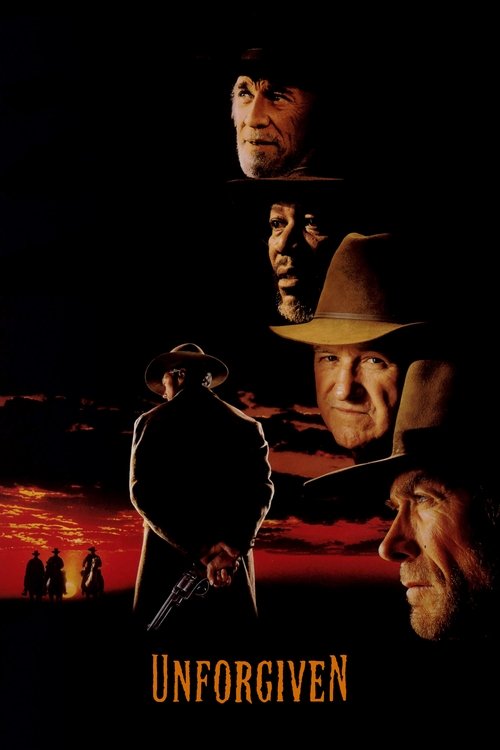
Unforgiven marked a watershed. Released in 1992, the film revisited the western myths that had made Eastwood famous and stripped them of glamour. As William Munny, an aging former killer drawn back into violence, Eastwood confronted the cost of revenge and the lies embedded in heroic gunfighter stories. The film won Academy Awards for Best Picture and Best Director and earned Eastwood a nomination for Best Actor. It is often read as both a culmination and a critique of his western career.
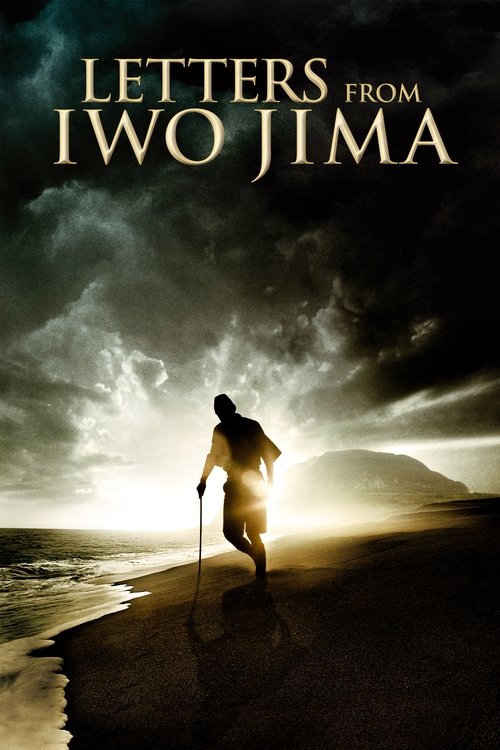
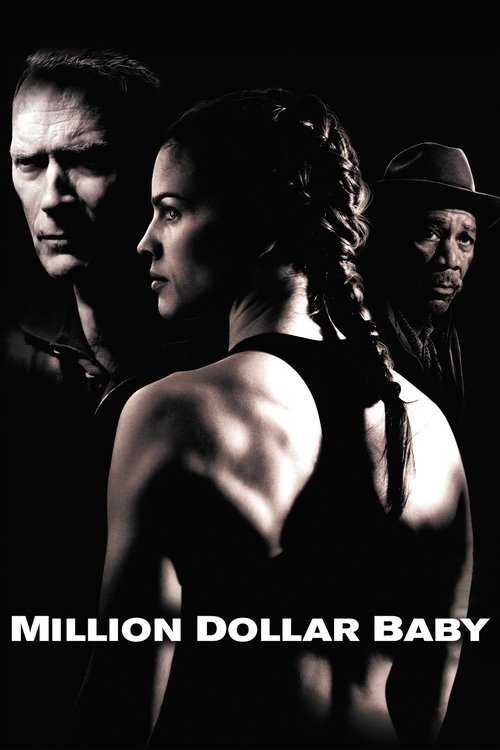
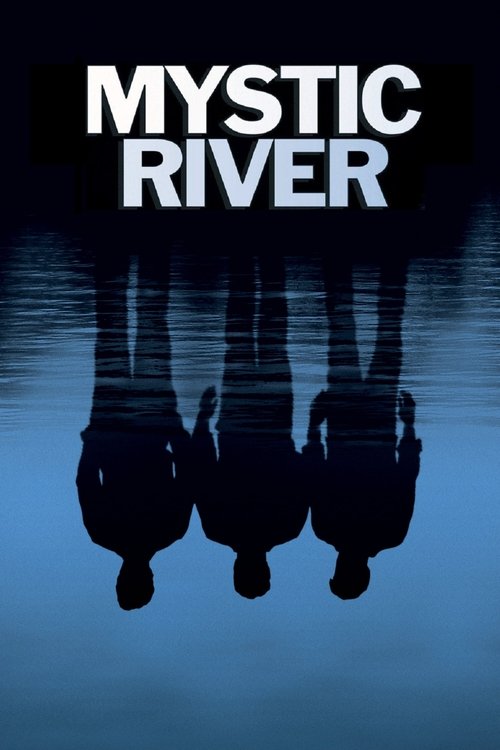
Eastwood's directing work after Unforgiven confirmed that he was not merely a star who occasionally directed but a major American filmmaker. Mystic River, a dark ensemble drama about grief, violence, and memory, brought major acclaim to its cast and director. Million Dollar Baby, about a boxing trainer and a determined fighter, won Academy Awards for Best Picture and Best Director, giving Eastwood a second pair of top Oscars. Letters from Iwo Jima, released in Japanese and focused on the Japanese perspective during the Battle of Iwo Jima, demonstrated his willingness to approach American war history from an unexpected angle.
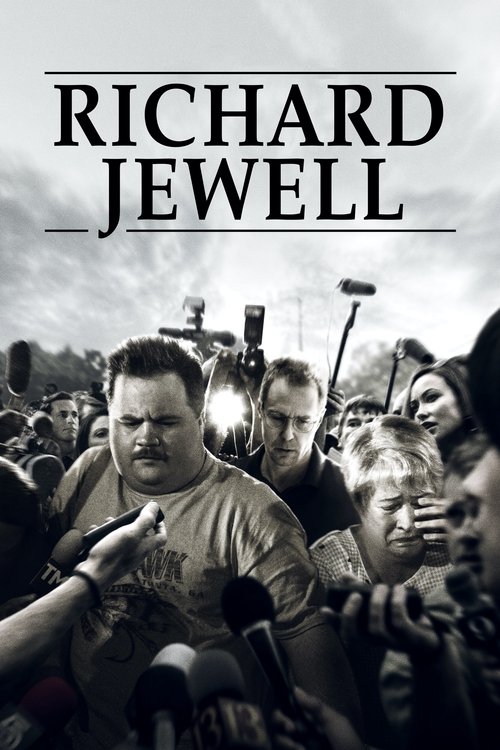
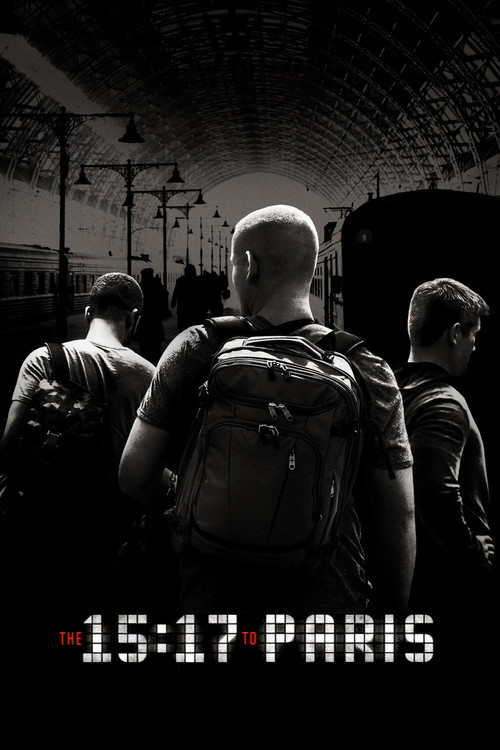
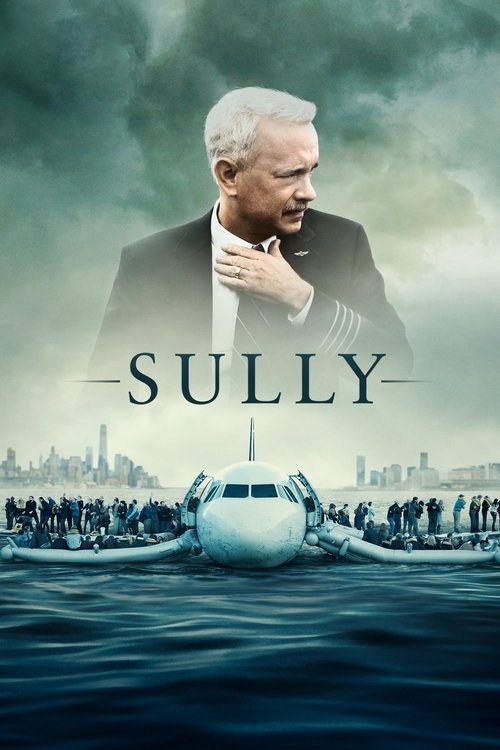
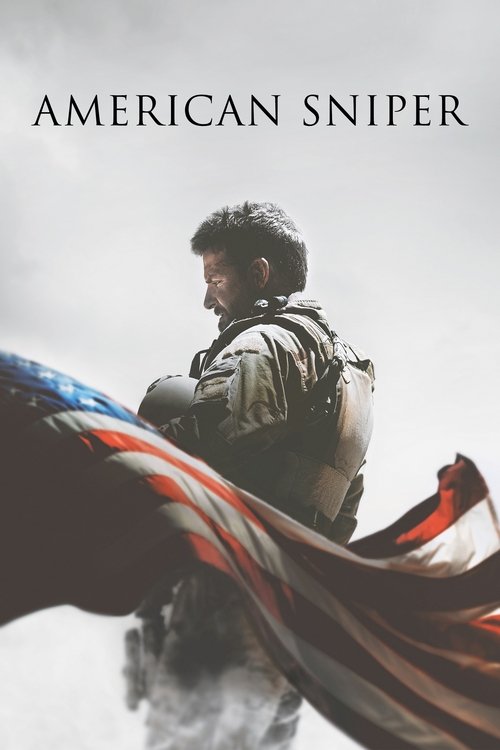
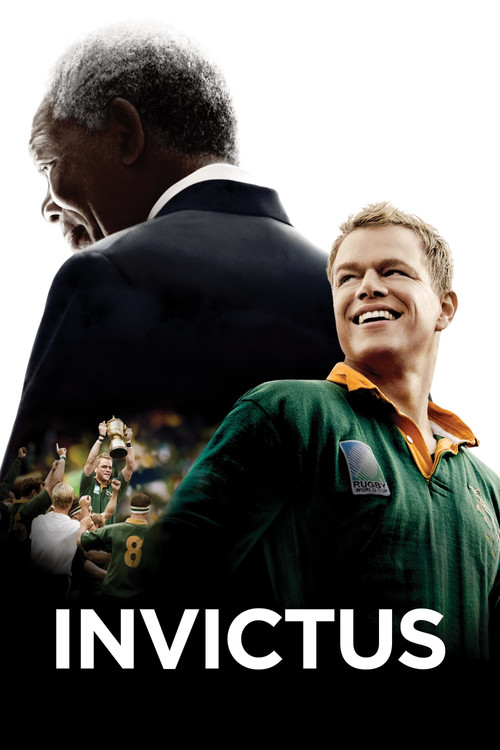
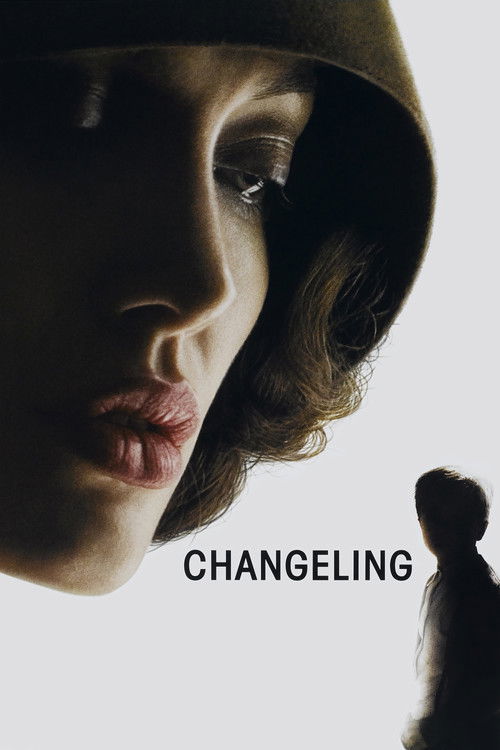
His later directing career often turned toward real events and public figures. Changeling dramatized a notorious Los Angeles missing-child case; Invictus portrayed Nelson Mandela and South African rugby after apartheid; American Sniper depicted Navy SEAL Chris Kyle; Sully told the story of pilot Chesley Sullenberger's emergency landing on the Hudson River; The 15:17 to Paris dramatized a foiled train attack using the real participants; and Richard Jewell revisited the Atlanta Olympics bombing investigation. These films show Eastwood's sustained interest in institutions, public judgment, heroism, and the tension between official narratives and individual experience.
Eastwood also had a public civic role. He served as the nonpartisan mayor of Carmel-by-the-Sea, California, from 1986 to 1988, a brief but widely noted episode that fit his image as an independent-minded public figure. His politics have often been described as libertarian or conservative-leaning, though his public positions have not always fit neatly into party categories. He has also had a long association with jazz and film music, composing or contributing music for several projects and supporting jazz-centered films such as Bird.
The durability of Eastwood's career comes from contradiction. He became famous as an emblem of toughness, yet many of his strongest films are about regret, aging, guilt, and the moral damage caused by violence. He built iconic heroic images, then directed films that questioned the price of those images. His spare acting style, sometimes mistaken for simplicity, proved adaptable across westerns, thrillers, romance, elegy, and self-critique. As actor, director, producer, and cultural figure, Eastwood remains one of the most consequential figures in postwar American film.
References:
[1] Wikipedia, “Clint Eastwood” — https://en.wikipedia.org/wiki/Clint_Eastwood
[2] Golden Globes, “Clint Eastwood” — https://goldenglobes.com/person/clint-eastwood/
[3] The Movie Database, “Clint Eastwood” — https://www.themoviedb.org/person/190-clint-eastwood
[4] IMDb, “Clint Eastwood” — https://www.imdb.com/name/nm0000142/
[5] Academy Awards Database, “Clint Eastwood” — https://awardsdatabase.oscars.org/
[6] AFI, “AFI Life Achievement Award: Clint Eastwood” — https://www.afi.com/laa/clint-eastwood/
[7] Cannes Film Festival, “Clint Eastwood” — https://www.festival-cannes.com/en/p/clint-eastwood/
[8] Venice Biennale, “Golden Lion for Lifetime Achievement” — https://www.labiennale.org/en/cinema
[9] Warner Bros., “Unforgiven” — https://www.warnerbros.com/movies/unforgiven
[10] Warner Bros., “Million Dollar Baby” — https://www.warnerbros.com/movies/million-dollar-baby

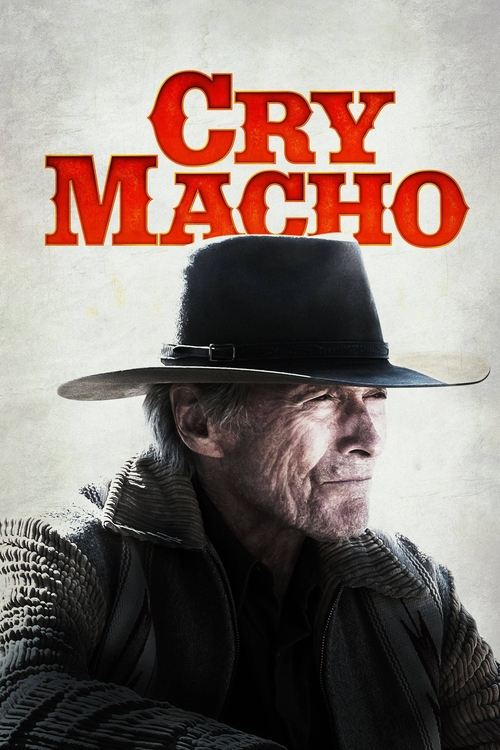
Actor · 2022 · Not rated yet
Most liked
Top comments