Tyler Perry movies, roles & performance ratings · FilmPeopleRatings
Acting
Tyler Perry
Average rating
Not rated
Total ratings
0
Movies listed
33
Born
Unknown
Awards
No awards listed yet.
Biography
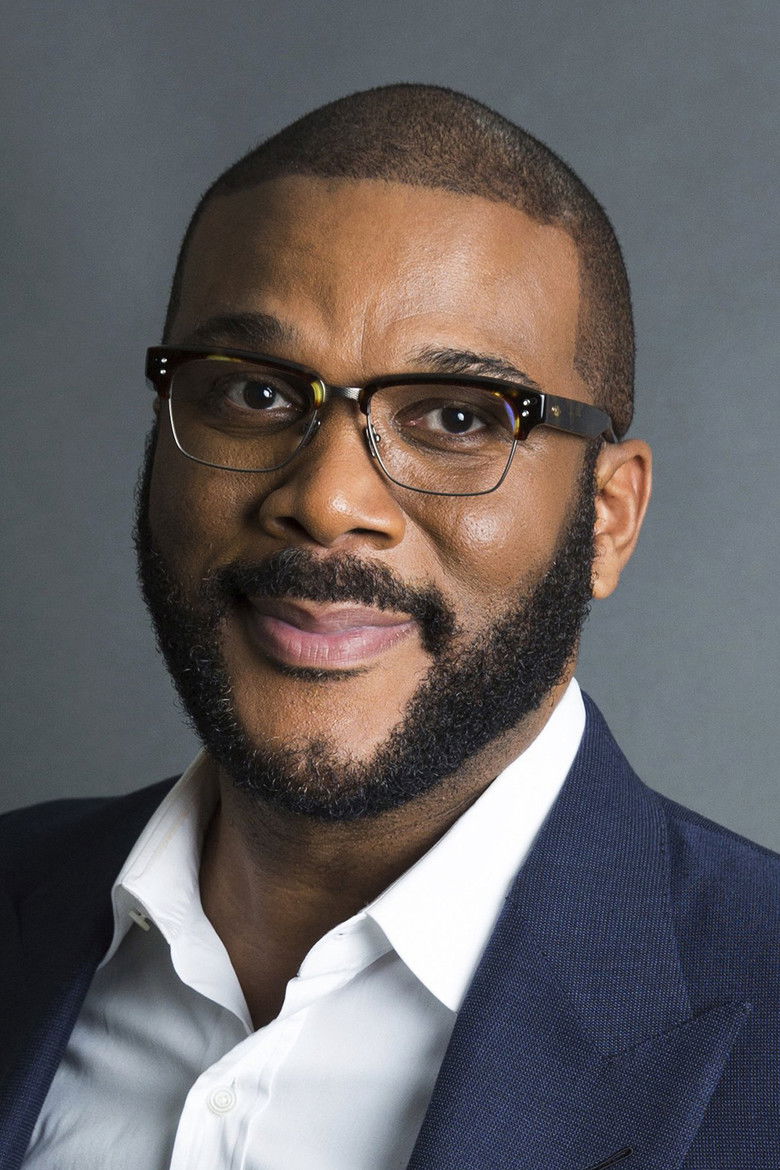
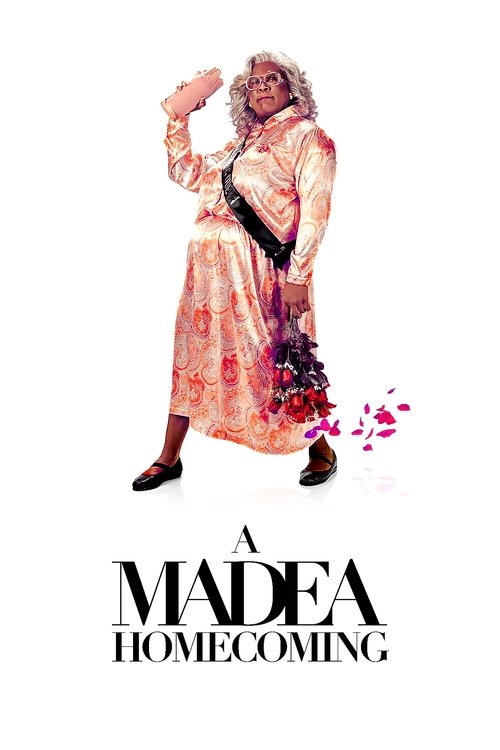
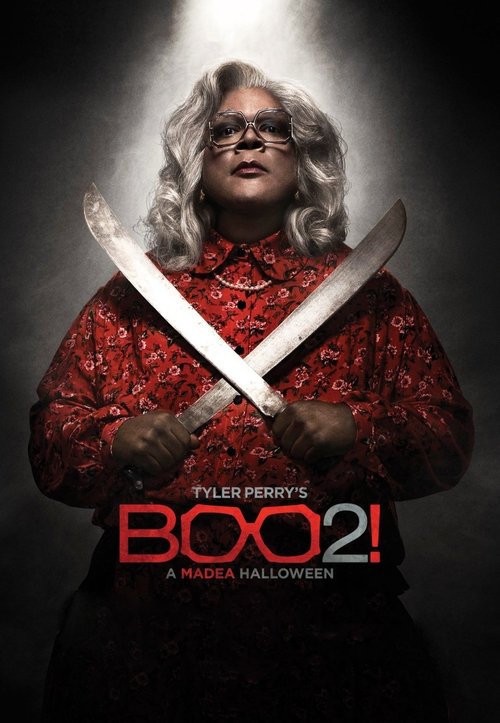
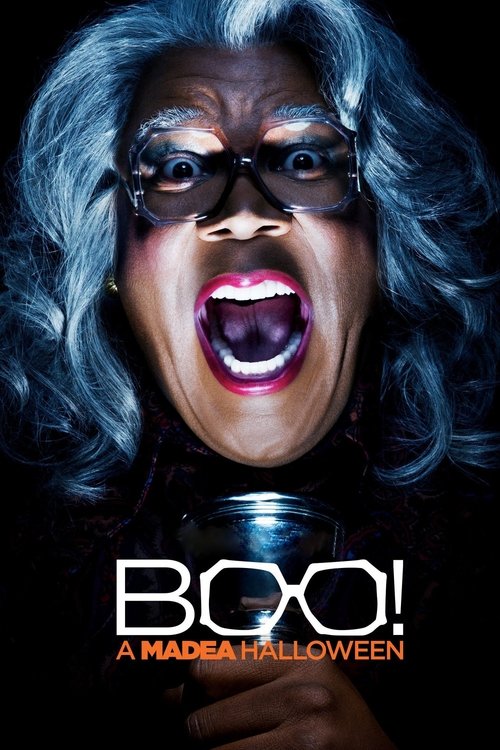
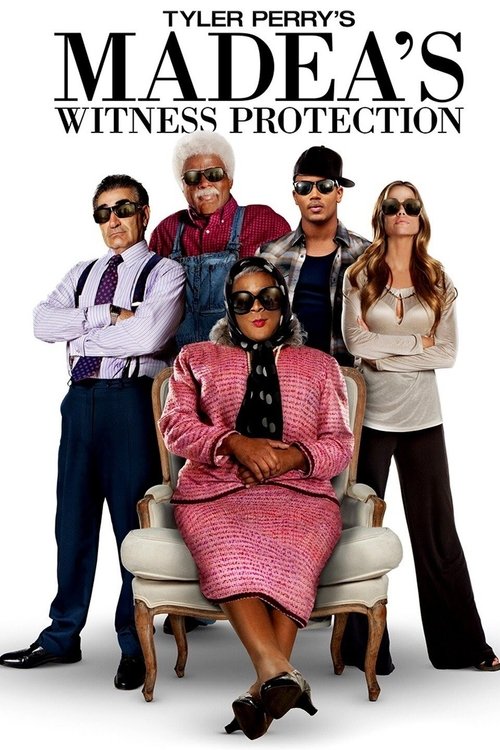
Tyler Perry is an American writer, producer, director, actor, playwright, studio owner, and philanthropist whose career grew from the Black church and touring-stage circuit into one of the most commercially powerful independent entertainment businesses in the United States. Born Emmitt Perry Jr. in New Orleans on September 13, 1969, he built his public identity around self-authored work, ownership of his creative library, and a direct relationship with audiences who were often underserved by mainstream Hollywood. Perry is best known as the creator and performer of Madea, the blunt, comic matriarch who began on stage and became the center of a long-running film franchise, but his influence extends across television drama, sitcoms, streaming, publishing, and production infrastructure.
Perry's early life has been widely described as difficult. Biographical accounts note that he grew up in New Orleans in a household marked by abuse, found stability in faith and imagination, and changed his first name to Tyler as a teenager. He later credited an episode of The Oprah Winfrey Show, which discussed the therapeutic value of writing, with encouraging him to turn personal experiences into letters and eventually drama. Those writings became the basis for I Know I've Been Changed, a gospel-inflected stage work about family trauma, forgiveness, and survival. The initial 1992 production was a commercial failure, and Perry has described years of financial instability while revising and remounting the show. By the late 1990s, however, the play had found an audience in Atlanta and on tour, establishing a model Perry would use repeatedly: low outside dependence, strong faith and family themes, broad comedy, melodrama, and direct marketing to loyal theatergoers.
Discuss Tyler Perry. By default, replies in a topic go to the original poster; use a message’s Reply button to reply to someone specific.
Sign in to post in the forum.
No forum topics yet. Start the conversation.
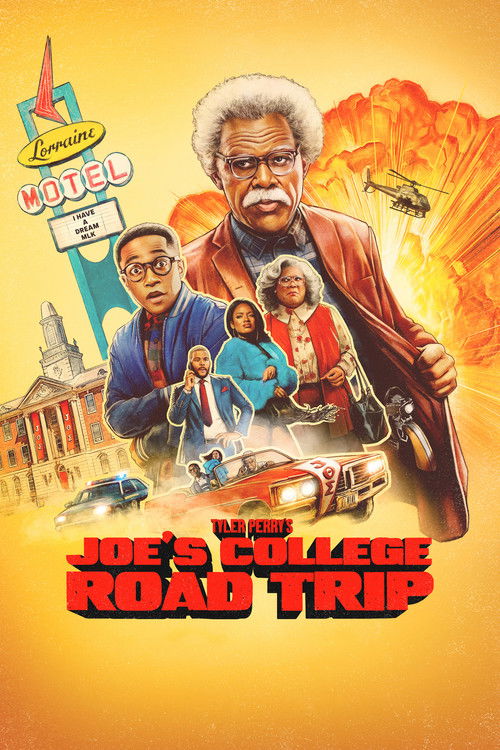
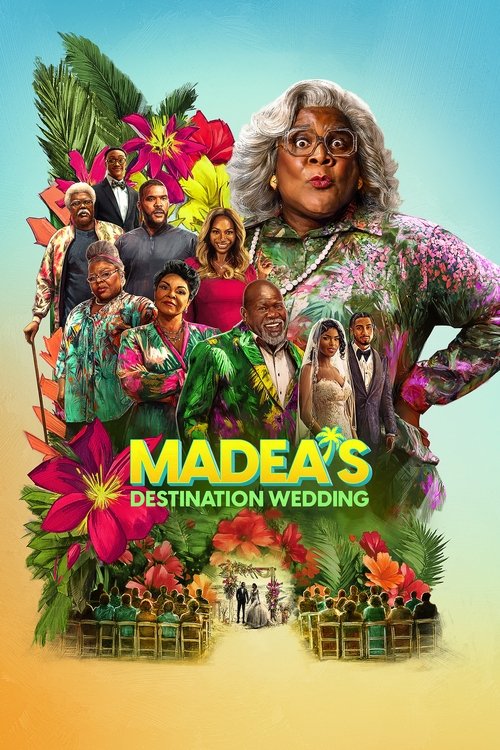
The stage success of I Know I've Been Changed and subsequent plays made Perry a major figure on the urban theater circuit before Hollywood embraced him. Madea, first introduced in his stage work around the turn of the century, combined elements of farce, family discipline, and moral commentary. Perry performed the role himself in a wig, dress, and prosthetics, frequently pairing broad physical comedy with sermons about responsibility, forgiveness, and resilience. Plays such as Diary of a Mad Black Woman, Madea's Family Reunion, and Madea's Class Reunion drew large audiences and generated a commercially valuable library of stories, characters, and filmed stage performances. The plays also established a recurring ensemble and an efficient production rhythm that later shaped Perry's film and television work.
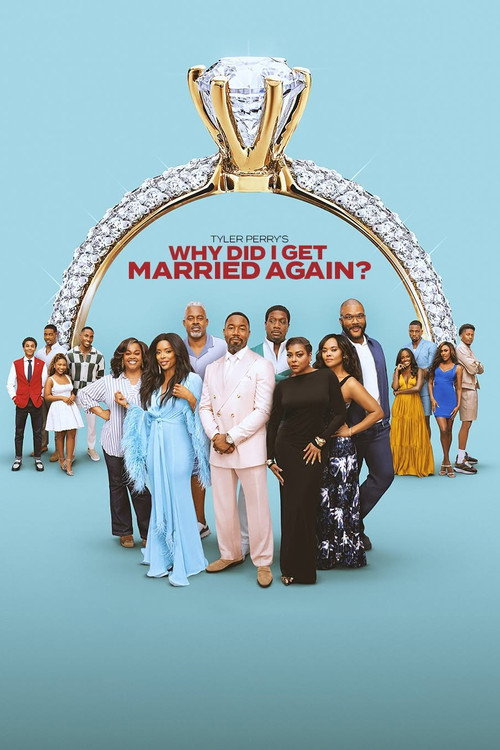
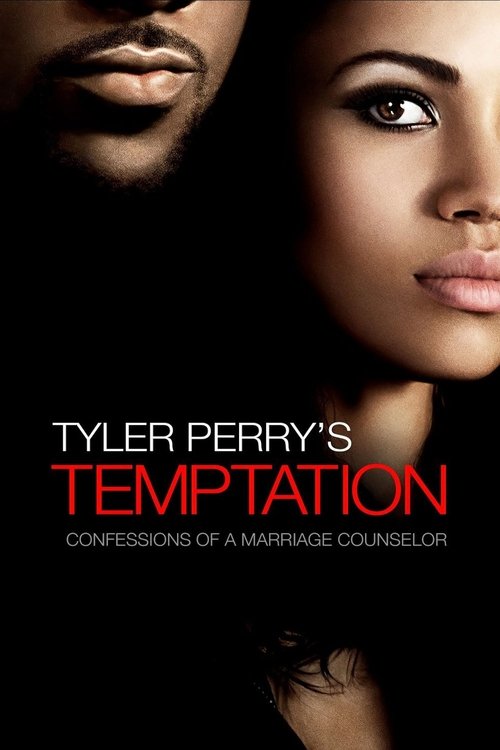
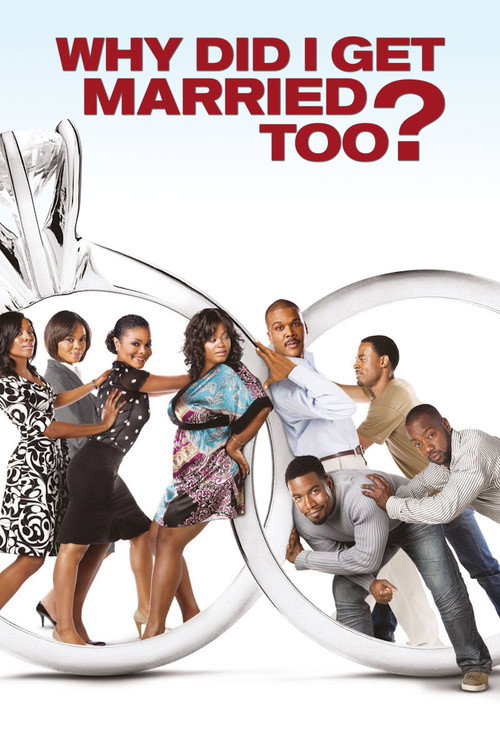
Perry's breakthrough in feature film came with Diary of a Mad Black Woman in 2005. He wrote and produced the film, adapting his own stage material, and appeared as Madea and other characters. Though reviews were mixed to negative, the film performed strongly at the box office relative to its budget and demonstrated that Perry's stage audience would follow him to theaters. He followed with Madea's Family Reunion in 2006, Why Did I Get Married? in 2007, The Family That Preys in 2008, Madea Goes to Jail in 2009, and a succession of dramas, comedies, and holiday films. His films often centered Black families, church life, domestic conflict, class tension, and moral redemption, while critics frequently debated their gender politics, melodramatic style, and depiction of Black life. That tension—between critical skepticism and audience loyalty—became a defining feature of Perry's public reception.
Television expanded Perry's reach even further. Tyler Perry's House of Payne, developed from his stage and film universe, became a long-running sitcom on TBS and later returned with new episodes. Meet the Browns followed, and Perry later produced series for OWN after a multi-year partnership with Oprah Winfrey's network. The Haves and the Have Nots became one of OWN's signature scripted dramas, while Love Thy Neighbor and If Loving You Is Wrong added to his television slate. In 2019, Perry moved into a major arrangement with Viacom and BET, creating series such as The Oval, Sistas, Assisted Living, and Bruh, and becoming closely associated with BET+ as a streaming platform. His television production style emphasized volume, speed, and vertical control, with Perry often serving as writer, director, producer, and studio head.
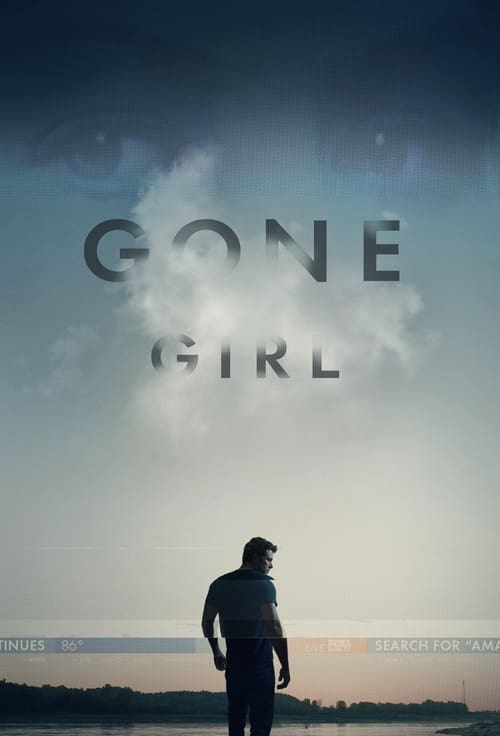
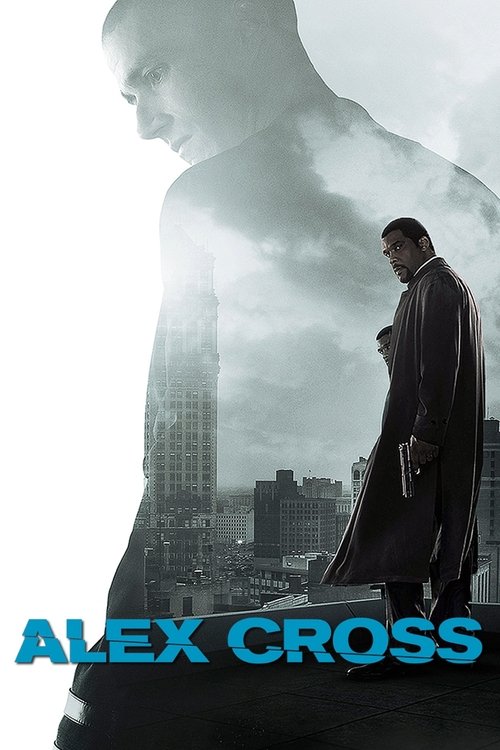
Although Perry is most associated with his own productions, he has also taken notable acting roles for other filmmakers. He appeared as Admiral Barnett in J. J. Abrams's Star Trek, played the title detective in Alex Cross, and earned attention for his supporting role as attorney Tanner Bolt in David Fincher's Gone Girl. He also appeared in Vice, Those Who Wish Me Dead, Don't Look Up, and other studio films, and voiced characters in animated projects such as The Star and PAW Patrol: The Movie. These outside roles showed Perry's willingness to work beyond the Madea persona and allowed audiences to see him in more restrained or dramatic contexts.
A central part of Perry's business story is ownership. Forbes has reported that he owns the content he created and built substantial wealth from that library, production control, and distribution deals. In 2019, he opened Tyler Perry Studios on the former Fort McPherson Army base in Atlanta, a 330-acre production campus with sound stages and standing sets, including a White House replica. The studio made Perry one of the most prominent Black studio owners in American entertainment history and positioned Atlanta as an even more important production hub. The site has hosted Perry's own shows as well as outside productions, and it became a symbol of his preference for controlling the means of production rather than relying solely on legacy Hollywood studios.
Perry's public honors reflect both commercial success and cultural impact. He was included on Time's list of the 100 most influential people in 2020. The Television Academy gave him the Governors Award at the 2020 Primetime Emmy Awards, recognizing his achievements in television and philanthropy. In 2021, the Academy of Motion Picture Arts and Sciences presented him with the Jean Hersholt Humanitarian Award, citing his charitable work and community support. His philanthropy has included disaster relief, support for families and individuals in crisis, education-related giving, and the work of The Perry Foundation, whose stated focus includes health, clean water, education, technology, arts, culture, and sustainable economic development.
Perry's career has also remained the subject of serious criticism. Some critics and scholars have argued that his work relies on stereotypes, punitive moral lessons, or narrow portrayals of Black women and family life. Others defend him as an independent artist who created opportunities, reached audiences ignored by mainstream gatekeepers, and retained ownership in an industry where Black creators have often been excluded from control. Perry himself has often framed his work as audience-first storytelling, made for people who connect to its humor, faith, pain, and redemption arcs even when critics do not.
By the 2020s, Perry occupied an unusual place in American entertainment: a filmmaker and performer rooted in touring gospel theater who became a billionaire media entrepreneur, a studio owner, and a major supplier of scripted television. His best-known character, Madea, remains a pop-cultural shorthand for his blend of slapstick comedy, moral confrontation, and family melodrama, while Tyler Perry Studios represents the industrial side of the same project. Whether assessed as playwright, actor, producer, mogul, philanthropist, or controversial auteur, Perry's career is defined by persistence, ownership, and a rare ability to convert an audience built outside Hollywood into lasting institutional power.






Most liked
Top comments