Acting
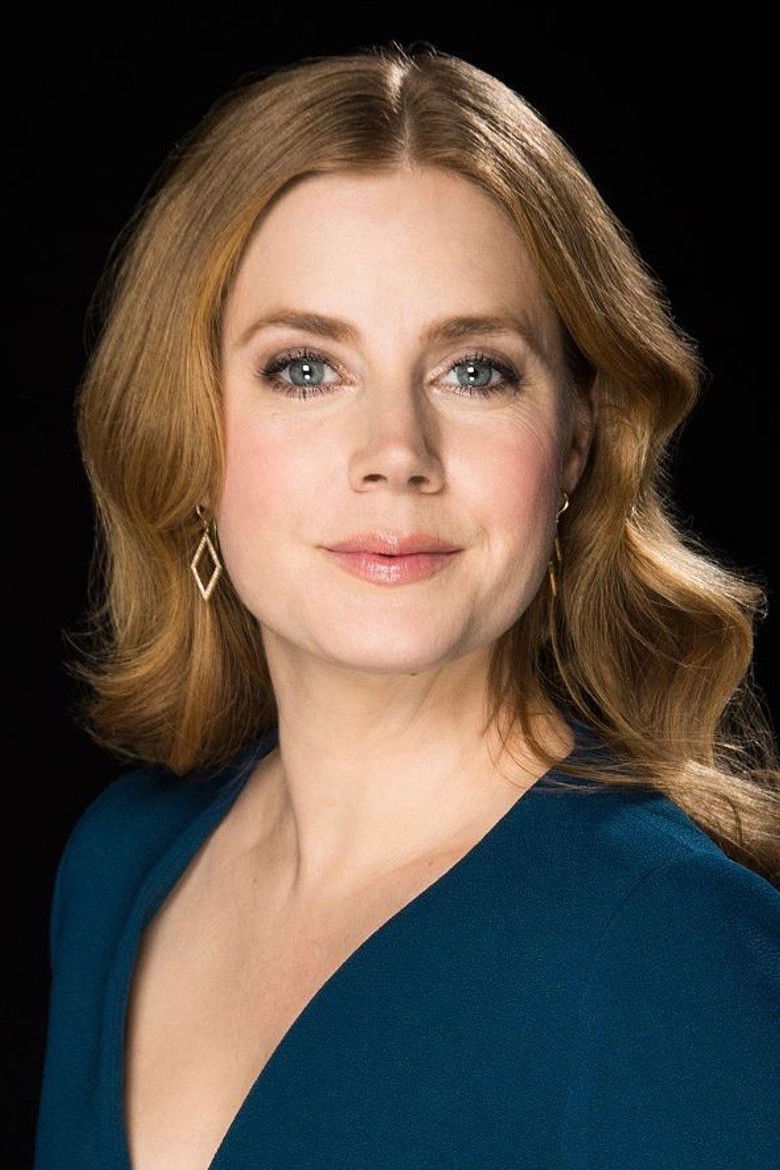
Amy Lou Adams is an American actress known for an unusually flexible screen presence: she can seem open-hearted and luminous in one role, guarded and severe in another, and quietly comic or devastatingly sad in the space between. Born in Aviano, Italy, to American parents and raised primarily in the United States, Adams began performing through dance and dinner theater before moving into film and television. Her early career included guest television roles and small film parts, but her later body of work made her one of the most acclaimed screen actors of her generation.
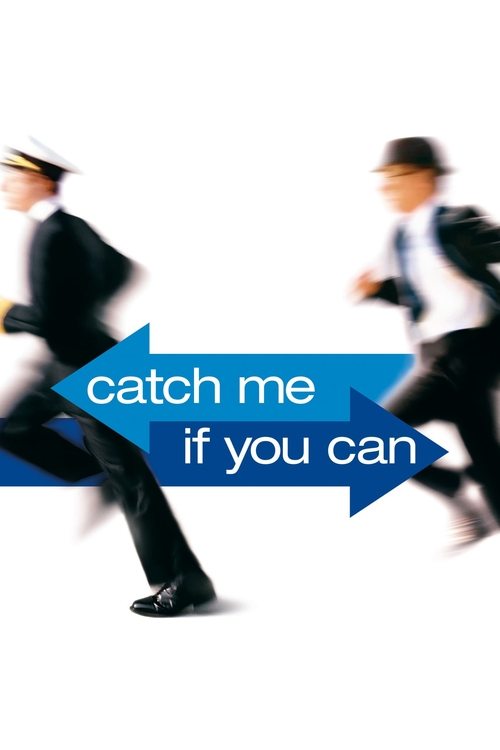
Adams made her film debut in Drop Dead Gorgeous and gained early visibility with a supporting role in Steven Spielberg's Catch Me If You Can. Her breakthrough came with Junebug, in which she played Ashley Johnsten, a talkative and emotionally generous pregnant woman whose optimism masks loneliness and disappointment. The performance earned Adams her first Academy Award nomination and established one of her great strengths: she could make sincerity dramatically complex rather than naive.
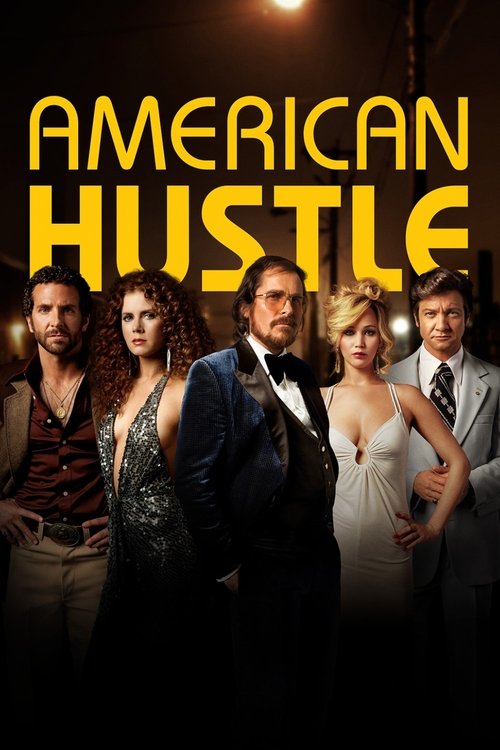
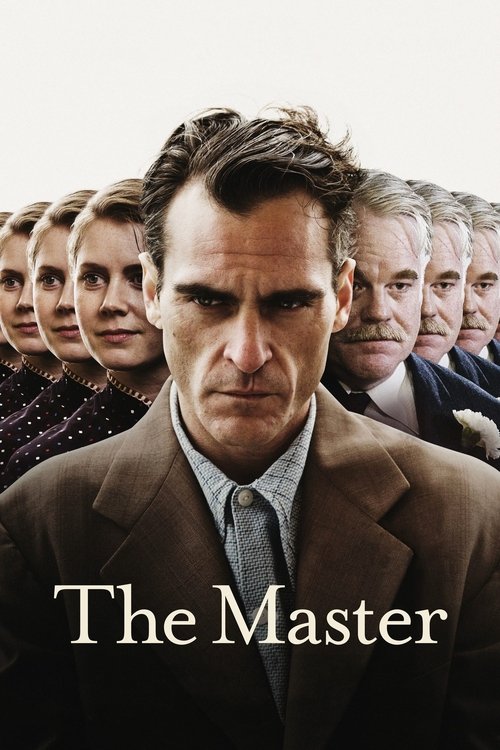
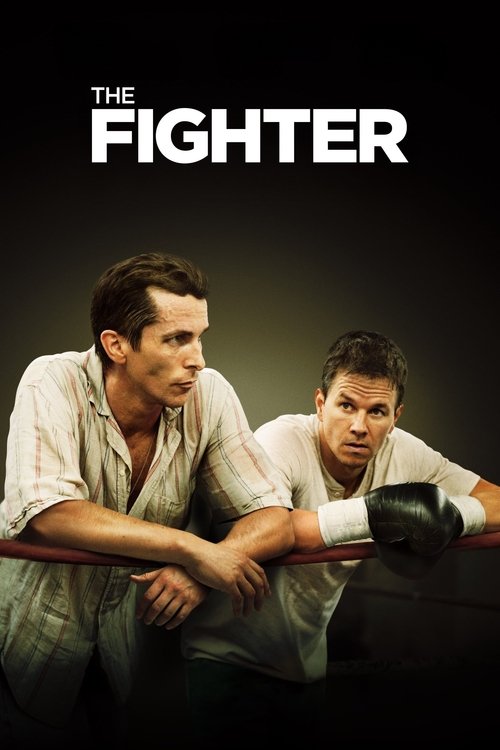
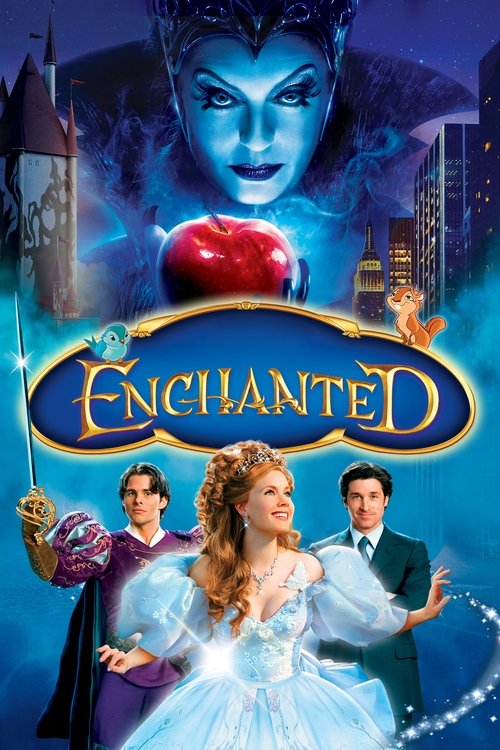
The 2007 musical fantasy Enchanted turned Adams into a leading star. As Giselle, she had to play an animated-princess archetype in live action without making the character feel like a joke, and her performance combined musical-theater brightness with precise comic timing. That success could have typecast her as an innocent romantic lead, but Adams quickly complicated that image. In Doubt she played a young nun caught between moral certainty and institutional pressure; in The Fighter she played Charlene Fleming, a tougher, sharper partner to boxer Micky Ward; in The Master she brought chilly control to Peggy Dodd; and in American Hustle she used glamour, intelligence, and instability to build one of her most layered commercial roles.

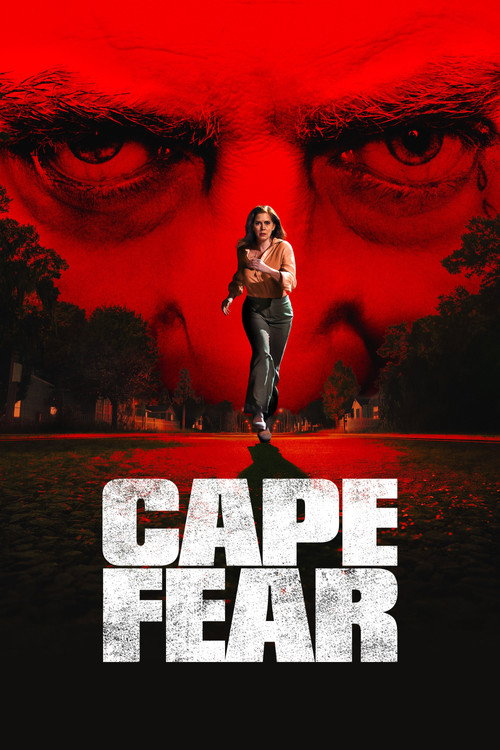
Actor · 2027 · Not rated yet

as Chrissie · 2026 · Not rated yet

Actor · 2026 · Not rated yet

as Laura · 2026 · Not rated yet

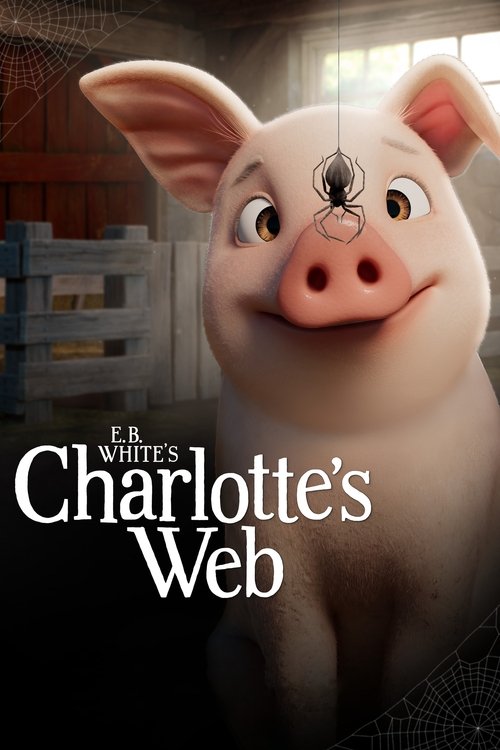
Actor · 2025 · Not rated yet

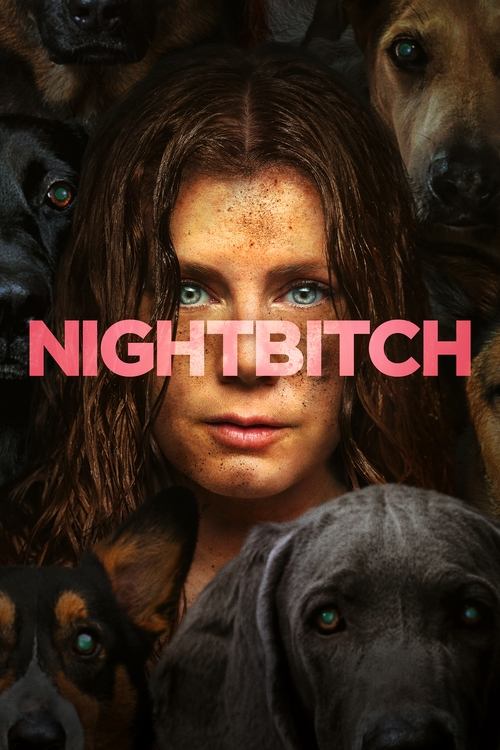
as Mother · 2024 · Not rated yet

Producer · 2024 · Not rated yet

as Self · 2023 · Not rated yet
Community
Community
Discuss Amy Adams. By default, replies in a topic go to the original poster; use a message’s Reply button to reply to someone specific.
Sign in to post in the forum.
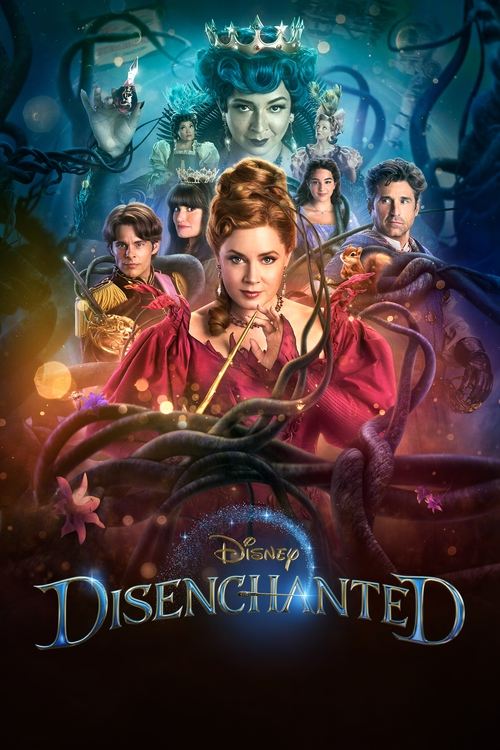
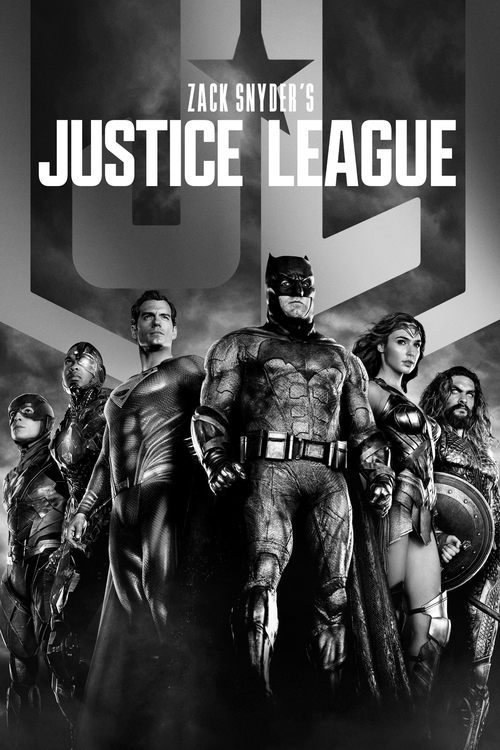
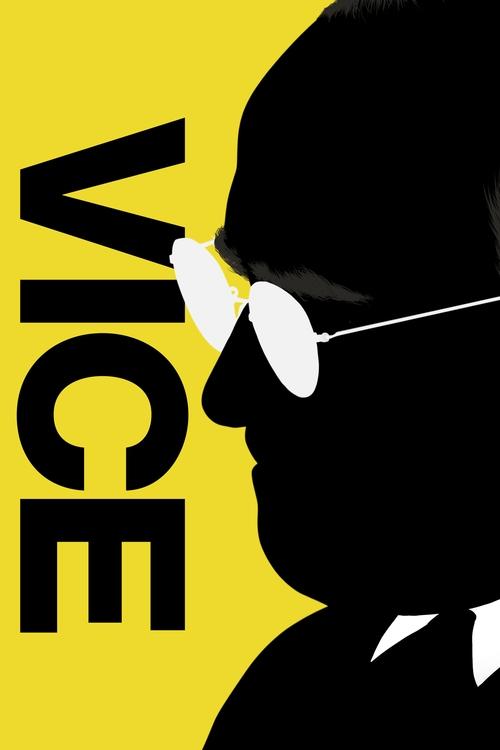
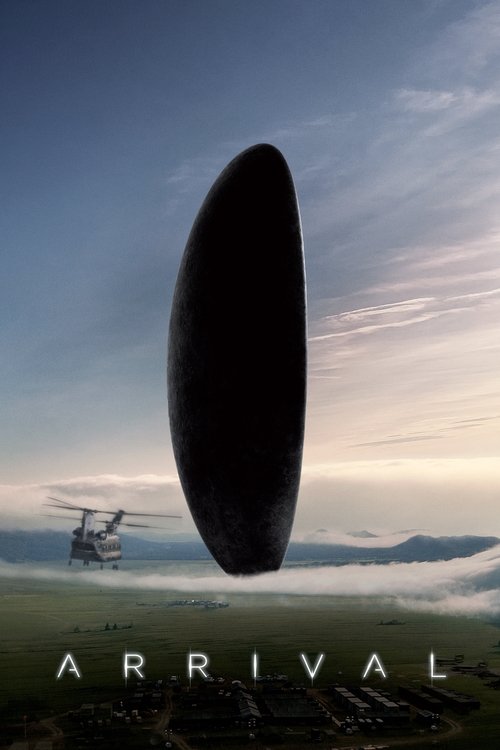
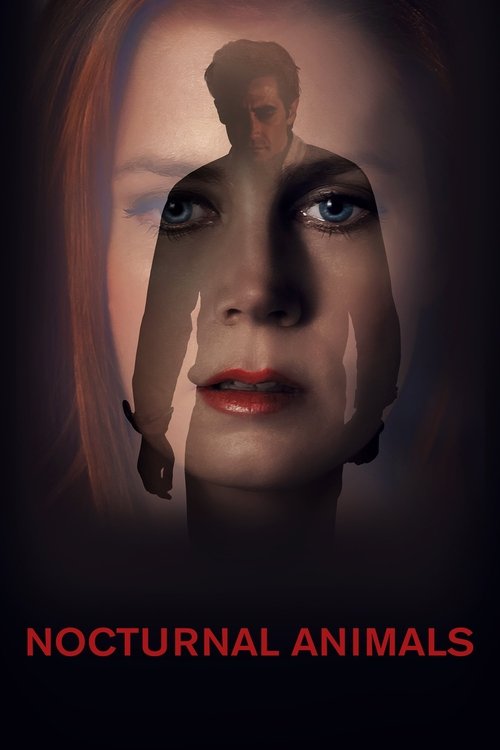
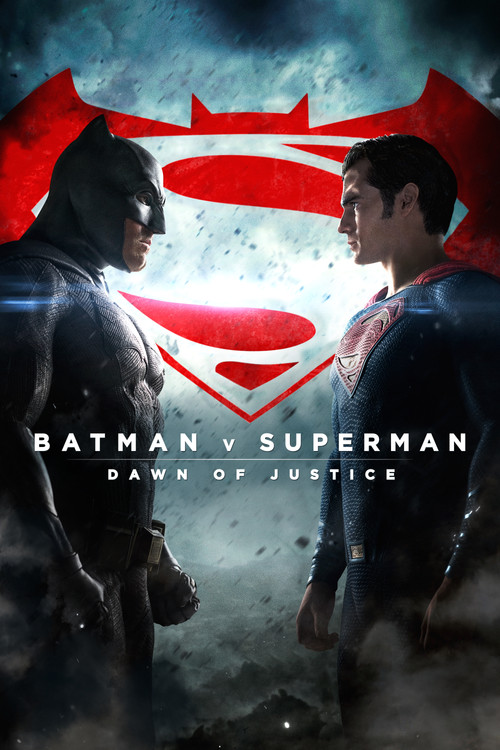
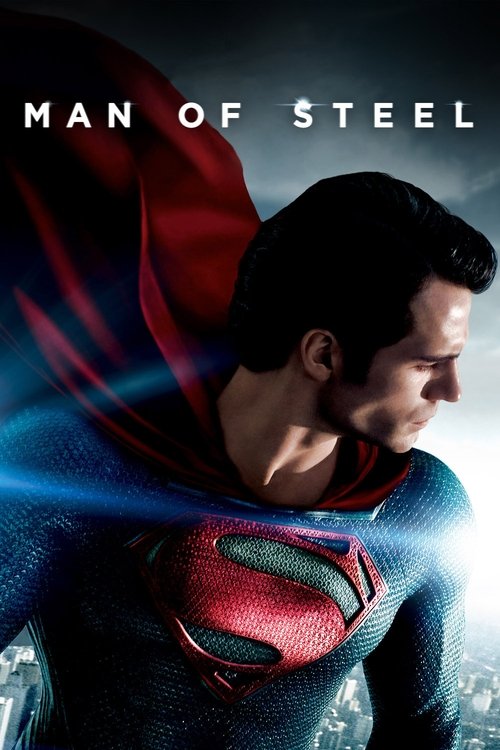
Adams also became central to major genre and literary adaptations. She played Lois Lane in Man of Steel, Batman v Superman: Dawn of Justice, and Justice League-related projects, giving the character a more investigative and emotionally grounded presence within superhero spectacle. In Arrival, she played linguist Louise Banks, a role that depended on intelligence, grief, and stillness rather than showy transformation. The film became one of her defining performances, with Adams carrying a science-fiction story through human loss and ethical responsibility. In Nocturnal Animals, Sharp Objects, Vice, Hillbilly Elegy, Disenchanted, and Nightbitch, she continued to move between prestige drama, dark psychology, satire, sequel work, and difficult maternal roles.
Awards recognition has followed Adams for much of her career. She has won Golden Globes and received multiple Academy Award nominations, along with BAFTA, Emmy, and Screen Actors Guild recognition. The nominations span supporting and leading roles, comedies and dramas, which reflects the central fact of her career: she is not defined by a single mode. Casting directors have used her for warmth, irony, glamour, exhaustion, intelligence, and rage. She often plays characters who are underestimated by the people around them, then reveals the force beneath the surface.
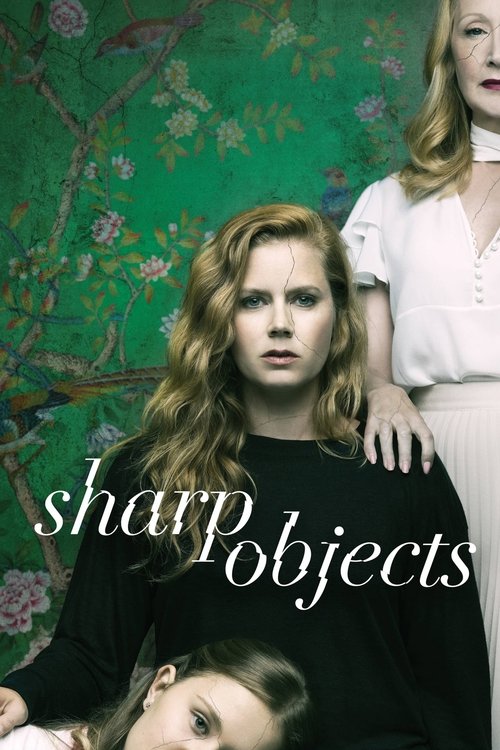
Adams has also worked as a producer, including on projects that give her more control over material and character perspective. In HBO's Sharp Objects, she was both star and executive producer, playing Camille Preaker with a haunted restraint that differed sharply from her earlier bright comic roles. That project, along with later films such as Nightbitch, shows her interest in roles built around interior damage, identity, and the pressures placed on women.
Adams's career has lasted because she avoids easy categorization. She can sing and sparkle, but she can also withdraw into silence; she can play wholesome characters without flattening them and damaged characters without sensationalizing them. Her best performances often turn on the same skill: the ability to let viewers see the public mask and the private feeling at once.
Part of Adams's distinction is that she often locates power in characters who seem, at first glance, to be defined by softness. In Junebug and Enchanted, her openness is not simple innocence; it is a way of moving through worlds that are more cynical than she is. In later films, that same openness can curdle into pain or strategy. American Hustle depends on the audience watching her character perform versions of herself for survival, while Arrival asks Adams to make intellectual concentration and maternal grief feel like the same emotional process. Few contemporary actors have been as good at making thought visible without making it theatrical.
Her collaborations with major directors helped shape that reputation. Steven Spielberg gave her early exposure in Catch Me If You Can; John Patrick Shanley and David O. Russell brought her into awards-season ensembles; Paul Thomas Anderson used her stillness and control in The Master; Denis Villeneuve built Arrival around her ability to carry silence; Tom Ford placed her in a stylized world of regret and threat in Nocturnal Animals; and Adam McKay used her precision in Vice. Across those films, Adams rarely repeats the same temperature. She can be warm, brittle, seductive, exhausted, funny, or severe, and she often shifts between those states without drawing attention to the mechanics.
Her television work reinforced the darker side of her range. Sharp Objects required Adams to inhabit trauma through posture and avoidance rather than exposition, and her work as an executive producer signaled a growing interest in shaping the stories around her. Later projects such as Hillbilly Elegy and Nightbitch drew mixed critical responses, but they continued her pattern of choosing women under pressure from family, class, memory, or identity. Adams's career is therefore not just a list of acclaimed performances; it is a study in how an actor associated with radiance can repeatedly turn that radiance into unease, intelligence, or survival.
References:
[1] Wikipedia, “Amy Adams” — https://en.wikipedia.org/wiki/Amy_Adams
[2] Wikimedia REST API, “Amy Adams page metadata” — https://api.wikimedia.org/core/v1/wikipedia/en/page/Amy_Adams
[3] Golden Globes, “Amy Adams” — https://goldenglobes.com/person/amy-adams/
[4] Academy of Motion Picture Arts and Sciences, “Amy Adams nominee profile” — https://www.oscars.org/oscars/ceremonies
[5] BAFTA, “Amy Adams” — https://www.bafta.org/search?search=Amy%20Adams
[6] Television Academy, “Amy Adams” — https://www.emmys.com/bios/amy-adams
[7] IMDb, “Amy Adams” — https://www.imdb.com/name/nm0010736/
[8] The Movie Database, “Amy Adams” — https://www.themoviedb.org/person/9273-amy-adams
[9] Encyclopaedia Britannica, “Amy Adams” — https://www.britannica.com/biography/Amy-Adams
[10] HBO, “Sharp Objects” — https://www.hbo.com/sharp-objects

as Giselle · 2022 · Not rated yet
Most liked
Top comments