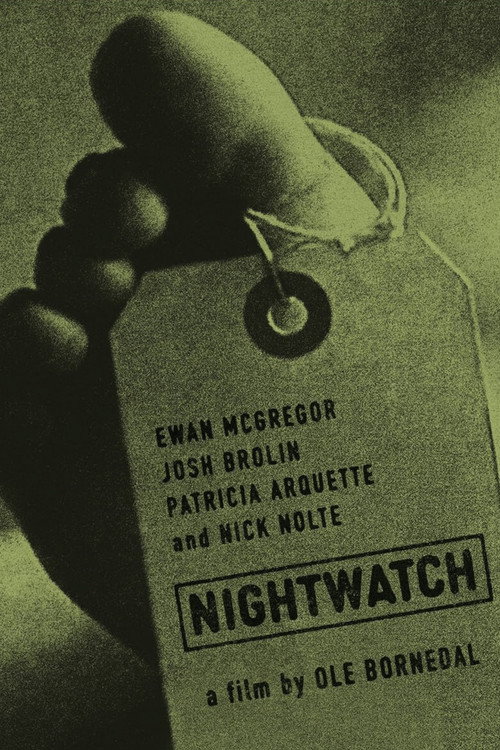
Directing
No awards listed yet.
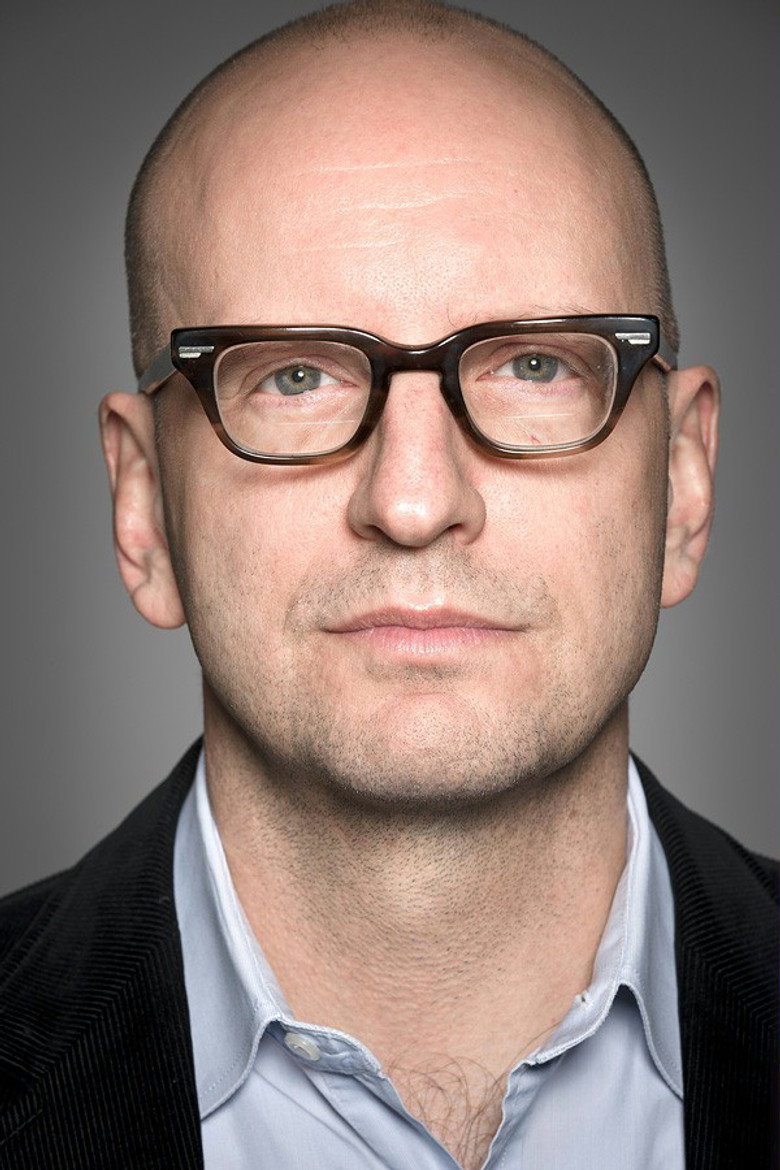
Steven Soderbergh is an American filmmaker, producer, screenwriter, cinematographer, and editor known for combining independent-film experimentation with studio-scale commercial success. Born in Atlanta, Georgia, on January 14, 1963, he grew up partly in Baton Rouge, Louisiana, where he began making short films as a teenager. His career has been marked by a restless refusal to stay in one mode: he has made microbudget experiments, heist comedies, political dramas, medical thrillers, biopics, television films, streaming releases, and polished star vehicles, often serving as his own cinematographer and editor under pseudonyms.
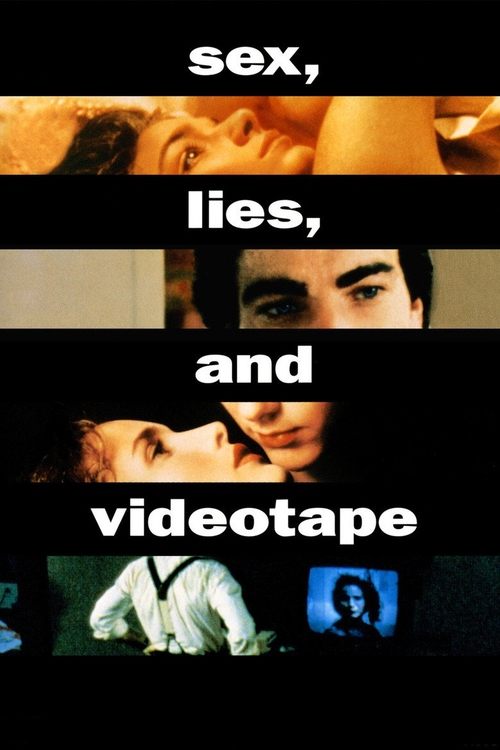
Soderbergh's breakthrough came with Sex, Lies, and Videotape in 1989. Made on a modest budget and centered on intimacy, secrecy, and recorded confession, the film won the Palme d'Or at the Cannes Film Festival and became a key event in the rise of modern American independent cinema. Its commercial success helped demonstrate that adult, talk-driven independent films could reach wide audiences. Soderbergh, still in his twenties, became a symbol of the Sundance-era filmmaker: young, formally alert, and positioned between art-house sensibility and American popular culture.
The years after that debut were uneven by conventional measures. Kafka, King of the Hill, The Underneath, Schizopolis, and Gray's Anatomy showed Soderbergh testing style, genre, and narrative structure, but they did not turn him into a straightforward studio brand. That difficult stretch became important to his later identity as a filmmaker willing to fail publicly, restart, and redesign his process. Schizopolis, in particular, was a self-conscious experiment that he later treated as an artistic reset.

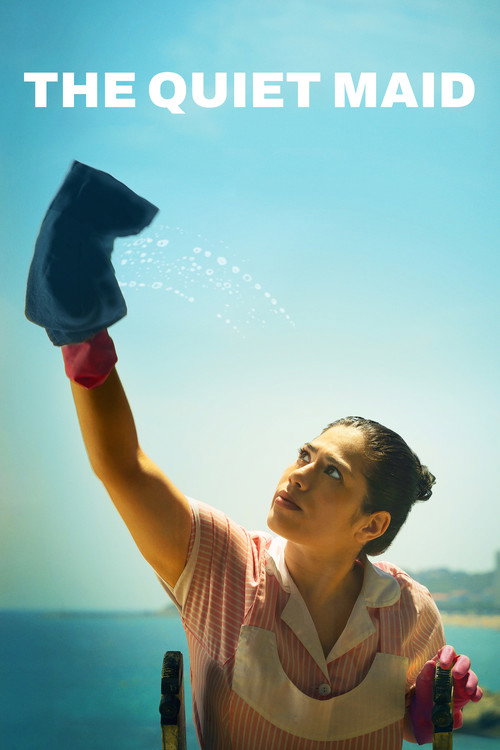
Director · 2026 · Not rated yet

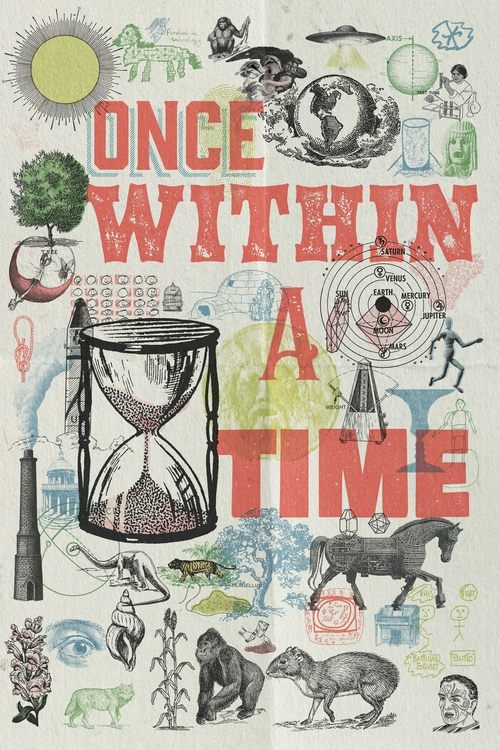
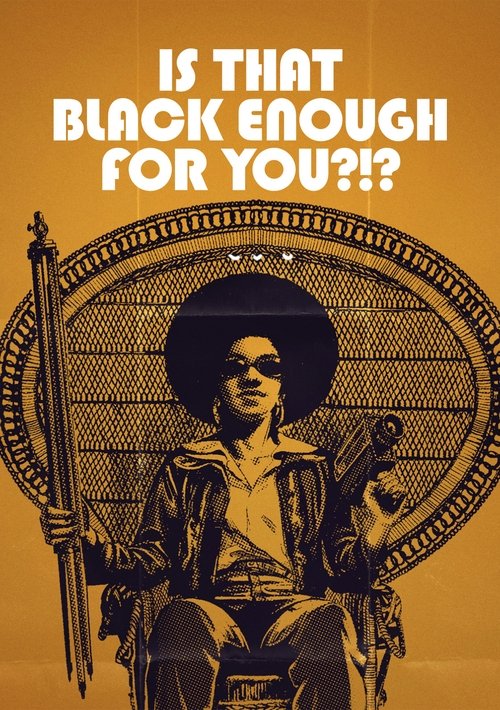
Executive Producer · 2026 · Not rated yet

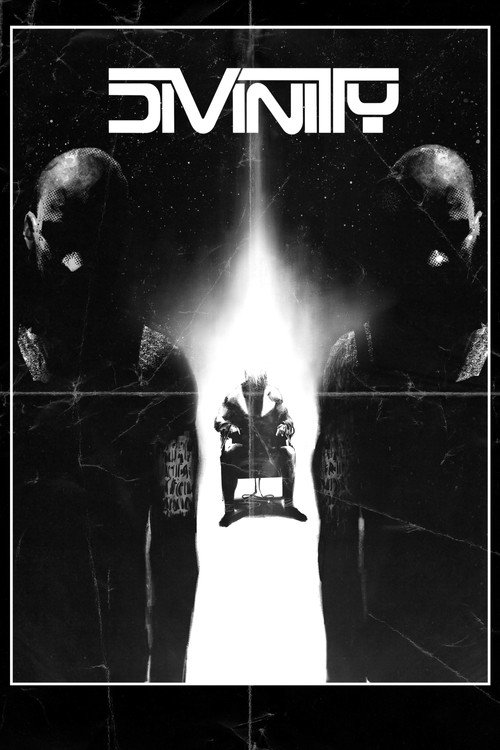
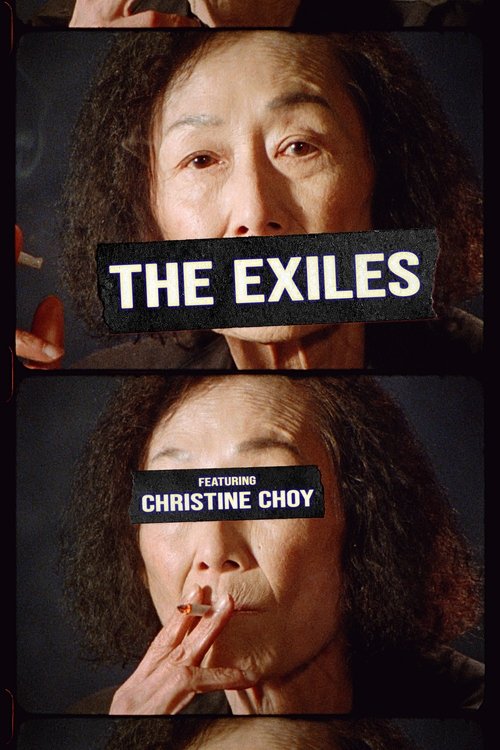
Director of Photography · 2026 · Not rated yet
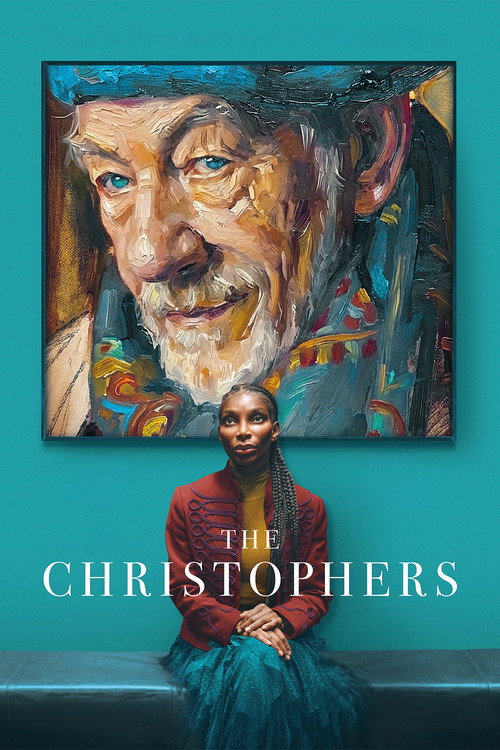
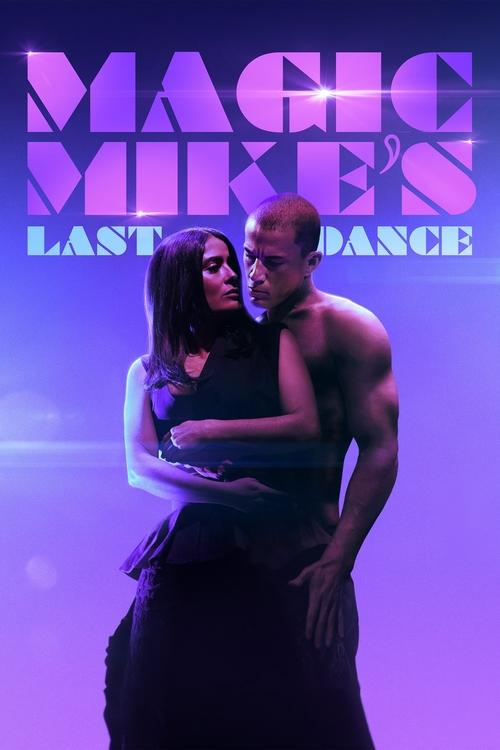
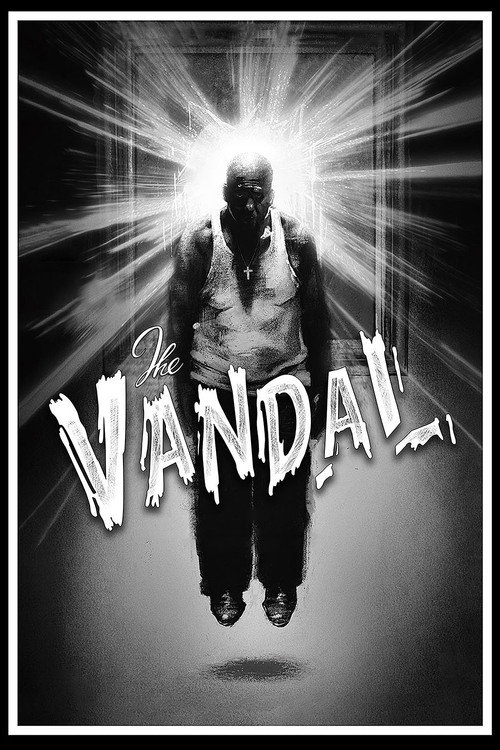
Director of Photography · 2026 · Not rated yet

Editor · 2026 · Not rated yet

Director · 2026 · Not rated yet

Executive Producer · 2025 · Not rated yet
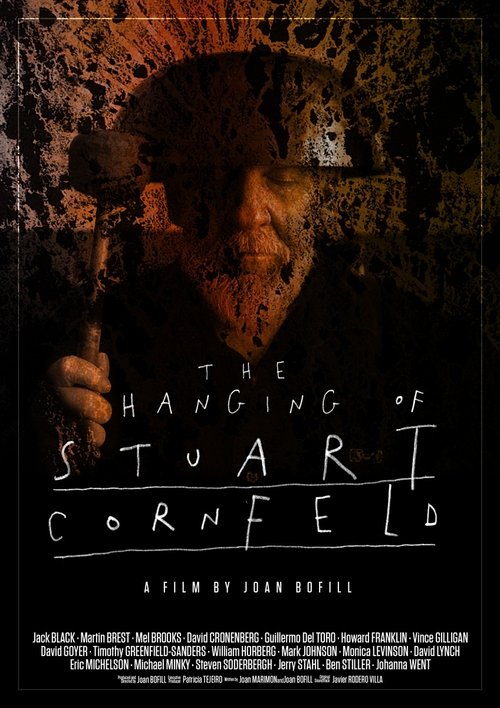
Actor · 2025 · Not rated yet
Community
Community
Discuss Steven Soderbergh. By default, replies in a topic go to the original poster; use a message’s Reply button to reply to someone specific.
Sign in to post in the forum.
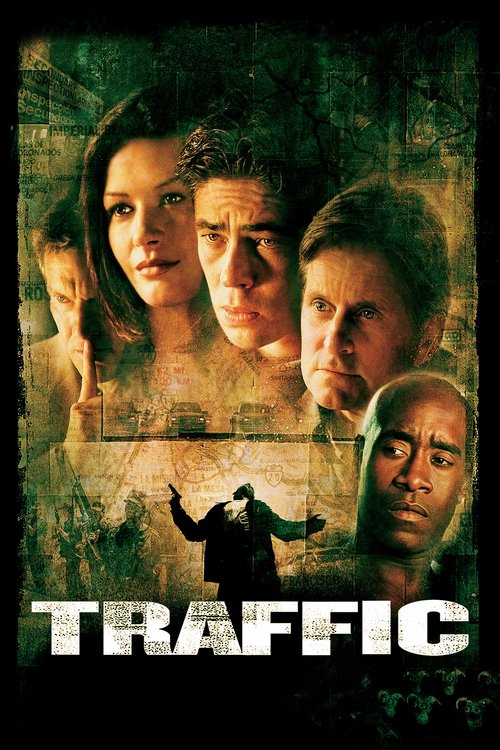
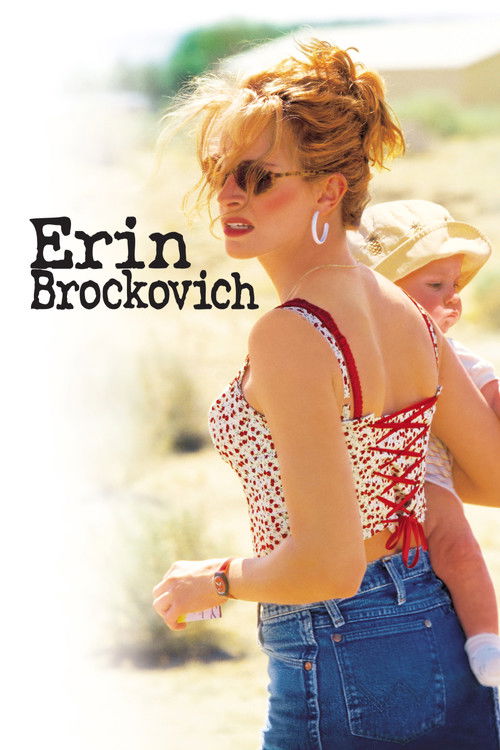
His mainstream reemergence began with Out of Sight in 1998, an Elmore Leonard adaptation starring George Clooney and Jennifer Lopez. The film's cool structure, time shifts, and sensual confidence restored Soderbergh's standing and began one of his most important actor collaborations with Clooney. He followed with The Limey, then reached a peak in 2000 with Erin Brockovich and Traffic. The two films earned him two best-director Oscar nominations in the same year, and he won for Traffic. That achievement captured his unusual position: he could make socially conscious drama with documentary textures and also direct polished star performances inside the studio system.
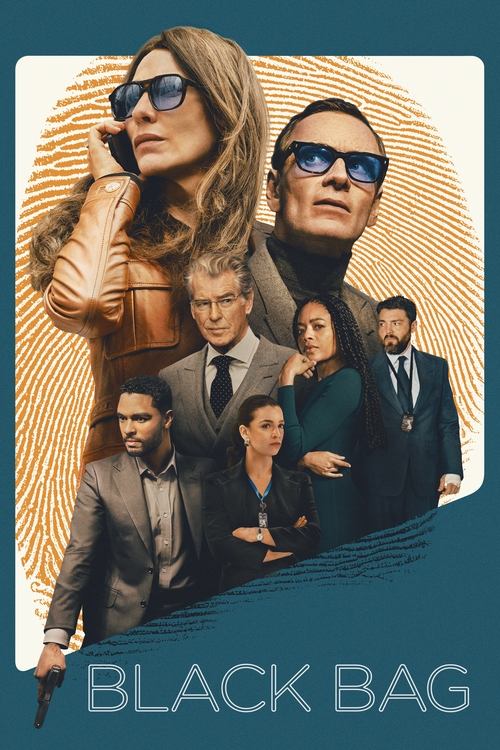
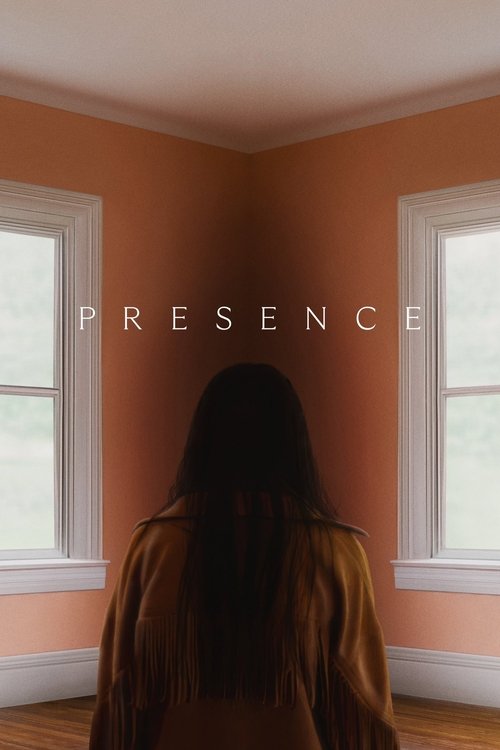
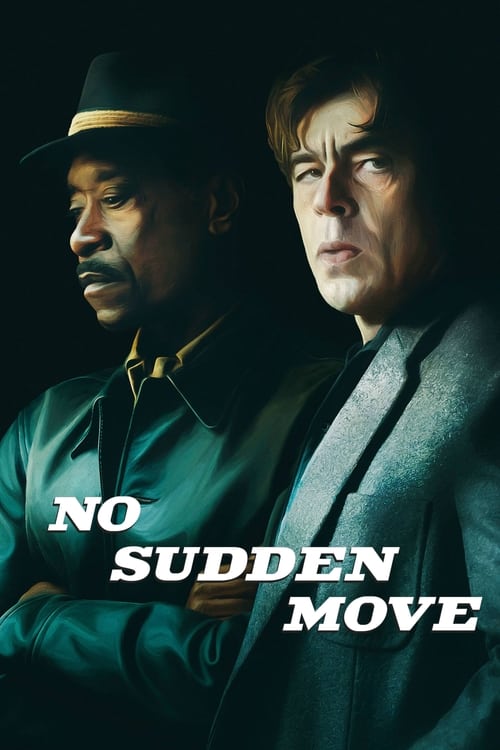
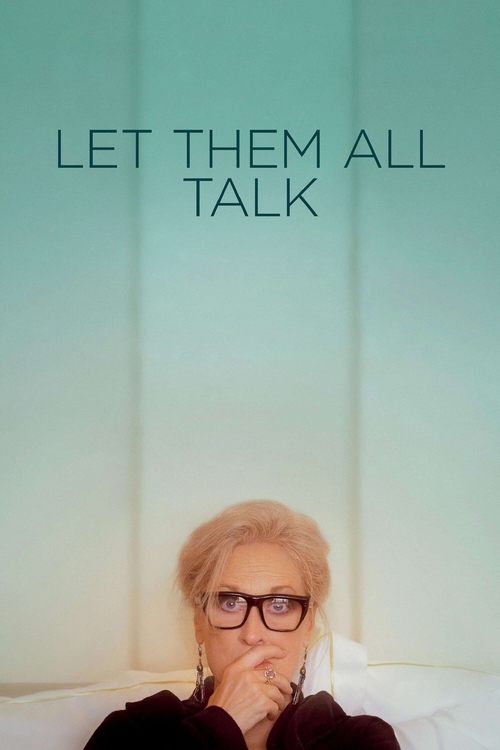
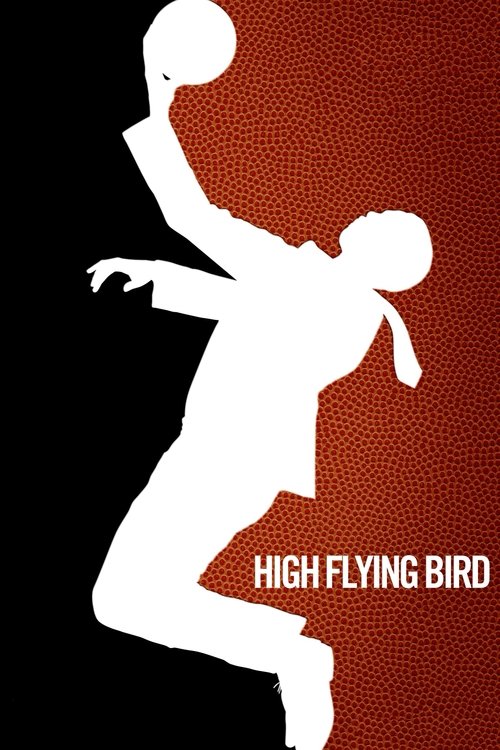
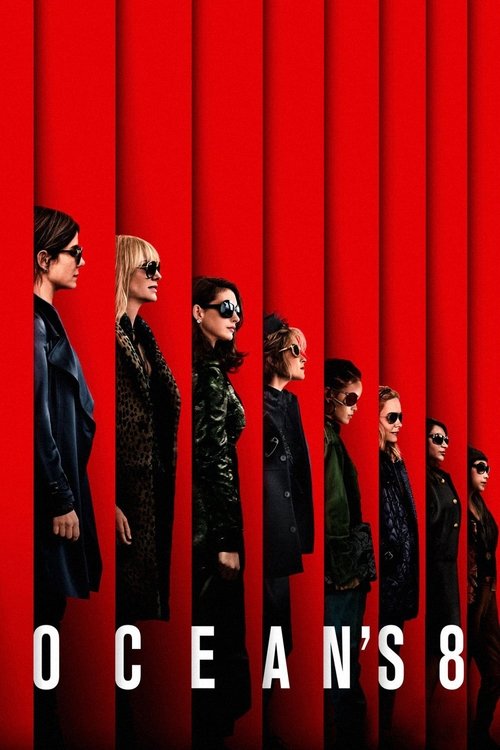
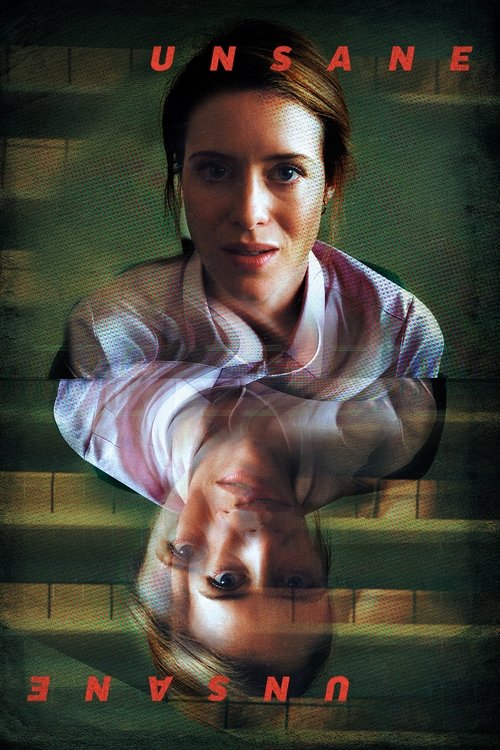
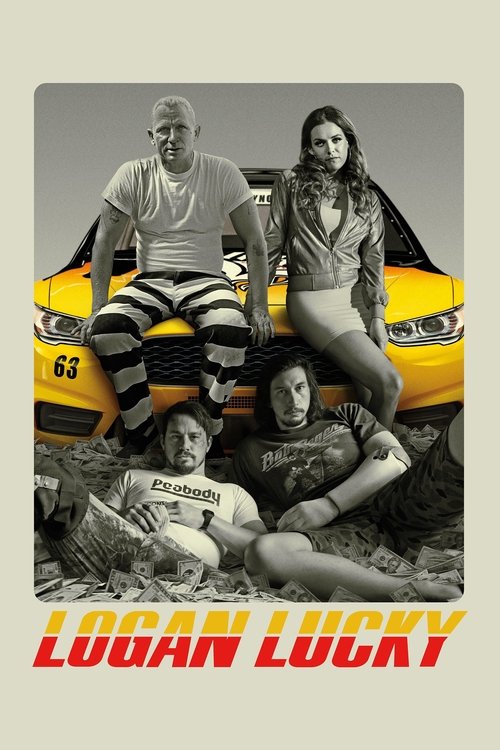
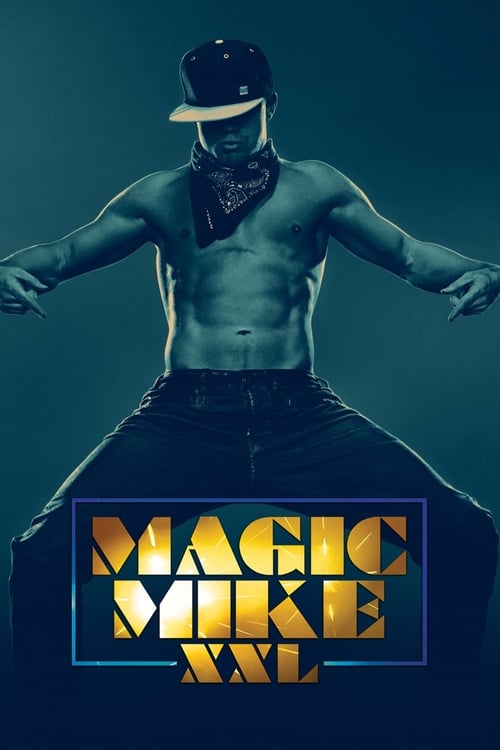
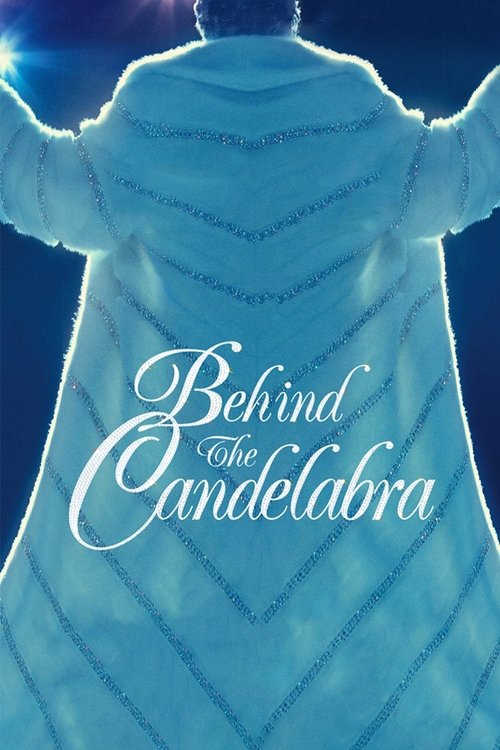
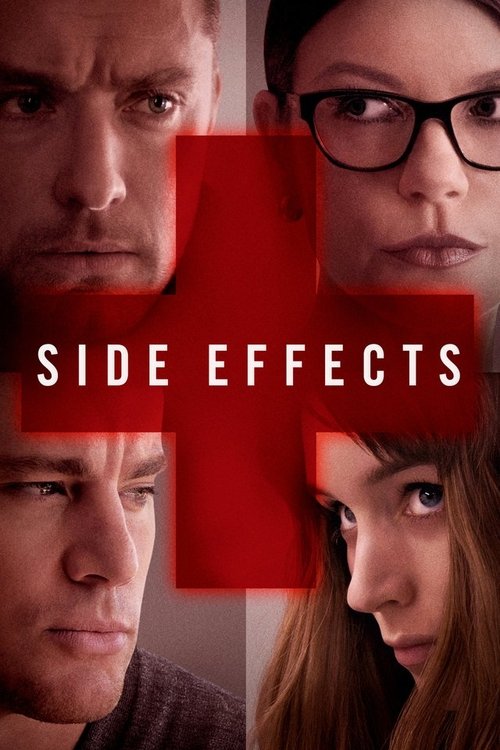
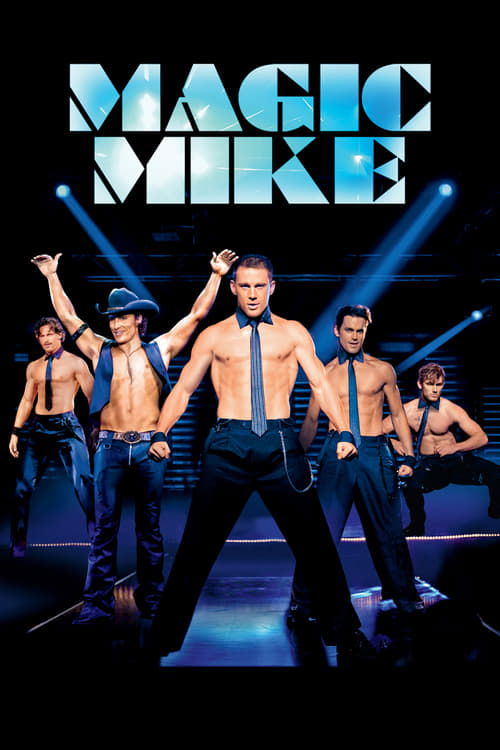
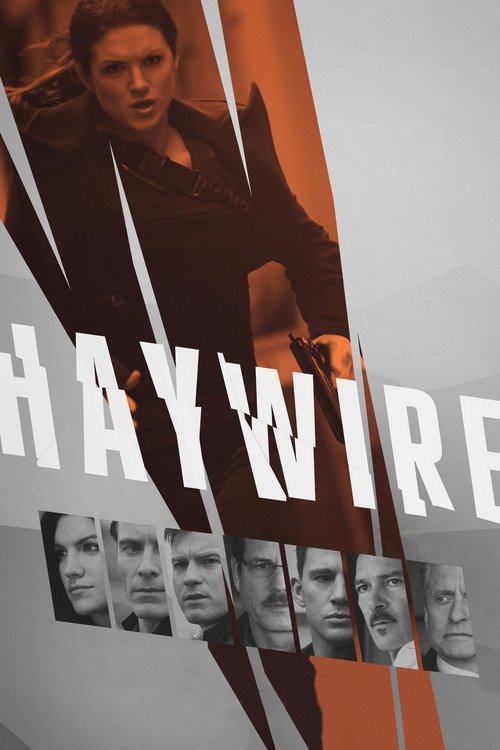
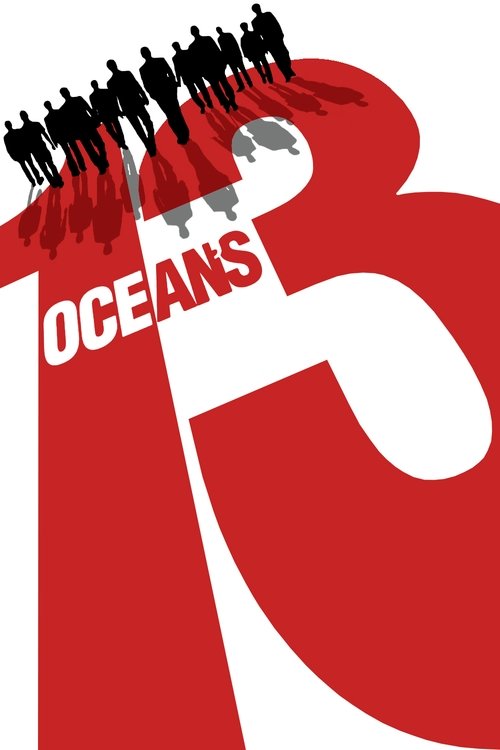
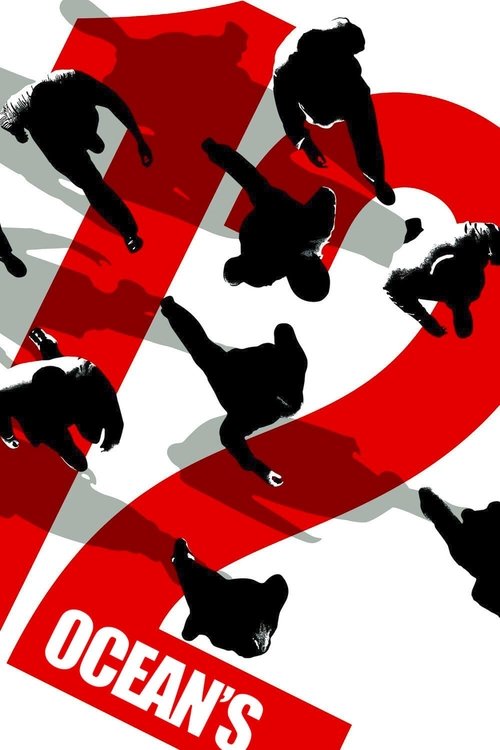
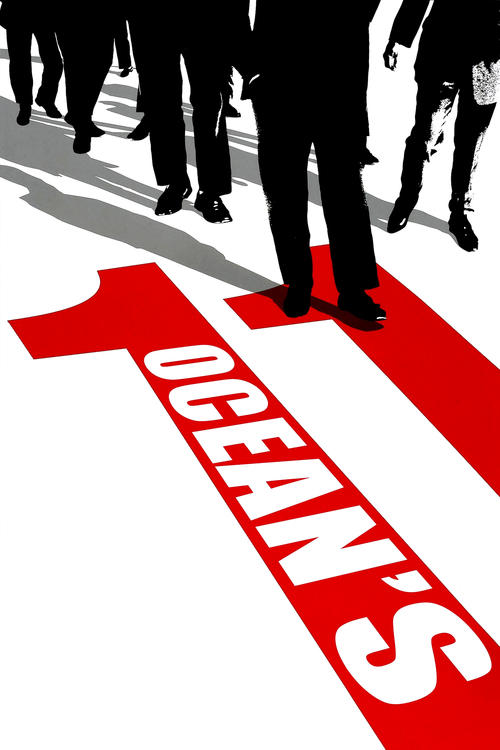
Soderbergh then turned Ocean's Eleven into a sleek ensemble hit, followed by Ocean's Twelve and Ocean's Thirteen. The trilogy showed his gift for rhythm, design, and movie-star choreography. Rather than treating commercial work as separate from experimentation, he often used successful projects to fund or enable riskier ones. Che, Bubble, The Girlfriend Experience, Haywire, Magic Mike, Side Effects, Behind the Candelabra, Logan Lucky, Unsane, High Flying Bird, Let Them All Talk, No Sudden Move, Kimi, Presence, and Black Bag all reflect different production models and distribution contexts.
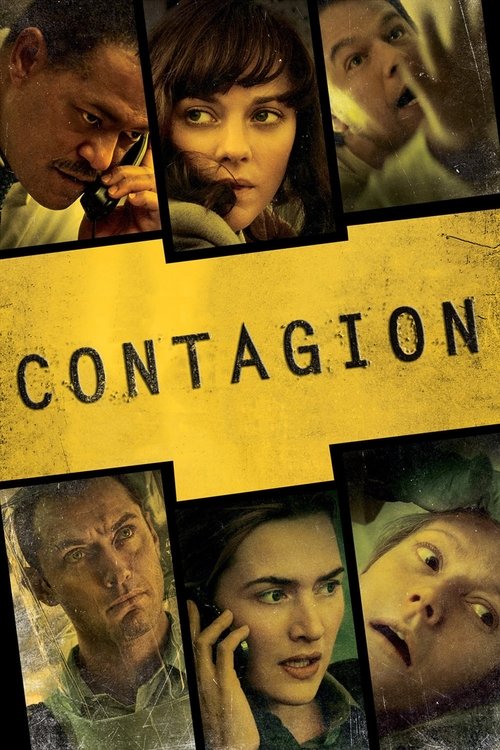
His technical methods are central to his authorship. Under the name Peter Andrews, Soderbergh has frequently shot his own films; under Mary Ann Bernard, he has edited them. This hands-on approach gives many of his projects a precise visual and rhythmic signature even when their genres differ. He has been drawn to systems: criminal networks, corporate misconduct, government policy, pandemic response, entertainment labor, and surveillance. His films often ask how people behave inside institutions, markets, and rules they only partly understand.
Soderbergh has also been unusually alert to changes in the film business. He has experimented with digital cinematography, simultaneous or unconventional release patterns, television and streaming formats, and small crews. His announced retirements or pauses have never held for long, partly because his career is driven by process and curiosity as much as by prestige. By moving between Cannes-winning independence, Oscar-winning drama, and studio entertainment, Soderbergh has become one of the clearest examples of a modern American director who treats form, workflow, and distribution as creative materials.
References:
[1] Wikipedia, “Steven Soderbergh” — https://en.wikipedia.org/wiki/Steven_Soderbergh
[2] Wikipedia, “Steven Soderbergh filmography” — https://en.wikipedia.org/wiki/Steven_Soderbergh_filmography
[3] Wikipedia, “Sex, Lies, and Videotape” — https://en.wikipedia.org/wiki/Sex,_Lies,_and_Videotape
[4] Wikipedia, “Out of Sight” — https://en.wikipedia.org/wiki/Out_of_Sight
[5] Wikipedia, “Erin Brockovich (film)” — https://en.wikipedia.org/wiki/Erin_Brockovich_(film)
[6] Wikipedia, “Traffic (2000 film)” — https://en.wikipedia.org/wiki/Traffic_(2000_film)
[7] Wikipedia, “Ocean's Eleven” — https://en.wikipedia.org/wiki/Ocean%27s_Eleven
[8] Wikipedia, “Behind the Candelabra” — https://en.wikipedia.org/wiki/Behind_the_Candelabra
[9] Wikipedia, “Logan Lucky” — https://en.wikipedia.org/wiki/Logan_Lucky
[10] The Movie Database, “Steven Soderbergh” — https://www.themoviedb.org/person/1884-steven-soderbergh

Executive Producer · 2025 · Not rated yet
Most liked
Top comments