Directing
No awards listed yet.
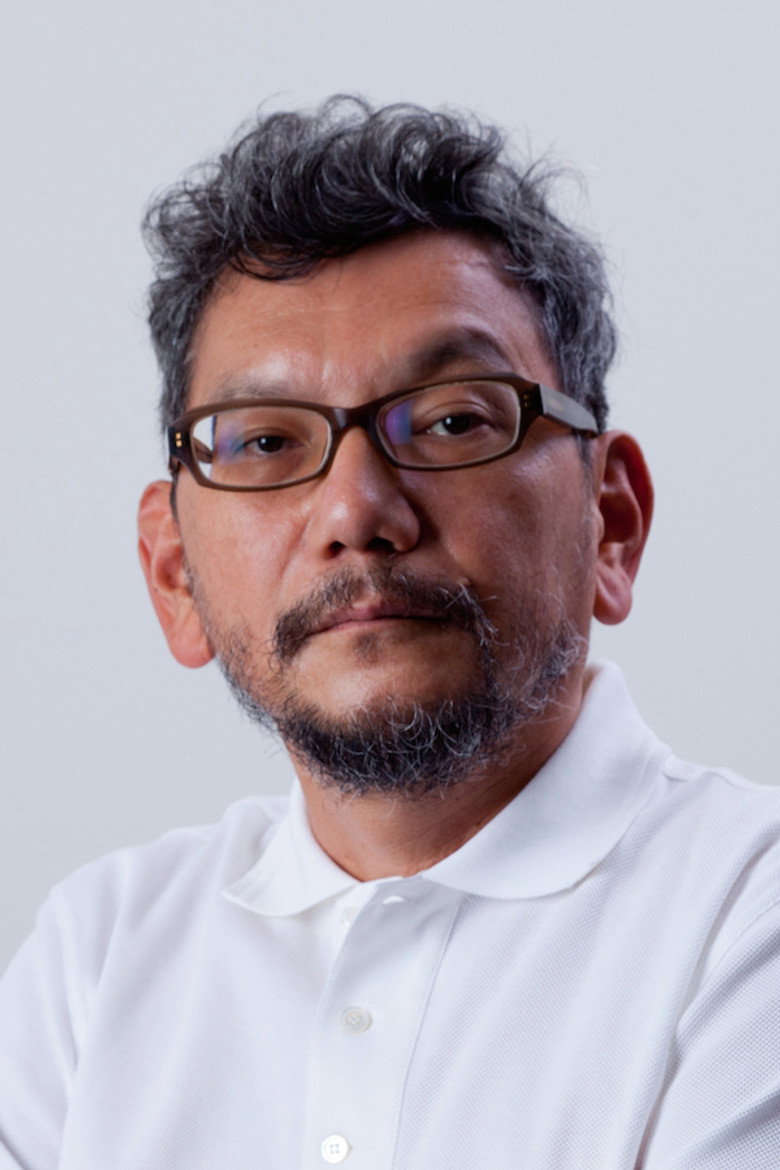
Hideaki Anno is a Japanese animator, filmmaker, screenwriter, producer, and occasional actor whose career links the fan-made roots of 1980s Japanese science-fiction culture with some of the most influential commercial anime and tokusatsu films of the modern era. Born in Ube, Yamaguchi, in 1960, he grew up absorbed by manga, animation, special-effects television, war stories, drawing, and amateur filmmaking. That mixture became the foundation of his work: Anno's best-known projects combine mechanical detail, handmade visual energy, psychological intensity, and a deep awareness of earlier Japanese popular culture.
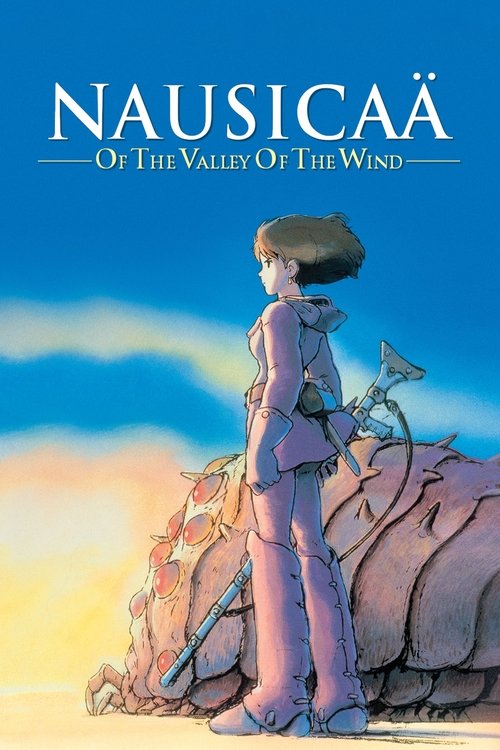
Anno attended Osaka University of Arts, where he met several collaborators who would shape the next phase of anime history, including Hiroyuki Yamaga and Takami Akai. While still a student he worked on the DAICON III and DAICON IV opening animations, short films made for Japanese science-fiction conventions that became legendary among anime fans for their kinetic animation and dense pop-cultural references. He also began professional animation work on The Super Dimension Fortress Macross. Anno ultimately left university without graduating, but his drawing ability quickly brought him to more prominent work: Hayao Miyazaki hired him to animate key material for Nausicaä of the Valley of the Wind, a credit that became an early marker of his technical talent.
In 1984 Anno became one of the founding figures around Gainax, the studio formed by members of the same fan and independent-film circle. He contributed to Royal Space Force: The Wings of Honnêamise, then emerged as a major director with Gunbuster, a six-episode original video animation that blended parody, melodrama, hard science-fiction imagery, and emotionally direct character storytelling. He followed it as chief director of Nadia: The Secret of Blue Water, a television adventure that won wide recognition and helped establish Gainax as a studio capable of ambitious serialized work. These projects showed the traits that would become associated with Anno: technical showmanship, abrupt tonal shifts, formal experimentation, and characters pushed into moments of fear, isolation, and self-examination.

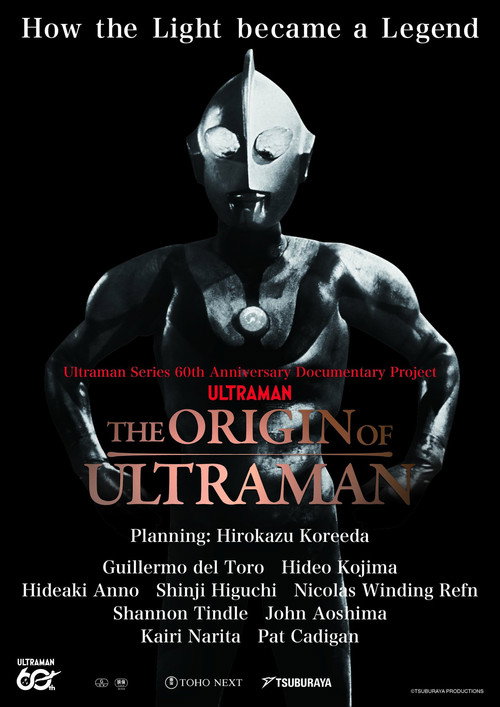
as Self · 2026 · Not rated yet

Screenplay · 2026 · Not rated yet

Executive Producer · 2026 · Not rated yet
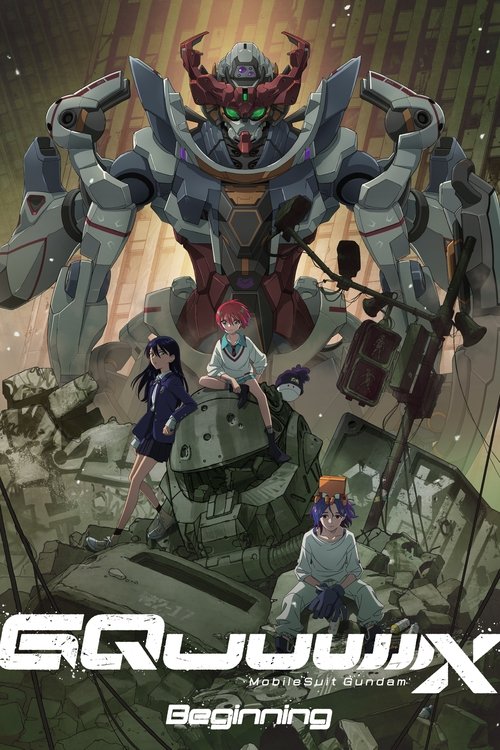
Screenplay · 2025 · Not rated yet

Key Animation · 2025 · Not rated yet

Storyboard Artist · 2025 · Not rated yet
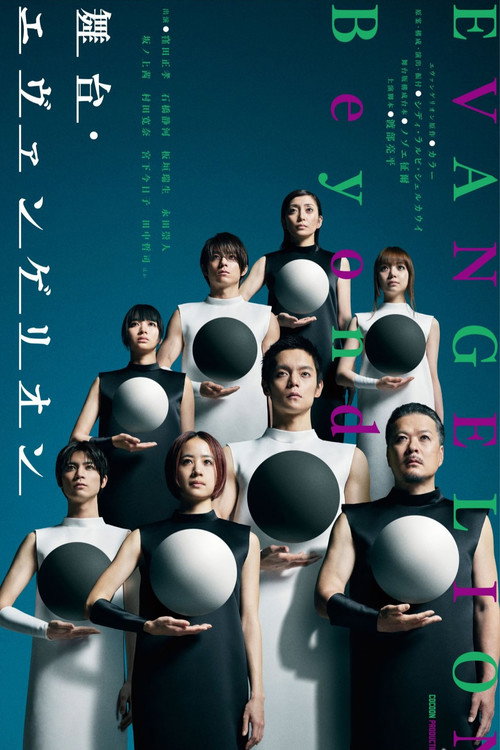
Original Series Creator · 2023 · Not rated yet
Community
Community
Discuss Hideaki Anno. By default, replies in a topic go to the original poster; use a message’s Reply button to reply to someone specific.
Sign in to post in the forum.
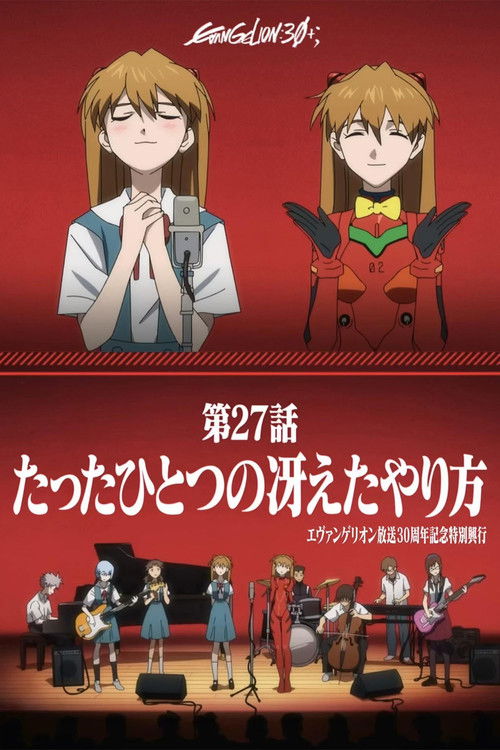
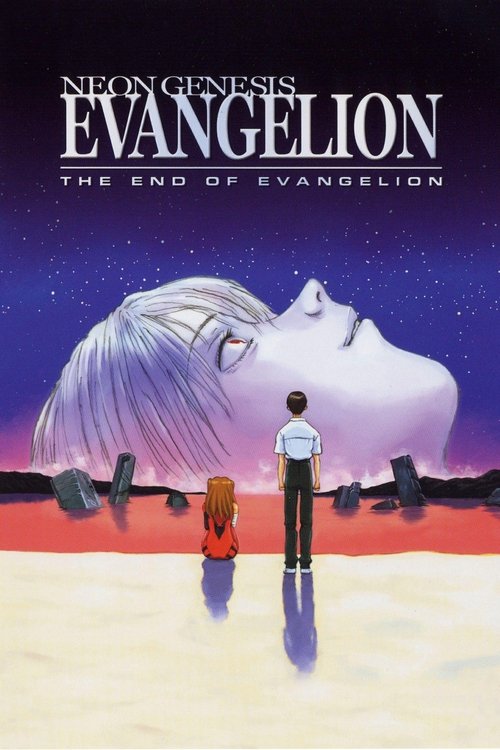
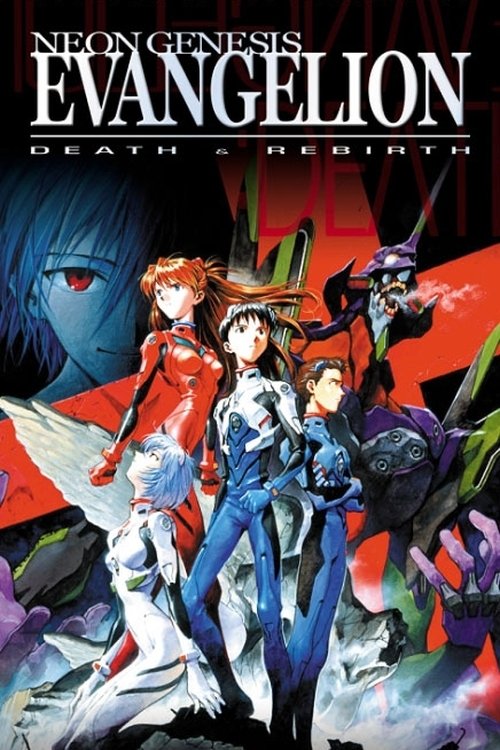
Anno's defining work arrived with Neon Genesis Evangelion, broadcast in 1995 and 1996. The series began as a mecha anime about teenagers piloting giant biomechanical weapons against mysterious attackers, but it gradually turned into a study of depression, trauma, dependency, faith, institutional secrecy, and the limits of human connection. Its production became famous for its pressure and its unconventional ending, which replaced conventional climax with psychological and abstract staging. The follow-up film The End of Evangelion offered a different, more violent and cinematic conclusion. Together, the television series and film reshaped anime culture, generating intense debate while expanding what a mainstream television anime could attempt in tone, structure, and subject matter.
After Evangelion, Anno moved between animation and live action. He directed the live-action films Love & Pop and Shiki-Jitsu, both formally adventurous works interested in youth, alienation, performance, and the camera's capacity to distort everyday life. He also directed Kare Kano, an adaptation of Masami Tsuda's manga, and later the live-action Cutie Honey as well as the related Re: Cutie Honey animation. These projects are sometimes overshadowed by Evangelion, but they show Anno's willingness to treat popular genres as laboratories for editing, image texture, documentary-like observation, and emotional dislocation.
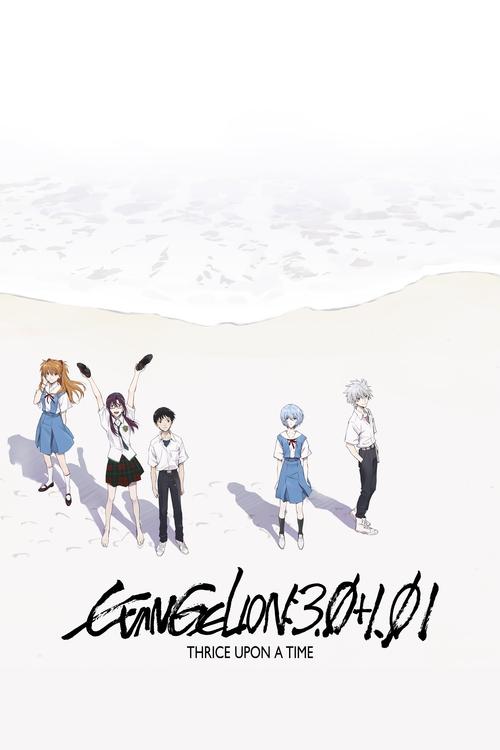
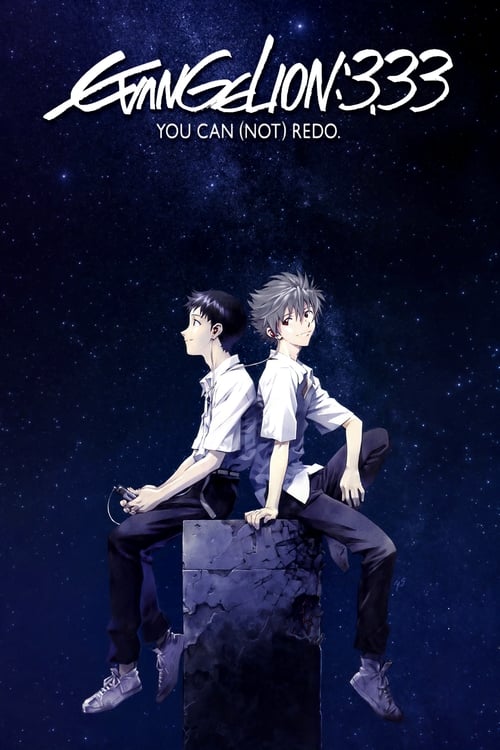
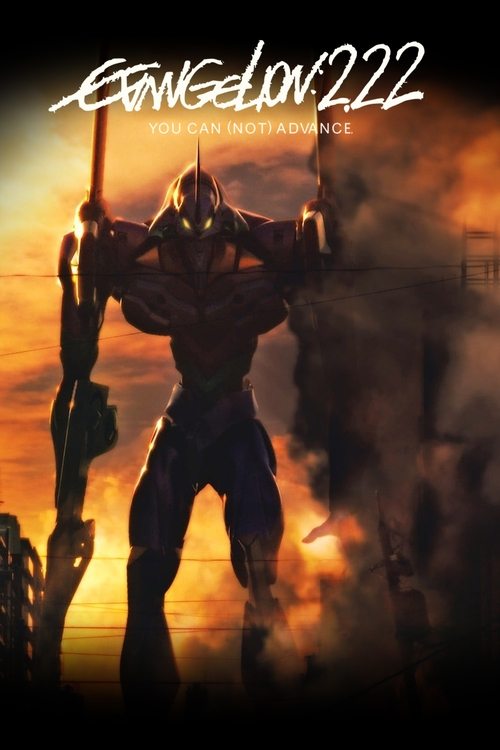
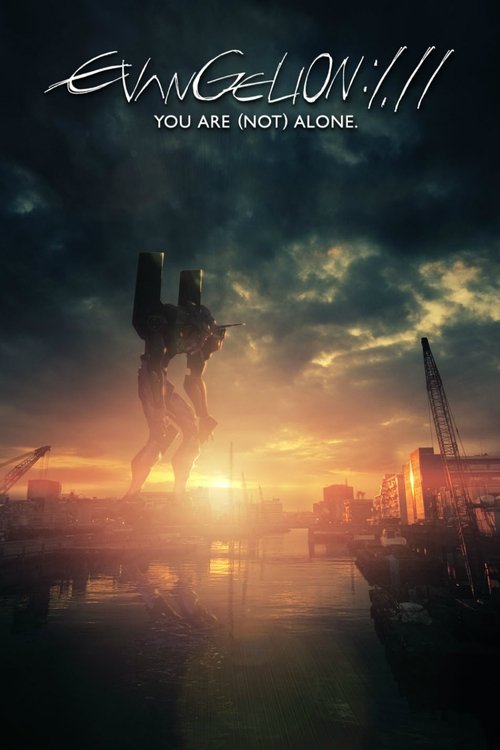
In 2006 Anno founded Khara, a production company and studio that became the base for the Rebuild of Evangelion film series. The four Rebuild films, released between 2007 and 2021, began by revisiting the original Evangelion story and then diverged into a new structure. Evangelion: 3.0+1.0 Thrice Upon a Time concluded the project after many years of production and served as a public closing chapter for Anno's long engagement with the franchise. The series also reflected his growing role as a producer and studio head, not only as a director.
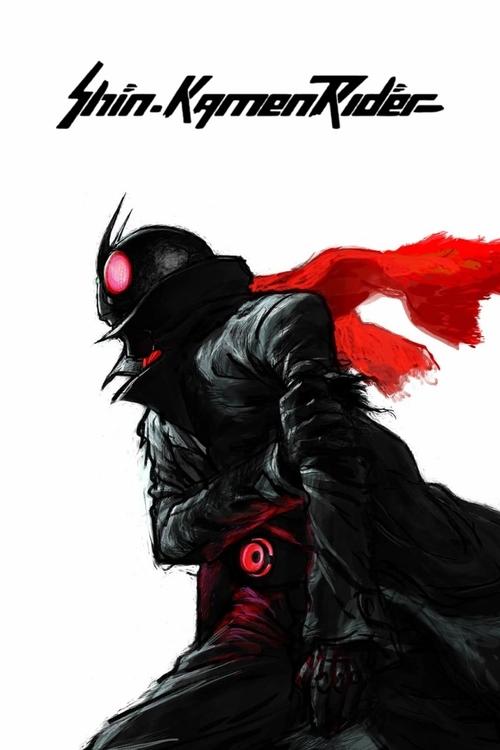
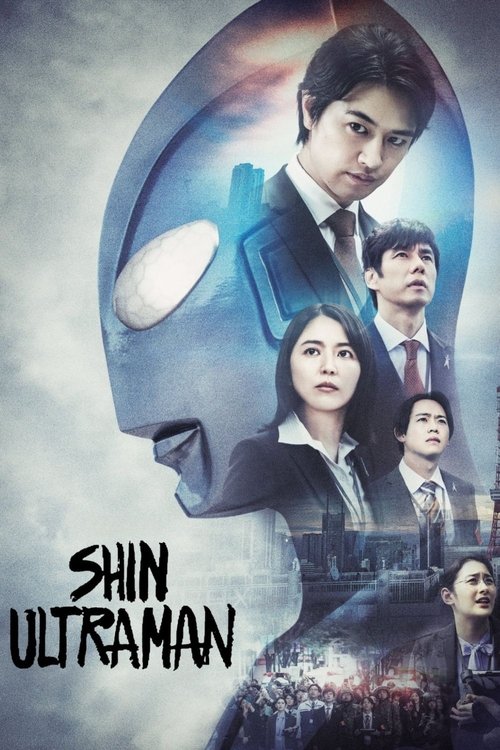
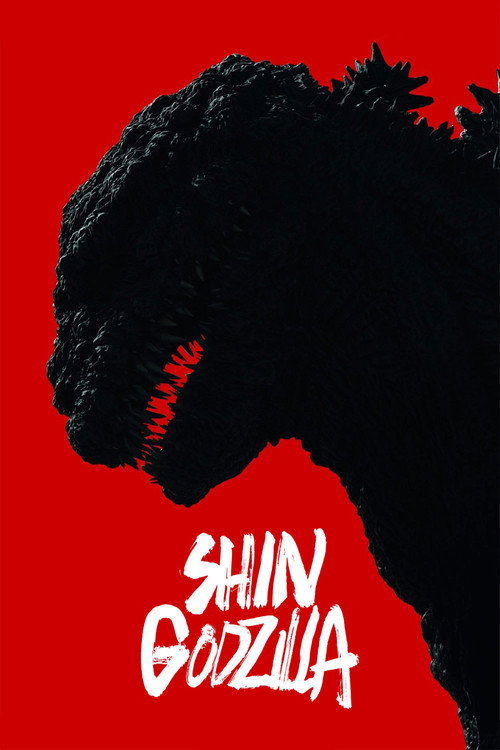
Anno's later career has also been central to the revival of Japanese special-effects franchises. He co-directed and wrote Shin Godzilla with Shinji Higuchi; the film reimagined Godzilla through bureaucratic procedure, disaster response, and national anxiety, and it won major attention in Japan. Anno then wrote Shin Ultraman and wrote and directed Shin Kamen Rider, extending his lifelong fascination with tokusatsu into high-profile contemporary films. These works are not simply nostalgic remakes: they use the language of older effects television and cinema while rethinking pacing, institutions, bodies, and spectacle for a modern audience.
Anno's influence rests on both craft and sensibility. As an animator he is admired for dynamic mechanical action and exacting layouts; as a director he is known for rupturing genre expectations and making emotional breakdown part of the visual form. He has also been unusually open about the strain of production and the personal difficulty behind some of his work, while keeping his films and series grounded in the shared history of anime, manga, and tokusatsu. Whether through Evangelion, Shin Godzilla, or his earlier Gainax projects, Anno has repeatedly turned fan devotion into original authorship, making him one of the most consequential Japanese screen artists of his generation.
References:
[1] Khara, “Hideaki Anno personal history” — https://www.khara.co.jp/hideakianno/
[2] Wikipedia, “Hideaki Anno” — https://en.wikipedia.org/wiki/Hideaki_Anno
[3] IMDb, “Hideaki Anno” — https://www.imdb.com/name/nm0030417/
[4] Anime News Network Encyclopedia, “Hideaki Anno” — https://www.animenewsnetwork.com/encyclopedia/people.php?id=35
[5] British Film Institute, “Hideaki Anno” — https://www2.bfi.org.uk/films-tv-people/4ce2bb35370a7
[6] The Japan Times, “Hideaki Anno's Shin Godzilla” coverage — https://www.japantimes.co.jp/culture/2016/07/27/films/film-reviews/shin-godzilla/
[7] GKIDS, “Evangelion: 3.0+1.01 Thrice Upon a Time” — https://gkids.com/films/evangelion-3-01-0-thrice-upon-a-time/
[8] Toho, “Shin Godzilla” — https://godzilla.com/filmography/shin-godzilla/
[9] Rotten Tomatoes, “Hideaki Anno” — https://www.rottentomatoes.com/celebrity/hideaki_anno
[10] TMDb, “Hideaki Anno” — https://www.themoviedb.org/person/77921-hideaki-anno
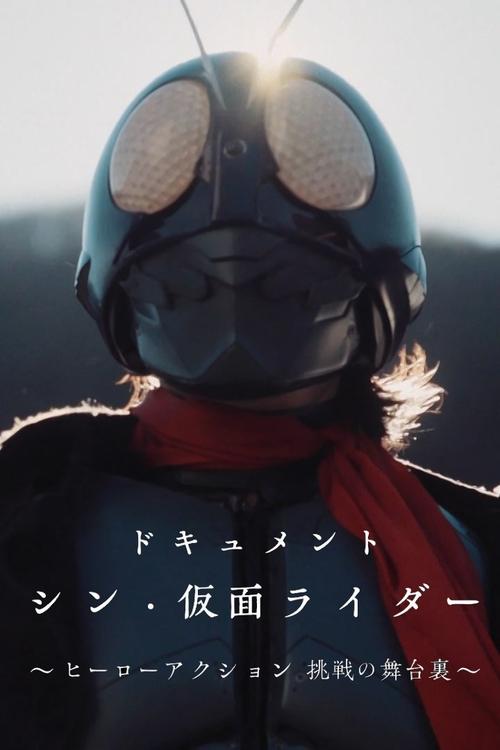
as Self · 2023 · Not rated yet
Most liked
Top comments