Loading the marquee…
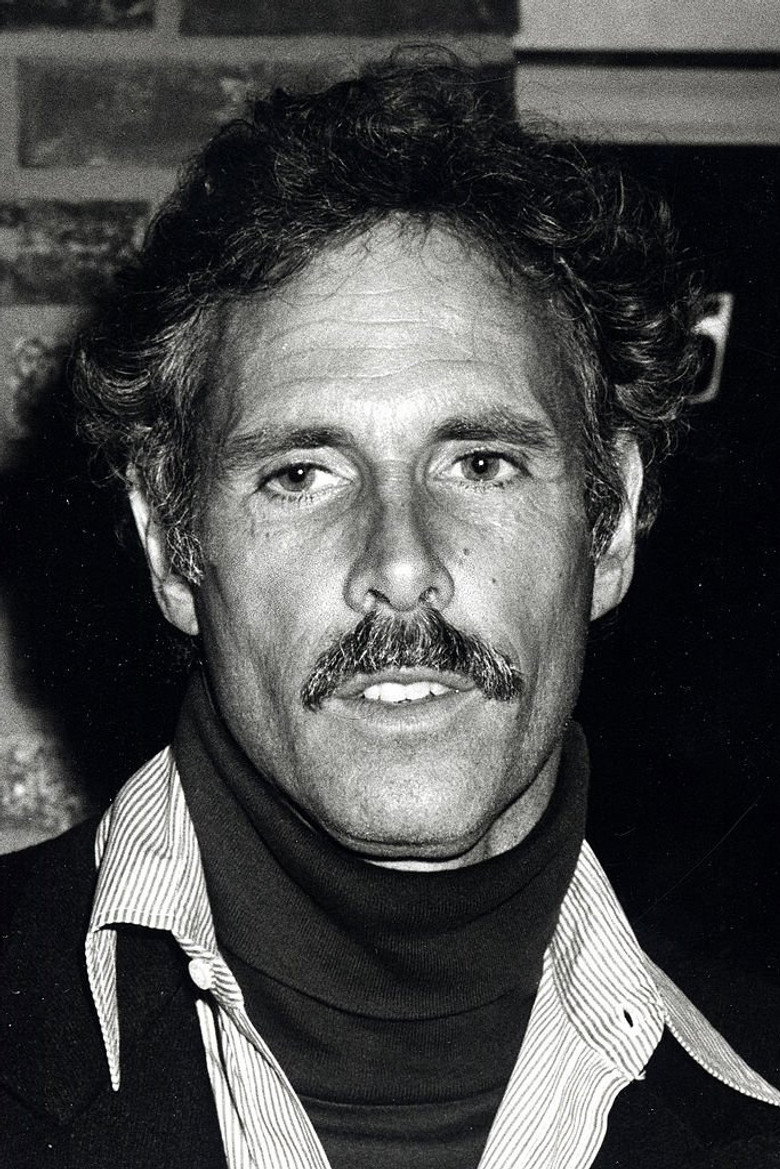
Acting
Bruce Dern
- Born
- Unknown
Awards
No awards listed yet.
Biography
Bruce Dern is an American actor whose long career has made him one of the defining character performers of the New Hollywood era and a persistent presence in film and television for more than six decades. Born Bruce MacLeish Dern in Chicago in 1936, he grew up in an accomplished family with political, business, and literary connections; his grandfather George Dern was governor of Utah and U.S. Secretary of War, and poet Archibald MacLeish was a relative. Dern attended the University of Pennsylvania before committing to acting and studying at the Actors Studio, where the influence of Lee Strasberg and Elia Kazan helped shape his intense, psychologically alert style.
Dern began on stage, appearing in productions including Sweet Bird of Youth, and moved into television and film during the 1960s. Early screen roles included appearances in Alfred Hitchcock's Marnie and Robert Aldrich's Hush...Hush, Sweet Charlotte. He quickly developed a specialty in unstable, threatening, or morally ambiguous men, but he was never merely a villain. His performances often suggested nervous intelligence, resentment, and vulnerability beneath menace.
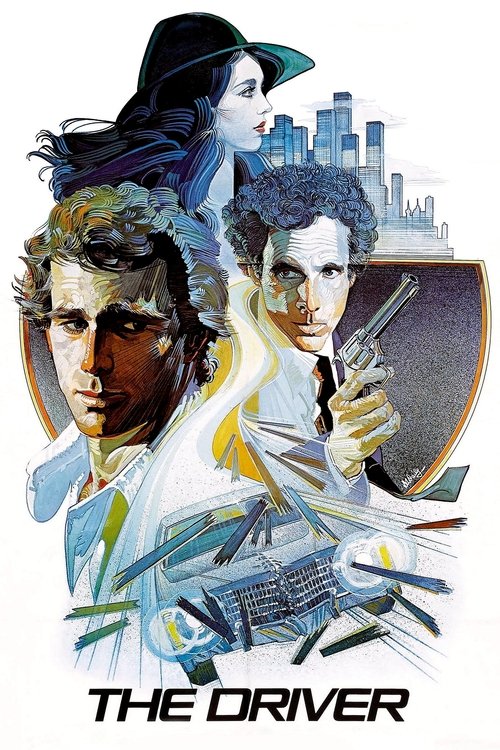
The late 1960s and 1970s made Dern a signature face of New Hollywood. He appeared in The Trip, They Shoot Horses, Don't They?, The Cowboys, Silent Running, The King of Marvin Gardens, The Great Gatsby, Smile, Family Plot, Black Sunday, and The Driver. His role in The Cowboys became notorious because his character kills John Wayne's rancher, an act that made him a memorable screen antagonist for a generation of Western audiences. In Silent Running, by contrast, he carried an ecological science-fiction film as Freeman Lowell, a botanist fighting to preserve the last forests from Earth. The role remains one of his clearest examples of turning obsession into pathos.
Filmography
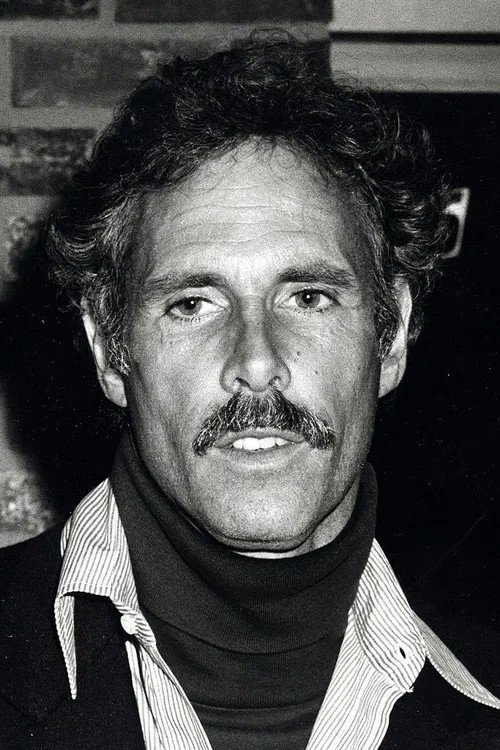
Dernsie: The Amazing Life of Bruce Dern
Actor · 2026 · Not rated yet
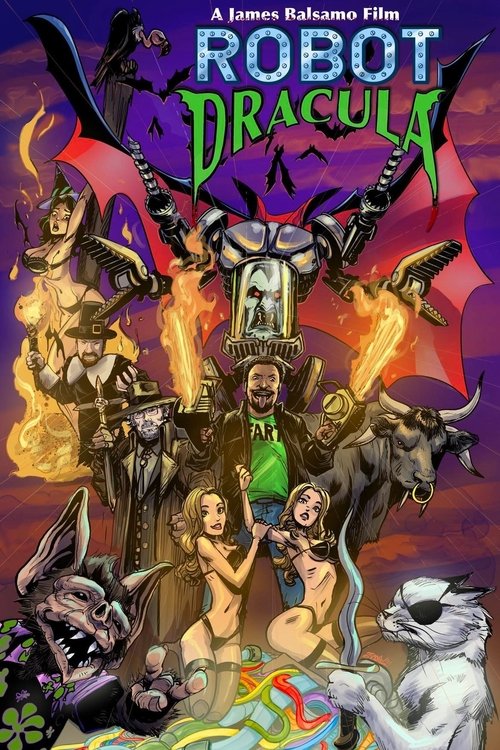
Robot Dracula
as Van Sellsing · 2026 · Not rated yet
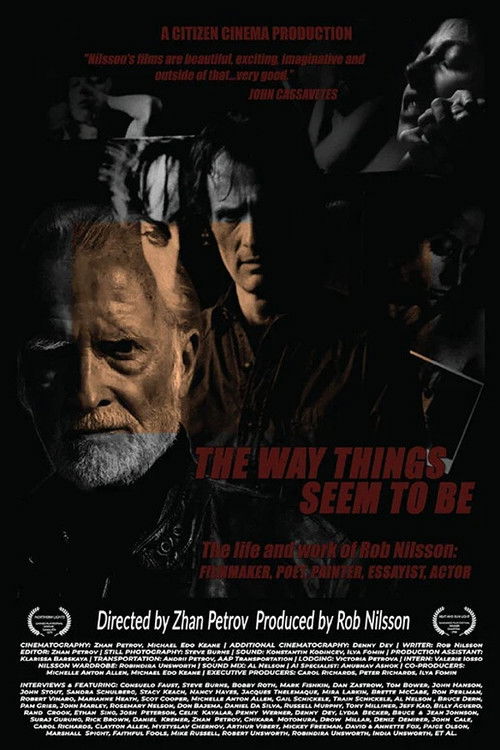
The Way Things Seem to Be
as Self · 2026 · Not rated yet
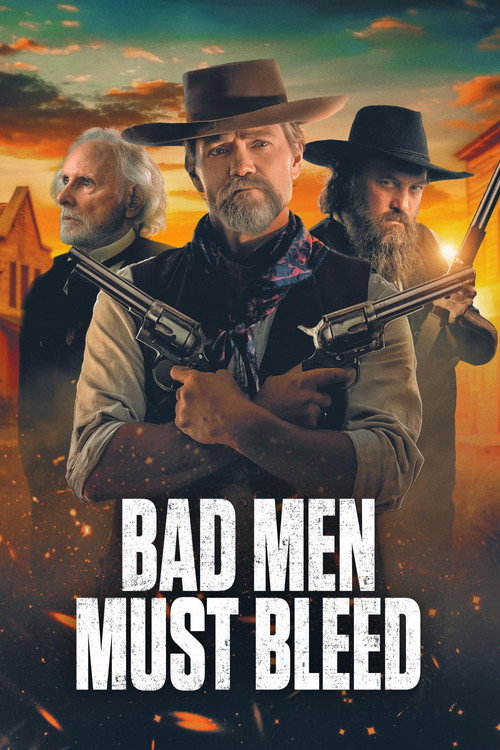
Bad Men Must Bleed
as George Wells · 2026 · Not rated yet
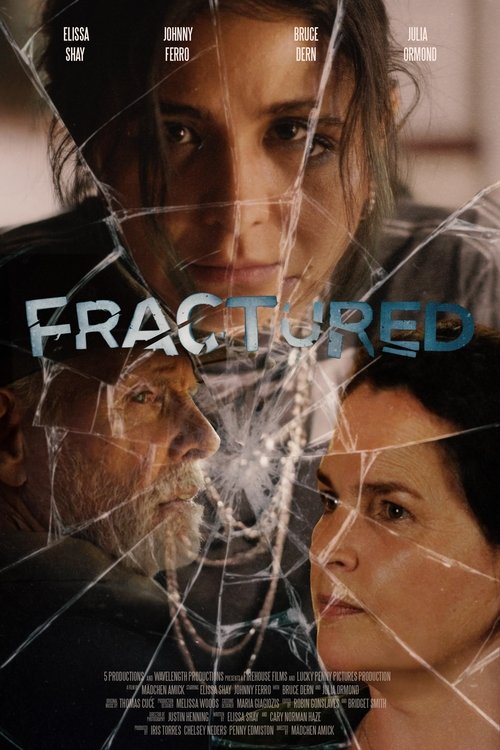
Fractured
as Papa Joe · 2025 · Not rated yet
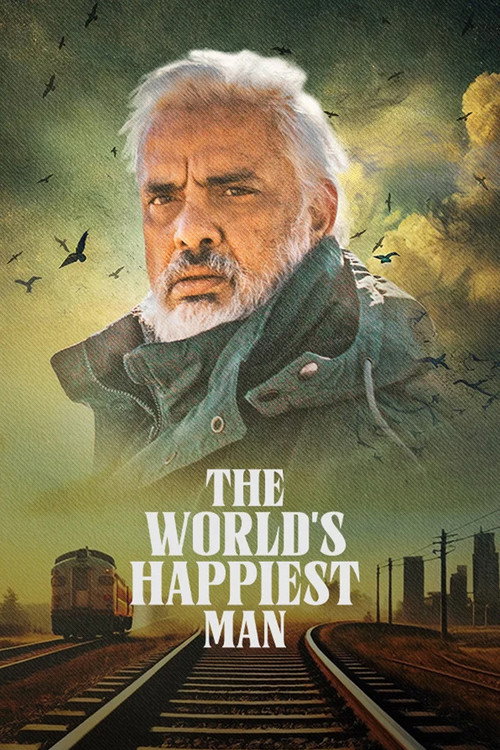
Bhuthan: The World’s Happiest Man
Actor · 2025 · Not rated yet
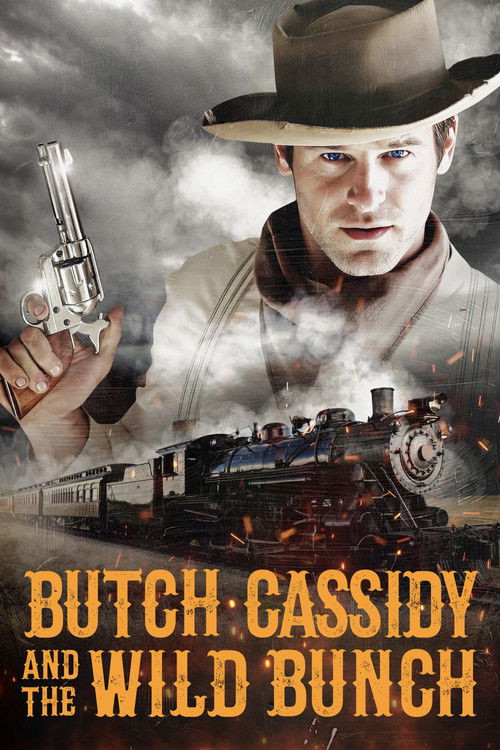
Butch Cassidy and the Wild Bunch
as Mike Cassidy · 2025 · Not rated yet
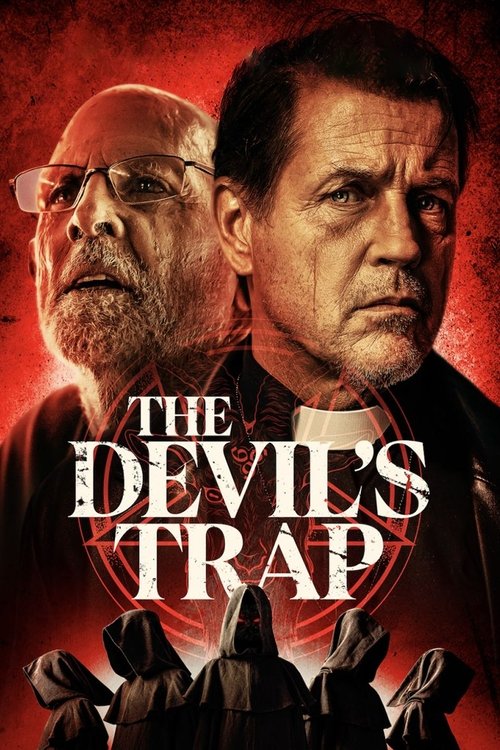
The Devil’s Trap
as Mr. Cohen · 2024 · Not rated yet
Community
Bruce Dern discussion
Community
Bruce Dern forum
Discuss Bruce Dern. By default, replies in a topic go to the original poster; use a message’s Reply button to reply to someone specific.
Sign in to post in the forum.
No forum topics yet. Start the conversation.





Most liked
Top comments