Acting
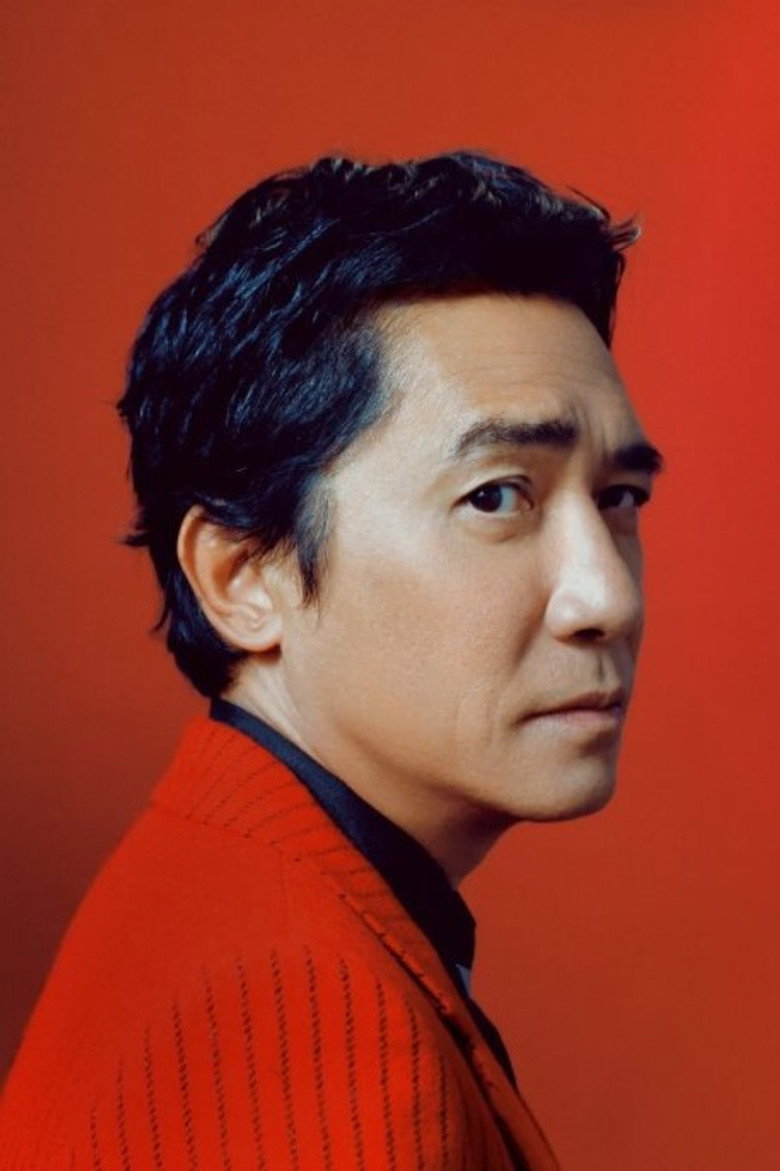
Tony Leung Chiu-wai is a Hong Kong actor and singer, widely regarded as one of the most important screen performers in modern Chinese-language cinema. Born in Hong Kong on June 27, 1962, he came to acting through television rather than film school. After joining TVB's actor-training system, he first became known to Hong Kong audiences as a young television personality and drama lead. In the 1980s he was grouped with Andy Lau, Felix Wong, Michael Miu and Kent Tong as one of TVB's popular "Five Tigers," a generation of leading men who helped define Hong Kong popular television.
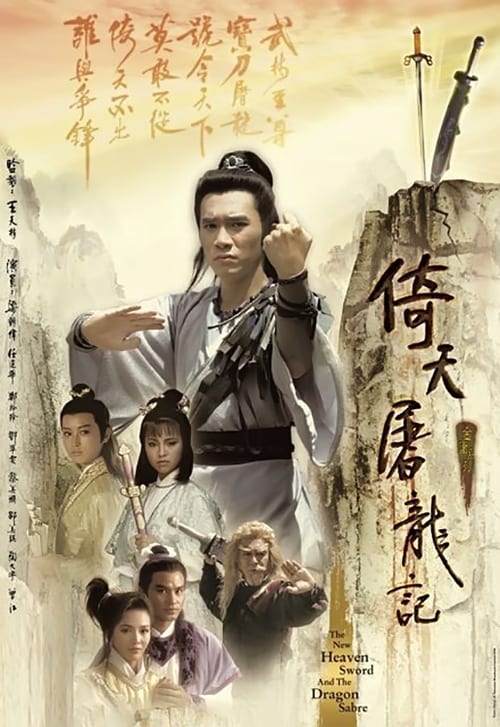
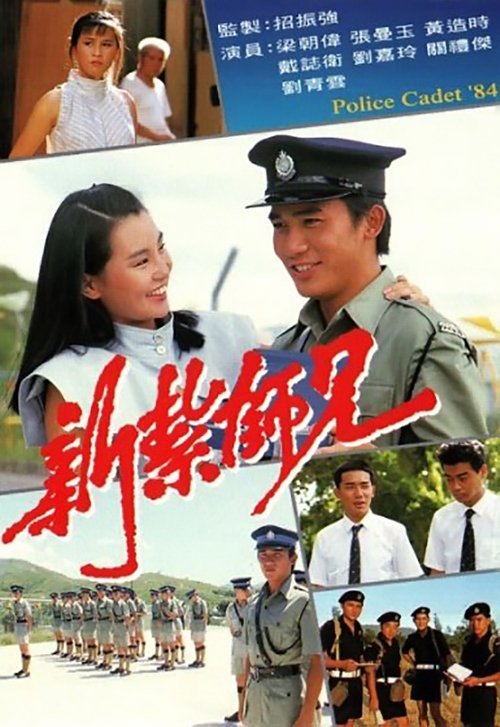
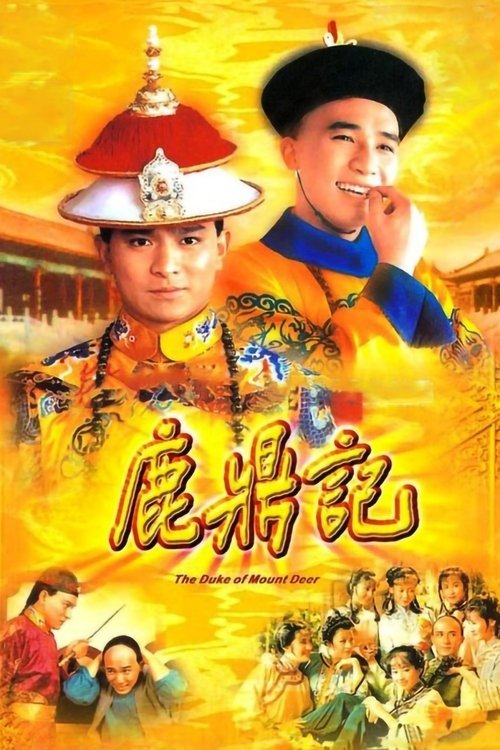
Leung's early television work included Police Cadet, The Duke of Mount Deer, New Heavenly Sword and Dragon Sabre and other period and contemporary dramas. The television years made him a familiar household name before his international reputation was formed in cinema. His transition to film coincided with one of the richest periods in Hong Kong filmmaking, when commercial genre cinema, art-house drama and transnational festival success overlapped. Leung's screen persona was unusually flexible: he could play romantic melancholy, comic softness, wounded masculinity, criminal ambiguity and stoic heroism without seeming to force a single star image onto every role.
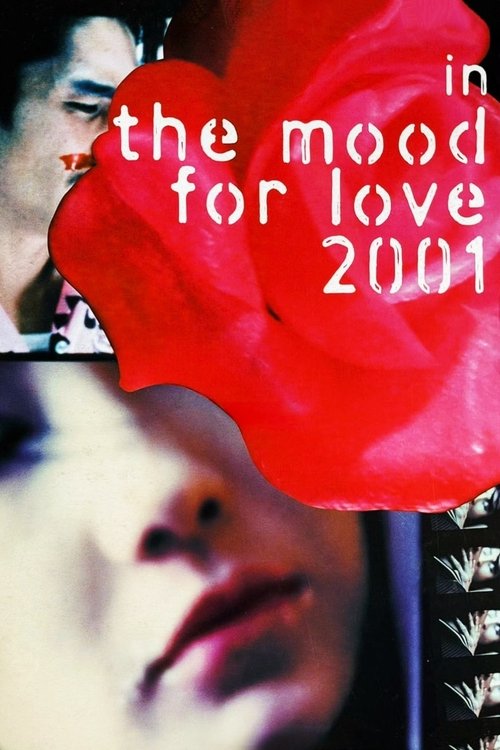
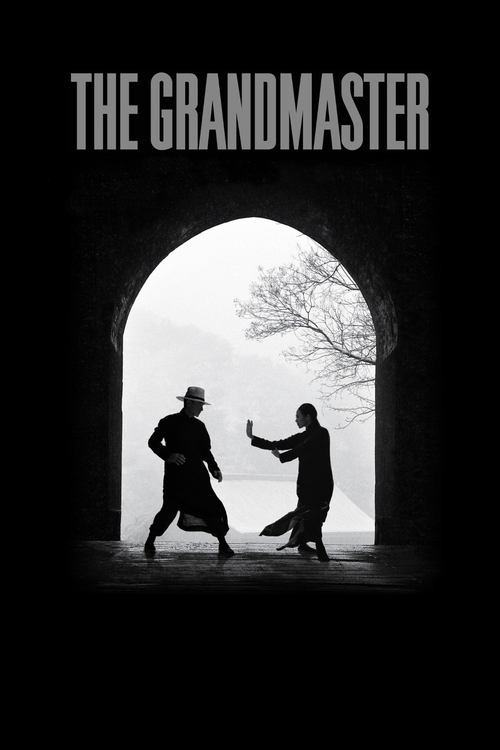
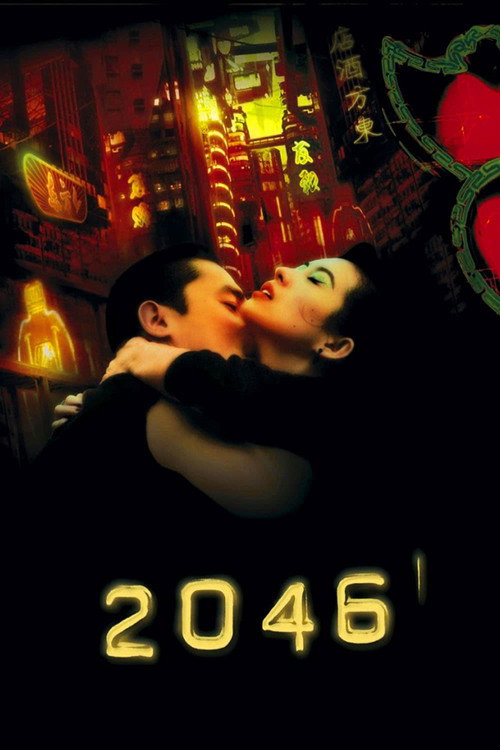
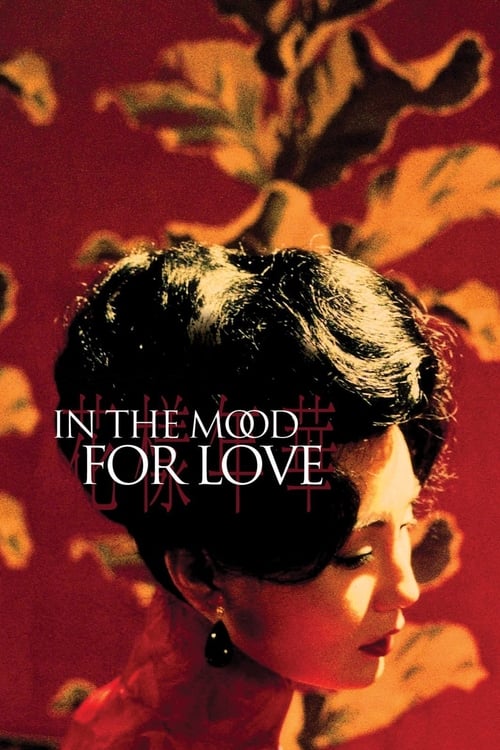
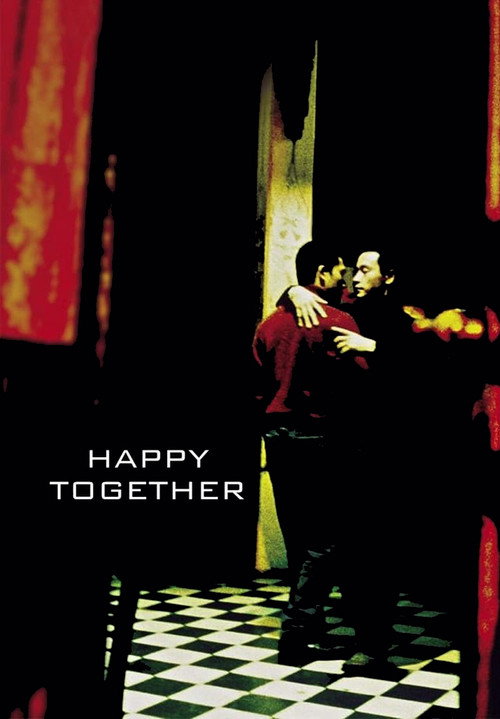
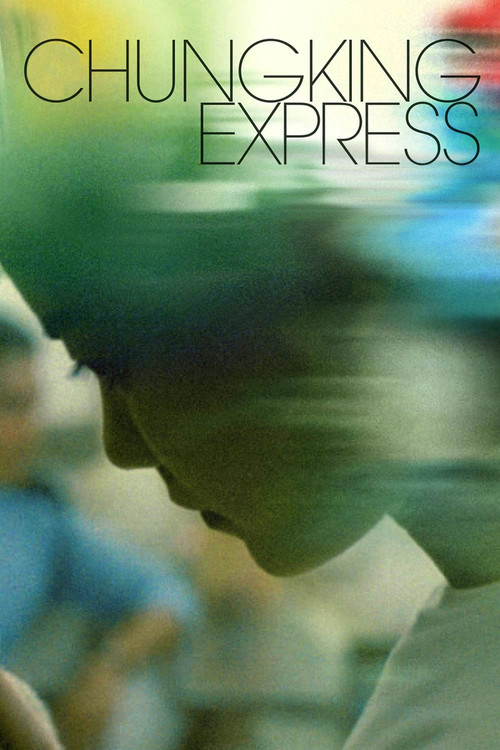
His collaborations with Wong Kar-wai became central to his international reputation. In Chungking Express, Leung played Cop 663, a lonely police officer whose romantic loss is rendered through small gestures and private rituals. In Happy Together, he gave a rawer performance opposite Leslie Cheung in a film about love, exile and emotional exhaustion. In In the Mood for Love, his Chow Mo-wan became one of the defining performances of turn-of-the-century world cinema: restrained, precise and full of feeling held just below the surface. Leung won the Cannes Film Festival Award for Best Actor for that film, an honor that helped consolidate his reputation far beyond Hong Kong. He returned to the role's emotional world in 2046 and later worked with Wong again on The Grandmaster, playing Ip Man in a more physical but still controlled register.

as Dr. Tony Wong · 2026 · Not rated yet
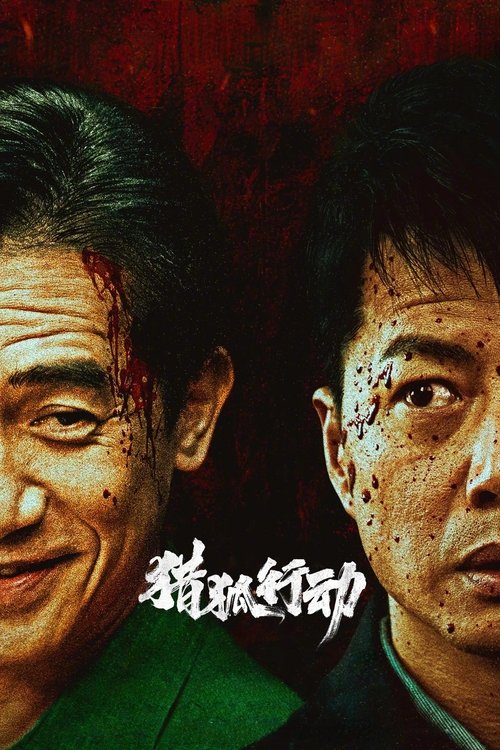
as Dai Yichen · 2025 · Not rated yet

as Chow Mo Wan · 2025 · Not rated yet

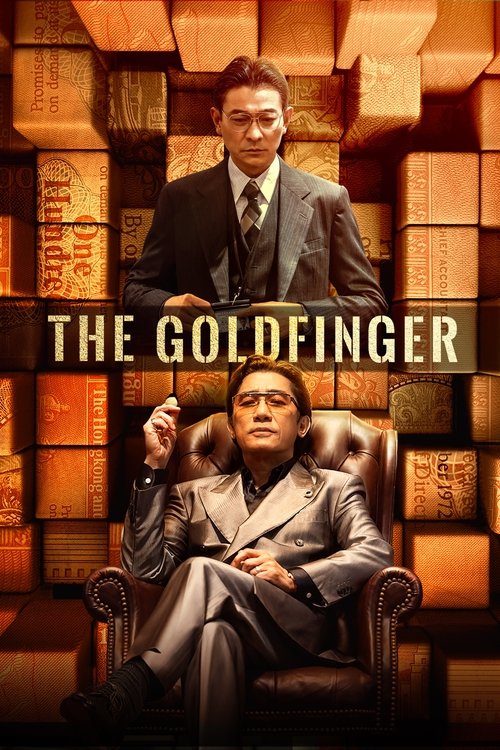
as Henry Cheng · 2023 · Not rated yet

Actor · 2023 · Not rated yet

as Aphrodite · 2023 · Not rated yet

as Self · 2023 · Not rated yet

as Nam Kong · 2023 · Not rated yet
Community
Community
Discuss Tony Leung Chiu-wai. By default, replies in a topic go to the original poster; use a message’s Reply button to reply to someone specific.
Sign in to post in the forum.
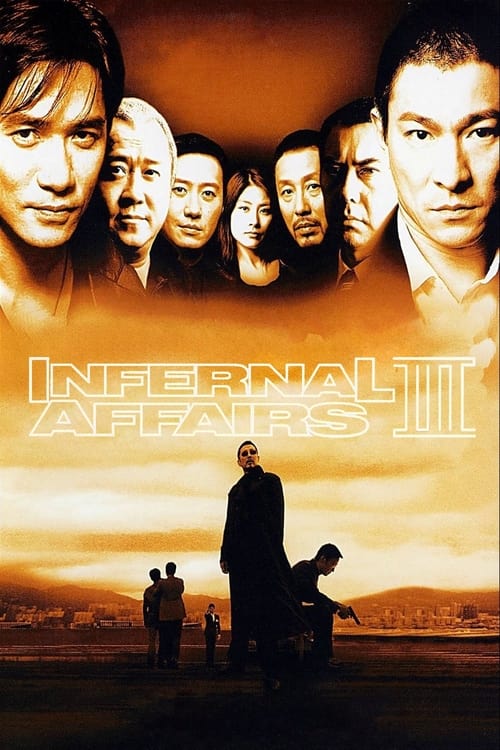
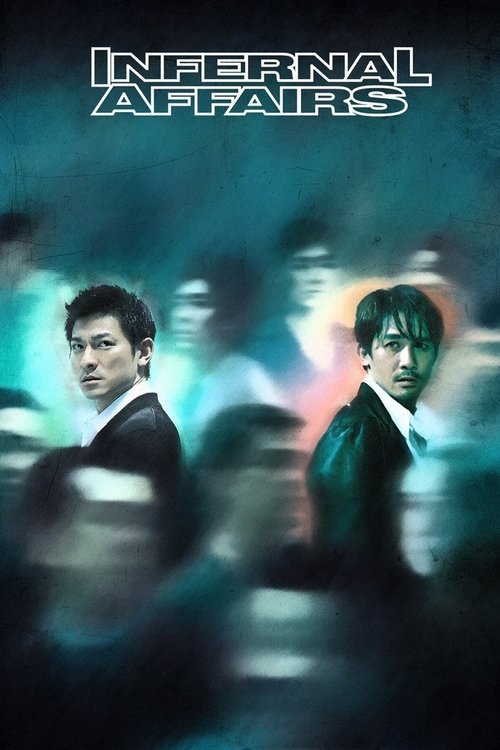
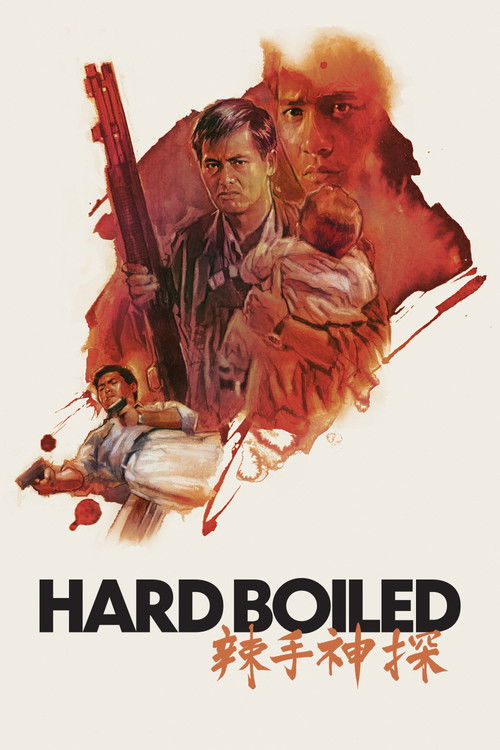
Leung also has a major place in Hong Kong action and crime cinema. In John Woo's Hard Boiled he played Alan, an undercover officer moving through a world of violence and divided loyalties. In Infernal Affairs he starred as Chan Wing-yan, a police mole embedded in the triads, opposite Andy Lau's criminal mole within the police. The film became a landmark of Hong Kong crime cinema and was later remade in the United States as The Departed. Leung's performance is central to the original film's tension because he communicates years of psychological strain without losing the character's professionalism.
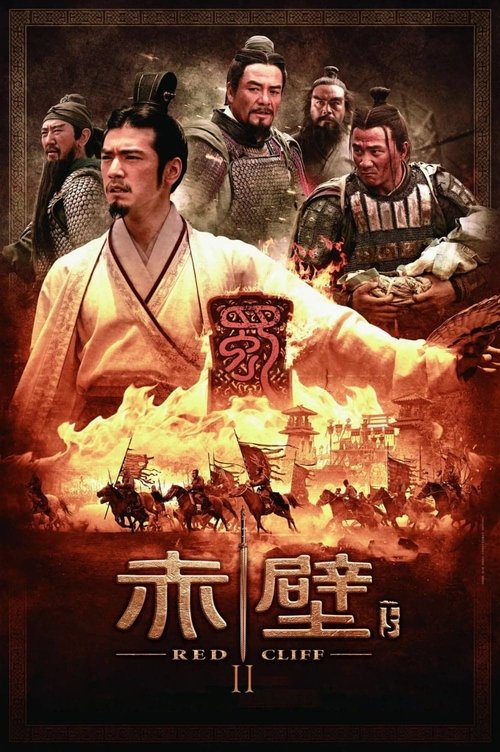
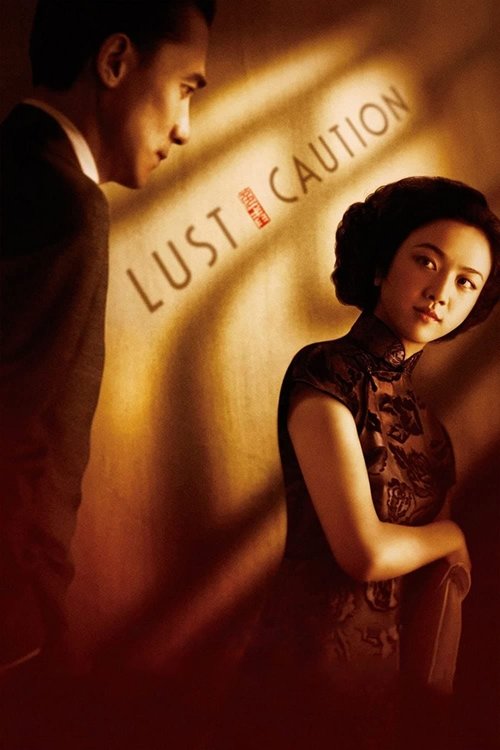
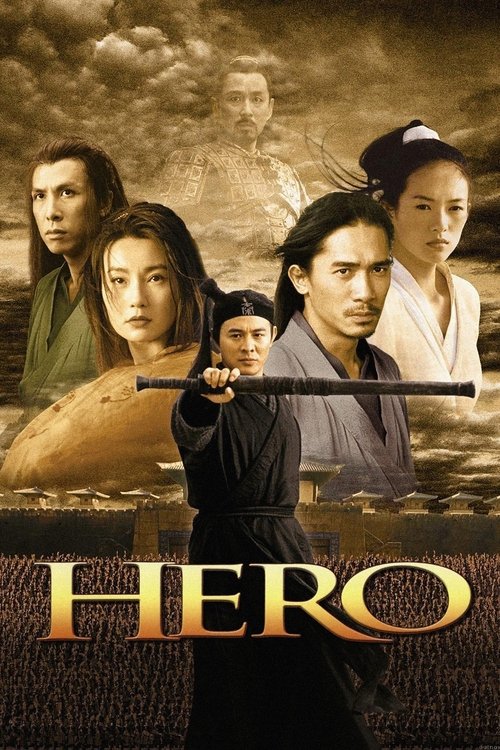
His work with other major Asian directors broadened that profile. In Ang Lee's Lust, Caution, he played Mr. Yee, a collaborationist intelligence official whose danger and vulnerability complicate the film's wartime espionage story. In Zhang Yimou's Hero, he played Broken Sword, a swordsman whose philosophical view of violence stands in contrast to more straightforward revenge narratives. In John Woo's Red Cliff films he played Zhou Yu, bringing a mix of dignity, strategy and calm authority to an epic historical role. These performances show Leung as both an intimate actor and a star capable of carrying large-scale productions.
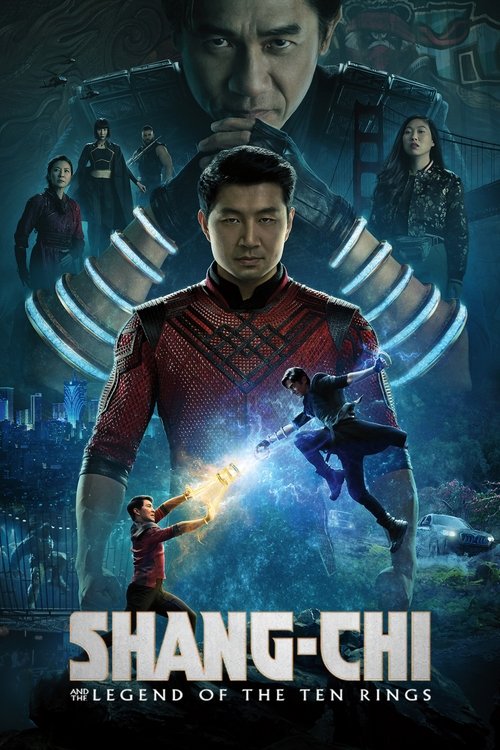
For many Western viewers, Leung gained a new level of mainstream visibility through Shang-Chi and the Legend of the Ten Rings, where he played Xu Wenwu. The role could have been a conventional comic-book villain, but Leung shaped Wenwu as a grieving, charismatic and dangerous father whose choices are rooted in love, loss and obsession. His presence gave the Marvel film an emotional center and introduced his work to audiences who might not yet have known his long Hong Kong and festival-cinema career.
Leung's awards history is extensive. He has won multiple Hong Kong Film Awards and Golden Horse Awards, and his Cannes Best Actor prize remains one of the most prominent international honors received by a Hong Kong actor. In 2023 he received the Golden Lion for Lifetime Achievement at the Venice Film Festival, recognizing a career that has helped carry Hong Kong cinema into global film culture.
Across four decades, Leung has built a body of work that resists easy summary. He is a television star, a Hong Kong film icon, an art-cinema collaborator, an action and crime performer, a historical-epic lead and a late-career participant in Hollywood franchise filmmaking. What unites those phases is a quiet intensity: Leung often acts through pauses, glances and controlled movement, making him one of cinema's great performers of interior life.
Part of Leung's importance lies in the way he connects different histories of Hong Kong cinema. He worked in the local television system that trained many stars of the 1980s; he became central to the urban, stylish, internationally celebrated cinema of the 1990s; and he remained relevant as Chinese-language film became increasingly transnational in the 2000s and 2010s. Unlike performers whose fame depends mainly on personality or spectacle, Leung's reputation is tied to craft. Directors often use his face as a dramatic landscape, trusting him to carry long stretches of uncertainty, regret or desire with very little dialogue.
That subtlety has made him especially valuable in films about divided identity. Undercover cops, exiled lovers, historical strategists and grieving fathers all recur in his filmography, and he tends to play them without melodramatic display. Even when the surrounding film is large or violent, Leung's characters often seem to be listening inwardly. This quality helps explain why his work travels well across cultures: viewers do not need to know every local reference in a film to understand the pressure contained in his performances.
References:
[1] Wikipedia, “Tony Leung Chiu-wai” — https://en.wikipedia.org/wiki/Tony_Leung_Chiu-wai
[2] The Movie Database, “Tony Leung Chiu-wai” — https://www.themoviedb.org/person/1337-tony-leung-chiu-wai
[3] Festival de Cannes, “In the Mood for Love” — https://www.festival-cannes.com/en/f/in-the-mood-for-love/
[4] Wikipedia, “Chungking Express” — https://en.wikipedia.org/wiki/Chungking_Express
[5] Wikipedia, “Happy Together (1997 film)” — https://en.wikipedia.org/wiki/Happy_Together_(1997_film)
[6] Wikipedia, “In the Mood for Love” — https://en.wikipedia.org/wiki/In_the_Mood_for_Love
[7] Wikipedia, “Infernal Affairs” — https://en.wikipedia.org/wiki/Infernal_Affairs
[8] Wikipedia, “Hard Boiled” — https://en.wikipedia.org/wiki/Hard_Boiled
[9] Wikipedia, “Lust, Caution” — https://en.wikipedia.org/wiki/Lust,_Caution
[10] Wikipedia, “Hero (2002 film)” — https://en.wikipedia.org/wiki/Hero_(2002_film)
[11] Wikipedia, “The Grandmaster (film)” — https://en.wikipedia.org/wiki/The_Grandmaster_(film)
[12] Wikipedia, “Shang-Chi and the Legend of the Ten Rings” — https://en.wikipedia.org/wiki/Shang-Chi_and_the_Legend_of_the_Ten_Rings

as Mr. He · 2023 · Not rated yet
Most liked
Top comments