Acting
No awards listed yet.
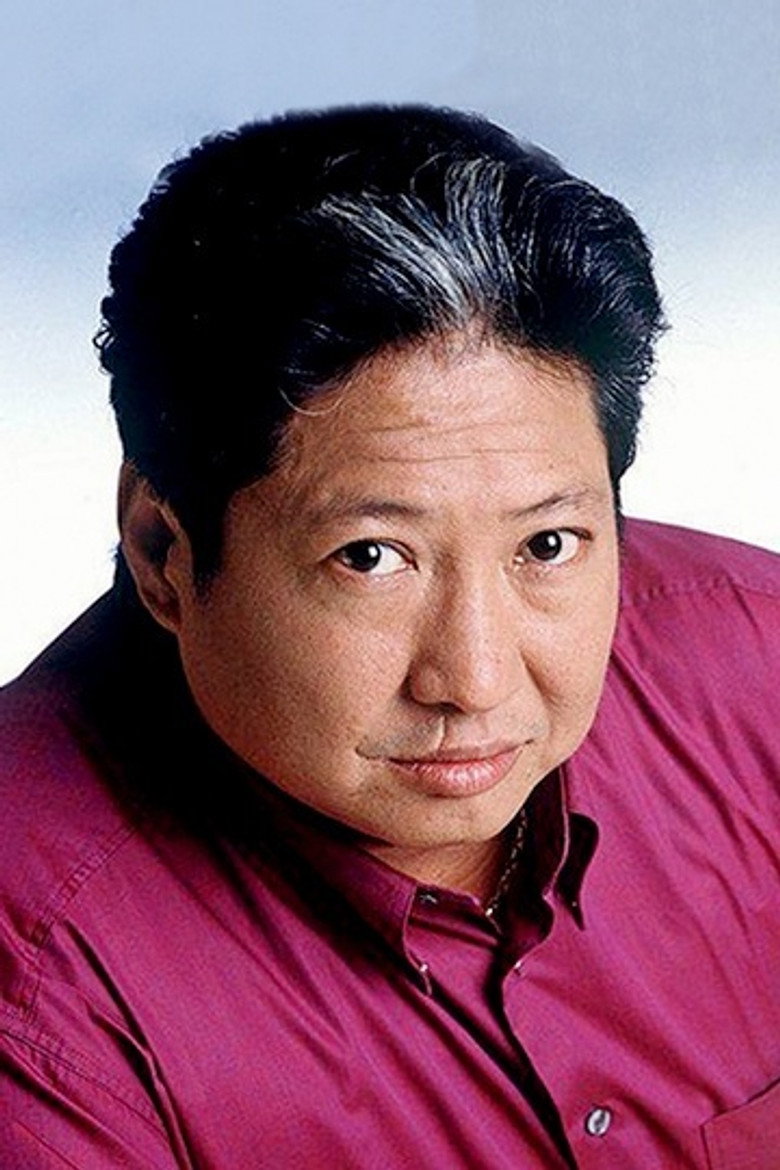
Sammo Hung Kam-bo is a Hong Kong actor, martial artist, action choreographer, director, producer, and one of the central figures in modern Hong Kong action cinema. Born Hung Kam-bo in British Hong Kong on January 7, 1952, he became known internationally as Sammo Hung and, within the Hong Kong film world, as an elder-brother figure whose influence extended beyond his own performances. His work helped shape the grammar of martial-arts comedy, ensemble action, stunt choreography, and the 1980s reinvention of Hong Kong popular cinema.
Hung came from a family connected to the film industry and entered training early. As a child he studied at the China Drama Academy, the Peking opera school run by Yu Jim-yuen. There he trained alongside performers who would become major stars, including Jackie Chan and Yuen Biao, as part of the group later known as the Seven Little Fortunes. The school was physically demanding and emphasized acrobatics, martial movement, discipline, timing, and performance skills that would become central to Hong Kong screen action.
Hung entered film as a child performer and stuntman before growing into choreography, acting, and directing. His body type made him stand out in a field often defined by lean athletic builds, but his speed, agility, and comic timing became part of his appeal. He could be imposing, playful, graceful, and explosive within the same sequence. That unusual combination helped him become not only a star performer but also a choreographer capable of designing action around personality rather than generic movement.

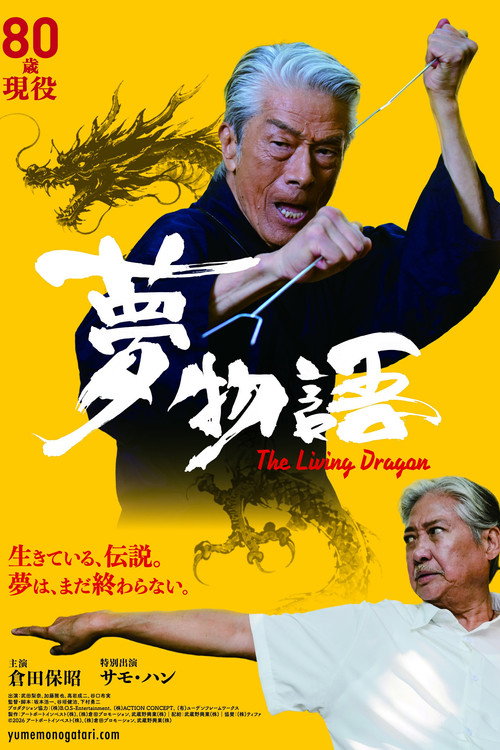
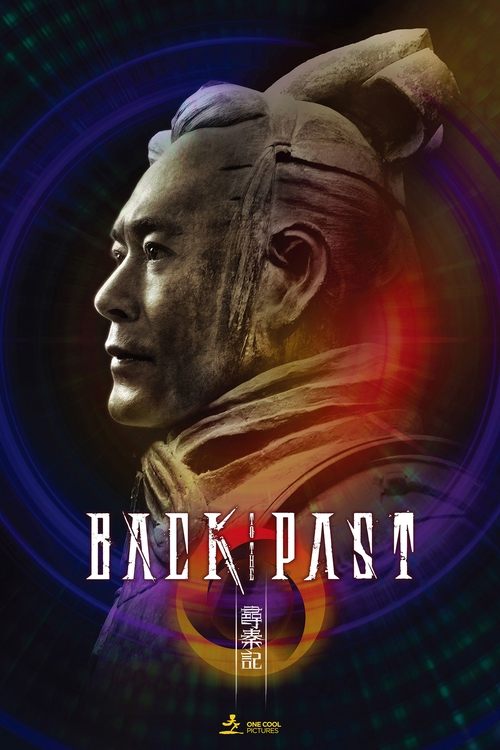
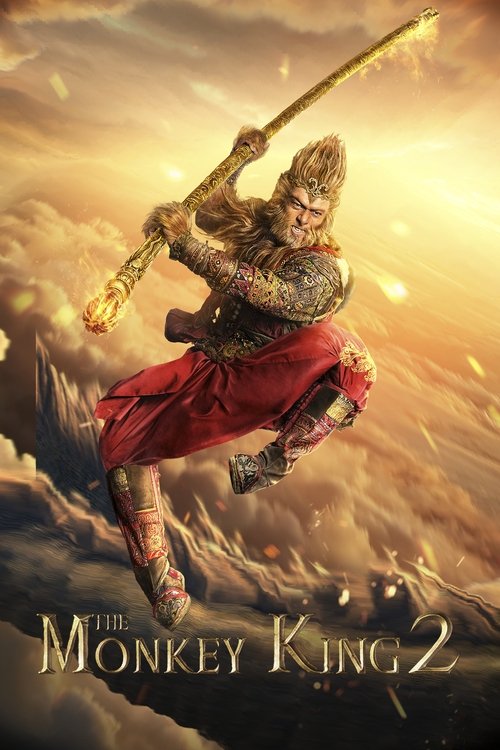
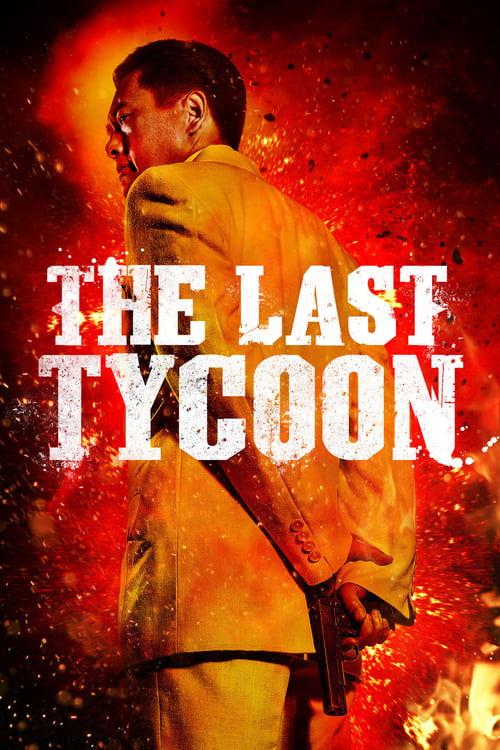
Actor · 2026 · Not rated yet

Actor · 2026 · Not rated yet

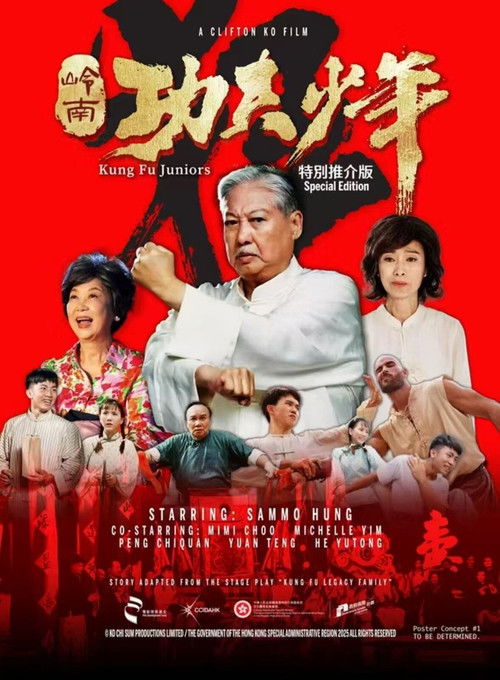
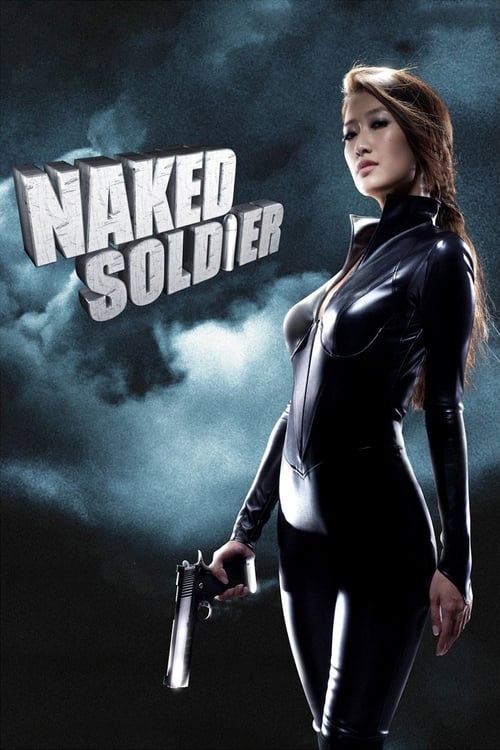
Action Director · 2025 · Not rated yet
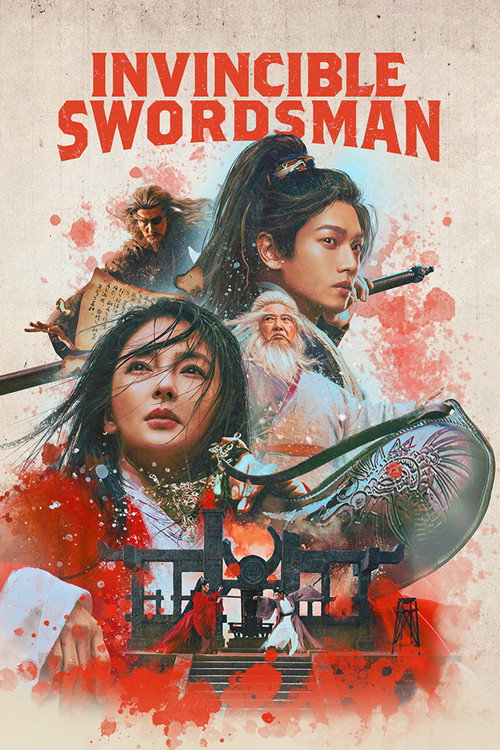
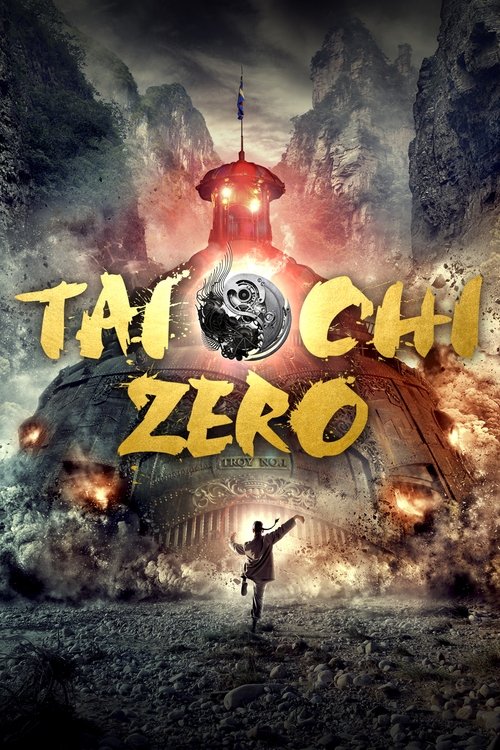
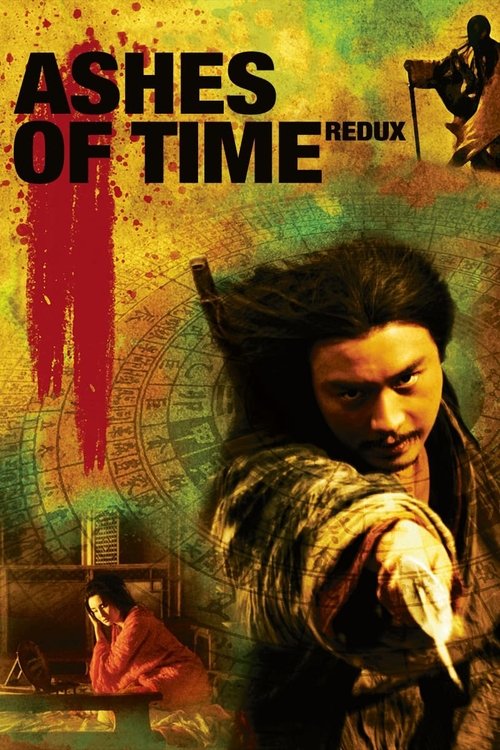
as Feng Qingyang · 2025 · Not rated yet
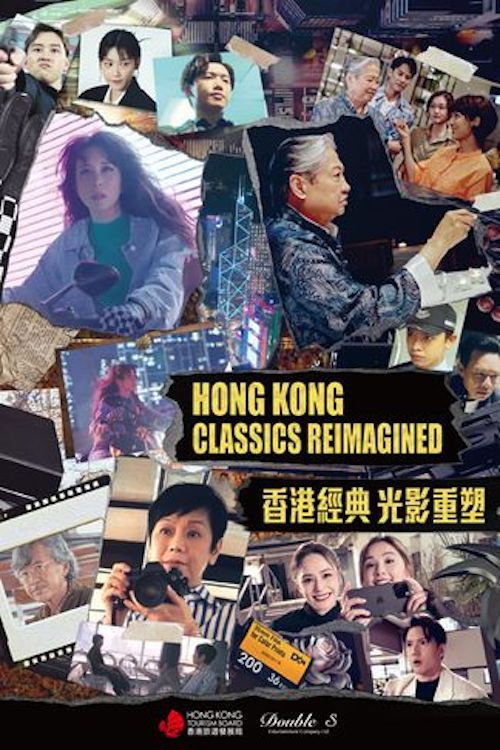
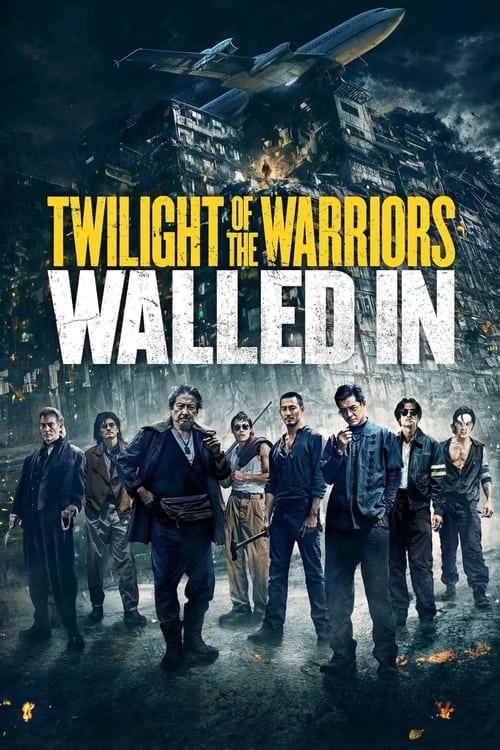
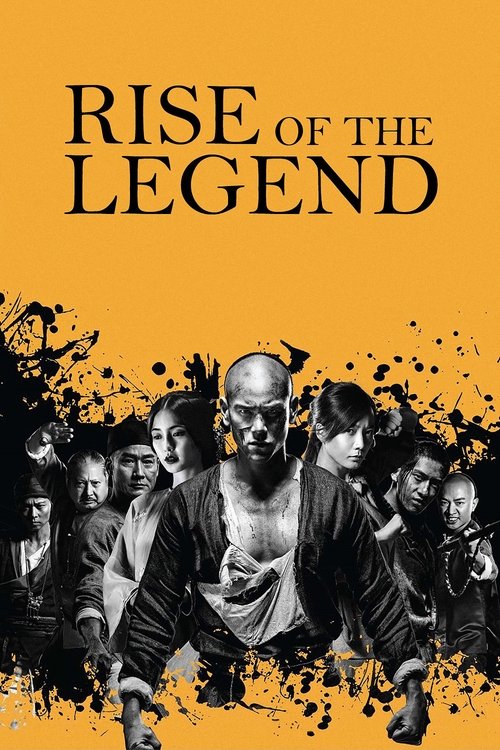
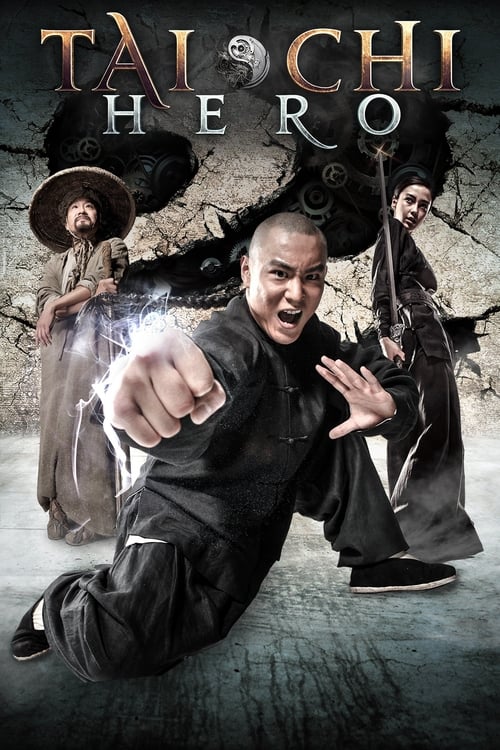
Actor · 2024 · Not rated yet

as Mr. Big · 2024 · Not rated yet

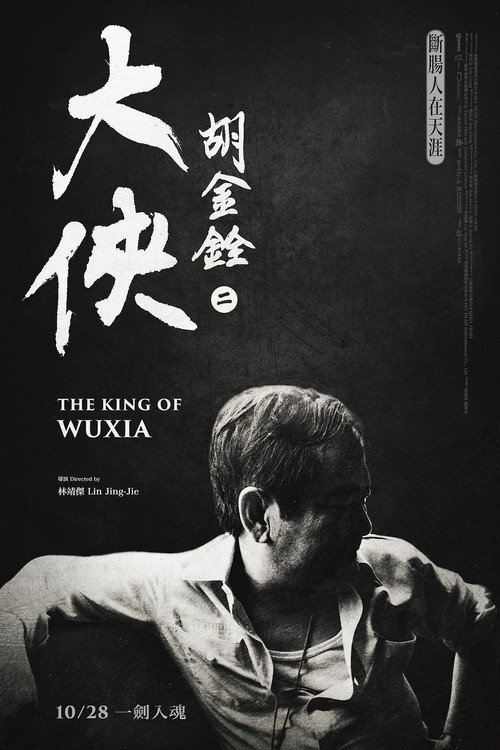
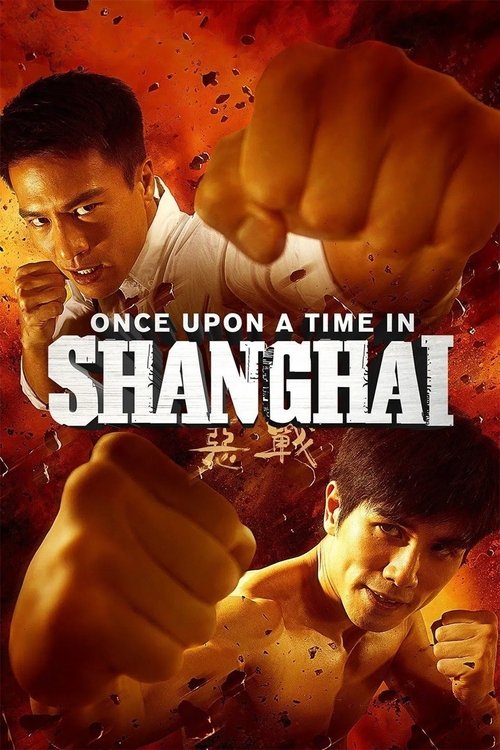
as Self · 2023 · Not rated yet

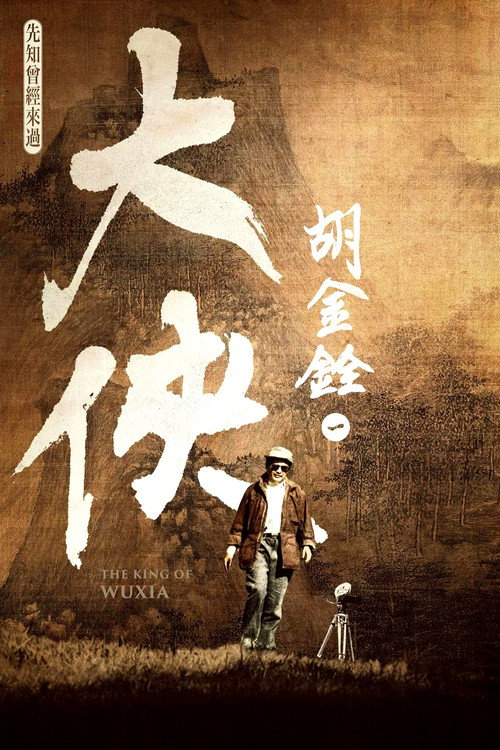
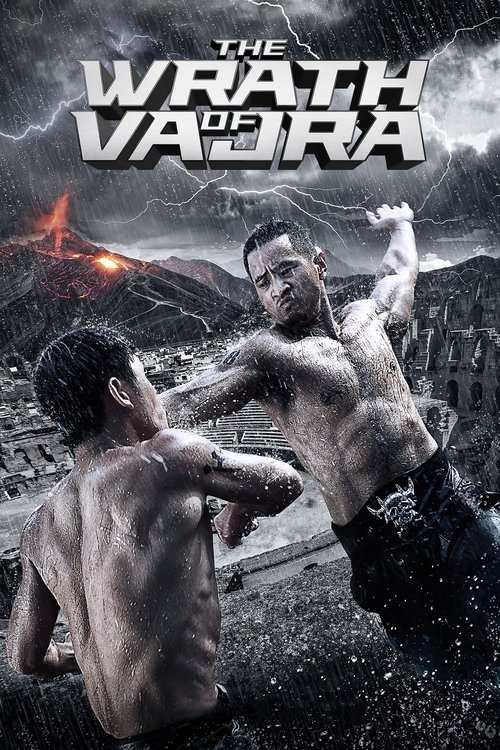
as Self · 2022 · Not rated yet
Community
Community
Discuss Sammo Hung Kam-Bo. By default, replies in a topic go to the original poster; use a message’s Reply button to reply to someone specific.
Sign in to post in the forum.
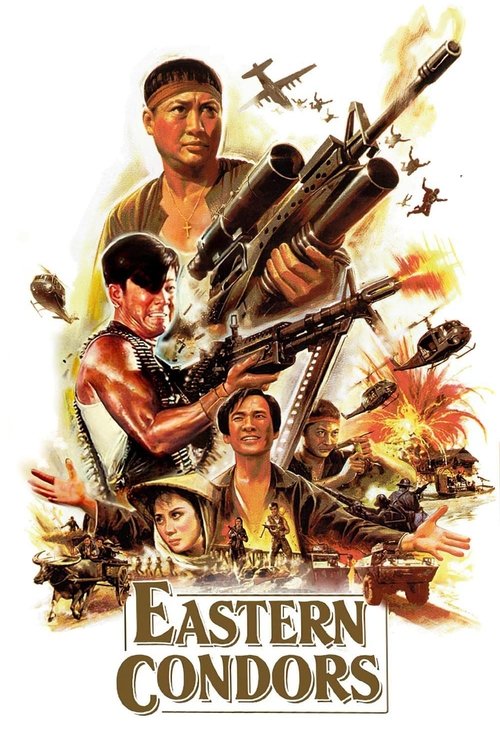
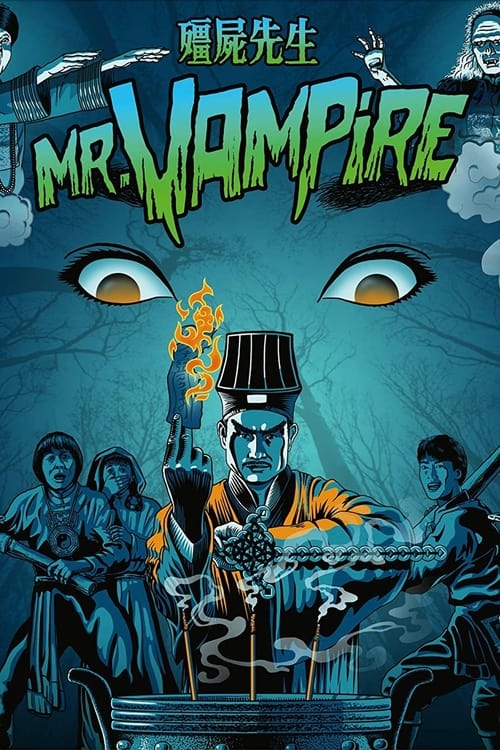
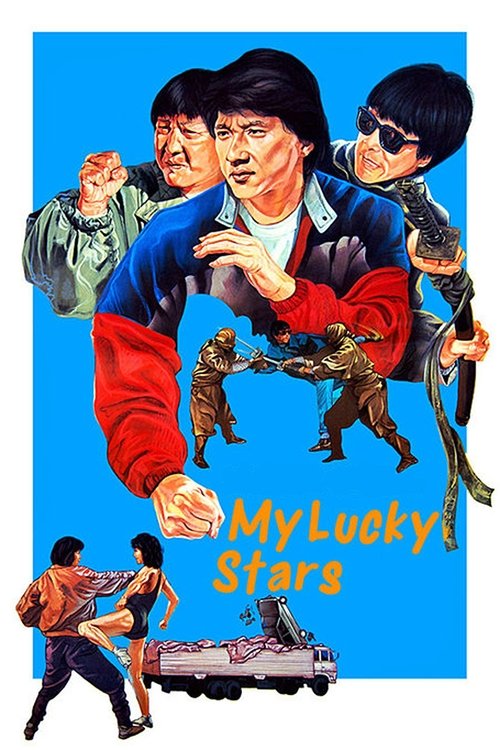
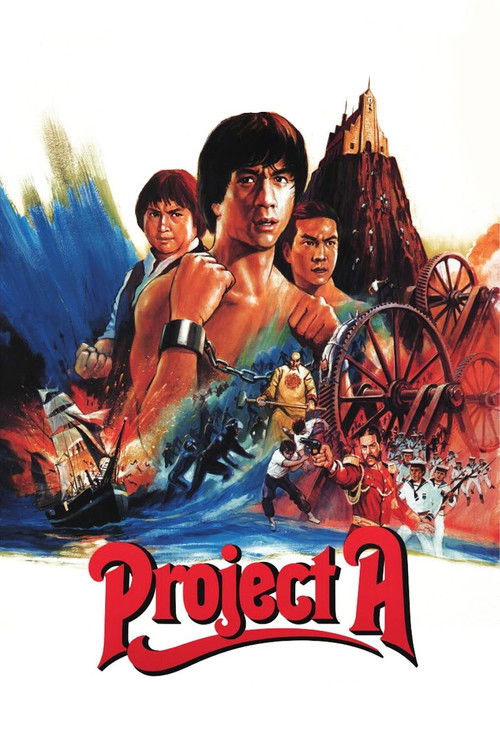
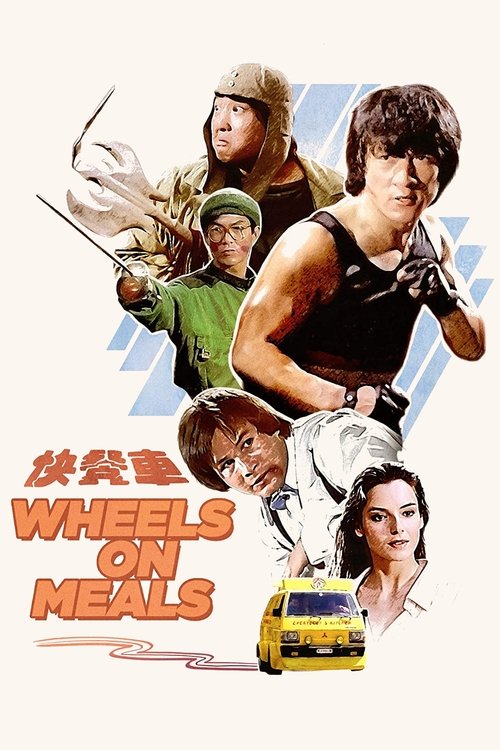
During the 1970s and 1980s Hung became a driving force in Hong Kong cinema. He worked as actor, director, fight choreographer, and producer, helping create films that mixed martial arts with comedy, contemporary crime, supernatural folklore, and ensemble camaraderie. Films such as The Prodigal Son, Encounters of the Spooky Kind, Winners and Sinners, Wheels on Meals, and Eastern Condors show different sides of his filmmaking: traditional kung fu craft, jiangshi and supernatural comedy, urban action, and military adventure. His collaborations and friendly rivalry with Jackie Chan and Yuen Biao became a defining part of the era.
Hung is also associated with the rise of the "kung fu brothers" model of Hong Kong action stardom. His nickname "Dai Goh Dai," often translated as "Big Big Brother," reflected his seniority and stature in the industry. He helped provide opportunities for other performers, choreographers, and stunt workers, and he was credited with assisting younger or less established colleagues through casting, production roles, and crew work. His influence therefore lies not only in his own filmography but in the careers and action styles he helped make possible.
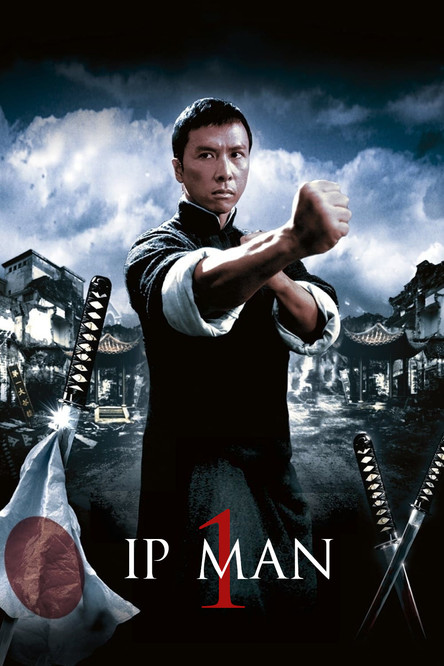
As an actor, Hung received major recognition for roles including Painted Faces, a drama inspired by the Peking opera training world that shaped him. As an action choreographer, he earned Hong Kong Film Awards and Golden Horse recognition for work including Ip Man and Ip Man 2. Those later films introduced his choreography to new international audiences and showed that his influence extended well beyond the golden age of 1980s Hong Kong action.
Hung has remained active across decades, appearing in, directing, or choreographing films in Hong Kong and beyond. He has worked in martial-arts comedy, historical action, crime films, fantasy, and prestige martial-arts dramas. In 2024 the Hong Kong Film Awards honored him with a lifetime achievement award, a fitting recognition for a career that helped define how Hong Kong action looks and moves.
Sammo Hung's importance is difficult to separate from the history of Hong Kong cinema itself. He bridged opera-school discipline and modern film grammar; he combined comedy with hard-hitting action; and he helped turn stunt work and fight choreography into expressive storytelling. For audiences around the world, his name signals both joyful physical comedy and elite action craft.
References:
[1] Wikipedia, “Sammo Hung” — https://en.wikipedia.org/wiki/Sammo_Hung
[2] The Movie Database, “Sammo Hung” — https://www.themoviedb.org/person/62410-sammo-hung
[3] Hong Kong Film Awards, “Sammo Hung” — https://www.hkfaa.com/
[4] Wikipedia, “Seven Little Fortunes” — https://en.wikipedia.org/wiki/Seven_Little_Fortunes
[5] Wikipedia, “China Drama Academy” — https://en.wikipedia.org/wiki/China_Drama_Academy
[6] Wikipedia, “The Prodigal Son” — https://en.wikipedia.org/wiki/The_Prodigal_Son_(1981_film)
[7] Wikipedia, “Encounters of the Spooky Kind” — https://en.wikipedia.org/wiki/Encounters_of_the_Spooky_Kind
[8] Wikipedia, “Wheels on Meals” — https://en.wikipedia.org/wiki/Wheels_on_Meals
[9] Wikipedia, “Eastern Condors” — https://en.wikipedia.org/wiki/Eastern_Condors
[10] Wikipedia, “Ip Man” — https://en.wikipedia.org/wiki/Ip_Man_(film)

as Self · 2022 · Not rated yet
Most liked
Top comments