Directing
No awards listed yet.
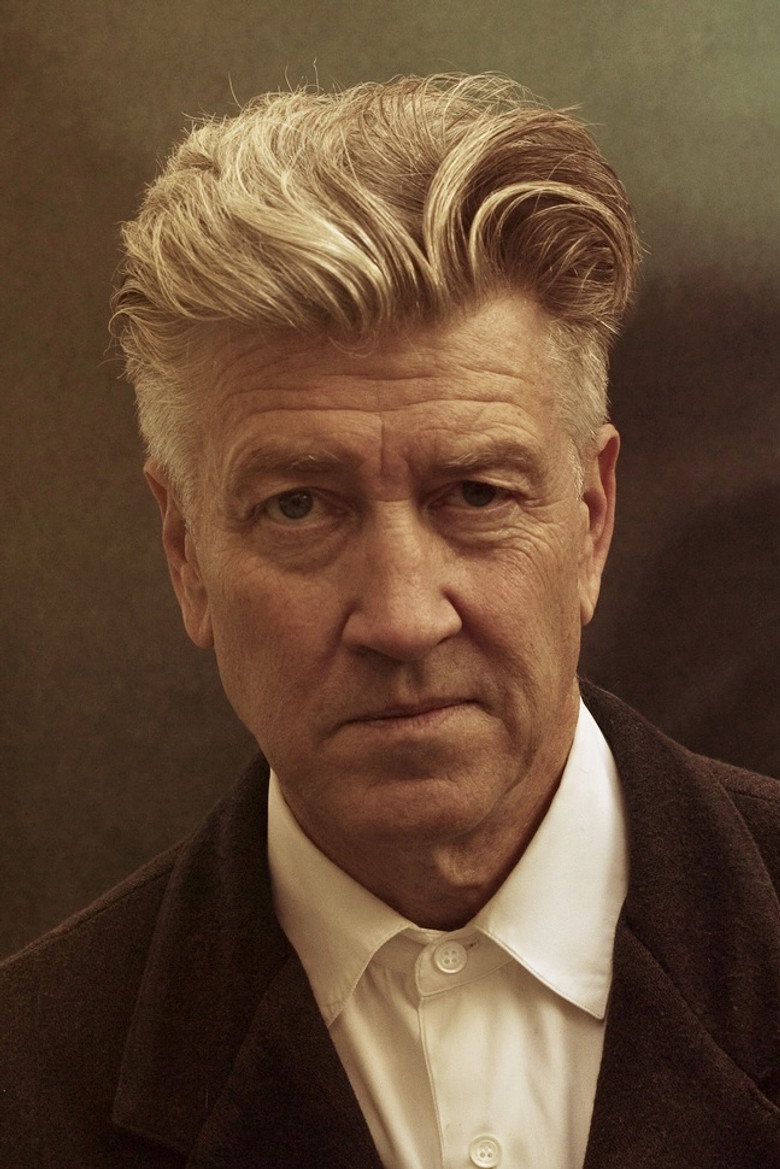
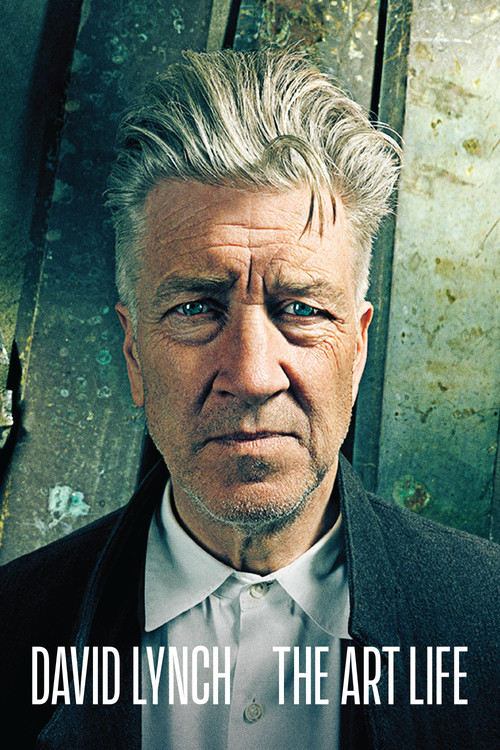
David Lynch was an American filmmaker, visual artist, musician, and actor whose work reshaped modern ideas of screen surrealism. Born David Keith Lynch on January 20, 1946, in Missoula, Montana, he grew up in several American cities before studying art. He initially wanted to be a painter, and that background remained central to his cinema: his films often feel composed from texture, sound, color, architecture, and nightmare logic as much as from plot. Lynch died on January 16, 2025, leaving a body of work that made “Lynchian” a widely used adjective for eerie, dreamlike, funny, and unsettling storytelling.
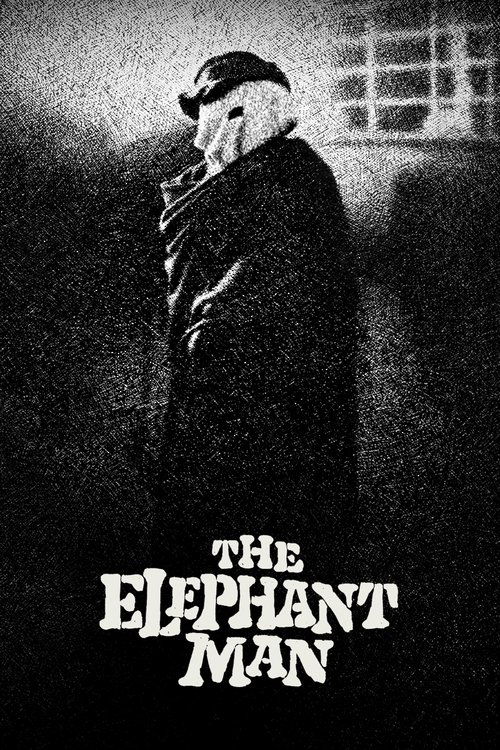
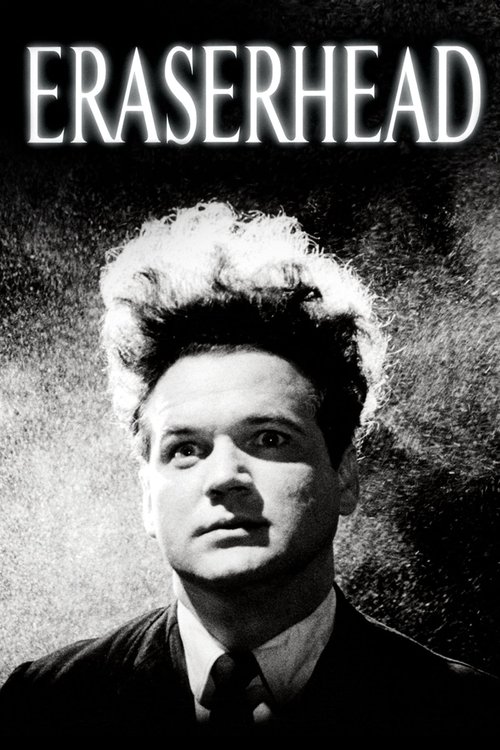
Lynch began with short films and then spent years making Eraserhead, his first feature. Released in 1977, the film became a midnight-movie landmark, combining industrial soundscapes, black-and-white imagery, body horror, deadpan comedy, and anxiety about parenthood. Its cult success led to The Elephant Man, a more classical biographical drama that earned major Academy Award nominations while still showing Lynch's fascination with outsiders, compassion, and grotesque public spectacle.
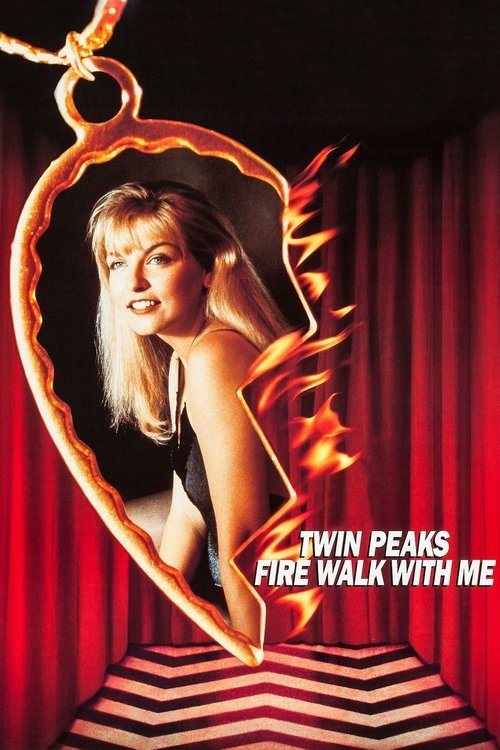
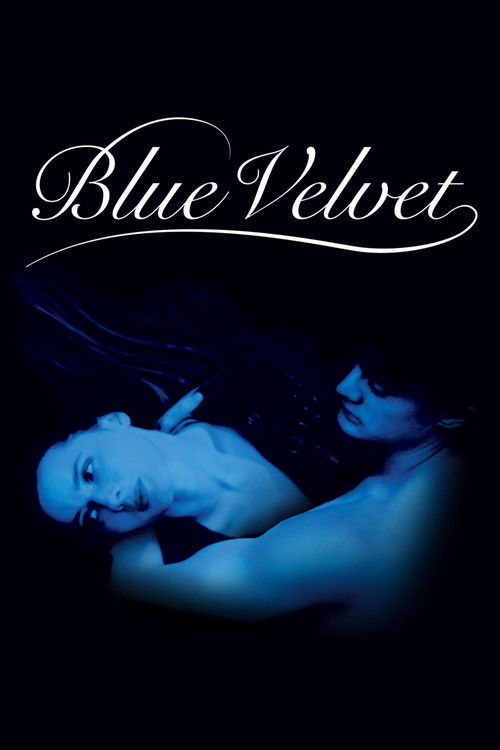
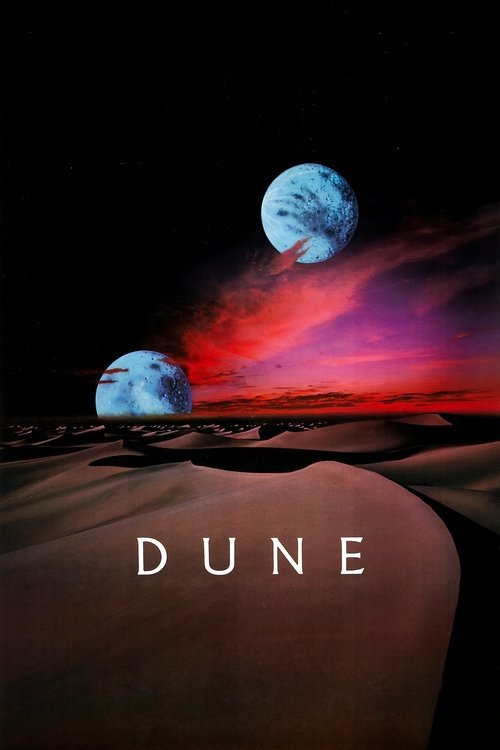
His 1980s work demonstrated both the risks and rewards of idiosyncratic authorship. Dune was a troubled studio science-fiction epic, but Blue Velvet became one of his defining films. Set beneath the surface of suburban America, Blue Velvet mixed innocence, brutality, erotic dread, and noir investigation in a way that made Lynch central to late twentieth-century American art cinema. Wild at Heart later won the Palme d'Or at Cannes, while Twin Peaks, created with Mark Frost, brought Lynch's sensibility to network television. Twin Peaks combined murder mystery, soap opera, comedy, supernatural horror, and small-town Americana, influencing serialized television for decades.

as Voice (Uncredited, Archive) · 2026 · Not rated yet
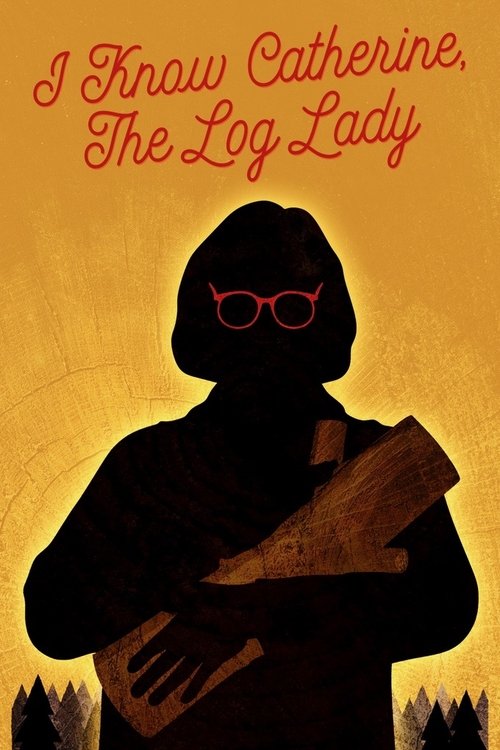
as Self · 2026 · Not rated yet

as Self (Archived Footage) · 2026 · Not rated yet
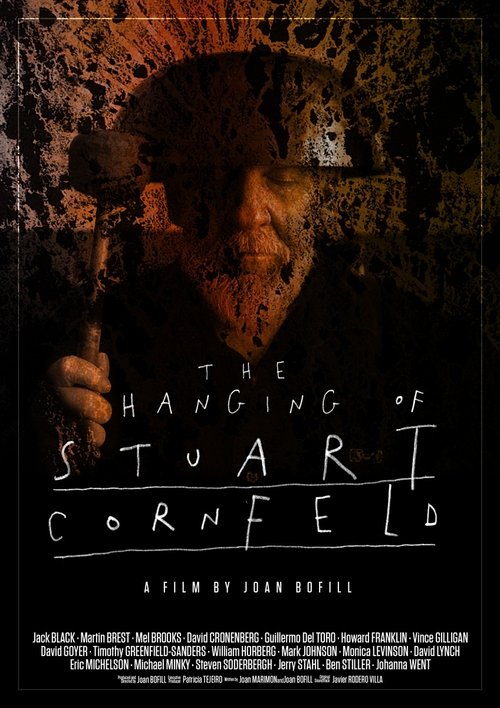
Actor · 2025 · Not rated yet

as Self · 2024 · Not rated yet

as Self (archival footage) · 2023 · Not rated yet
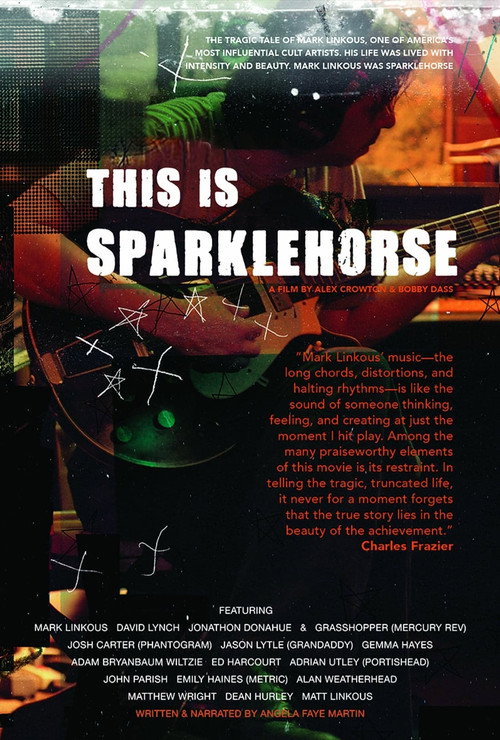
as Self · 2022 · Not rated yet

Executive Producer · 2022 · Not rated yet
Community
Community
Discuss David Lynch. By default, replies in a topic go to the original poster; use a message’s Reply button to reply to someone specific.
Sign in to post in the forum.
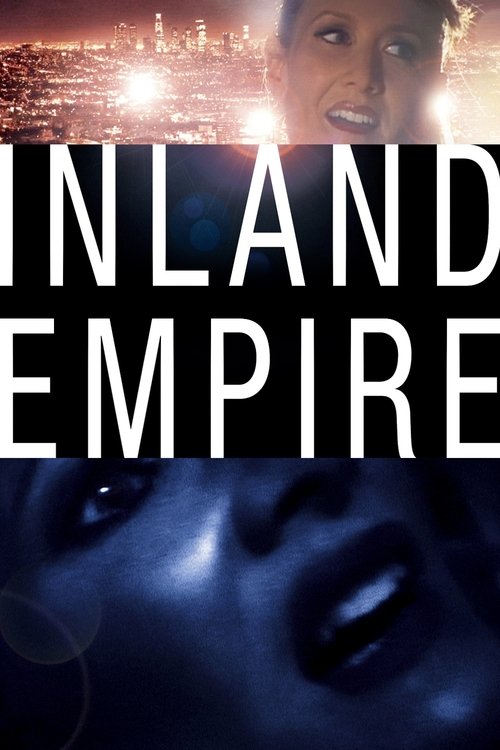
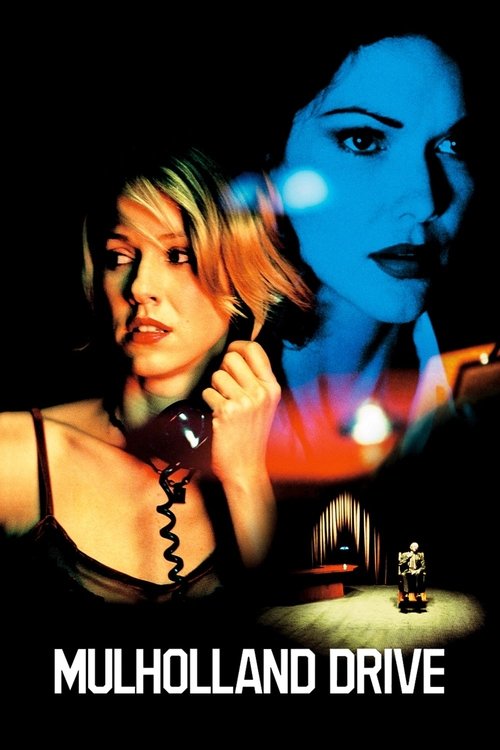
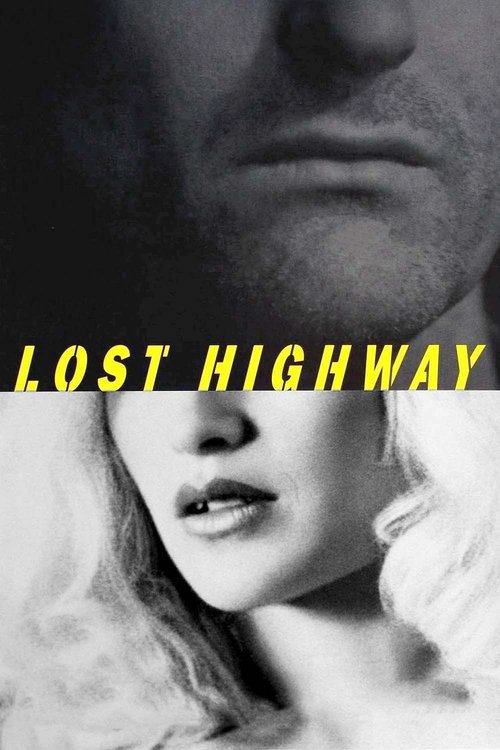
Lynch returned repeatedly to fractured identity, performance, and the darkness beneath Hollywood dreams. Lost Highway and Mulholland Drive are among his most discussed films, using doubled identities, unstable timelines, and noir structure to explore desire, guilt, fantasy, and failure. Mulholland Drive, originally connected to a television pilot, became one of his most acclaimed features and earned him another Academy Award nomination for directing. Inland Empire pushed even further into digital experimentation, collapsing performance, melodrama, and nightmare into a dense late-career work.
His creative life extended beyond directing. Lynch painted, designed furniture, made music, wrote, acted, produced web projects, and advocated publicly for Transcendental Meditation. On screen, he appeared as FBI agent Gordon Cole in Twin Peaks and later played John Ford in Steven Spielberg's The Fabelmans. His collaborators often included Kyle MacLachlan, Laura Dern, Naomi Watts, Angelo Badalamenti, and other artists attuned to his balance of sincerity and strangeness.
Lynch's influence is difficult to reduce to plot summaries because much of it lies in atmosphere: red curtains, electrical hums, diners at night, small-town rituals, sudden violence, and moments of inexplicable grace. He made experimental ideas visible to mainstream audiences without fully explaining them away. His films and television works continue to matter because they trust dreams, fear, beauty, and intuition as serious ways of understanding human experience.
Sound was one of Lynch's most important tools. His movies do not simply use music as accompaniment; they build whole emotional spaces from drones, industrial noise, silence, torch songs, and the scores of Angelo Badalamenti. In Blue Velvet, Twin Peaks, Lost Highway, and Mulholland Drive, music often behaves like memory or fate, pulling characters toward feelings they do not fully understand. This attention to sound helped make his work instantly recognizable even when the imagery changed.
Lynch also had a distinctive relationship with American innocence. He was fascinated by coffee, diners, teenagers, detectives, curtains, lawns, movie stars, and small towns, but he rarely presented them as simple nostalgia. Instead, he placed sweetness and dread side by side. His work can be frightening, but it is not merely cynical: moments of kindness, love, performance, and spiritual yearning matter as much as corruption or violence. That combination is why his influence reaches beyond directors who imitate his weirdness. The deeper inheritance is his confidence that mystery can remain unresolved and still feel emotionally exact.
References:
[1] Wikipedia, “David Lynch” — https://en.wikipedia.org/wiki/David_Lynch
[2] TMDb, “David Lynch” — https://www.themoviedb.org/person/5602-david-lynch
[3] IMDb, “David Lynch” — https://www.imdb.com/name/nm0000186/
[4] Oscars, “David Lynch receives an Honorary Award” — https://www.oscars.org/governors-awards/david-lynch
[5] Cannes Film Festival, “Wild at Heart” — https://www.festival-cannes.com/en/f/wild-at-heart/
[6] The Criterion Collection, “Eraserhead” — https://www.criterion.com/films/28382-eraserhead
[7] The Criterion Collection, “Blue Velvet” — https://www.criterion.com/films/29144-blue-velvet
[8] The Criterion Collection, “Mulholland Dr.” — https://www.criterion.com/films/28050-mulholland-dr
[9] CBS, “Twin Peaks” — https://www.cbs.com/shows/twin-peaks/
[10] Encyclopaedia Britannica, “David Lynch” — https://www.britannica.com/biography/David-Lynch-American-director-and-screenwriter

Thanks · 2021 · Not rated yet
Most liked
Top comments