Acting
Kasumi Arimura is a Japanese actress whose screen career has moved between NHK morning dramas, mainstream studio films, romantic drama, animation voice work, and international streaming projects. Born in Itami, Hyogo Prefecture, on February 13, 1993, she entered the entertainment business as a teenager and became associated with the FLaMme agency. Her public profile grew quickly after she began appearing on television in 2010, and by the middle of the decade she had become one of the most recognizable actresses of her generation in Japan.
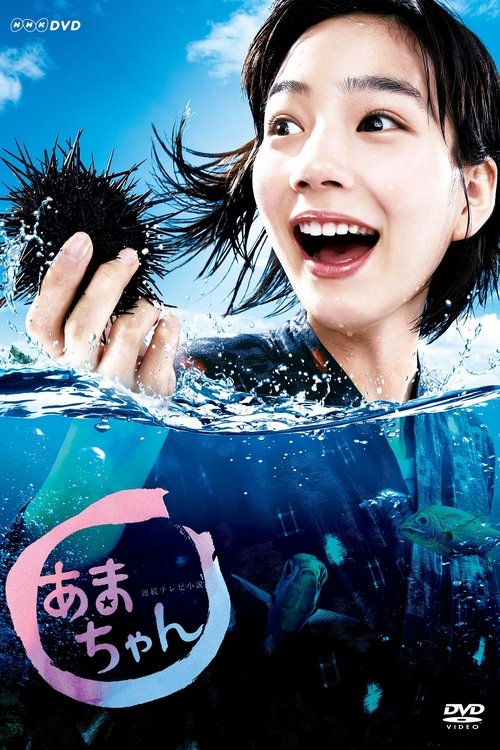
Arimura's early screen work included appearances in television dramas and youth-oriented films, but her national breakthrough came in 2013 with NHK's asadora Amachan. In that widely watched morning drama she played the young Haruko Amano, a role that introduced her to a broad audience and connected her career to one of the decade's major Japanese television phenomena. The part helped establish the combination that would define much of her subsequent work: a naturalistic screen presence, strong identification with contemporary young women, and an ability to work inside both light popular entertainment and more emotionally restrained drama.
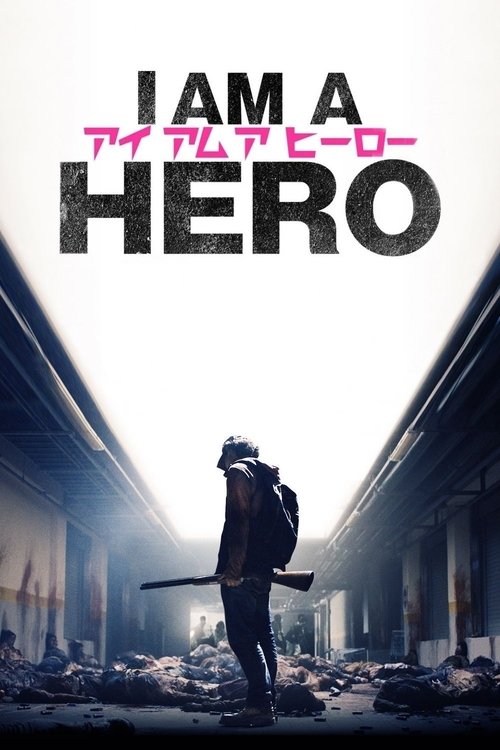
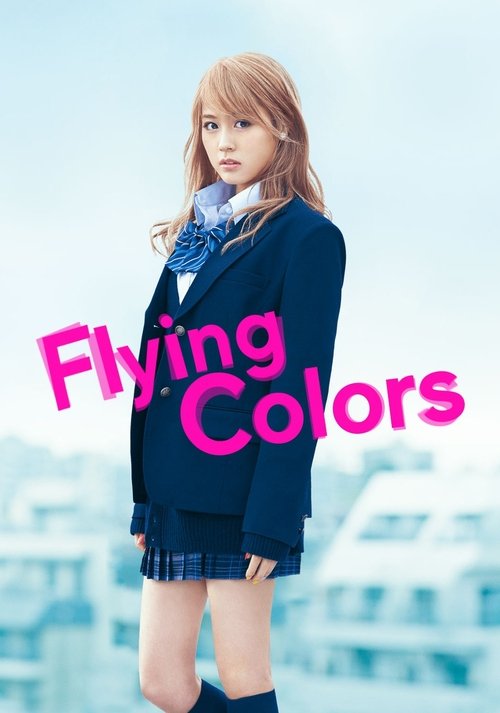
Film roles soon expanded her range. She appeared in titles such as Strobe Edge and I Am a Hero, and she took a major lead role in Flying Colors, the 2015 film about a struggling student who tries to gain university admission through intensive study. Flying Colors was a commercial success in Japan and brought Arimura major awards recognition, including Newcomer of the Year at the Japan Academy Film Prize. The film strengthened her position as a bankable lead actress and showed that she could carry a feature built around character growth rather than spectacle.

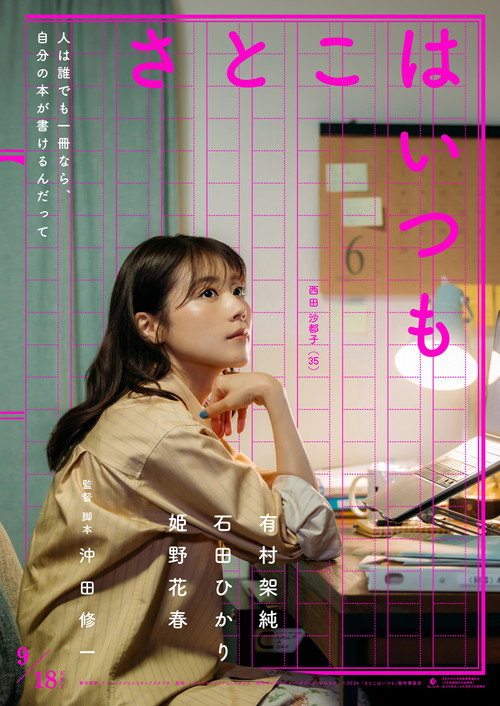
Actor · 2026 · Not rated yet

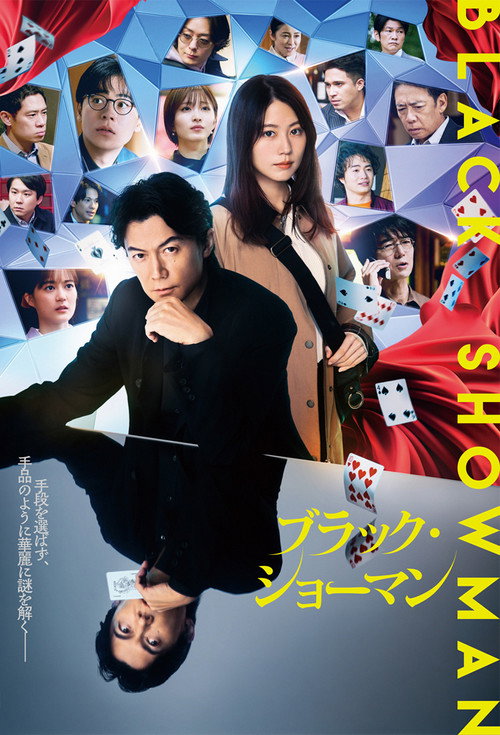
Actor · 2026 · Not rated yet

Actor · 2026 · Not rated yet

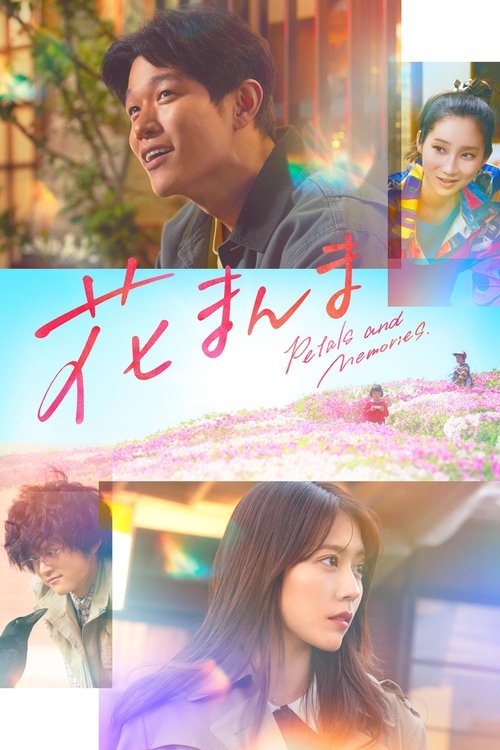
as Mayo Kamio · 2025 · Not rated yet

Actor · 2025 · Not rated yet

as Kato Fumiko · 2025 · Not rated yet
Actor · 2024 · Not rated yet

as Yamamoto Yuko · 2024 · Not rated yet
Community
Community
Discuss Kasumi Arimura. By default, replies in a topic go to the original poster; use a message’s Reply button to reply to someone specific.
Sign in to post in the forum.
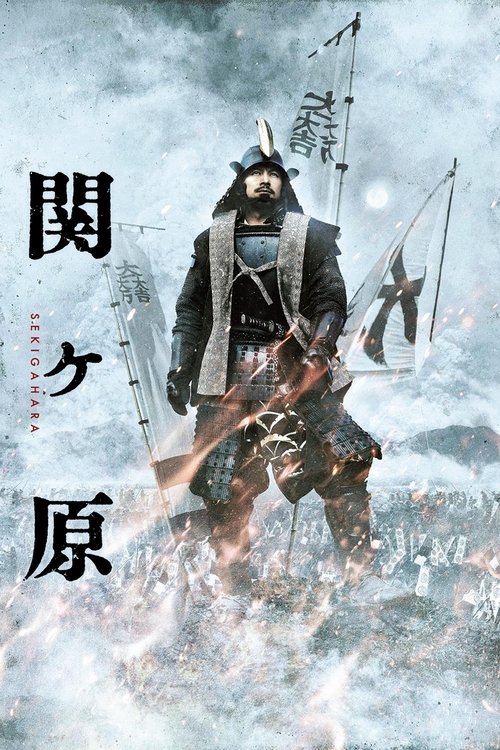
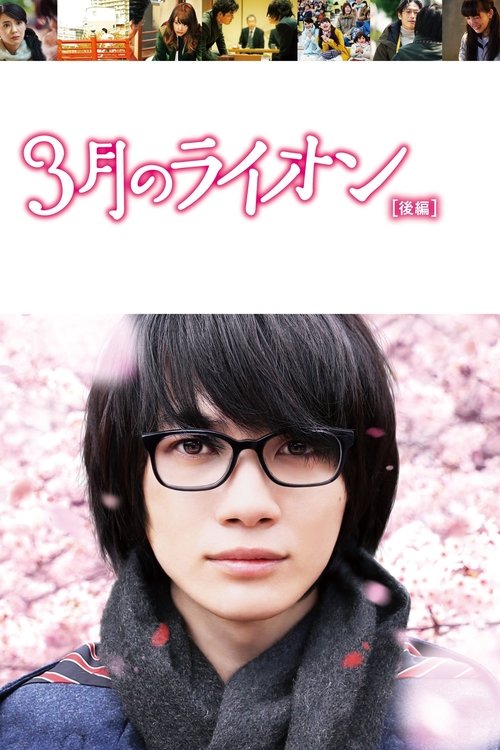
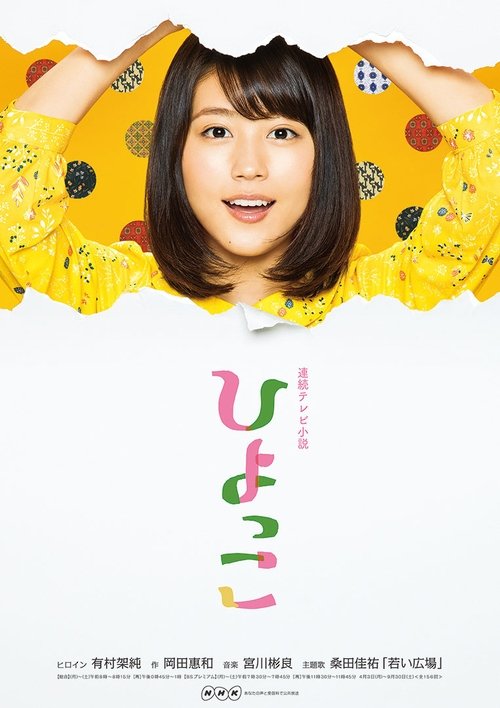
Arimura returned to the NHK asadora format in 2017 as the lead of Hiyokko, playing Mineko Yatabe, a young woman from rural Ibaraki who moves to Tokyo during the 1960s. The series reinforced her image as a performer suited to warm, grounded, period-inflected storytelling. Around the same period she continued to take varied film and television assignments, including the historical drama Sekigahara, the live-action March Comes in Like a Lion films, Cafe Funiculi Funicula, Narratage, and the drama Meet Me After School. Her work in these projects balanced commercial visibility with roles that asked for emotional reserve, vulnerability, or moral ambiguity.
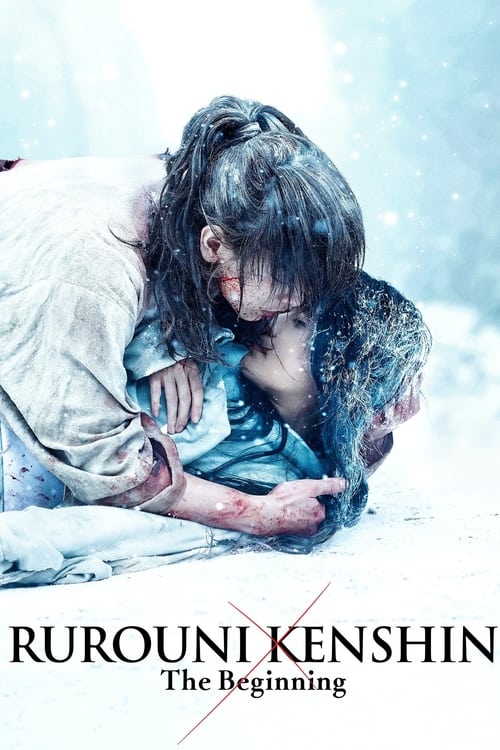
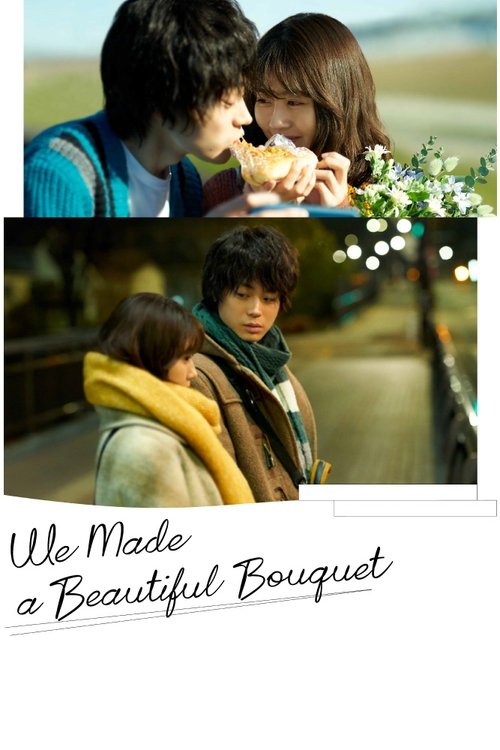
In 2021 Arimura had one of the most visible years of her career. She starred opposite Masaki Suda in We Made a Beautiful Bouquet, a romantic drama that became a major domestic box-office success and earned her the Japan Academy Film Prize for Best Actress. She also appeared as Tomoe Yukishiro in Rurouni Kenshin: The Final and Rurouni Kenshin: The Beginning, adding a major action-franchise credit to a filmography otherwise known largely for drama and romance. On television, Life's Punchline brought further recognition for supporting work in an ensemble story about young adults facing disappointment and transition.
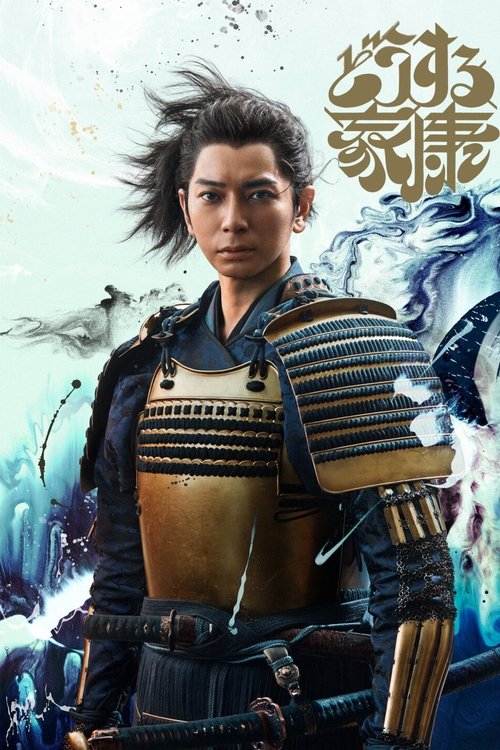
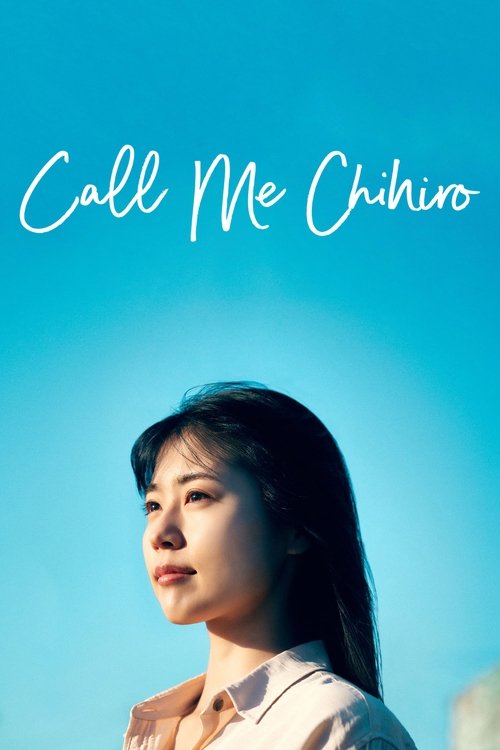
Her later projects have continued to mix Japanese theatrical releases, television dramas, and streaming work. She played the title character in Call Me Chihiro, a Netflix-distributed film adapted from Hiroyuki Yasuda's manga, and appeared in the NHK taiga drama What Will You Do, Ieyasu? She also starred in the Netflix drama Beyond Goodbye, which brought her work to a wider international streaming audience. Across these projects, Arimura's career has been marked less by a single franchise identity than by sustained trust from television producers and film directors looking for a lead who can make quiet emotional shifts legible on screen.
Arimura's public biography is relatively straightforward: she is known primarily through her performances rather than extensive publicity about her private life. Her filmography shows a performer who became famous young, successfully moved from supporting roles to national leads, and remained active in both prestige and popular formats. Her most prominent awards, including Japan Academy recognition for Flying Colors and We Made a Beautiful Bouquet, reflect a career built on approachable, emotionally centered performances in stories about youth, memory, family, work, and romantic loss.
References:
[1] FLaMme, “有村架純” — https://www.flamme.co.jp/actress/kasumi_arimura/
[2] Wikipedia, “Kasumi Arimura” — https://en.wikipedia.org/wiki/Kasumi_Arimura
[3] NHK, “Amachan” — https://www.nhk.jp/p/ts/XZ1LQNZ4VN/
[4] NHK, “Hiyokko” — https://www.nhk.jp/p/ts/1JM44J3JX9/
[5] Japan Academy Film Prize, “39th Japan Academy Film Prize” — https://www.japan-academy-prize.jp/prizes/39.html
[6] Japan Academy Film Prize, “45th Japan Academy Film Prize” — https://www.japan-academy-prize.jp/prizes/45.html
[7] The Movie Database, “Kasumi Arimura” — https://www.themoviedb.org/person/1039305-kasumi-arimura
[8] Netflix, “Call Me Chihiro” — https://www.netflix.com/title/81486886
[9] Netflix, “Beyond Goodbye” — https://www.netflix.com/title/81512203
[10] Studio Ghibli, “When Marnie Was There” — https://www.ghibli.jp/works/marnie/
as Chihiro · 2023 · Not rated yet
Most liked
Top comments