Acting
No awards listed yet.

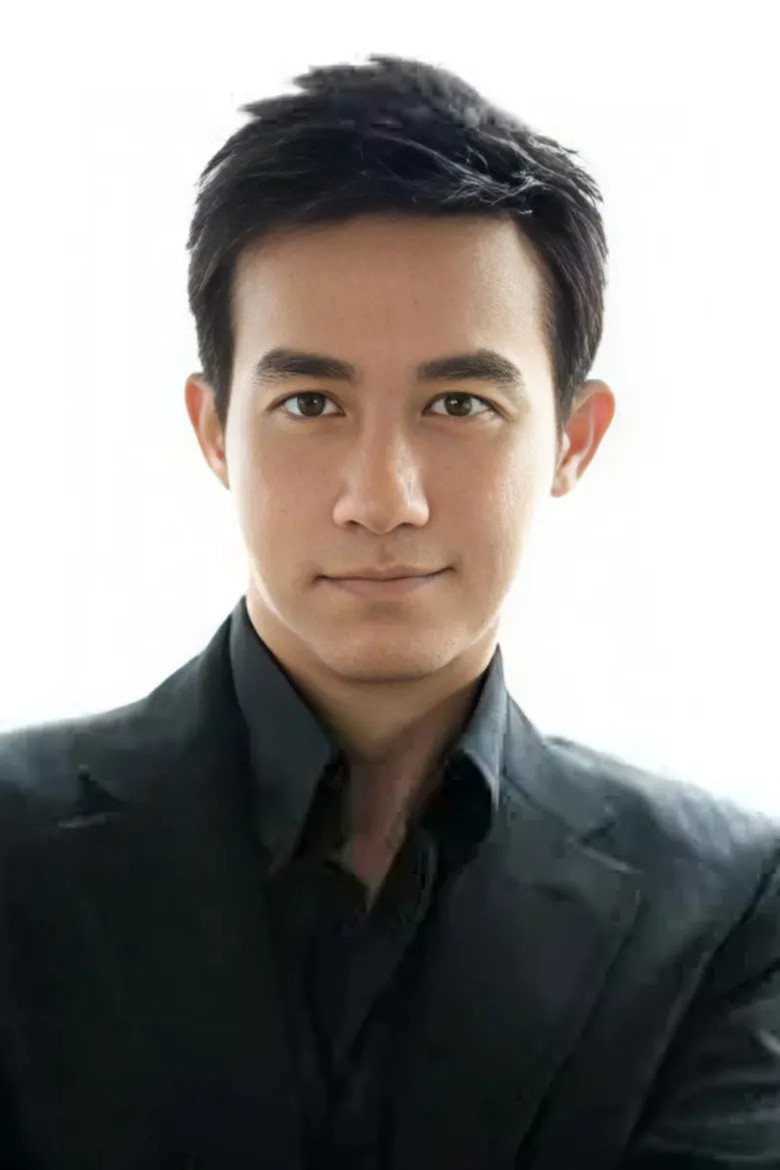
Waise Lee Chi-hung is a Hong Kong actor best known for his work in crime films, action dramas, and television serials, especially roles that use his controlled screen presence to suggest ambition, menace, calculation, or wounded pride. Born in British Hong Kong on December 19, 1959, Lee became part of the generation of performers trained through Hong Kong television who moved fluently between TVB dramas, commercial cinema, and later mainland Chinese productions.
Lee graduated from TVB's artist training system in 1982, a period when the broadcaster was one of Hong Kong's central talent pipelines. His cohort is often noted for including future major figures such as Tony Leung Chiu-wai and Francis Ng. TVB training gave Lee a foundation in fast production schedules, ensemble drama, and genre performance, all of which suited the Hong Kong screen industries of the 1980s and 1990s. He began appearing in films during the 1980s and quickly became recognizable to audiences through intense supporting parts.
His breakthrough screen role came in John Woo's A Better Tomorrow, the 1986 heroic-bloodshed landmark that helped define modern Hong Kong action cinema. Lee played Tam Shing, the treacherous antagonist whose betrayal and cruelty drive much of the film's emotional conflict. In a movie remembered for Chow Yun-fat's charisma, Ti Lung's tragic dignity, Leslie Cheung's moral struggle, and Woo's operatic action style, Lee's villainy gave the story a sharp human target. The role made him strongly associated with antagonists, a typecasting that he turned into a durable specialty.

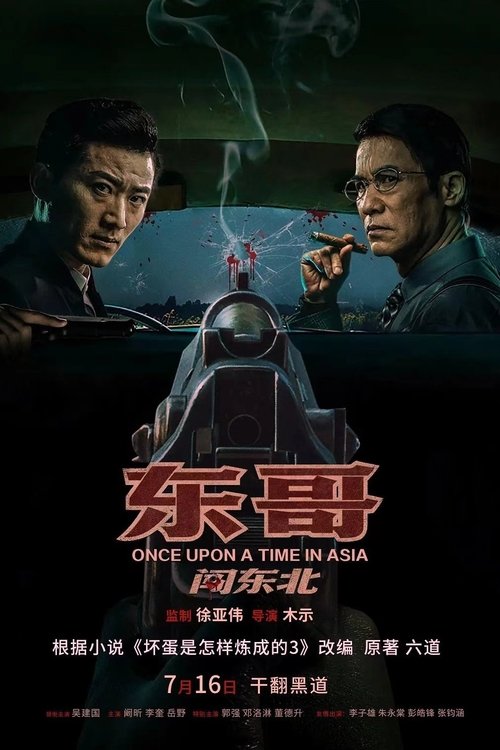
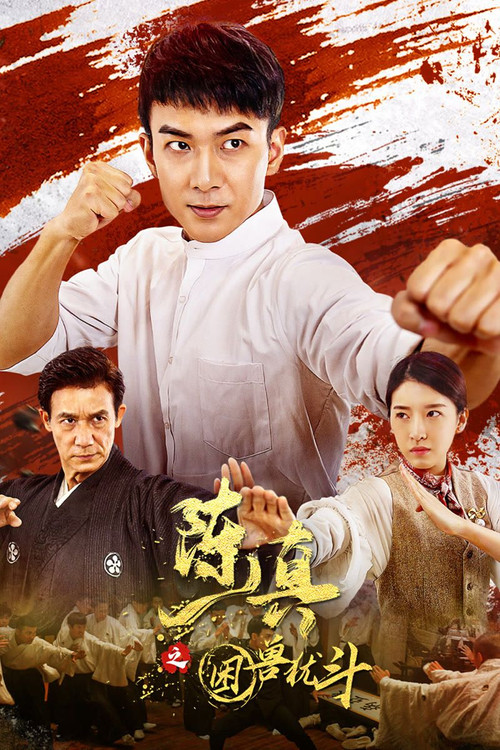
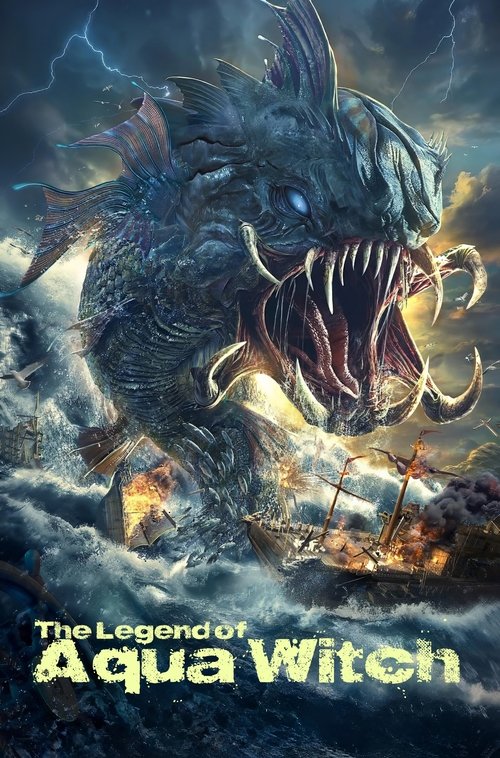
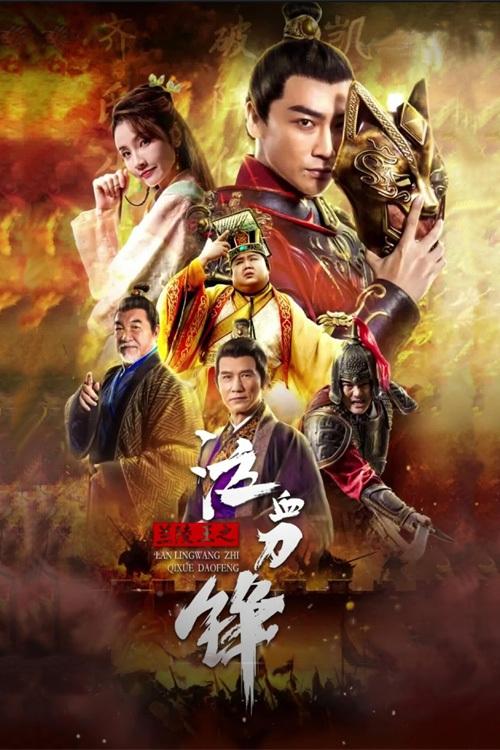
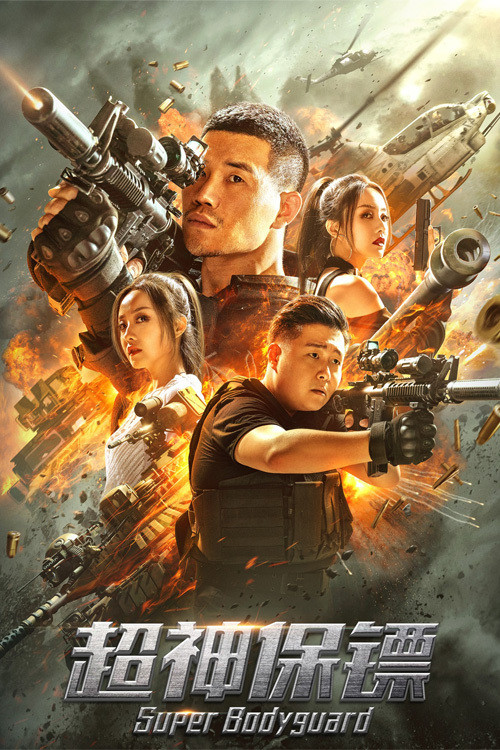
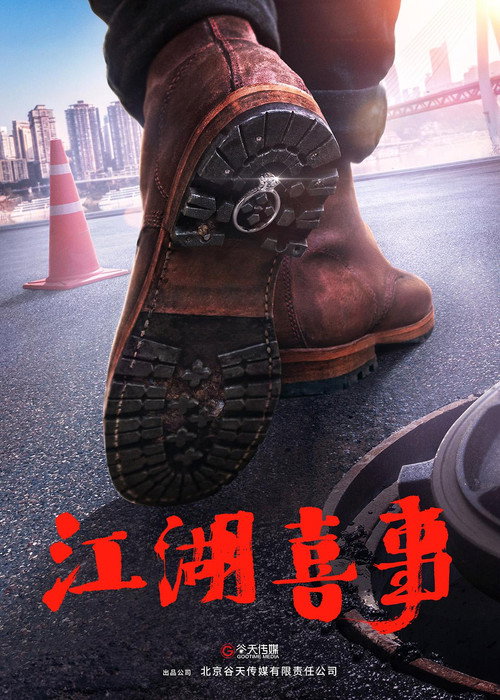
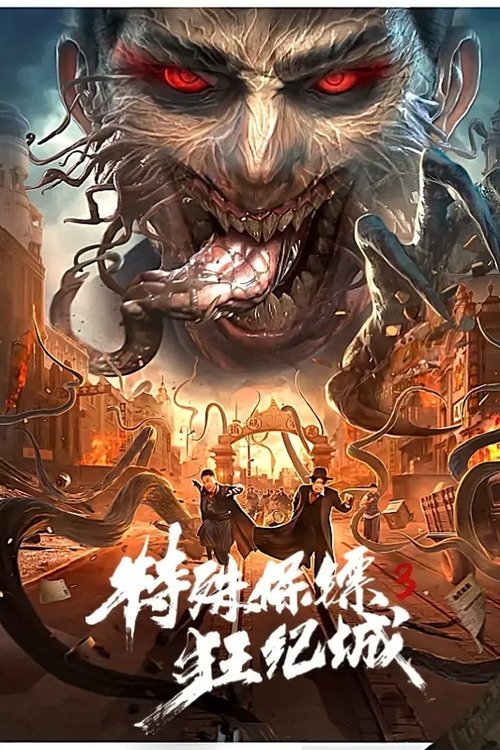
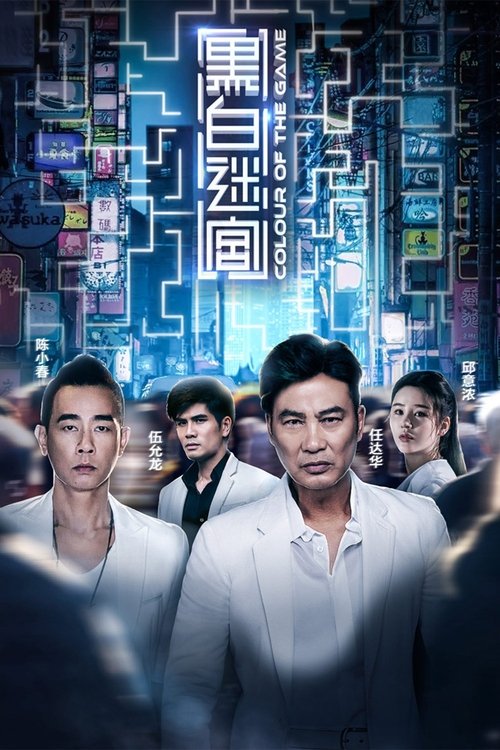
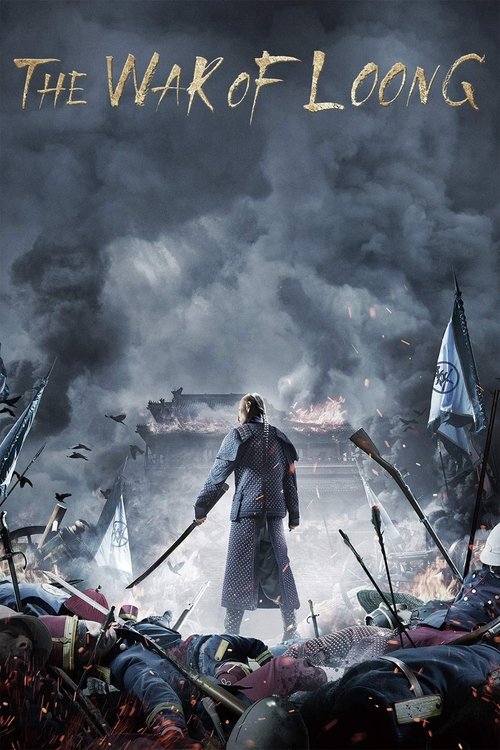
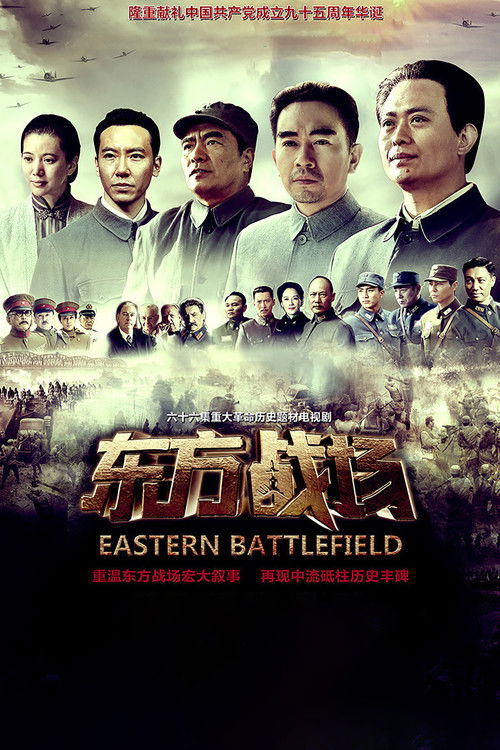
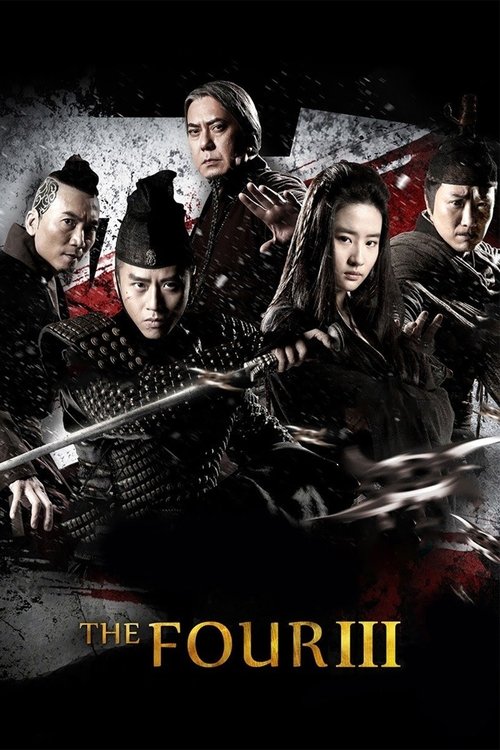
Actor · 2025 · Not rated yet

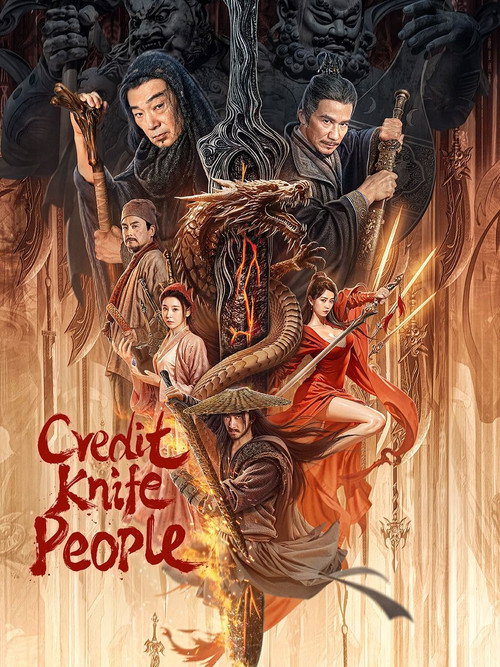
as Qiu Chuji · 2025 · Not rated yet

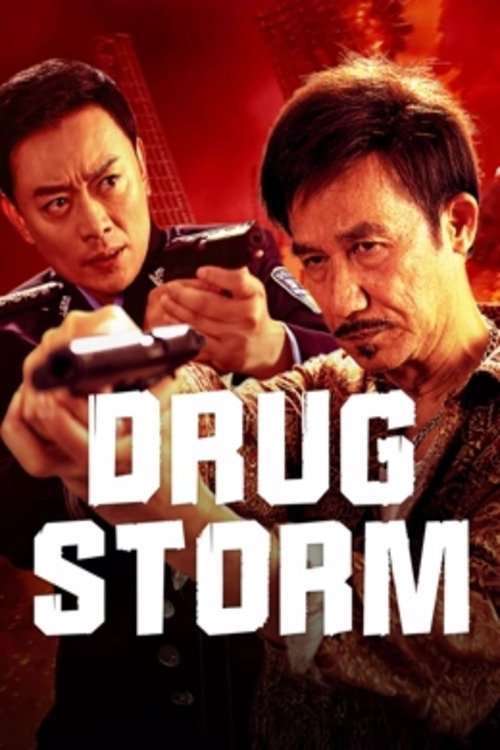
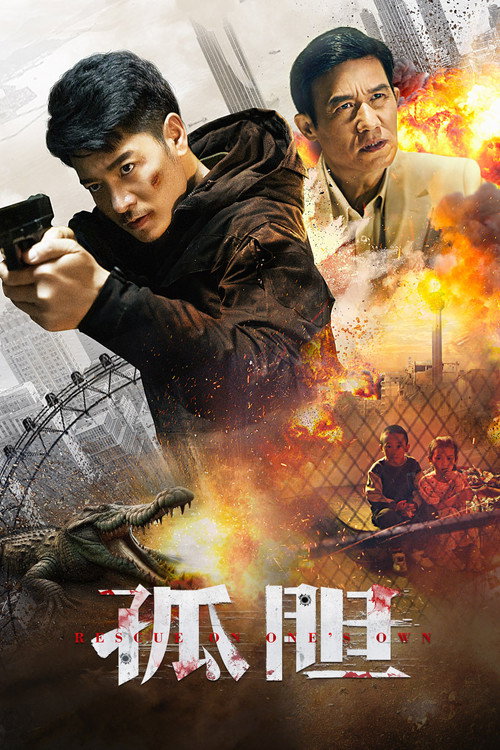
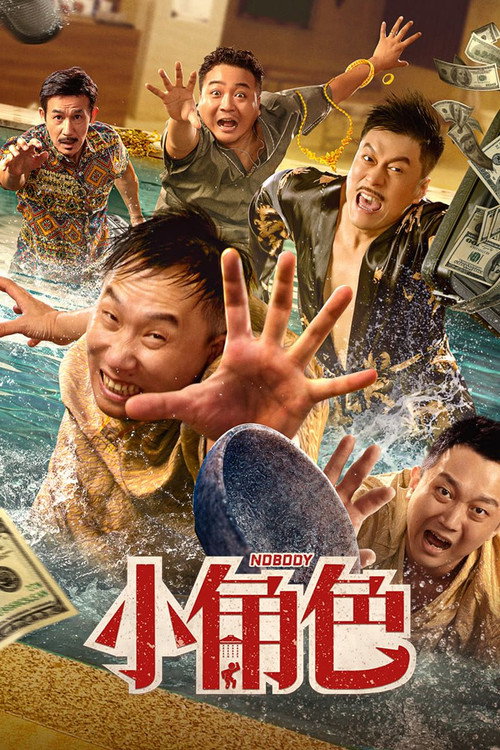
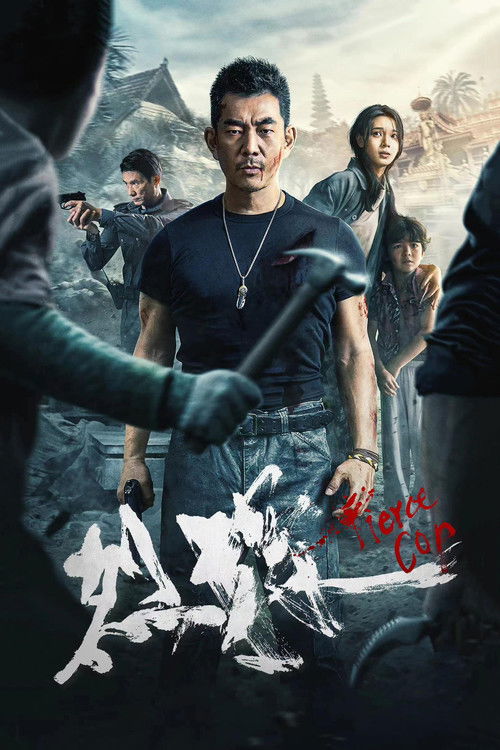
as Sha Kun · 2024 · Not rated yet

as Waise Lee · 2024 · Not rated yet

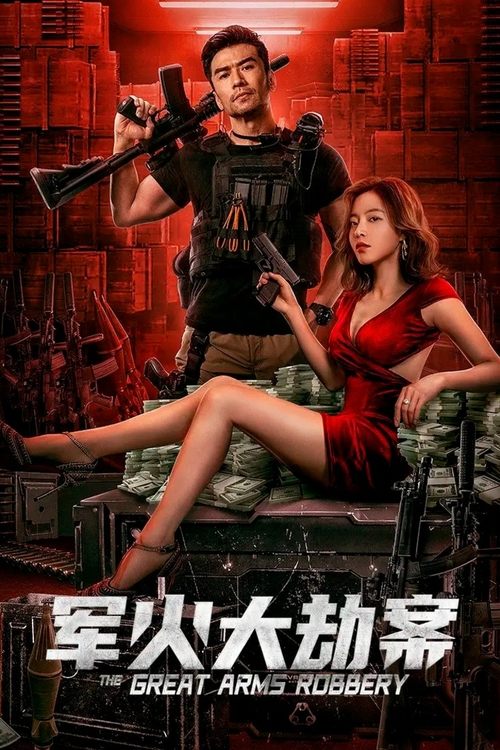
as Waise Lee · 2024 · Not rated yet

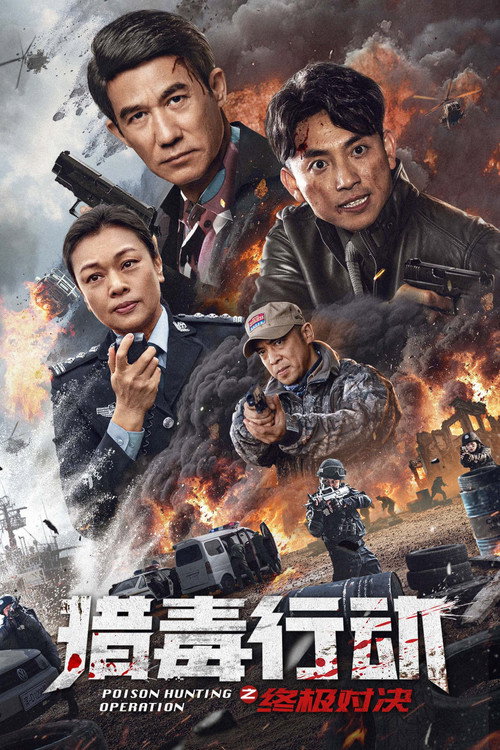
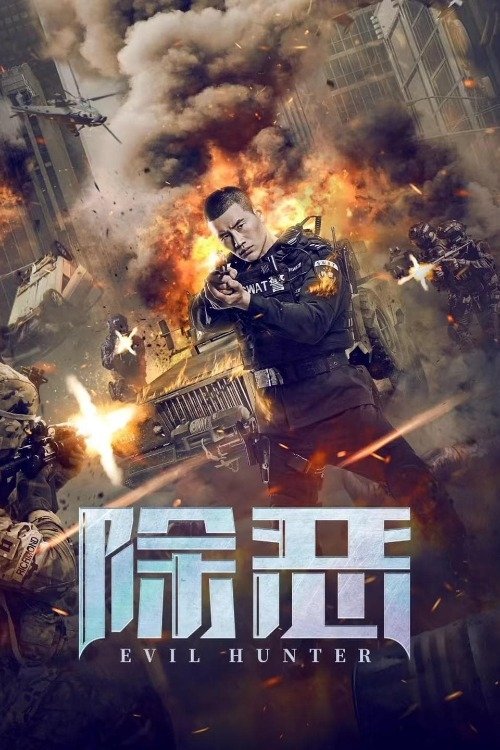
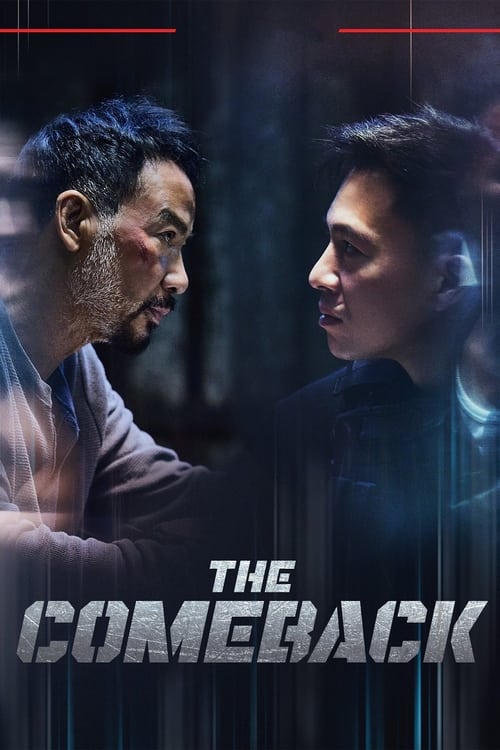
Actor · 2024 · Not rated yet

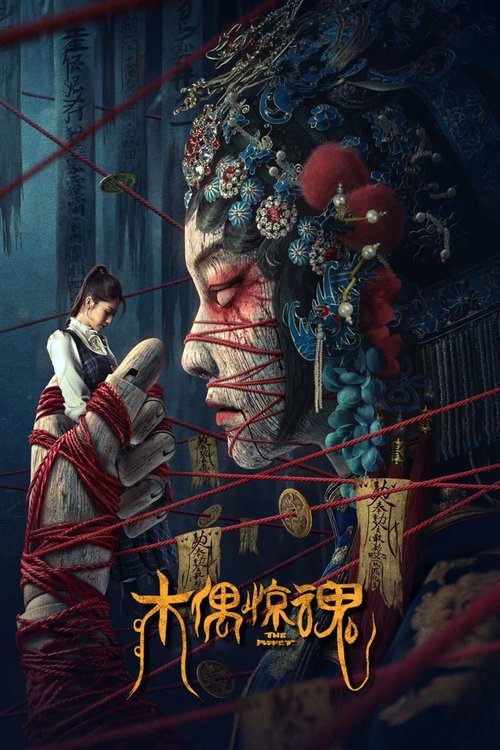
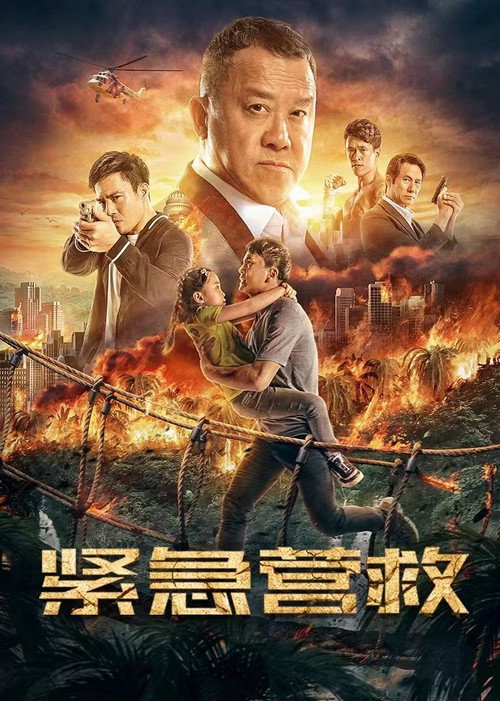
Actor · 2024 · Not rated yet

as Zhou Wanzong · 2024 · Not rated yet
Community
Community
Discuss Waise Lee Chi-Hung. By default, replies in a topic go to the original poster; use a message’s Reply button to reply to someone specific.
Sign in to post in the forum.
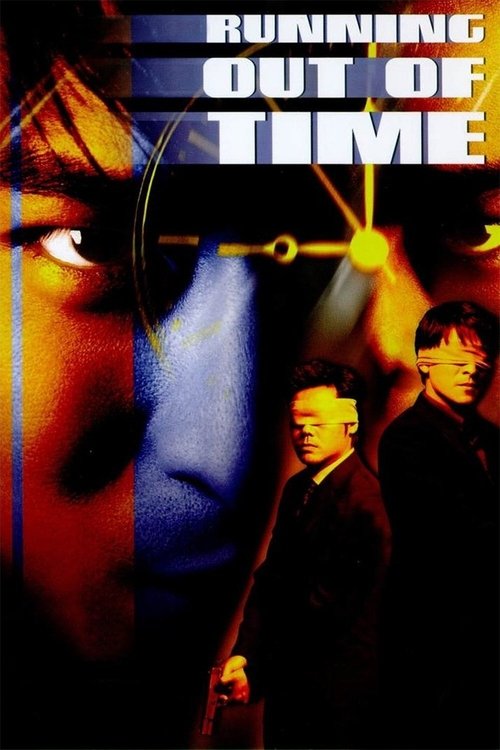
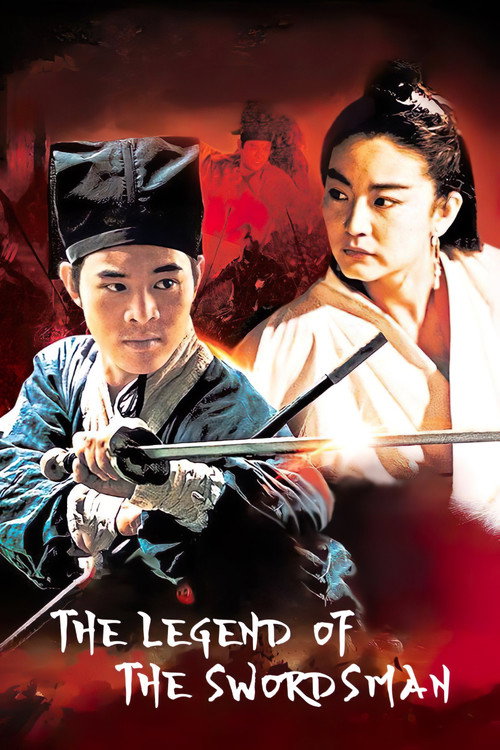
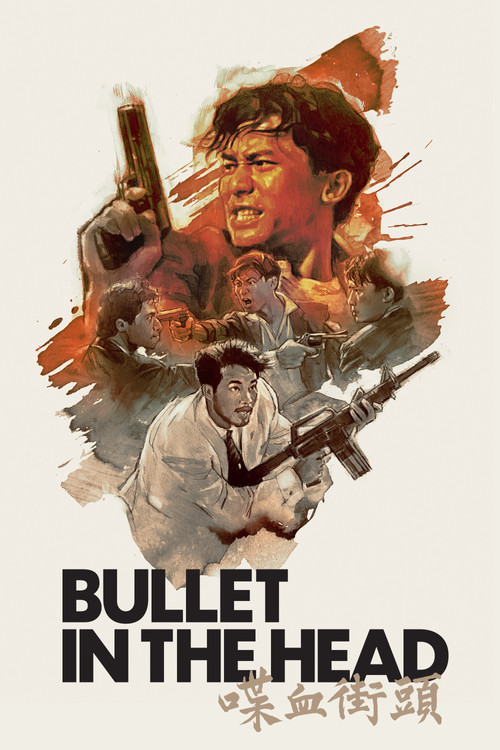
Through the late 1980s and early 1990s, Lee appeared in a broad run of Hong Kong films. His credits include The Big Heat, A Chinese Ghost Story II, Bullet in the Head, To Be Number One, Swordsman II, The Cat, Center Stage, Wing Chun, Running Out of Time, and many other titles across action, fantasy, melodrama, and crime genres. He was not confined to one kind of villain: he could play gangsters, corrupt officials, professional rivals, swordsmen, policemen, or men whose charm concealed danger. That adaptability made him a useful presence in an industry built on rapid production and strong character types.
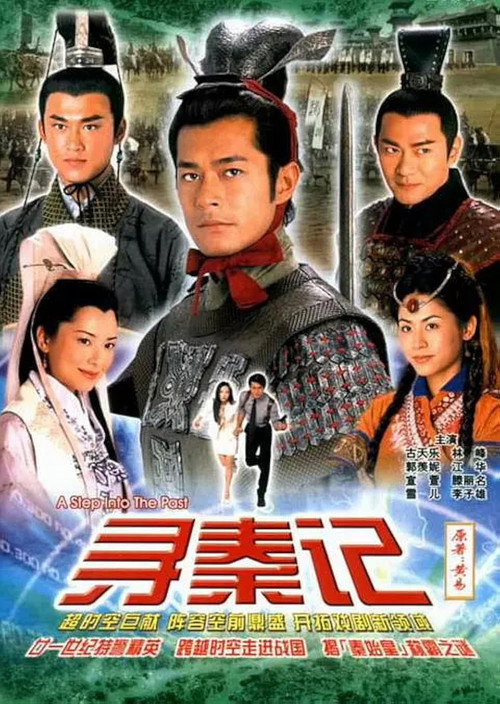
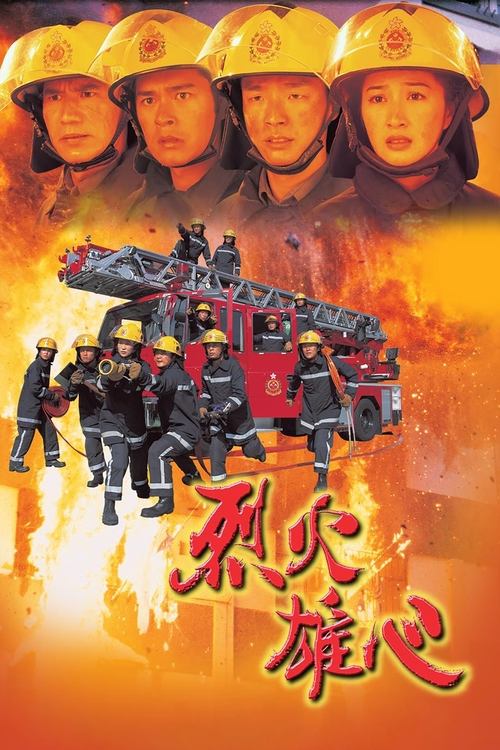
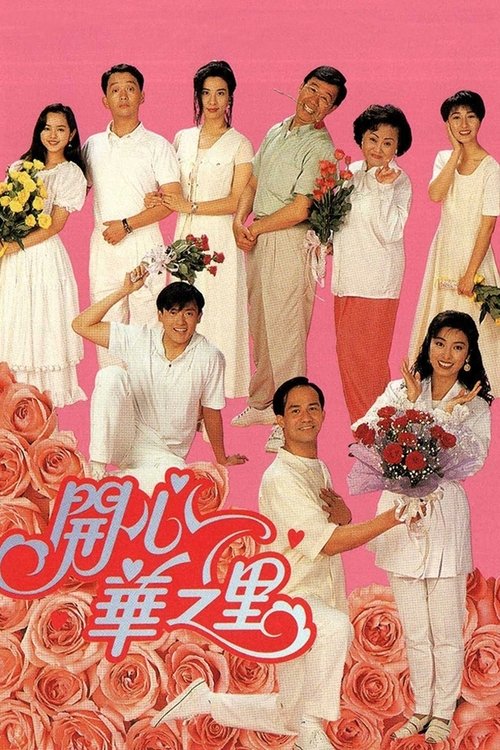
Lee also maintained a substantial television career. He appeared in TVB dramas including Mind Our Own Business, Cold Blood Warm Heart, Burning Flame, and A Step into the Past. Television gave him space for longer arcs than many of his film roles, while still drawing on his ability to project authority and conflict. Around the early 2000s he worked less frequently in TVB drama and became more active in other Chinese-language productions, including mainland television series. That shift reflected broader changes in the Chinese-language entertainment market, as Hong Kong performers increasingly worked across regional industries.
Because Lee's public profile in English-language sources is more limited than that of some internationally marketed Hong Kong stars, many summaries of his life focus on filmography and screen persona rather than extensive personal commentary. Reliable public sources identify him as an actor whose career began after TVB training and whose fame was strongly tied to A Better Tomorrow and subsequent villain or antagonist roles. Public accounts also note his marriages and children, though his professional work remains the most relevant and verifiable part of his biography.
Lee's importance lies in the texture he brought to Hong Kong genre cinema. He was rarely the sole star of the best-known films in which he appeared, but he helped make their conflicts legible and memorable. Hong Kong action and crime films rely on faces that audiences immediately read as dangerous, ambitious, loyal, compromised, or doomed; Lee became one of those faces. His career is a reminder that supporting actors and recurring antagonists are essential to the emotional architecture of popular cinema.
References:
[1] Wikipedia, “Waise Lee” — https://en.wikipedia.org/wiki/Waise_Lee
[2] IMDb, “Waise Lee” — https://www.imdb.com/name/nm0498004/
[3] TMDb, “Waise Lee” — https://www.themoviedb.org/person/25249-waise-lee
[4] Hong Kong Movie Database, “Waise Lee Chi-Hung” — https://hkmdb.com/db/people/view.mhtml?id=6925&display_set=eng
[5] Letterboxd, “Waise Lee” — https://letterboxd.com/actor/waise-lee/
[6] MUBI, “Waise Lee” — https://mubi.com/en/cast/waise-lee
[7] AllMovie, “Waise Lee” — https://www.allmovie.com/artist/waise-lee-vn15454490
[8] Wikipedia, “A Better Tomorrow” — https://en.wikipedia.org/wiki/A_Better_Tomorrow
[9] IMDb, “A Better Tomorrow” — https://www.imdb.com/title/tt0092263/
[10] Wikipedia, “TVB” — https://en.wikipedia.org/wiki/TVB

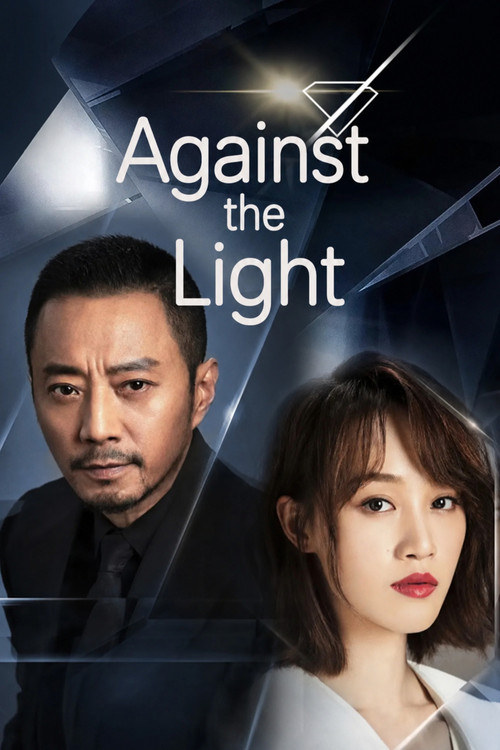
as Zijun's Father · 2024 · Not rated yet
Most liked
Top comments